
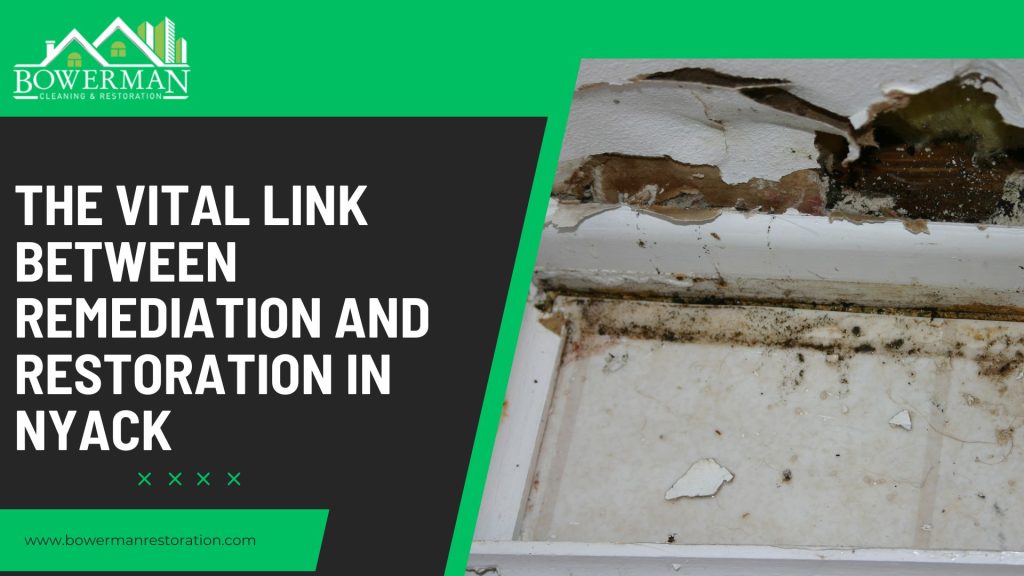
You wake up to the sound of dripping water, but it’s not raining outside. A pipe has burst in the wall of your Victorian home on North Broadway, soaking the antique plaster and hardwood floors. In the rush to fix it, you’re hit with a barrage of terms: mitigation, remediation, restoration. It’s easy to assume they all mean “cleaning up the mess,” but treating them as the same thing is a mistake that could cost you thousands in future repairs.
Understanding what is the difference between water remediation and restoration in nyack ny is the key to protecting your property’s value and your family’s health. These are two distinct phases of recovery. One stops the destruction in its tracks, while the other rebuilds what was lost. Confusing the two can leave you with a house that looks fixed on the outside but is rotting from the inside. This guide breaks down exactly how these processes work together in the specific context of Nyack’s unique architecture and climate.
Key Takeaways
- Remediation Stops the Damage: This immediate phase focuses on water extraction, drying, and removing contaminants like mold or sewage to stabilize the home.
- Restoration Rebuilds the Structure: Once dry, restoration involves construction work—hanging drywall, refinishing floors, and painting—to return the home to pre-loss condition.
- Nyack’s Historic Factor: Older homes in Nyack often use materials like plaster and lathe, which require specialized drying techniques different from modern drywall.
- Health Hazards: “Remediation” often implies a higher level of cleaning for health safety, specifically addressing mold spores and biohazards before reconstruction begins.
- Integrated Approach: Using one company for both phases prevents communication gaps, ensuring no moisture is trapped behind new repairs.
Overview
If you own a home in Rockland County, you know the weather can be unpredictable. From Hudson River storm surges to frozen pipes in winter, water damage is a constant threat. However, the path to recovery is often misunderstood. Many homeowners skip professional remediation, thinking a few fans will do the trick, only to face black mold months later. Others hire general contractors who rebuild too soon, trapping moisture in the walls.
This article clarifies the distinct roles of remediation and restoration. We will explain why “drying out” is a scientific process, not just a waiting game, and why the reconstruction phase relies entirely on the success of the first step. By understanding what is the difference between water remediation and restoration in nyack ny, you can make informed decisions that save your home from long-term structural failure.
Phase 1: The “Emergency Room” Approach of Remediation
Think of water remediation (often called mitigation) as the emergency room for your house. When a pipe bursts at 3 AM, you don’t need a carpenter; you need a damage control specialist. The primary goal here is stabilization. We are not trying to make the house look pretty yet; we are trying to stop it from dying.
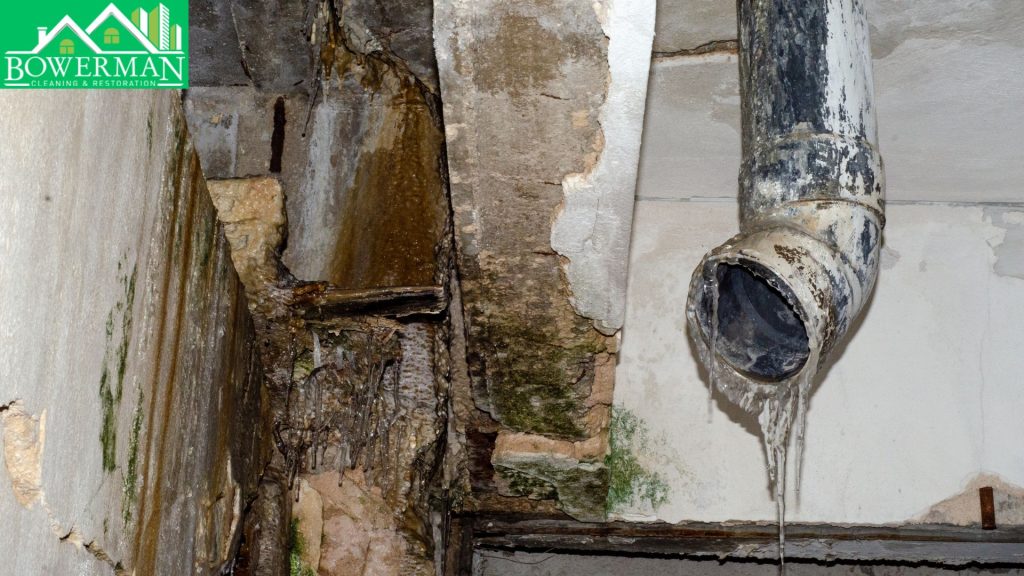
Water is aggressive. It doesn’t just sit on the floor; it migrates. It wicks up into drywall, soaks into subflooring, and raises the relative humidity of the entire home. Remediation focuses on containment and extraction to halt this spread.

The Science of Structural Drying
Professional remediation involves more than just shop vacs. We use industrial-grade truck-mounted extractors to physically remove standing water. But the real work begins with “structural drying.” This involves placing high-velocity air movers and commercial dehumidifiers in a specific configuration to pull moisture out of the building materials—studs, concrete, and joists.
We monitor this process using moisture meters and thermal imaging cameras. We don’t guess if it’s dry; we verify it against a “dry standard.” If you skip this phase, or if it’s done poorly, the moisture remaining deep in your walls will eventually cause rot and microbial growth.
Addressing Health Hazards
The term “remediation” is also specifically used when dealing with contaminants. If your basement floods with river water or sewage, you are dealing with Category 3 water. This is a biohazard. Professional biohazard remediation in this context means strictly adhering to safety protocols to protect your health..
We set up containment barriers and negative air pressure zones to prevent airborne contaminants from spreading to other parts of your home. This level of cleaning and sanitization must happen before anyone thinks about hanging new drywall.
Phase 2: The “Reconstructive Surgery” of Restoration
Once the remediation team gives the all-clear—meaning the moisture content in the wood is back to normal levels—the emergency phase is over. Now, your home likely looks a bit rough. You might have missing baseboards, cut-out sections of wall, or bare concrete floors. This is where restoration begins.
Restoration is the process of bringing your property back to its pre-loss condition. It is the construction work that makes it look like the water damage never happened.
Rebuilding the Shell
This phase involves skilled trades. We hang new sheetrock, tape and spackle seams, and install fresh insulation to restore thermal efficiency. In many Nyack homes, this might involve matching specific architectural details that are not found in modern tract housing.
Flooring is often a major part of restoration. Whether it’s weaving in new hardwood planks to match an existing floor or installing water-resistant luxury vinyl tile in a basement, this step requires precision. Painting and trim work follow, blending the repairs seamlessly with the rest of the room.
The Danger of Rebuilding Too Soon
The biggest mistake we see is rushing into restoration. If a contractor puts up new drywall while the studs are still damp (even if they feel dry to the touch), mold will grow in the cavity. You won’t see it for months, but you will likely smell it. Understanding what is the difference between water remediation and restoration in nyack ny protects you from this costly error. Remediation certifies the base is safe; restoration builds upon that safety.
Nyack’s Unique Challenges: Old Homes and River Air
Living in Nyack presents specific challenges that make the coordination between remediation and restoration even more critical. Our housing stock is older and more diverse than many other suburbs.
Plaster vs. Drywall
Many homes in the village, especially near the river or in the downtown historic district, have lath and plaster walls. Plaster reacts differently to water than modern drywall. It is dense, holds moisture longer, and is heavier.
During remediation, saving plaster requires specialized drying techniques that might take longer than drying sheetrock. If the plaster pulls away from the lath keys, it loses structural integrity and must be removed. A standard “dry out” company might not know this, leading to falling ceilings later on. A specialized restoration team understands how to preserve these historic materials whenever possible.
The Humidity Factor
Nyack’s proximity to the Hudson River means higher ambient humidity, especially in summer. This makes the “natural drying” approach nearly impossible. Opening windows will often bring more moisture into the house, not less.
Professional dehumidification is essential here. We have to create a microclimate inside your home that is significantly drier than the air outside to force moisture out of the structure. Restoration materials like wood flooring also need to be acclimated to this environment before installation to prevent buckling or gapping later.
The Financial Angle: Insurance and Estimates
Insurance adjusters also view these two phases differently, and understanding this can help you manage your claim. Most policies cover “mitigation” (remediation) almost automatically because stopping the damage saves the insurance company money in the long run.
“Restoration,” however, is often subject to depreciation. If your carpet was 10 years old, they might not pay for brand new carpet at full price. They will pay for the “actual cash value.”
Separate But Connected Estimates
When you work with a full-service provider, we often present the insurance carrier with two distinct estimates or a segmented line-item list. One section details the emergency services (extraction, drying equipment rental, demolition). The other details the repair costs (materials, labor for rebuilding).
This clarity helps get claims processed faster. It shows the adjuster exactly what was done to save the house and exactly what is needed to fix it. By articulating what is the difference between water remediation and restoration in nyack ny to your adjuster, you advocate for the full scope of coverage you deserve.
The Risks of DIY and Unlicensed Contractors
It is tempting to try and save money by doing the cleanup yourself or hiring a general handyman. However, water damage is deceptive.
The “Dry to Touch” Trap
You might touch a wood stud or a concrete floor and think it feels dry. However, the internal moisture content could still be high enough to support mold growth. If you simply paint over it or put up new insulation, you are sealing that moisture in.
Professional mitigation teams use calibrated equipment—moisture meters and hygrometers—to verify that the “drying standard” has been met. This is a documented metric. Insurance companies usually require this proof before they will release funds for the restoration phase.
Code Compliance
Restoration often involves electrical and plumbing work, especially if the water damaged outlets or required moving pipes. In Nyack and the surrounding Rockland County area, this work must meet current building codes. A licensed restoration company handles these permits and inspections, ensuring your home is not just pretty, but legal and safe.
Why One Integrated Team is Better
There are companies that only do mitigation (dry out) and companies that only do restoration (rebuild). Then, there are full-service companies like Bowerman Cleaning & Restoration that handle both.
Eliminating the “Blame Game”
If you hire Company A to dry the house and Company B to fix it, you often run into friction. Company B might say, “Company A cut away too much drywall,” or “The floor isn’t actually dry yet.” This finger-pointing delays your project and leaves you living in a construction zone longer.
A Seamless Transition
When you hire a single team for Water Damage Restoration in Nyack, the transition is smooth. The mitigation crew communicates directly with the project manager handling the repairs. They know exactly where to cut to make the repair easier, and they don’t sign off on the drying until they know the site is ready for the rebuild.
We treat the project as a single timeline, not two separate jobs. This holistic approach reduces stress and gets you back to your normal life faster.
Preventing Future Disasters
The restoration phase is the perfect opportunity to upgrade your home’s defenses. Since we are already opening walls or replacing floors, we often suggest:
- Water-Resistant Materials: Installing cement board in flood-prone basements instead of standard drywall.
- Resilient Flooring: Switching to luxury vinyl plank (LVP) instead of carpet in lower levels, as it is impervious to water.
- Sump Pump Upgrades: Installing a battery backup system to ensure active mitigation during power outages.
These aren’t just repairs; they are strategic upgrades that increase your home’s resilience against the next storm.
Bowerman Cleaning & Restoration
Nyack Location 99 Main St, Nyack, NY, 10960-3109, United States Phone: +1 844 269 3762
We are more than just a cleanup crew; we are your neighbors and your partners in recovery. From the moment we extract the first gallon of water to the moment we apply the final coat of paint, we handle every step of the process. We offer:
- 24/7 Service: Because pipes don’t burst during business hours.
- Free Inspections: We assess the damage before you commit.
- 50+ Years Experience: We know the nuances of Nyack’s historic homes.
- Family Owned / Operated: You are treated like a neighbor, not a ticket number.
- Eco-Friendly Products: Safe for your kids, pets, and the Hudson River environment.
- Locals / Local Expertise: We understand the specific challenges of Rockland County construction.
- Certified & Licensed: IICRC certified, licensed in mold/asbestos, and holding a full Home Improvement License.
- Proven Track Record: Just check our Google reviews and past customer satisfaction.
Common Questions About water remediation and restoration
Q: Do I always need restoration after water remediation?
A: Not necessarily. If the water loss was “Clean” (Category 1) and caught immediately, we might be able to dry the carpet and walls in place without demolition. However, if drywall was removed, flooring buckled, or insulation got wet, restoration is necessary to make the room livable again.
Q: How long does the drying process take compared to restoration?
A: Remediation (drying) usually takes 3 to 5 days. We monitor moisture levels daily. Restoration is variable; it depends on the availability of materials and the scope of work. Replacing a few feet of drywall takes days; rebuilding a custom kitchen takes weeks.
Q: Can I live in my house during the process?
A: It depends on the severity. During remediation, equipment is loud and the air might be warm. During restoration, it’s like a standard renovation. We strive to contain the work area so you can stay in your home if it is safe to do so.
Q: Does my insurance cover both parts of the job?
A: Typically, yes. Most standard homeowner policies cover both the emergency mitigation and the resulting repairs, provided the cause of the loss is covered (like a burst pipe). We work directly with your adjuster to document both phases.
Q: What is the difference between “cleaning” and “remediation”?
A: Cleaning is cosmetic. Remediation removes hazards. When dealing with sewage or mold, simple cleaning is not enough. Remediation involves containment, HEPA filtration, and specialized antimicrobial treatments to ensure the environment is healthy.
Q: Can I hire my own contractor for the rebuild?
A: Yes, you can. However, using a separate contractor can complicate the timeline. If they start building before the structure is 100% dry, warranties may be voided. Using our integrated team ensures accountability for the entire project.
Q: How do you handle mold if you find it during the water cleanup?
A: If we discover mold, the project shifts to mold remediation protocols. We must contain the area and physically remove the mold growth before we can proceed with drying or restoration to prevent cross-contamination.
Q: Is professional remediation worth the cost?
A: Yes. The cost of professional remediation is a fraction of the cost of repairing structural rot or whole-home mold infestations that occur when water is not properly removed. It is an investment in the longevity of your home.
Conclusion: Protect Your Nyack Home the Right Way
Water damage is a disruption, but it doesn’t have to be a disaster. You now know that what is the difference between water remediation and restoration in nyack ny is the difference between a temporary patch and a permanent cure. Remediation saves the house you have; restoration gives you back the home you love.
Don’t gamble with your biggest investment. If you are facing water issues, you need a team that can handle the defense and the rebuilding with equal expertise.
Contact Bowerman Cleaning & Restoration Today for Your Free Inspection
Author & Process: This guide was written based on IICRC S500 standards for water damage restoration and local construction knowledge specific to the Rockland County area. It aims to provide clear, actionable advice for homeowners facing property loss.