
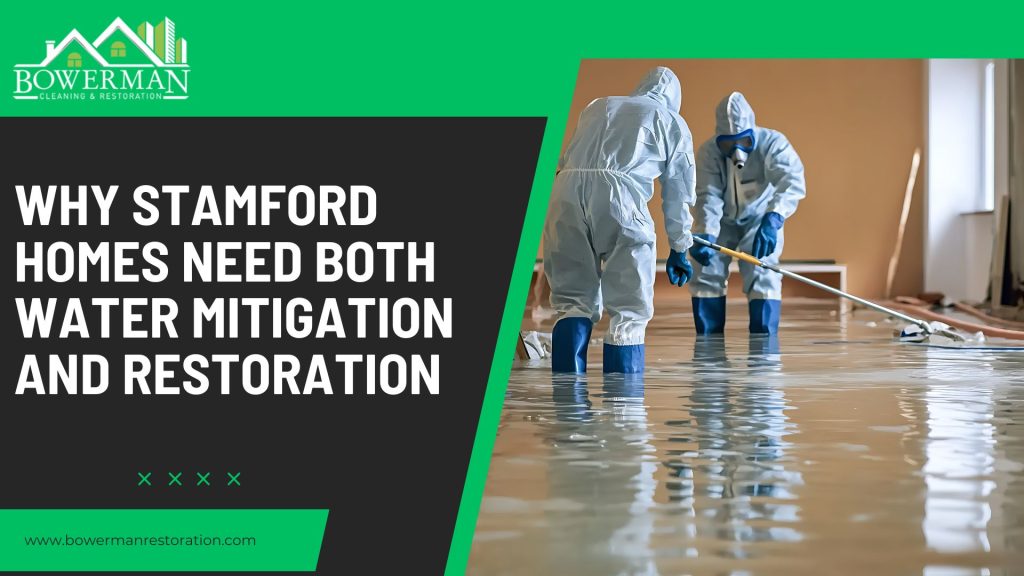
Imagine walking into your basement on a Tuesday morning. It rained heavily last night—typical for a Stamford storm—and now, instead of your carpet, you feel a cold, soggy mess beneath your feet. Panic sets in. You grab your phone and start searching for help. This is where the confusion often begins. Some companies say they do “remediation,” others say “restoration,” and many claim to do “mitigation.”
Are these just fancy words for the same cleanup job? Absolutely not.
Understanding what is the difference between water remediation and restoration in stamford ct is not just semantics; it is the difference between simply drying a floor and actually saving your home from long-term structural failure. In the high-stakes environment of property damage—where mold can take root in 48 hours—knowing who to call and what to ask for is your first line of defense.
Key Takeaways
- Mitigation is the “ER”: It stops the immediate threat, removes water, and prevents secondary damage like mold.
- Restoration is the “Reconstructive Surgery”: It rebuilds the structure, replacing drywall, flooring, and paint to bring the home back to pre-loss condition.
- Stamford Specifics: Local climate factors, like coastal humidity and freezing winters, make the speed of transition between these two steps critical.
- One Team is Better: Hiring a single company that handles both phases often results in faster insurance claims and less downtime.
Overview
If you are dealing with water damage in Stamford, you need to know that the recovery process happens in two distinct phases. Water Mitigation (or Remediation) is the emergency response. Its sole purpose is to stop the damage from getting worse. This involves water extraction, removing wet drywall, and setting up industrial dehumidifiers. Water Restoration is the rebuilding phase that follows. This is when your home is put back together—new floors, new paint, and new cabinetry.
For homeowners in Fairfield County, skipping the first step often leads to hidden mold, while hiring a contractor who only does the second step means you might be rebuilding over a wet foundation. This guide breaks down exactly how these two services work together to protect your largest investment.
The Emergency Phase: What is Water Mitigation?
Think of water mitigation as the emergency room for your house. When you call a professional at 2:00 AM because a pipe burst, you are calling for mitigation. The goal here isn’t to make the house look pretty; it’s to stabilize the patient.
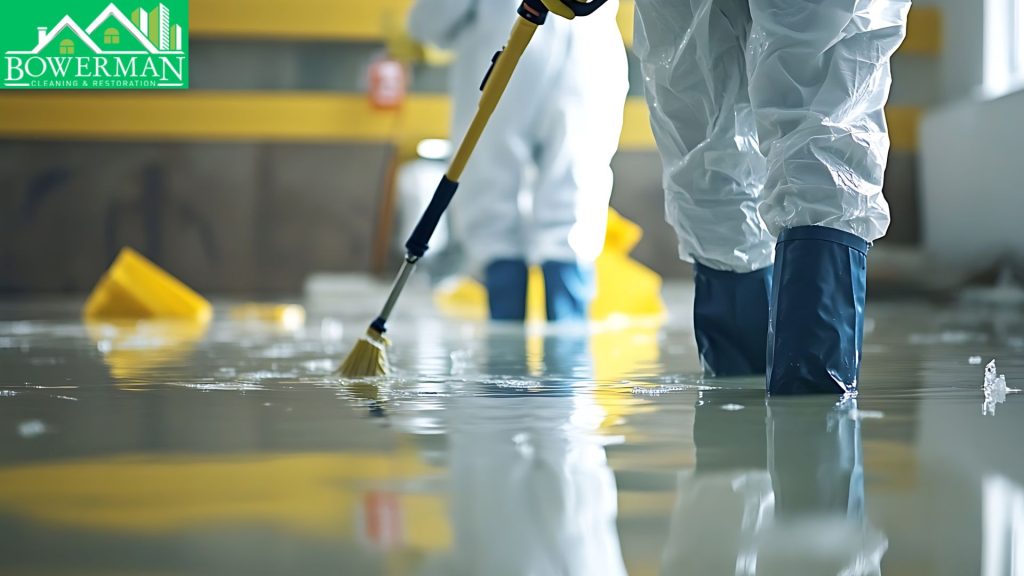
In the industry, we often refer to this as “stopping the bleeding.” If water is left to sit, it migrates. It wicks up drywall, soaks into subfloors, and creates a humid environment perfect for microbial growth. Mitigation focuses on containment and extraction.
The Core Tasks of Mitigation
- Water Extraction: Using truck-mounted pumps to physically remove standing water.
- Demolition: removing damaged materials that cannot be saved, such as sodden carpet pads or soaked plasterboard.
- Structural Drying: deploying high-velocity air movers and dehumidifiers to pull moisture out of the studs and concrete.
- Sanitization: applying antimicrobial agents to kill bacteria, especially if the water came from a reliable but dirty source like a backed-up sewer.
If you skip this phase or try to handle it with a few shop vacs, the water remaining deep in your materials will eventually cause rot. In Stamford, where humidity levels can spike in the summer, this residual moisture is a ticking time bomb for mold.
The Rebuilding Phase: What is Water Restoration?
Once the fans are gone and the moisture meters read “dry,” the mitigation is over. Now, your home likely looks a bit like a construction zone. You might have missing baseboards, cut-out sections of drywall, or bare concrete floors. This is where restoration begins.
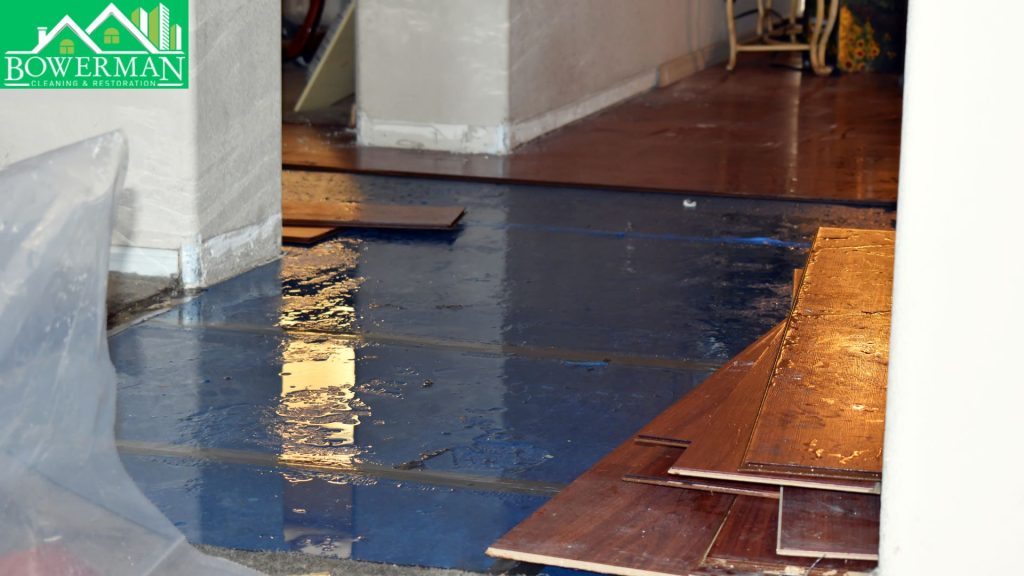
Restoration is the process of bringing your property back to its pre-loss condition. It is the construction work that makes it look like the water damage never happened.
The Scope of Restoration
- Drywall & Insulation: hanging new sheetrock and installing fresh insulation.
- Flooring Installation: laying down new hardwood, tile, or carpet.
- Carpentry: installing new baseboards, casing, and cabinets.
- Painting: matching colors and texturing walls to blend seamlessly.
While mitigation requires certification in water damage and mold (like the IICRC WRT), restoration requires a skilled general contractor’s license. This is a crucial distinction. A general contractor who doesn’t understand water damage might start rebuilding too soon, trapping moisture inside the walls. This is why understanding what is the difference between water remediation and restoration in stamford ct is vital for your project’s success.
Why Stamford Homes Face Specific Risks
Living in Stamford presents a specific set of challenges that makes the coordination between mitigation and restoration even more critical. We are not just dealing with generic water damage; we are dealing with New England weather patterns.
The Coastal Factor
Stamford’s proximity to the Long Island Sound means high water tables and potential for storm surges. Saltwater intrusion is particularly damaging to building materials and requires specialized cleaning protocols during the mitigation phase before any restoration can occur. If salt is left on masonry or framing, it can attract moisture from the air permanently (a property known as hygroscopic), meaning your restoration work will fail years down the line.
The Freeze-Thaw Cycle
In our winters, temperatures can drop drastically, leading to frozen pipe bursts. These often happen in walls or ceilings. Mitigation involves opening those walls to dry the structure. If the subsequent restoration doesn’t include proper re-insulation of those pipes, you are liable to suffer the exact same disaster the following winter. A quality restoration team doesn’t just fix the wall; they ensure the pipe is protected so history doesn’t repeat itself.
The “Remediation” Variable: Where Does It Fit?
You will often hear the term “remediation,” specifically regarding mold. Water remediation is frequently used interchangeably with mitigation, but it leans more heavily on the cleaning and decontamination side.
If your basement flooded due to a sewage backup (Category 3 water), you aren’t just mitigating; you are remediating biohazards. This requires strict adherence to safety standards to protect the health of your family. Only after the environment is certified safe can restoration workers enter to rebuild.
According to the IICRC S500 Standard, which is the bible of our industry, the separation of these duties is clear but the workflow must be continuous. Stopping after remediation leaves you with an uninhabitable shell. Starting restoration without remediation leaves you with a health hazard.
The Danger of DIY: Why You Need Professionals
It is tempting to try and save money by doing the cleanup yourself and then hiring a handyman to fix the drywall. However, water is deceptive. It moves in ways you cannot see without infrared cameras and moisture meters.
The “Dry to Touch” Fallacy
You might feel a wood stud and think it’s dry. However, the internal moisture content could still be high enough to support mold growth. If you simply paint over it or put up new insulation, you are sealing that moisture in. Months later, you will smell mustiness, or worse, see black spots forming on your brand-new paint.
Professional mitigation teams use equipment to verify that the “drying standard” has been met. This is a documented metric that proves the structure is dry. Insurance companies usually require this proof before they will pay for the restoration phase.
One Team vs. Two: The Integrated Approach
There are companies that only do mitigation (dry out) and companies that only do restoration (rebuild). Then, there are full-service companies like ours that handle both.
The Disconnect Problem
If you hire Company A to dry the house and Company B to fix it, you often run into friction. Company B might say, “Company A cut away too much drywall,” or “The floor isn’t actually dry yet.” This finger-pointing delays your project and leaves you living in a construction zone longer.
The Seamless Solution
When you hire a single team for Water Damage Restoration in Stamford CT, the transition is smooth. The mitigation crew communicates directly with the project manager handling the repairs. They know exactly where to cut to make the repair easier, and they don’t sign off on the drying until they know the site is ready for the rebuild. This integrated approach usually results in a faster claim approval from your insurance carrier because one detailed estimate covers the entire loss.
Insurance Implications: Navigating the Claim
Insurance adjusters also view these two phases differently. Most policies cover “mitigation” almost automatically because stopping the damage saves them money in the long run. “Restoration,” however, is subject to depreciation and coverage limits.
By understanding what is the difference between water remediation and restoration in stamford ct, you can better advocate for yourself. You can explain to your adjuster that the “mitigation” bill covers the emergency service required to save the structure, while the “restoration” estimate is for returning the home to its pre-loss state.
We assist our clients in documenting this distinction clearly. We take photos of the initial damage (mitigation justification) and the final dry state (restoration baseline), ensuring your claim file is bulletproof.
Preventing Future Damage During Restoration
The restoration phase is the perfect opportunity to upgrade your home’s defenses. Since we are already opening walls or replacing floors, we often suggest:
- Installing water-resistant drywall (Greenboard) in flood-prone areas like basements.
- Switching to vinyl plank flooring instead of carpet or laminate, as it is impervious to water.
- Adding insulation to exterior pipes to prevent future freezing.
- Installing a sump pump backup battery to ensure active mitigation during power outages.
These aren’t just repairs; they are upgrades that increase your home’s resilience against the next Stamford storm.
When to Call for Help
If you see standing water, you need to call immediately. Water damage is progressive. The first 24 hours are critical for mitigation. The weeks that follow are for restoration. But it all starts with that first phone call.
Waiting to see if it “dries up on its own” is rarely a successful strategy in our climate. The cost of mitigation is a fraction of the cost of whole-home mold remediation that becomes necessary if you wait.
Bowerman Cleaning & Restoration
Stamford Location 6 Landmark Square 4th Floor, Stamford, CT, 06901, United States Phone: +1 844 269 3762
We are more than just a cleanup crew; we are your partners in recovery. From the moment we extract the first gallon of water to the moment we apply the final coat of paint, we handle every step of the process. We offer:
- 24/7 Service: Because pipes don’t burst during business hours.
- Free Inspections: We assess the damage before you commit.
- 50+ Years Experience: We know Stamford homes inside and out.
- Family Owned / Operated: You are treated like a neighbor, not a ticket number.
- Eco-Friendly Products: Safe for your kids, pets, and the Sound.
- Locals / Local Expertise: We understand the specific challenges of Fairfield County construction.
- Certified & Licensed: IICRC certified, licensed in mold/asbestos, and holding a full Home Improvement License.
- Proven Track Record: Just check our Google reviews and past customer satisfaction.
Common Questions About water remediation and restoration
Q: Do I always need restoration after mitigation?
A: Not always, but usually. If the water loss was “Clean” (Category 1) and caught very quickly, we might be able to dry the carpet and walls without removing them. However, if drywall was removed or flooring was damaged, restoration is necessary to make the room livable again.
Q: Can I live in my home during the process?
A: It depends on the severity. During mitigation, it can be loud due to fans and dehumidifiers. During restoration, it is like a standard renovation. We always strive to contain the work area so you can remain in your home comfortably if safety allows.
Q: Does insurance cover both mitigation and restoration?
A: Typically, yes. Most standard homeowner policies cover both the emergency cleanup (mitigation) and the repairs (restoration), provided the cause of the loss is covered (like a burst pipe, but often not ground flooding without separate flood insurance).
Q: How long does the drying process take?
A: Mitigation usually takes 3 to 5 days. We monitor moisture levels daily. Once the structure reaches its dry standard, we remove the equipment. Restoration time varies based on the scope of repairs and availability of materials.
Q: What happens if mold is found during mitigation?
A: If we discover mold, the project shifts to mold remediation protocols. We must contain the area and physically remove the mold growth before we can proceed with drying or restoration.
Q: Can I use my own contractor for the restoration part?
A: Yes, you can. However, using a separate contractor can complicate the timeline. If they start building before the structure is 100% dry, warranties may be voided. Using our integrated team ensures seamless accountability.
Q: Why is “remediation” different from “cleaning”?
A: Cleaning removes dirt. Remediation removes hazards. When dealing with sewage or mold, simple cleaning is not enough to ensure safety. Remediation involves containment, negative air pressure, and specialized chemical treatments.
Q: Is it expensive to hire a professional for mitigation?
A: The cost varies, but it is almost always less expensive than the cost of fixing the secondary damage (rot, mold, structural failure) that occurs if the water is not removed properly. Insurance covers most professional mitigation services.
Conclusion: Protect Your Home the Right Way
Water damage is stressful, but understanding the roadmap makes it manageable. You now know that what is the difference between water remediation and restoration in stamford ct is the difference between a quick fix and a permanent solution. Mitigation saves the house you have; restoration gives you back the home you love.
Don’t gamble with your property’s future. If you are facing water issues, you need a team that can handle the defense and the rebuilding with equal expertise.