Discovering mold behind drywall is one of the most concerning issues homeowners can face, as it often remains hidden until significant damage has already occurred. Unlike surface mold that’s immediately visible, mold growing behind drywall can silently spread throughout your home’s structure, potentially causing serious health problems and costly structural damage. Understanding how to identify the warning signs of hidden mold is crucial for protecting both your family’s health and your property investment.
Mold thrives in dark, moist environments, making the space behind drywall an ideal breeding ground, especially when moisture intrusion occurs from plumbing leaks, roof damage, or high humidity levels. The challenge lies in detecting this hidden threat before it becomes a major problem. Many homeowners only discover mold behind their walls when they notice persistent musty odors, unexplained health symptoms, or visible signs of water damage on wall surfaces.
The key to early detection lies in knowing what warning signs to look for and understanding when professional inspection may be necessary. From subtle discoloration and peeling paint to more obvious indicators like bulging walls or persistent allergic reactions, there are numerous clues that can alert you to potential mold growth behind your drywall. Learning to recognize these signs early can save you thousands of dollars in remediation costs and protect your family from prolonged exposure to harmful mold spores.
This comprehensive guide will walk you through the essential methods for identifying mold behind drywall, including visual inspection techniques, moisture detection strategies, and professional assessment options. Whether you’re dealing with a suspected water damage incident or simply want to be proactive about your home’s health, understanding these detection methods will empower you to take swift action when necessary.
Key Takeaways
- Visual Warning Signs: Look for discoloration, water stains, peeling paint, bubbling wallpaper, or warped drywall surfaces that may indicate moisture problems and potential mold growth behind walls.
- Musty Odors: Persistent earthy, musty, or sour smells that seem to emanate from walls, especially in areas with poor ventilation, often signal hidden mold colonies.
- Health Symptoms: Unexplained respiratory issues, allergic reactions, headaches, or fatigue that worsen when spending time in specific rooms may indicate mold exposure.
- Moisture Detection: Use moisture meters to identify elevated humidity levels in walls, as mold cannot grow without adequate moisture sources.
- Common Problem Areas: Focus inspection efforts on bathrooms, kitchens, basements, areas around windows, and locations with known plumbing or roof leaks.
- Professional Assessment: Consider hiring certified mold inspectors for comprehensive testing, especially when buying a home or after significant water damage events.
- Temperature Variations: Use thermal imaging or simply feel for unexplained cold spots on walls, which may indicate moisture retention and potential mold growth.
- Preventive Monitoring: Regular inspection of high-risk areas and prompt attention to any water intrusion can prevent minor moisture issues from becoming major mold problems.
Understanding Mold Growth Behind Drywall
Mold growth behind drywall occurs when moisture becomes trapped between the wall surface and the underlying structure, creating an environment where mold spores can flourish undetected. This hidden growth pattern makes detection particularly challenging because the visible symptoms often don’t appear until the infestation has become well-established. Understanding how mold develops in these concealed spaces is essential for effective detection and prevention.
The process typically begins when moisture infiltrates the wall cavity through various means, including plumbing leaks, roof damage, condensation, or flooding. Once moisture is present, mold spores that naturally exist in the air can settle and begin growing on organic materials like drywall paper, wood framing, or insulation. The enclosed space behind drywall provides the perfect dark, undisturbed environment that mold requires to proliferate rapidly.
Several factors contribute to mold growth behind drywall, with moisture being the primary catalyst. Poor ventilation, high humidity levels, temperature fluctuations, and building material choices all play roles in creating conditions conducive to mold development. Homes with inadequate vapor barriers, improperly sealed windows and doors, or insufficient insulation are particularly susceptible to moisture problems that can lead to hidden mold growth.
The timeline for mold development can vary significantly depending on environmental conditions, but mold can begin growing within 24-48 hours of moisture exposure. Within weeks, a small moisture problem can develop into an extensive mold colony that may require professional remediation. This rapid growth pattern underscores the importance of early detection and prompt response to any signs of moisture intrusion or mold development.
Visual Inspection Techniques for Hidden Mold
Conducting a thorough visual inspection is your first line of defense in detecting mold behind drywall. While the mold itself may not be visible, there are numerous surface indicators that can alert you to potential problems lurking beneath. Learning to recognize these visual cues and conducting systematic inspections can help you identify issues before they become major problems requiring extensive remediation.
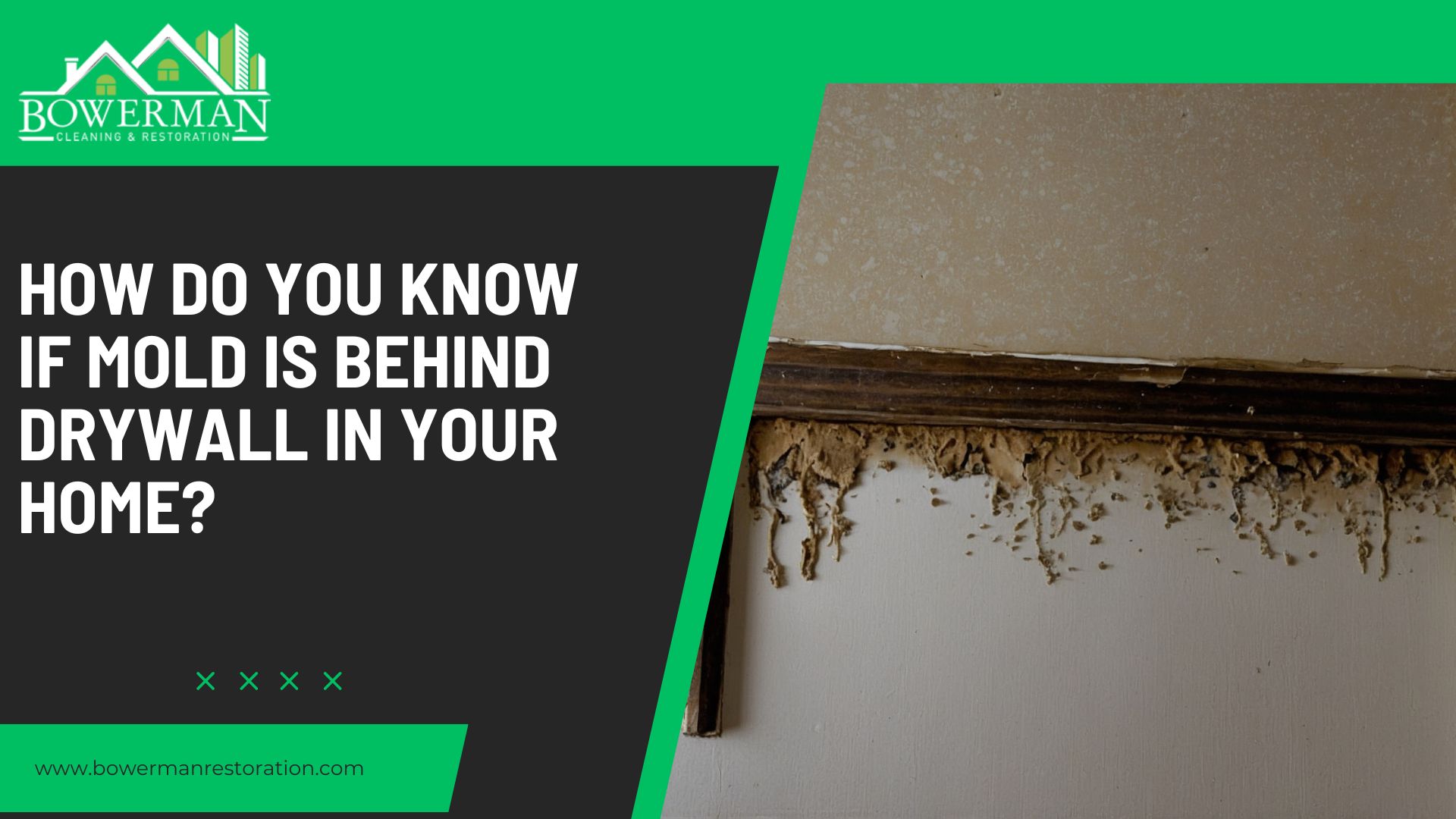
Start your inspection by examining wall surfaces for any signs of discoloration, including yellow, brown, or dark stains that may indicate water damage or mold growth. Pay particular attention to areas where different materials meet, such as where walls connect to floors, ceilings, or windows, as these junctions are common entry points for moisture. Look for any changes in paint or wallpaper appearance, including peeling, bubbling, cracking, or areas where the finish appears to be lifting away from the wall surface.
Warping or bulging in drywall is another significant indicator of moisture problems that could lead to mold growth. Run your hands along wall surfaces to feel for any irregularities, soft spots, or areas that feel different from the surrounding wall. These tactile inspections can reveal problems that may not be immediately visible to the naked eye. Additionally, check for any visible efflorescence, which appears as white, chalky deposits on wall surfaces and indicates moisture movement through building materials.
Focus your inspection efforts on high-risk areas where moisture problems are most likely to occur. These include bathrooms, kitchens, laundry rooms, basements, attics, and areas around windows and doors. Don’t forget to examine walls adjacent to plumbing fixtures, water heaters, and HVAC equipment, as these locations are prone to leaks and condensation issues. Use a flashlight to illuminate dark corners and areas with poor lighting, as subtle discoloration may be difficult to detect under normal lighting conditions.
Document your findings with photographs and notes, creating a record that can help you track changes over time and provide valuable information to professionals if further investigation becomes necessary. Regular visual inspections, conducted monthly or quarterly, can help you catch problems early and prevent minor issues from developing into major mold infestations.
Using Moisture Detection Tools and Methods
Moisture detection is crucial for identifying potential mold growth behind drywall, as mold cannot survive without adequate moisture levels. Professional-grade and consumer-level moisture detection tools can help you identify problem areas that may not show visible signs of water damage but still harbor conditions conducive to mold growth. Understanding how to properly use these tools and interpret their readings is essential for effective mold detection.
Moisture meters are the most common and effective tools for detecting elevated moisture levels in building materials. Pin-type moisture meters use metal probes that penetrate the surface to measure moisture content directly within the material, while pinless meters use electromagnetic sensors to detect moisture without damaging the surface. For drywall inspection, pinless meters are often preferred as they don’t create holes that could allow moisture entry or require repair.
When using moisture meters, take readings at multiple points across wall surfaces, paying special attention to areas near potential moisture sources like plumbing, windows, and exterior walls. Normal moisture content in drywall should typically be below 1%, with readings above 2-3% indicating potential problems that warrant further investigation. Compare readings from suspected problem areas with readings from known dry areas of the same wall to establish baseline moisture levels for your specific environment.
Thermal imaging cameras or infrared thermometers can also help identify moisture problems by detecting temperature variations that may indicate wet areas behind walls. Moist materials typically appear cooler than surrounding dry areas because water absorbs and retains heat differently than dry building materials. While professional thermal imaging equipment can be expensive, smartphone attachments and rental options make this technology more accessible to homeowners.
Relative humidity measurements can provide valuable context for moisture detection efforts. Use digital hygrometers to monitor humidity levels in different rooms, with readings consistently above 60% indicating conditions that may promote mold growth. Combine humidity monitoring with moisture meter readings to develop a comprehensive understanding of moisture conditions throughout your home. Remember that seasonal variations and weather conditions can significantly impact moisture levels, so take multiple readings over time to establish patterns and identify persistent problem areas.
Recognizing Odor and Air Quality Indicators
Distinctive odors often provide the first indication of mold growth behind drywall, even when visual signs are not yet apparent. Mold produces volatile organic compounds (VOCs) as part of its metabolic processes, creating characteristic musty, earthy, or sour smells that can permeate living spaces. Learning to recognize these odor signatures and understanding their implications can help you identify hidden mold problems before they become visible or cause significant structural damage.
The typical mold odor is often described as musty, similar to the smell of old books, wet cardboard, or damp basements. However, different mold species can produce varying odor profiles, ranging from sweet and fruity to sharp and acrid. Some homeowners report smells reminiscent of wet socks, rotting wood, or even cat urine. The intensity of these odors often correlates with the extent of mold growth, with stronger smells typically indicating larger or more established colonies.
Pay attention to odor patterns and timing, as mold-related smells often become more pronounced during certain conditions. High humidity, temperature changes, or increased air circulation can intensify mold odors by releasing more VOCs into the air. Notice if smells are stronger in specific rooms, near particular walls, or during certain times of day. Persistent odors that don’t respond to normal cleaning efforts or air fresheners may indicate hidden mold growth that requires professional investigation.
Air quality changes can also signal mold problems, particularly for individuals sensitive to allergens or those with respiratory conditions. Monitor for increases in allergy symptoms, respiratory irritation, or unexplained health issues that seem to correlate with time spent in specific areas of your home. Keep a log of symptoms and their timing to help identify patterns that might indicate mold exposure. While health symptoms alone cannot confirm mold presence, they can provide valuable clues when combined with other detection methods.
Consider using air quality monitors that can detect VOCs and other airborne contaminants associated with mold growth. These devices can provide objective measurements of air quality changes and help identify problem areas that warrant further investigation. Some monitors can even differentiate between different types of VOCs, potentially helping to distinguish mold-related compounds from other household odor sources. Remember that cooking, cleaning products, and other household activities can also affect air quality readings, so establish baseline measurements during normal conditions for comparison purposes.
Professional Inspection and Testing Options
While homeowner detection methods can identify many potential mold problems, professional inspection and testing provide the most comprehensive and accurate assessment of mold conditions behind drywall. Certified mold inspectors have specialized equipment, training, and experience that enable them to detect hidden mold growth that might be missed by conventional inspection methods. Understanding when to seek professional help and what to expect from professional services can help you make informed decisions about mold detection and remediation.
Professional mold inspectors typically begin with a comprehensive visual assessment, examining all accessible areas of your home for signs of moisture problems, mold growth, or conditions conducive to mold development. They use advanced moisture detection equipment, including high-end thermal imaging cameras, deep-penetrating moisture meters, and humidity monitoring devices to identify problem areas that may not be apparent during casual inspection. This equipment can detect moisture and temperature variations through wall surfaces, providing insights into conditions behind drywall without requiring destructive testing.
Air sampling is a key component of professional mold testing, involving the collection of airborne mold spores for laboratory analysis. Indoor air samples are compared with outdoor control samples to determine if elevated mold levels exist within your home. Different sampling methods, including spore trap sampling and culturable sampling, can provide varying types of information about mold species present and their concentrations. These tests can detect mold presence even when growth is hidden behind walls or in other inaccessible areas.
Surface sampling may be conducted when visible mold-like growth is present or when specific areas are suspected of harboring mold colonies. Inspectors may use tape sampling, swab sampling, or bulk sampling techniques to collect material for laboratory analysis. In some cases, small exploratory holes may be drilled in walls to allow direct sampling of air or materials from within wall cavities, providing definitive information about mold presence behind drywall.
Professional inspection reports typically include detailed findings, laboratory results, moisture readings, photographic documentation, and recommendations for remediation if mold is detected. These reports can be valuable for insurance claims, real estate transactions, or planning remediation efforts. When choosing a professional inspector, look for certifications from recognized organizations, experience with your specific type of property, and clear communication about testing methods and limitations. Bowerman recommends working with certified professionals who can provide comprehensive assessments and clear guidance on next steps if mold problems are identified.
Frequently Asked Questions
How long does it take for mold to grow behind drywall after water damage?
Mold can begin growing behind drywall within 24-48 hours of moisture exposure under favorable conditions. Visible colonies may develop within a week, while extensive growth that causes structural damage typically occurs over several weeks to months if moisture conditions persist.
Can mold behind drywall make you sick even if you can’t see it?
Yes, hidden mold can cause health problems through airborne spores and volatile organic compounds that penetrate through wall materials. Symptoms may include respiratory irritation, allergic reactions, headaches, and fatigue, even when mold growth is not visible.
What does mold behind drywall smell like?
Mold behind drywall typically produces a musty, earthy odor similar to wet cardboard, old books, or damp basements. Some species may create sweet, sour, or acrid smells. The odor often becomes stronger during humid conditions or when air circulation increases.
Should I cut into drywall to check for mold?
Cutting into drywall should generally be left to professionals, as improper techniques can spread mold spores or cause unnecessary damage. If you suspect mold, try non-invasive detection methods first, and consult with a certified mold inspector before making exploratory cuts.
How accurate are home mold test kits for detecting mold behind walls?
Home mold test kits have limited effectiveness for detecting mold behind drywall, as they primarily test surface areas or general air quality. Professional testing with specialized equipment provides more accurate results for hidden mold detection.
What moisture level in drywall indicates a mold problem?
Drywall moisture content above 1-2% may indicate conditions conducive to mold growth, while readings above 3% suggest significant moisture problems requiring immediate attention. However, optimal moisture levels can vary based on environmental conditions and building materials.
Can thermal imaging detect mold behind drywall?
Thermal imaging cannot directly detect mold but can identify moisture patterns and temperature variations that may indicate conditions favorable for mold growth. Wet areas typically appear cooler than surrounding dry materials, helping identify potential problem zones.
How much does professional mold inspection cost?
Professional mold inspection costs typically range from $300-$800 for residential properties, depending on home size, testing complexity, and geographic location. Additional laboratory testing may cost $100-$300 per sample, while comprehensive testing with multiple samples can reach $1,000 or more.
Conclusion
Detecting mold behind drywall requires a systematic approach combining visual inspection, moisture detection, odor assessment, and professional evaluation when necessary. Early identification of hidden mold problems can prevent extensive structural damage, reduce health risks, and minimize remediation costs. By understanding the warning signs and employing appropriate detection methods, homeowners can protect their properties and families from the serious consequences of undetected mold growth.
Remember that mold detection is often more art than science, requiring careful observation, patience, and sometimes professional expertise to identify problems before they become major issues. Regular monitoring of high-risk areas, prompt attention to moisture problems, and proactive maintenance can significantly reduce the likelihood of developing hidden mold problems. When in doubt, consulting with certified professionals can provide peace of mind and ensure that potential problems are properly identified and addressed.
The investment in proper mold detection, whether through DIY methods or professional services, is minimal compared to the potential costs of extensive mold remediation, structural repairs, or health-related expenses. Stay vigilant, trust your instincts when something seems wrong, and don’t hesitate to seek professional help when dealing with suspected mold problems behind your drywall.