

You are standing in your hallway, watching a team of technicians haul industrial fans into your home. The water is gone—mostly—but the hum of the equipment is deafening. You have work tomorrow, kids to get to school, and a life to get back to. Naturally, the first question on your mind is: “When will this be done?”
If you search online, you will see a generic answer of “three to five days.” But you don’t live in a generic location. You live in Stamford, Connecticut, a city with a unique microclimate defined by the Long Island Sound and a housing stock that ranges from 19th-century Victorians to modern downtown high-rises. These local factors heavily influence the drying process.
Understanding how long does water mitigation take in stamford ct requires looking beyond the textbook averages. The reality is that drying a basement in North Stamford during a dry winter is vastly different from drying a Shippan Point home during a humid July. This guide cuts through the estimates to give you a realistic timeline, explaining exactly why your specific situation might take longer than the “standard” quote and how professional intervention actually speeds up the clock.
Key Takeaways
- The Baseline: Standard water mitigation typically takes 3 to 5 days, but this is a starting point, not a guarantee.
- Coastal Humidity: Stamford’s proximity to the Sound creates high ambient humidity, often requiring more aggressive dehumidification than inland areas.
- Material Density: Historic homes with plaster walls and hardwood floors take significantly longer to release moisture than modern drywall.
- The “Dry Standard”: The job isn’t done when it feels dry; it’s done when moisture meters prove the structure has returned to its pre-loss equilibrium.
- Separation of Phases: Mitigation (drying) is fast; restoration (rebuilding) is slower. Confusing the two often leads to frustration with timelines.
Overview
Water mitigation is the sprint; restoration is the marathon. For homeowners in Fairfield County, how long does water mitigation take in stamford ct is usually answered with a timeline of 3 to 5 days for the drying phase. This phase involves emergency water extraction, demolition of unsalvageable materials, and the strategic use of air movers and dehumidifiers. However, this timeline is fluid. Factors such as the “Class” of water (how much is present), the “Category” of water (clean vs. sewage), and the specific materials affected play a massive role.
For instance, a clean water pipe burst affecting carpet in a modern apartment might be dry in 72 hours. Conversely, a storm surge affecting the plaster walls of a historic home could require 7 to 10 days of specialized desiccant drying. This guide breaks down these variables so you can plan your life accordingly while we work to save your home.
The Standard 3-5 Day Rule (and Why It Varies)
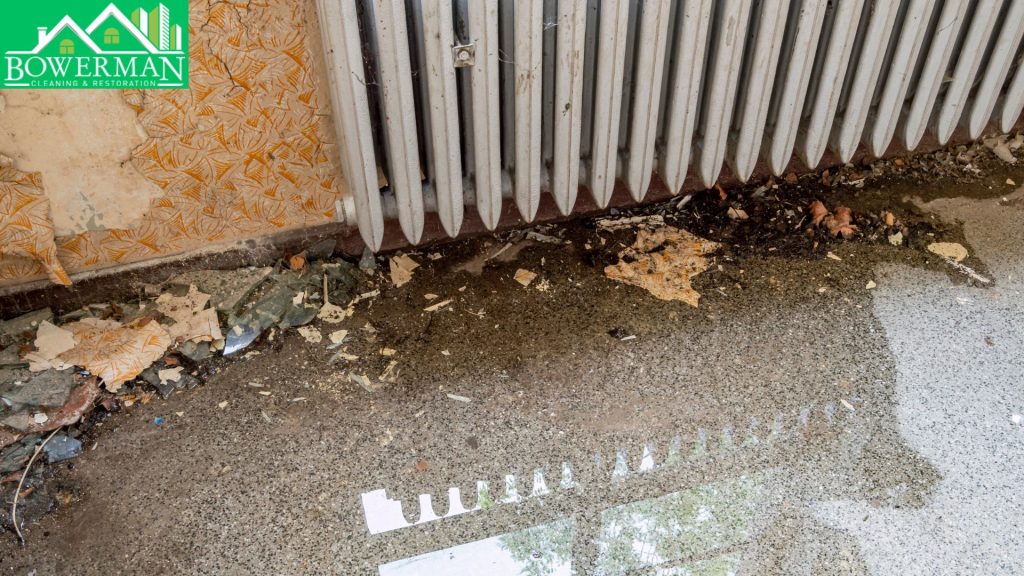
In the restoration industry, we plan for a three-day drying cycle for most standard losses. This assumes “Class 1” or “Class 2” water damage—meaning the water has affected part of a room or an entire room of carpet and cushion, but hasn’t deeply saturated the structural framing.
The Daily Breakdown
- Day 1: Extraction and Setup. We remove standing water and install equipment. This is the most disruptive day.
- Day 2: Peak Evaporation. The equipment is pulling moisture from the surface materials. You might notice the air feels warm and dry.
- Day 3: Deep Drying. We target “bound water” trapped inside wood and drywall.
- Day 4-5: Final Verification. If materials are dense (like hardwood), we continue until meters confirm they are dry.
If you are dealing with a simple leak in a modern home, this timeline is accurate. However, Stamford has variables that often stretch this window.
The “Coastal Factor”: Humidity and Salinity
Stamford isn’t just a city; it’s a coastal community. Proximity to the Long Island Sound affects Water Damage Restoration in Stamford CT in ways that inland guidelines don’t account for.
The Humidity Challenge
Drying works by creating a “vapor pressure differential.” We make the air inside your house drier than the materials, so the moisture moves from the wet wall to the dry air. In coastal summers, the outside air is already saturated with moisture. If you open a window, you are often letting more water in. We have to use powerful LGR (Low Grain Refrigerant) dehumidifiers to fight this ambient humidity, sometimes extending the drying time by 24-48 hours.
The Salt Factor
If your flooding came from a storm surge, you are dealing with salt water. Salt is hygroscopic—it attracts and holds water. Building materials contaminated with salt are incredibly difficult to dry because the salt constantly pulls moisture from the air. In these cases, we often have to wash the structure with fresh water or apply chemical neutralizers before drying can even begin, adding time to the project.
Material Matters: Plaster vs. Drywall in Historic Stamford
Are you in a new condo in Harbor Point or a historic colonial in Springdale? The age of your home dictates the drying speed.
Modern Drywall (Fast)
Standard gypsum drywall is porous. It gives up its water easily. In many modern builds, we can dry walls in 3 days.
Historic Plaster (Slow)
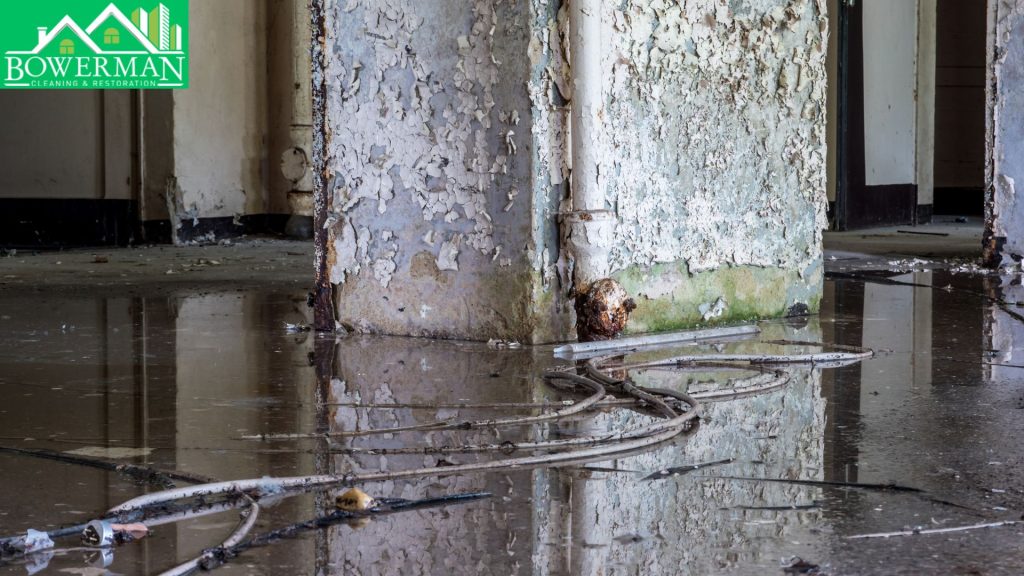
Many older Stamford homes feature lath and plaster walls. Plaster is dense, heavy, and layered. It traps moisture deep within the keys that hold it to the wall. Drying plaster without causing it to crack or separate requires a slower, more controlled approach. Rushing this process with too much heat can destroy the wall. If you own a historic home, expect the answer to how long does water mitigation take in stamford ct to be closer to 5-7 days.
Class of Water: Clean vs. Floodwater
The source of the water changes the game entirely. We classify water into three categories, and moving from one to the next adds significant time.
- Category 1 (Clean): A burst supply pipe. We can dry everything in place. Fastest timeline.
- Category 2 (Grey): Washing machine overflow. We must clean and sanitize carpet pads, often requiring removal. Adds roughly 1 day.
- Category 3 (Black): Sewage or outside floodwater. This is a biohazard. We cannot save porous materials. We must perform “muck out,” pressure washing, and disinfection before we even turn on a fan. This “sanitization phase” can add 2-3 days to the front end of the project.
Mitigation vs. Restoration: Understanding the Gap
It is vital to distinguish between the two phases to avoid frustration.
- Mitigation (3-7 Days): This is the emergency phase. We stop the damage, remove the water, and dry the structure.
- Restoration (Weeks): This is the rebuild. New drywall, painting, flooring installation.
When we talk about timelines, we are strictly discussing the mitigation phase. The restoration phase depends on material availability (like ordering matching cabinets) and insurance approval. Using a unified team for Water Damage Restoration in Westchester and Stamford ensures a smoother transition, but the timelines remain distinct.
Insurance Delays: Fact vs. Fiction
Does waiting for an adjuster slow us down? Generally, no. Most insurance policies require you to take immediate action to prevent further damage. This means you do not need permission to start emergency extraction.
However, if the damage is extensive, the adjuster may need to visit the site to approve the scope of reconstruction. While this doesn’t stop the drying (mitigation), it can delay the start of the repairs (restoration). We help speed this up by providing digital drying logs and thermal imaging reports directly to your carrier.
The Danger of “Checking It Yourself”
We often see homeowners turning off equipment at night because of the noise. This is the single biggest cause of delays.
When you turn off the dehumidifier, the drying process doesn’t just pause; it reverses. Moisture deep in the studs migrates back to the surface. Turning off equipment for 8 hours can add 24 hours to the total project time. To keep the timeline short, let the machines run.
When to Call for Help
If you are seeing water, the clock is ticking. The longer water sits, the deeper it soaks, and the longer the mitigation will eventually take.
Bowerman Cleaning & Restoration
Stamford Location: 6 Landmark Square 4th Floor, Stamford, CT, 06901, United States Phone: +1 844 269 3762
We are ready to respond 24/7 to minimize the disruption to your life. We offer:
- 24/7 Service: Immediate response prevents secondary damage.
- Free Inspections: We establish the timeline before we start.
- 50+ Years Experience: We know Stamford’s unique coastal challenges.
- Family Owned / Operated: A personal commitment to your recovery.
- Eco-Friendly Products: Safe for pets and children.
- Locals / Local Expertise: We understand the difference between High Ridge and the Cove.
- Certified Excellence: IICRC certified and licensed in mold remediation.
- Home Improvement License: We handle the rebuild so you have one point of contact.
- Proven Track Record: See our Google reviews for peace of mind.
Common Questions About how long does water mitigation take in stamford ct
Q: Can I speed up the drying process?
A: The best way to speed it up is to call us immediately. Waiting even 12 hours allows water to soak deeper into materials. Once we are there, keep windows closed and equipment running 24/7. We use advanced heat drying systems for difficult jobs, which is the fastest method available.
Q: What happens if it rains while you are drying?
A: In Stamford, this is common. We create a “closed drying system.” We seal off the affected area from the outside air and rely entirely on our LGR dehumidifiers to manage the internal climate, ensuring progress continues regardless of the weather.
Q: Will my hardwood floors be saved?
A: If we start within 24 hours, we have a high success rate using specialized mat drying systems. However, drying hardwood is slow. It can take 7 to 10 days to pull moisture out of dense oak or maple without warping it.
Q: Does the size of the house affect the timeline?
A: Not necessarily the timeline, but the equipment count. A larger flood requires more fans and dehumidifiers to dry in the same 3-5 day window. However, a multi-story flood takes longer simply due to the logistics of managing multiple drying chambers.
Q: Can I stay in my home during the process?
A: Yes, unless the water is contaminated (sewage) or the damage is in the only bathroom/kitchen. It will be noisy and warm, but most homeowners choose to stay.
Q: Do I need restoration if mitigation works perfectly?
A: Sometimes, no! If it was a clean water loss and we dried it quickly using specialized injection systems, we might save the drywall and carpet without any demolition. This is the “best case” scenario and highlights why understanding what is water mitigation is crucial—it’s about saving, not just fixing.
Q: Why do you come back every day?
A: We need to monitor the “drying curve.” We take daily moisture readings to ensure the materials are drying at the correct rate. If they stall, we adjust the equipment. This data is also required by your insurance company to pay the claim.
Q: Is mold remediation part of the timeline?
A: If we find mold, the project changes. We must switch to mold remediation protocols, which involves containment and air scrubbing. This typically adds 3-5 days to the project before standard drying or restoration can proceed.
Conclusion: Trust the Process, Not the Clock
While the average answer to how long does water mitigation take in stamford ct is 3 to 5 days, your home is unique. Coastal humidity, historic materials, and the severity of the flood all play a part. The goal isn’t just to be fast; it’s to be thorough. Stopping too soon guarantees mold growth later.
Trust a local team that uses data, not guesswork, to determine when your home is safe.
Contact Bowerman Cleaning & Restoration Today for Your Free Inspection
Author & Process: This guide is based on IICRC S500 Standards and tailored specifically for the climate and construction types found in Stamford and Fairfield County. It emphasizes accurate moisture monitoring over generic time estimates to ensure long-term structural safety. For insights on dealing with historic properties, refer to our guide on water mitigation in Nyack.