
It’s a familiar scene for White Plains homeowners: The temperature drops to single digits in January, and suddenly, a pipe in your attic or crawlspace freezes. When it thaws, you are left with a deluge of water cascading through your ceiling. As you stand in the freezing cold, watching your breath mist in the air, your first question is likely: “How long is this going to take to fix?”
While standard drying times are well-documented, the extreme cold of a Westchester winter introduces unique variables. Does freezing air dry faster? Does the heating system help? Or do ice dams and frozen leaks prolong the process?
Understanding how long does water mitigation take in white plains ny, especially during the winter months, requires looking at the science of “psychrometry”—the interaction of air, humidity, and temperature. While cold air is naturally drier, it also lacks the energy to evaporate water effectively. This guide will navigate the specific challenges of winter water damage in neighborhoods like Battle Hill and Gedney Farms, explaining why the timeline might differ from a summer storm and how professional heat drying is the game-changer you need.
Key Takeaways
- Standard vs. Winter: While the standard timeline is 3-5 days, extreme cold can extend this if the structure cannot be heated properly.
- The Energy Factor: Cold air is dry, but water needs heat to evaporate. Professionals must inject thermal energy to speed up the process.
- Frozen Pipe Risks: Burst pipes often affect upper floors and insulation, requiring extensive demolition that adds 1-2 days to the project.
- Ice Dams: Exterior ice buildup can cause continuous leaking, meaning mitigation cannot finish until the roof issue is resolved.
- The “Heat Drying” Solution: Using specialized heaters allows us to dry a freezing home as fast as a warm one.
Overview
For most water loss scenarios, the answer to how long does water mitigation take in white plains ny is 3 to 5 days. This covers the emergency extraction, the demolition of wet drywall/insulation, and the drying of the structure. However, winter weather adds a layer of complexity. If your furnace is out (common in flooded basements) or if the windows are drafty, the low indoor temperature slows down evaporation significantly.
In White Plains, where we have a mix of historic homes with older insulation and modern builds, the timeline depends heavily on our ability to control the indoor climate. A 40-degree basement will take weeks to dry naturally; a heated, dehumidified basement takes days. This article explains how we manipulate these variables to get you back to normal fast, regardless of the temperature outside.
The Standard Timeline: 3 to 5 Days (The Baseline)
Before we factor in the frost, it is important to understand the baseline process. Professional mitigation follows a strict protocol found in our guide to What is Water Damage Restoration?.
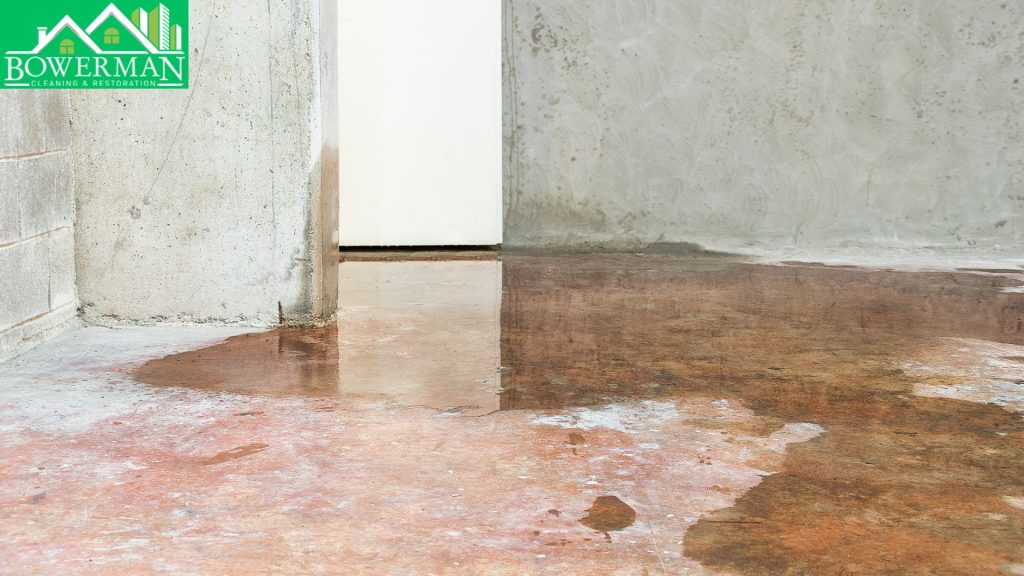
- Day 1 (Emergency): We extract standing water, remove wet carpet pads, and cut out saturated drywall. Equipment is placed.
- Day 2 (Stabilization): We monitor moisture readings. You should see a significant drop in surface moisture.
- Day 3 (Target Drying): We adjust equipment to target “bound water” in wood studs and subfloors.
- Day 4-5 (Completion): Final verification. If the materials meet the “dry standard,” we remove the equipment.
This is the goal. Now, let’s look at how a Westchester winter tries to disrupt it.
Factor 1: The Physics of Cold Air
You might have heard that “winter air is dry,” so you assume opening a window will help dry your home. While it is true that cold air holds less moisture, it is also true that water needs energy to change from liquid to gas.
If your home is 40°F because a pipe burst and killed the boiler, the water molecules in your wet carpet are “sluggish.” They do not want to evaporate. Even if we put big fans on them, they will dry very slowly.
To answer how long does water mitigation take in white plains ny in winter:
- Without Heat: 7 to 14 days.
- With Professional Heat Drying: 3 to 5 days.
We bring in portable electric furnaces or hydronic heating systems to raise the temperature of the wet materials. This excites the water molecules, forcing them into the air where our dehumidifiers can capture them.
Factor 2: Frozen Pipes & Insulation
Winter water damage is rarely just “water on the floor.” It is usually a burst pipe, often located in an attic, exterior wall, or ceiling. This changes the scope of work.
The Insulation Sponge
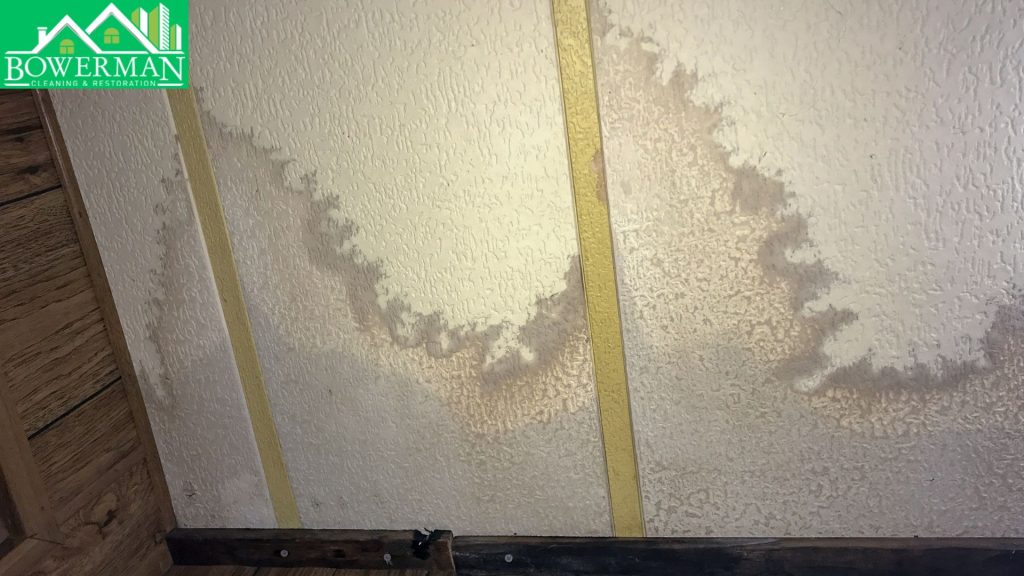
When a pipe bursts in an attic, the water soaks into the insulation (fiberglass or cellulose) before it hits your ceiling. Wet insulation cannot be dried; it must be removed.
- Demolition Time: Removing wet heavy insulation from a crawlspace is labor-intensive. This often adds 1 full day to the start of the project.
- Hidden Moisture: Water travels down the studs inside the wall. We have to use thermal imaging cameras to track it. If we miss a spot, the cold exterior wall will condense that moisture, leading to mold within 48 hours.
Factor 3: Older Homes in White Plains
Neighborhoods like The Highlands or North Broadway are filled with beautiful, older homes. However, these homes present unique winter challenges.
Plaster & Lath
As detailed in our Asbestos Removal & Abatement guide, older homes often contain materials that require testing before we can cut them. If we suspect asbestos in the pipe wrap or plaster, we must pause for testing (usually 24 hours). This safety step is non-negotiable but can extend the start of aggressive drying.
Poor Insulation
In older homes with drafty windows or uninsulated basements, keeping the heat in is a challenge. We often have to build containment chambers—plastic “tents”—around the wet area to concentrate the heat and dehumidification. This actually speeds up the drying process compared to trying to heat the whole drafty house.
Factor 4: Ice Dams and Roof Leaks
Sometimes the water isn’t from a pipe; it’s from an ice dam on the roof. This is a continuous source of water.
- The Delay: We cannot dry the structure until the water stops coming in. If the roof is covered in ice, we may have to perform temporary mitigation (containment) until a roofer can clear the dam.
- The Timeline Impact: In these cases, the answer to how long does water mitigation take in white plains ny is “until the roof is fixed plus 3 days.”
Mitigation vs. Restoration: A Winter Distinction
It is vital to separate the drying from the repairing.
- Mitigation (Drying): We can usually dry a structure even in freezing weather by creating a micro-climate.
- Restoration (Rebuilding): This can be delayed by winter. Installing drywall or painting requires the home to be consistently warm (usually above 55°F). If your heating system was damaged by the flood, restoration cannot begin until the HVAC is fixed.
For a broader look at how we handle complex rebuilds, see our Water Damage Restoration in Fairfield County page, which details scenarios similar to what we face in Westchester.
Why DIY Fails in Winter
We see it every year: A homeowner puts a shop vac and a window fan in a freezing basement hoping it will dry.
- The Result: The water freezes or stays liquid. Mold grows on the cold, damp surfaces. The pipe that burst freezes again because the window was left open.
- The Pro Difference: We use “closed drying systems.” We shut the windows, seal the room, and use LGR dehumidifiers that are specifically rated to work in cooler temperatures. If the temp is below 60°F, standard dehumidifiers freeze up and stop working. Ours don’t.
Mold Growth in Winter? Yes.
Do not assume mold sleeps in winter. While it grows slower in cold air, the interior of your wet wall is likely warm enough to support growth. Plus, the difference in temperature between the cold outdoors and the warm indoors causes condensation—free water—that feeds mold. For more on this risk, read our guide on Mold Remediation in Westchester.
How We Speed Up the Process
At Bowerman Cleaning & Restoration, we don’t let the weather dictate the timeline.
- Immediate Extraction: We remove the bulk water before it can freeze.
- Thermal Energy: We inject heat into the materials, not just the air.
- Remote Monitoring: We can track drying progress without constantly opening doors and letting heat escape.
When to Call Us
If you have a pipe burst or an ice dam leak, waiting for a “warmer day” is a mistake. The water is damaging your home right now.
Bowerman Cleaning & Restoration
White Plains Location: 7 Intervale Street, White Plains, NY, 10606, United States Phone: +1 844 269 3762
We are your local winter warriors. We offer:
- 24/7 Service: We answer at 2 AM in a blizzard.
- Free Inspections: We assess the damage and the thermal challenges immediately.
- 50+ Years Experience: We know how White Plains homes handle the cold.
- Family Owned / Operated: A personal commitment to your safety.
- Eco-Friendly Products: Safe, non-toxic antimicrobials.
- Locals / Local Expertise: We understand the local plumbing and insulation standards.
- IICRC Certified: Experts in Water Damage Restoration.
- Home Improvement License: We can insulate and rebuild after the drying is done.
- Proven Track Record: Our reviews prove we deliver, even in the worst weather.
Common Questions About how long does water mitigation take in white plains ny
Q: Will the cold weather make the drying take longer?
A: Only if you rely on natural drying. With professional heat drying equipment, we can achieve standard drying times (3-5 days) regardless of the outdoor temperature.
Q: What if my furnace is broken from the water damage?
A: We bring our own heat. We use portable electric heaters or indirect fired furnaces to heat the drying zone. This is essential for the process to work.
Q: Can you dry wet insulation?
A: generally, no. Fiberglass and cellulose insulation lose their R-value (insulating power) when wet and are prone to mold. It is faster and safer to remove them, dry the wood structure, and install new insulation.
Q: Does my insurance cover frozen pipe bursts?
A: Typically, yes. “Sudden and accidental” discharge from a plumbing system is a standard covered peril. However, if you left the house unheated for a week, they might deny it for negligence. We can help you document the incident for your claim.
Q: What do I do while waiting for you to arrive?
A: If it is safe, turn off the main water valve. Do not turn up the heat to 90°F if there is standing water, as this creates a sauna that promotes mold. Keep the temperature moderate (65-70°F) if possible.
Q: Why is there a containment tent in my house?
A: To speed up drying. By shrinking the size of the room with plastic sheeting, our heaters and dehumidifiers work much faster and use less electricity.
Q: How do you handle ice dams?
A: We handle the interior mitigation. For the exterior ice dam removal, we can recommend qualified roofing partners in White Plains, or in some cases, use steam steamers to clear it safely.
Q: Is there a risk of asbestos in my older White Plains home?
A: Yes, especially in pipe insulation and floor tiles. We are certified in Fire Damage Restoration and hazardous material handling, so we know exactly how to test and manage these risks safely during a water loss.
Conclusion: Don’t Let Winter Win
A winter pipe burst is stressful, but it doesn’t have to be a weeks-long nightmare. By using the right equipment to manipulate temperature and humidity, we can keep the timeline to the standard 3 to 5 days in most cases.
Understanding how long does water mitigation take in white plains ny gives you the power to ask the right questions. If a contractor tells you “it will dry eventually,” call someone else. You need active, heat-based drying to protect your home from the freeze.
Contact Bowerman Cleaning & Restoration Today for Your Free Inspection
Author & Process: This guide relies on IICRC S500 Standards for water damage restoration, specifically addressing the challenges of psychrometry in cold weather environments. It integrates local knowledge of Westchester County housing stock to provide accurate, actionable advice.