

Mold growth behind drywall represents one of the most insidious threats to homes in Stamford, Connecticut, where the region’s humid climate and seasonal weather patterns create ideal conditions for fungal development. Unlike surface mold that’s immediately visible, hidden mold can flourish undetected for months or even years, silently compromising both structural integrity and indoor air quality. Understanding how to identify the subtle signs of concealed mold growth is crucial for Stamford homeowners who want to protect their property investment and their family’s health.
The challenge of detecting mold behind drywall lies in its hidden nature. By the time visible signs appear on wall surfaces, the mold colony has likely established itself extensively within the wall cavity. This delayed detection can result in significant remediation costs and potential health impacts for occupants. Connecticut’s climate, characterized by humid summers and temperature fluctuations throughout the year, creates moisture conditions that can penetrate building materials and create the perfect environment for mold growth behind seemingly pristine wall surfaces.
Stamford residents face unique challenges when it comes to mold detection due to the area’s proximity to Long Island Sound and the resulting higher humidity levels. Older homes in historic Stamford neighborhoods may have construction materials and techniques that are more susceptible to moisture infiltration, while newer constructions might experience mold issues due to inadequate ventilation or construction defects. Regardless of the home’s age, understanding the early warning signs of hidden mold can mean the difference between a manageable remediation project and extensive structural damage.
Professional mold assessment becomes particularly important in Stamford’s real estate market, where property values are significant and mold issues can substantially impact home values. Early detection through proper identification techniques allows homeowners to address problems before they escalate, preserving both the structural integrity of their homes and their financial investment. The key lies in knowing what signs to look for and when to seek professional evaluation.
Key Takeaways
- Musty odors are often the first indicator of mold behind drywall, particularly in areas with poor ventilation or previous water damage. These odors typically become more pronounced in humid conditions or when heating systems circulate air throughout the home.
- Visual discoloration and staining on drywall surfaces, including yellow, brown, or dark spots that appear without obvious cause, frequently indicate moisture problems and potential mold growth within wall cavities.
- Peeling or bubbling paint and wallpaper suggests moisture infiltration behind the wall surface, creating conditions conducive to mold development. This is especially common in bathrooms, kitchens, and basements in Stamford homes.
- Unexplained health symptoms among household members, including respiratory issues, allergic reactions, or persistent cold-like symptoms, may indicate exposure to airborne mold spores from hidden colonies.
- Moisture meter readings and thermal imaging can detect elevated moisture levels and temperature variations that suggest hidden mold growth, making professional assessment valuable for definitive identification.
- Previous water damage history significantly increases the likelihood of hidden mold, even if the visible damage was properly cleaned and dried at the time of the incident.
- Seasonal patterns in symptoms or odors often correlate with mold activity, as changes in humidity and temperature can affect mold growth rates and spore release.
- Professional inspection and testing provide the most reliable method for confirming hidden mold presence and determining the extent of contamination before beginning remediation efforts.
Understanding Hidden Mold Growth in Stamford Homes
Mold growth behind drywall occurs when moisture becomes trapped within wall cavities, creating an environment where mold spores can germinate and establish colonies. In Stamford’s climate, this process is accelerated by the region’s humidity levels, which can remain elevated for extended periods during summer months and create condensation issues during temperature transitions between seasons. The confined space behind drywall provides an ideal breeding ground, as it’s typically dark, undisturbed, and often contains organic materials like paper backing on drywall or wooden framing that serve as food sources for mold.
The most common causes of moisture infiltration in Stamford homes include plumbing leaks, roof leaks, foundation moisture issues, and inadequate ventilation in areas like bathrooms and kitchens. Coastal proximity means that homes may also experience moisture infiltration during storms or periods of high humidity. Once moisture penetrates the wall system, it can remain trapped for extended periods, especially if vapor barriers or insulation prevent proper drying. This creates a microenvironment where mold can thrive without detection.
Different types of mold prefer different moisture levels and organic materials, which means the species growing behind drywall may vary depending on the specific conditions present. Some molds produce more noticeable odors, while others may be virtually odorless but still pose health risks. Understanding that mold growth is a gradual process helps explain why early detection is so challenging – by the time obvious signs appear, the colony has likely been established for weeks or months.
The building materials commonly used in Stamford construction can either resist or promote mold growth. Drywall with paper backing provides an excellent food source for mold, while the gypsum core can retain moisture under certain conditions. Wooden framing members, insulation materials, and even dust accumulation within wall cavities can support mold growth when sufficient moisture is present. This is why comprehensive moisture control and proper ventilation are essential for preventing hidden mold issues.
Early Warning Signs and Detection Methods
The earliest indicator of mold behind drywall is often a persistent musty odor that seems to emanate from walls or specific areas of a room. This odor is caused by microbial volatile organic compounds (MVOCs) released by growing mold colonies. In Stamford homes, these odors may be more noticeable during humid weather or when heating systems begin operating in fall and winter, as temperature and humidity changes can increase mold activity and spore release. The odor may be subtle at first but typically becomes more pronounced over time as the mold colony expands.
Visual signs on drywall surfaces provide crucial clues about hidden mold growth. Discoloration appearing as yellow, brown, or dark stains often indicates moisture problems and potential mold activity behind the wall. These stains may appear gradually and can be mistaken for minor cosmetic issues. Paint or wallpaper that begins peeling, bubbling, or showing water damage signs without an obvious source suggests moisture infiltration from behind the wall surface. In some cases, small dark spots may appear along baseboards or in corners where moisture tends to accumulate.
Texture changes in drywall can also signal hidden moisture and mold issues. Walls that feel soft, spongy, or show slight bulging may indicate water damage and potential mold growth. Drywall that sounds hollow when tapped or shows cracks that appear without structural cause may have been compromised by moisture. These physical changes often occur gradually, making regular inspection of susceptible areas important for early detection.
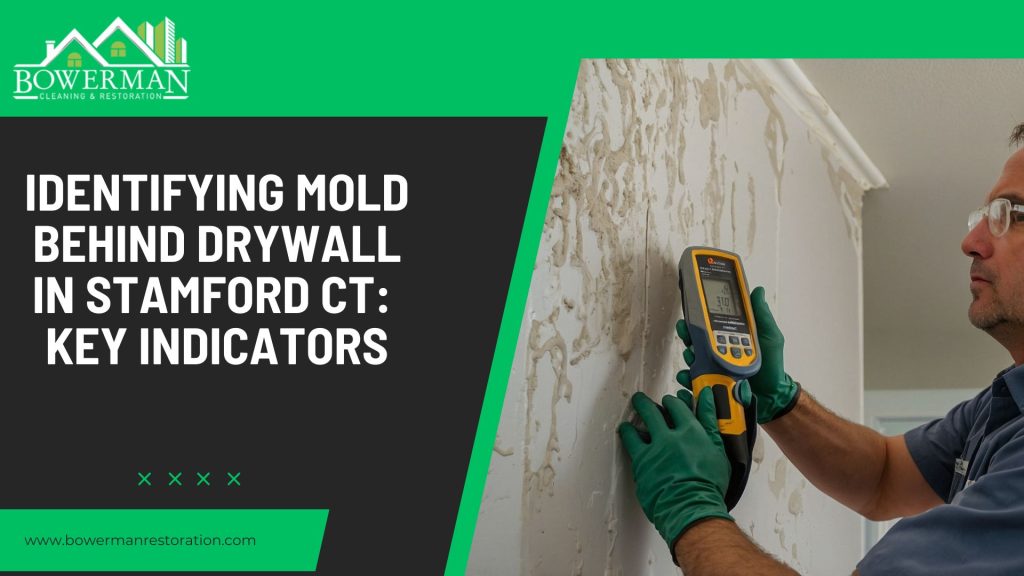
Professional detection methods provide more definitive identification of hidden mold. Moisture meters can detect elevated moisture levels within wall systems, while thermal imaging cameras can identify temperature variations that suggest moisture problems or air leaks. Air quality testing can detect elevated mold spore levels that may indicate hidden colonies, and surface sampling of suspicious areas can confirm mold presence. These professional tools are particularly valuable in Stamford homes where property values make accurate assessment crucial for decision-making.
Health Implications and Symptom Recognition
Exposure to mold spores from hidden colonies behind drywall can cause a range of health symptoms, particularly in sensitive individuals or those with existing respiratory conditions. In Stamford households, unexplained health issues that seem to worsen when spending time indoors may indicate mold exposure. Common symptoms include persistent coughing, sneezing, throat irritation, and nasal congestion that doesn’t respond to typical allergy or cold treatments. These symptoms often improve when individuals spend time away from the affected environment and return when they’re back in the home.
Respiratory symptoms can be particularly concerning for children, elderly family members, and individuals with asthma or other breathing conditions. Mold exposure may trigger asthma attacks, worsen existing respiratory conditions, or cause new sensitivities to develop. Some individuals may experience skin irritation, eye irritation, or headaches related to mold exposure. The challenge with hidden mold is that symptoms may develop gradually, making it difficult to connect health issues with indoor air quality problems.
Certain types of mold produce mycotoxins, which can cause more serious health effects with prolonged exposure. While not all molds produce these compounds, the potential for health impacts makes prompt identification and remediation important. Individuals with compromised immune systems may be particularly susceptible to mold-related health issues. The enclosed nature of hidden mold colonies can sometimes concentrate spore levels in indoor air, potentially increasing exposure risks.
Documenting health symptoms and their patterns can help identify potential mold exposure. Symptoms that worsen during humid weather, improve when away from home, or affect multiple family members may suggest indoor air quality issues. Keeping a symptom diary can help healthcare providers and mold professionals understand potential exposure patterns. Professional medical evaluation is recommended for persistent symptoms, especially respiratory issues that don’t respond to standard treatments.
Professional Assessment and Testing Procedures
Professional mold assessment provides the most reliable method for confirming hidden mold presence and determining the extent of contamination in Stamford homes. Qualified mold inspectors use specialized equipment and techniques to detect moisture problems and mold growth that isn’t visible to homeowners. The assessment process typically begins with a visual inspection of the property, focusing on areas where moisture problems are most likely to occur, such as bathrooms, kitchens, basements, and areas with previous water damage history.
Moisture detection equipment plays a crucial role in professional assessment. Moisture meters can measure moisture content in drywall and other building materials, identifying areas where levels exceed normal ranges. Thermal imaging cameras detect temperature variations that may indicate moisture problems, air leaks, or insulation issues that contribute to mold growth conditions. These tools allow inspectors to identify problem areas without immediately resorting to destructive testing methods.
Air quality testing can detect elevated mold spore levels in indoor environments, even when the source isn’t immediately visible. Different sampling methods include air sampling, surface sampling, and bulk sampling of materials suspected of harboring mold growth. Laboratory analysis identifies the types and concentrations of mold present, providing information crucial for determining appropriate remediation strategies. In some cases, comparison samples from outdoor air help establish whether indoor mold levels are elevated above normal background levels.
When visual inspection and non-invasive testing suggest hidden mold, limited exploratory investigation may be necessary. This might involve removing small sections of drywall in strategic locations to visually confirm mold presence and assess the extent of growth. Professional inspectors know how to conduct these investigations while minimizing disturbance to mold colonies and preventing spore release into living spaces. The information gathered through professional assessment guides remediation planning and helps estimate project scope and costs.
Prevention Strategies and Remediation Considerations
Preventing mold growth behind drywall requires comprehensive moisture control strategies tailored to Stamford’s climate conditions. Proper ventilation in bathrooms, kitchens, and other high-moisture areas helps prevent humidity buildup that can lead to condensation within wall systems. Exhaust fans should be properly sized for the space and vented to the exterior, not into attic spaces where moisture can cause other problems. Regular maintenance of HVAC systems ensures proper humidity control throughout the home.
Prompt attention to water damage incidents is crucial for preventing mold establishment. Any water intrusion, whether from plumbing leaks, roof leaks, or flooding, should be addressed immediately with proper drying and dehumidification. Building materials that cannot be thoroughly dried within 24-48 hours may need replacement to prevent mold growth. This is particularly important in Stamford’s humid climate, where natural drying may be insufficient during certain seasons.
Regular inspection and maintenance help identify potential moisture problems before they lead to mold growth. Checking for signs of water damage, monitoring indoor humidity levels, and addressing minor maintenance issues promptly can prevent larger problems. Homeowners should be particularly vigilant about areas where moisture problems commonly occur, including around windows, in basements, and near plumbing fixtures.
When hidden mold is confirmed, professional remediation is typically necessary to safely remove contaminated materials and address the underlying moisture problem. Bowerman specializes in comprehensive mold remediation services for Stamford residents, using industry-standard protocols to safely remove mold contamination while preventing cross-contamination to unaffected areas. Proper remediation includes not only removing mold-contaminated materials but also addressing the moisture source that allowed mold growth to occur, ensuring that problems don’t recur after remediation is complete.
Frequently Asked Questions
How long does it take for mold to grow behind drywall after water damage? Mold can begin growing within 24-48 hours after water damage occurs, but significant colonies that produce noticeable signs may take several weeks to months to develop, depending on moisture levels and environmental conditions.
Can I test for mold behind drywall myself? While home mold test kits are available, they have limitations in detecting hidden mold. Professional assessment with specialized equipment provides more accurate results and can identify moisture problems that contribute to mold growth.
What should I do if I suspect mold behind my drywall? Contact a qualified mold inspection professional to assess the situation. Avoid disturbing suspected mold areas, as this can release spores into the air and spread contamination.
Is it safe to live in a home with mold behind the drywall? The safety depends on the extent of mold growth and individual sensitivity levels. Some people may experience health symptoms from mold exposure, so professional assessment and appropriate remediation are recommended.
How much does professional mold testing cost in Stamford? Costs vary depending on the size of the home and extent of testing required, but professional mold inspection typically ranges from several hundred to over a thousand dollars, which is often worthwhile given Stamford property values.
Will homeowner’s insurance cover mold remediation? Coverage varies by policy and the cause of the mold growth. Sudden water damage may be covered, while gradual moisture problems or maintenance-related issues often aren’t covered.
Can mold behind drywall spread to other areas of the home? Yes, mold spores can become airborne and spread through HVAC systems or natural air movement, potentially establishing new colonies in other suitable locations.
How can I prevent mold from growing behind drywall in the future? Maintain proper ventilation, control indoor humidity levels, address water damage promptly, and conduct regular inspections for signs of moisture problems or early mold growth.
Conclusion
Identifying mold behind drywall in Stamford homes requires vigilance, knowledge of warning signs, and often professional expertise to confirm suspicions and assess the extent of problems. The combination of Connecticut’s humid climate and the hidden nature of mold growth behind wall surfaces makes early detection challenging but critically important for protecting both property values and occupant health. Homeowners who understand the subtle signs of hidden mold – from persistent musty odors to unexplained health symptoms – are better positioned to address problems before they become extensive and costly.
The investment in professional mold assessment and testing often proves worthwhile, particularly in Stamford’s competitive real estate market where mold issues can significantly impact property values. Early detection and proper remediation not only protect the structural integrity of homes but also ensure healthy indoor environments for families. The key to successful mold management lies in understanding that prevention through moisture control is always preferable to remediation after mold establishment.
For Stamford residents dealing with suspected hidden mold issues, working with experienced professionals like Bowerman ensures that problems are properly identified, safely remediated, and prevented from recurring. The combination of local expertise, proper equipment, and industry-standard protocols provides the best outcome for protecting both homes and health from the challenges of hidden mold growth.