Discovering mold behind drywall can be one of the most challenging aspects of maintaining a healthy home environment in White Plains, NY. Unlike surface mold that’s immediately visible, hidden mold growth presents unique detection challenges that require homeowners to become vigilant observers of subtle warning signs. The humid climate conditions in Westchester County, combined with the region’s seasonal temperature fluctuations, create an environment where moisture can easily accumulate within wall cavities, providing the perfect breeding ground for various mold species.
Understanding how to identify potential mold growth behind drywall is crucial for White Plains residents, as this hidden contamination can significantly impact indoor air quality and pose serious health risks to occupants. Mold spores can circulate through HVAC systems, affecting every room in your home even when the source remains concealed behind walls. The challenge lies in recognizing the early warning signs before the problem escalates into a major remediation project that could cost thousands of dollars and require extensive reconstruction.
Professional mold detection behind drywall involves understanding the relationship between moisture intrusion, building materials, and environmental conditions specific to the White Plains area. Homes in this region face unique challenges including basement moisture issues, roof leaks from heavy snowfall, and humidity problems during the summer months. Each of these factors can contribute to hidden mold growth that develops silently behind drywall surfaces.
The importance of early detection cannot be overstated, as mold colonies can double in size within 48-72 hours under optimal conditions. What begins as a small moisture problem can quickly transform into a widespread contamination issue affecting multiple rooms and building systems. By learning to recognize the telltale signs of hidden mold growth, White Plains homeowners can take proactive steps to protect their property investment and family health.
Key Takeaways
- Musty odors are often the first indicator of mold growth behind drywall, particularly in areas with poor ventilation or recent water damage. These odors typically become more pronounced in humid conditions or when HVAC systems circulate air through affected areas.
- Visual signs on drywall surfaces including discoloration, water stains, bubbling paint, or wallpaper peeling can indicate moisture problems that may harbor mold growth in wall cavities. Even small stains should be investigated thoroughly.
- Health symptoms among occupants such as persistent allergies, respiratory issues, headaches, or unexplained fatigue may indicate hidden mold exposure, especially when symptoms improve away from the home environment.
- Moisture detection tools including infrared thermometers, moisture meters, and humidity gauges can help identify problem areas where mold is likely to develop behind drywall surfaces.
- Professional inspection services utilize advanced equipment including thermal imaging cameras, air sampling devices, and borescopes to detect hidden mold growth without destructive testing methods.
- Common problem areas in White Plains homes include basements, bathrooms, kitchens, areas around windows and doors, and rooms with plumbing fixtures where moisture intrusion is more likely to occur.
- Seasonal considerations play a significant role in mold development, with spring thaw, summer humidity, and winter condensation creating different risk periods throughout the year in the White Plains climate.
- Immediate action is essential when mold signs are detected, as delayed response can lead to extensive contamination requiring major remediation efforts and potential health complications for sensitive individuals.
Understanding Hidden Mold Growth in White Plains Homes
Mold growth behind drywall represents one of the most insidious problems facing White Plains homeowners, as it can develop extensively before becoming apparent through traditional visual inspection methods. The unique climate conditions in Westchester County create an environment where moisture can accumulate within wall cavities through various mechanisms, including condensation, plumbing leaks, roof infiltration, and foundation moisture issues. Understanding these underlying causes is essential for effective mold detection behind drywall.
The construction methods commonly used in White Plains homes, ranging from historic properties built in the early 1900s to modern constructions, each present different vulnerabilities to moisture intrusion and subsequent mold growth. Older homes may lack proper vapor barriers, while newer constructions might have issues with building envelope integrity or HVAC system design that contributes to moisture problems. The organic materials found in drywall, including paper backing and gypsum core, provide excellent nutrients for mold growth when moisture levels exceed 60% relative humidity.
Temperature differentials between interior and exterior environments, particularly common during White Plains’ transitional seasons, can create condensation within wall assemblies. This moisture accumulation often occurs in areas where thermal bridging occurs, such as around window frames, door openings, and where interior walls meet exterior walls. The resulting environment becomes ideal for mold spore germination and colony establishment, often beginning in small areas and spreading throughout the wall cavity system.
Professional understanding of building science principles reveals that mold growth behind drywall typically follows predictable patterns based on moisture sources, air circulation patterns, and material composition. Areas with limited air movement, such as corners, closets, and spaces behind furniture, are particularly susceptible to mold development because moisture has more time to accumulate without evaporation.
Early Warning Signs and Detection Methods
Recognizing the early warning signs of mold growth behind drywall requires a systematic approach to home monitoring that goes beyond simple visual inspection. The most reliable early indicator is often olfactory – a persistent musty, earthy odor that seems to emanate from walls or specific rooms. This odor typically becomes more pronounced during humid weather conditions or when HVAC systems operate, as air circulation can distribute mold spores and volatile organic compounds produced by growing colonies.
Visual inspection techniques for detecting hidden mold involve examining drywall surfaces for subtle changes that might indicate moisture problems. Discoloration patterns, even those that appear minor, can signal significant moisture intrusion behind the wall surface. Water stains, regardless of their age, should be investigated thoroughly as they indicate past or ongoing moisture problems that create ideal conditions for mold growth. Paint or wallpaper that appears to be bubbling, peeling, or separating from the wall surface often indicates moisture accumulation that may support mold development.
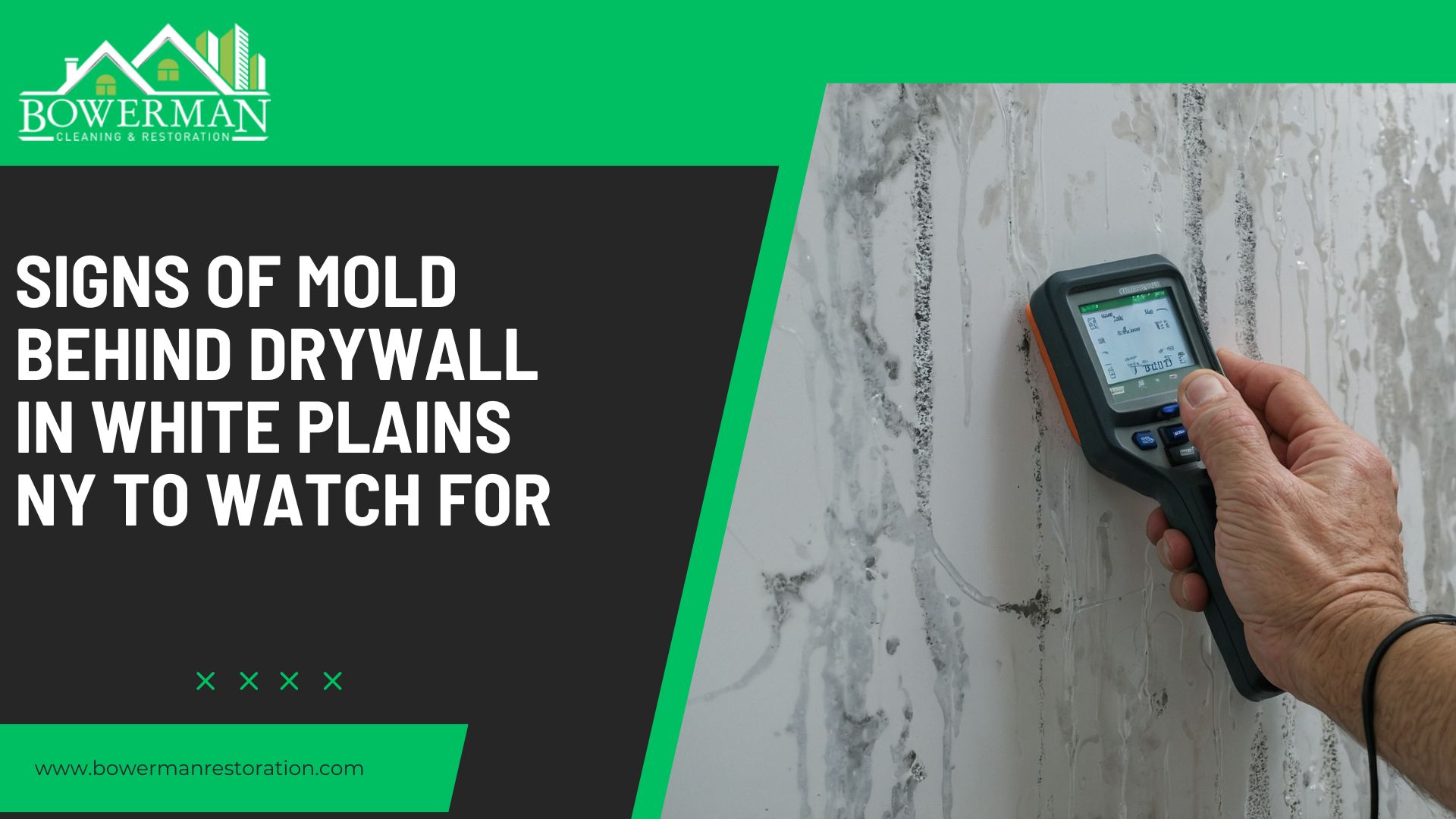
Advanced detection methods available to White Plains homeowners include moisture detection equipment that can identify problem areas before visible signs appear. Infrared thermometers can detect temperature variations that might indicate moisture problems, while pin-type and pinless moisture meters can measure moisture content in drywall materials. These tools are particularly valuable when investigating areas where moisture problems are suspected but not yet visible.
Professional-grade detection equipment includes thermal imaging cameras that can identify moisture patterns within wall assemblies, air sampling devices that can detect elevated mold spore concentrations, and borescope cameras that allow visual inspection of wall cavities through small access holes. These technologies enable comprehensive assessment of hidden mold problems without requiring extensive demolition or destructive testing methods.
Environmental monitoring plays a crucial role in early detection, with indoor humidity levels serving as a key indicator of mold risk. Consistently elevated humidity levels above 60% create conditions conducive to mold growth, while humidity levels above 70% virtually guarantee mold development in organic materials like drywall. Regular monitoring of indoor air quality parameters can help identify conditions that promote hidden mold growth before colonies become established.
Health Impacts and Environmental Indicators
The health implications of mold growth behind drywall extend far beyond simple allergic reactions, potentially affecting occupants through multiple exposure pathways including inhalation, skin contact, and ingestion of contaminated particles. Understanding these health impacts is crucial for White Plains residents, as hidden mold growth can create chronic exposure situations that develop gradually over time, making it difficult to connect symptoms with their underlying cause.
Respiratory symptoms represent the most common health effects associated with hidden mold exposure, including persistent coughing, wheezing, shortness of breath, and throat irritation. These symptoms often worsen during specific times of day when HVAC systems operate or during weather conditions that affect indoor air circulation. Individuals with pre-existing respiratory conditions such as asthma or chronic obstructive pulmonary disease may experience significant symptom exacerbation when exposed to mold spores circulating from hidden growth areas.
Neurological symptoms associated with mold exposure can include headaches, difficulty concentrating, memory problems, and unexplained fatigue. These symptoms are often overlooked or attributed to other causes, making hidden mold exposure particularly insidious. The volatile organic compounds produced by certain mold species can affect cognitive function and overall well-being, particularly in sensitive individuals or those with compromised immune systems.
Environmental indicators within the home can provide valuable clues about hidden mold growth affecting indoor air quality. Increased dust accumulation, particularly in areas near air vents or returns, may indicate mold spore circulation from hidden sources. Changes in indoor air quality, such as stuffiness or difficulty maintaining comfortable humidity levels, can signal moisture problems that support mold growth behind drywall surfaces.
Seasonal variations in symptom severity often correlate with hidden mold activity, as temperature and humidity fluctuations affect mold growth rates and spore production. White Plains residents may notice increased symptoms during spring months when outdoor humidity rises, or during winter when heating systems create temperature differentials that promote condensation within wall assemblies. Tracking symptom patterns in relation to weather conditions and indoor environmental factors can help identify potential mold exposure sources.
Professional health assessment may be necessary when multiple occupants experience similar symptoms or when symptoms persist despite other medical interventions. Indoor air quality testing can quantify mold spore concentrations and identify specific species present, providing valuable information for both health assessment and remediation planning.
Professional Inspection and Testing Procedures
Professional mold inspection services in White Plains utilize comprehensive assessment protocols designed to identify hidden mold growth while minimizing property damage during the investigation process. These inspections begin with detailed visual examination of all accessible areas, followed by moisture mapping to identify areas of elevated water content that may support mold growth. Professional inspectors understand the building science principles that govern moisture movement and mold development in local construction types.
Advanced diagnostic equipment enables thorough assessment of suspected problem areas without requiring extensive demolition. Thermal imaging cameras can detect moisture patterns within wall assemblies by identifying temperature variations that indicate wet materials or air leakage paths. These non-invasive techniques allow inspectors to focus sampling and testing efforts on areas most likely to harbor mold growth, improving accuracy while reducing investigation costs.
Air sampling procedures provide quantitative data about mold spore concentrations in indoor environments, allowing comparison with outdoor baseline levels and established health guidelines. Multiple sampling locations throughout the property help identify contamination sources and assess the extent of spore distribution through HVAC systems or natural air movement. Laboratory analysis of air samples can identify specific mold species present and provide spore count data essential for remediation planning.
Surface sampling techniques, including tape samples and swab samples, can confirm the presence of mold growth on suspected surfaces or materials. When combined with moisture testing and visual inspection, surface sampling provides definitive evidence of mold contamination and helps determine the scope of remediation required. Professional inspectors understand proper sampling protocols to ensure accurate results and avoid cross-contamination during the testing process.
Borescope inspection allows direct visual examination of wall cavities, HVAC ductwork, and other concealed spaces where mold growth may occur. This minimally invasive technique requires only small access holes that can be easily repaired, making it ideal for investigating suspected problem areas without major property damage. High-resolution cameras provide clear documentation of conditions within wall assemblies, enabling accurate assessment of contamination extent.
Documentation and reporting procedures ensure that inspection findings are clearly communicated to property owners, including detailed descriptions of problem areas, recommended remediation procedures, and preventive measures to avoid future mold growth. Professional reports include photographic documentation, moisture readings, sampling results, and prioritized recommendations for addressing identified problems.
Prevention and Remediation Strategies
Effective prevention of mold growth behind drywall requires a comprehensive approach addressing moisture control, ventilation improvement, and regular maintenance protocols specific to White Plains’ climate conditions. Understanding the relationship between indoor humidity levels, temperature control, and building envelope performance enables homeowners to create environments that discourage mold development while maintaining comfortable living conditions.
Moisture control strategies begin with identifying and eliminating sources of water intrusion that can lead to hidden mold growth. Regular inspection of roofing systems, particularly after severe weather events common in the White Plains area, helps identify potential leak sources before they cause significant damage. Plumbing system maintenance, including regular inspection of supply lines, drain systems, and fixture connections, prevents water damage that often leads to mold growth within wall cavities.
Ventilation improvements play a crucial role in preventing moisture accumulation that supports mold growth. Bathroom exhaust fans should operate during and after shower use to remove excess humidity, while kitchen ventilation helps control moisture from cooking activities. Whole-house ventilation systems can provide consistent air exchange that prevents moisture buildup in areas with limited natural ventilation.
HVAC system maintenance contributes significantly to mold prevention by ensuring proper humidity control and air circulation throughout the home. Regular filter replacement, ductwork inspection, and system cleaning prevent mold spore distribution while maintaining optimal indoor air quality. Proper system sizing and operation prevent the humidity problems that often result from oversized or improperly configured equipment.
When mold growth behind drywall is confirmed, professional remediation becomes necessary to safely remove contaminated materials and restore healthy indoor air quality. Bowerman specializes in comprehensive mold remediation services that address both visible contamination and hidden growth areas. Professional remediation follows established protocols including containment procedures, proper removal techniques, and post-remediation verification testing to ensure complete problem resolution.
Remediation procedures typically involve removal of contaminated drywall materials, treatment of structural components, and replacement with new materials after addressing underlying moisture problems. Proper containment prevents cross-contamination during the remediation process, while air filtration systems remove airborne spores that may be disturbed during material removal. Post-remediation cleaning and verification testing confirm that contamination has been successfully eliminated.
Frequently Asked Questions
How can I tell if there’s mold behind my drywall without cutting into the wall? Several non-destructive methods can indicate hidden mold growth, including persistent musty odors, visible discoloration or water stains on wall surfaces, and health symptoms that improve when away from home. Professional inspection using thermal imaging and moisture detection equipment can identify problem areas without wall damage.
What does mold behind drywall smell like? Mold behind drywall typically produces a musty, earthy odor that may intensify during humid conditions or when HVAC systems operate. The smell is often described as similar to wet soil, rotting wood, or old books, and tends to be more noticeable in enclosed spaces with limited air circulation.
Can mold behind drywall make you sick even if you can’t see it? Yes, hidden mold growth can cause health problems through airborne spore circulation, even when the source isn’t visible. Symptoms may include respiratory issues, headaches, fatigue, and allergic reactions that worsen when spending time in affected areas.
How long does it take for mold to grow behind drywall after water damage? Mold can begin growing within 24-48 hours after water exposure, with visible colonies typically developing within 7-10 days under optimal conditions. However, growth behind drywall may not become apparent for weeks or months until spores circulate or odors develop.
What areas of my White Plains home are most likely to have hidden mold? Common problem areas include basements, bathrooms, kitchens, areas around windows and doors, rooms with plumbing fixtures, and exterior walls that may experience condensation issues. Any area with past water damage or ongoing moisture problems is at increased risk.
Should I test for mold myself or hire a professional? While DIY mold test kits are available, professional inspection provides more accurate results and comprehensive assessment of problem areas. Professional inspectors have specialized equipment and expertise to identify hidden growth areas and develop appropriate remediation strategies.
How much does professional mold inspection cost in White Plains? Professional mold inspection costs typically range from $300-$800 depending on property size and complexity. This investment can prevent much larger remediation costs by identifying problems early and ensuring accurate assessment of contamination extent.
Can I remove mold behind drywall myself? Small areas of surface mold may be addressed by homeowners, but hidden mold growth behind drywall typically requires professional remediation to ensure safe removal and prevent cross-contamination. Professional services like those provided by Bowerman ensure proper containment and complete problem resolution.
Conclusion
Identifying mold growth behind drywall in White Plains homes requires vigilance, knowledge, and often professional expertise to detect problems before they become major health and property concerns. The combination of visual inspection, environmental monitoring, and professional assessment provides the most comprehensive approach to hidden mold detection. Understanding the early warning signs, from persistent odors to subtle visual changes in wall surfaces, enables homeowners to take proactive steps in protecting their property and family health.
The unique climate conditions in White Plains create ongoing challenges for moisture control and mold prevention, making regular monitoring and maintenance essential components of responsible homeownership. Professional services, including those provided by Bowerman, offer specialized expertise and equipment necessary for accurate detection and safe remediation of hidden mold problems. Early intervention not only protects health but also minimizes remediation costs and property damage.
Successful mold prevention requires ongoing attention to moisture control, ventilation, and building maintenance, particularly in areas prone to water intrusion or humidity problems. By implementing comprehensive prevention strategies and responding quickly to warning signs, White Plains homeowners can maintain healthy indoor environments while protecting their property investment for years to come.