
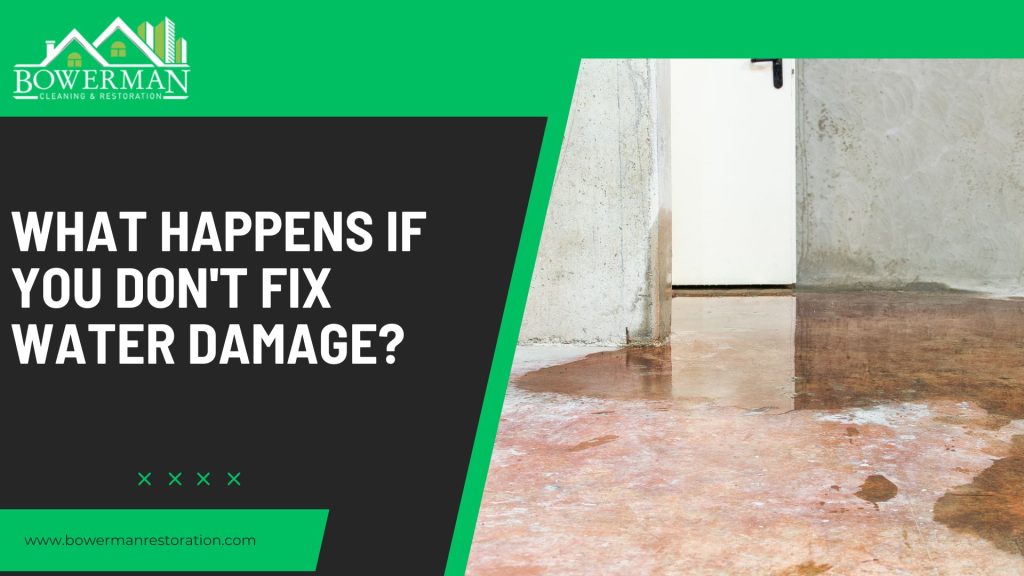
A small drip under the sink or a damp patch in the basement might seem like a minor annoyance—something you can push to next weekend’s to-do list. But in the world of property ownership, water is a relentless force. It does not sleep, and it does not stop degrading your home simply because you haven’t called a professional yet. The difference between a simple cleanup and a catastrophic renovation often comes down to hours, not days.
When you delay addressing moisture intrusion, you aren’t just letting water sit; you are allowing a biological and structural chain reaction to begin. This guide explores the grim reality of procrastination. We will examine the timeline of destruction, the hidden dangers that grow behind your walls, and the financial devastation of denied insurance claims. Understanding the stakes is the first step toward protecting your most valuable asset.
Key Takeaways
- Immediate Degradation: Within minutes, water spreads and absorbs into porous materials; within 24 hours, drywall swells and metal tarnishes.
- Mold Growth: Microbial growth can begin in as little as 24 to 48 hours, turning a water issue into a hazardous health situation.
- Structural Risks: Prolonged exposure causes wood rot, warping, and potentially catastrophic failure of support beams and subfloors.
- Insurance Denials: Insurance policies covers “sudden and accidental” damage; ignoring a leak often leads to claim denial due to negligence.
- Health Hazards: Standing water and damp environments breed bacteria, mold, and pests that can impact respiratory health.
- Devaluation: Unresolved water damage creates “stigma damage,” significantly lowering your property’s resale value.
Overview
If you are wondering what happens if you dont fix water damage, the answer is a progressive escalation of costs and risks. The timeline of destruction is predictable but severe. In the first few minutes, water seeks the lowest level, saturating carpets and subfloors. Within hours, humidity rises, affecting furniture and drywall. By the time a few days pass, you are no longer dealing with just water; you are facing mold, bacteria, and structural instability. Ignoring these signs can lead to insurance claim denials, as carriers view long-term damage as negligence rather than an accident. We help homeowners intervene early to stop this cycle, preserving both the structural integrity of the house and the health of its occupants.
The Timeline of Destruction: How Fast Does Damage Spread?
Water damage is not a static event; it is a dynamic process that worsens with every passing hour. Understanding this timeline highlights why immediate action is non-negotiable.

The First 24 Hours
The clock starts ticking the moment water intrudes. In this initial phase, gravity is the enemy. Water migrates quickly to other areas, often following wall cavities and insulation.
- Absorption: Porous materials like drywall, insulation, and unfinished wood begin to soak up water like a sponge.
- Swelling: Composite woods and laminates may begin to peel or bubble.
- Humidity Spike: As water evaporates, the relative humidity in the home spikes, threatening unaffected areas with secondary moisture damage.
According to the Institute of Inspection, Cleaning and Restoration Certification (IICRC), the “Golden Hour” for restoration is immediate. Waiting even overnight can double the scope of work required.
48 Hours to 1 Week
If you haven’t called for water damage restoration by this point, the nature of the emergency changes.
- Mold Activation: Mold spores are everywhere, but they need moisture to grow. After 48 hours of dampness, these spores germinate and colonize.
- Metal Corrosion: Door handles, nail heads, and internal wiring components begin to rust and corrode.
- Biofilm Formation: Bacterial colonies begin to form on wet surfaces, producing musty odors and slick textures.
Beyond 1 Week
At this stage, the damage is often severe and requires extensive demolition.
- Structural Failure: Wood components may warp, cup, or rot completely.
- Health Hazards: The environment becomes unsafe for occupants due to high mold spore counts and potential mycotoxins.
- Total Loss: Carpeting, padding, and drywall are usually unsalvageable and must be disposed of.
The Hidden Danger: Structural Integrity at Risk
One of the most dangerous misconceptions is that if the puddle is gone, the problem is solved. Water has a way of hiding in places you cannot see—behind baseboards, under vinyl flooring, and inside insulated walls.

Rotting Wood and Subfloors
When water penetrates the subfloor, it weakens the very foundation you walk on. Over time, plywood delaminates and joists rot. This is particularly dangerous in multi-story homes where a weakened subfloor can lead to a ceiling collapse below. You might notice the floor feeling “spongy” or soft when you walk on it—a clear sign that the integrity of the home is compromised.
Drywall and Insulation
Drywall acts like a wick. If there is water on the floor, it will travel up the wall, ruining the sheetrock and the insulation behind it. Wet fiberglass insulation loses its R-value (insulating power) and holds moisture against the wooden studs, accelerating rot. For more on how water hides, read our guide on identifying hidden water leaks.
Mold: The Consequence of Waiting
Perhaps the most dreaded answer to what happens if you dont fix water damage is mold. Mold is not just unsightly; it is a destructive force that eats organic material (like your house) and releases spores that can irritate the lungs.
The Speed of Growth
As mentioned, mold needs only moisture, a food source (cellulose in drywall/wood), and time. By delaying cleanup, you provide the time. Once mold establishes a root system (mycelium) into porous materials, surface cleaning is ineffective. The material must be removed.
The Cost Multiplier
Remediating a simple water leak is relatively affordable. Remediating a mold infestation is expensive. It requires containment chambers, negative air pressure machines, and specialized personal protective equipment (PPE). By waiting, you effectively multiply your repair bill by a factor of ten. For details on the remediation process, consult our mold removal guide.
Note: The Centers for Disease Control and Prevention (CDC) warns that exposure to dampness and mold in homes has been linked to respiratory symptoms, asthma development, and hypersensitivity pneumonitis. Learn more aboutmold and health from the CDC.
Electrical Hazards and Fire Risk
It seems counterintuitive that water causes fire, but it is a genuine risk. Water is a conductor. When it seeps into wall cavities, it comes into contact with outlets, switches, and hidden wiring.
- Short Circuits: Water bridging the gap between wires can cause short circuits, leading to sparks.
- Corrosion: Even if a fire doesn’t start immediately, water corrodes the copper wires and connections. This increases resistance in the circuit, causing heat buildup over time that can ignite insulation or surrounding wood months later.
- Shock Hazard: Standing water near appliances creates a lethal shock hazard for anyone entering the area.
The Financial Blow: Insurance and Property Value
Beyond the physical damage, the financial implications of ignoring water damage are severe. Your home insurance policy is a contract with specific requirements regarding your behavior.
The “Negligence” Clause
Most homeowners insurance policies cover “sudden and accidental” damage. They generally do not cover damage resulting from neglect or lack of maintenance. If an adjuster inspects your claim and sees long-term rot or extensive mold, they will likely conclude that the damage occurred over weeks or months.
If they determine you failed to act when the issue first arose, they may deny your claim entirely. You would then be responsible for 100% of the repair costs.
Impact on Resale Value
Water damage leaves a permanent mark on a home’s history. Even if you repair it later, you must disclose past issues to potential buyers. A history of water damage, especially if it involved mold, can stigmatize the property, leading to lower offers and longer time on the market. For more on protecting your home’s value, read our article on how to prevent basement floods.
Why DIY Cleanup Is Rarely Enough
Many homeowners attempt to tackle water damage with a shop vac and some box fans. While well-intentioned, this approach often leads to “secondary damage.”
Surface Dry vs. Structurally Dry
A floor can feel dry to the touch while the subfloor underneath is still saturated. Without professional-grade moisture meters and thermal imaging, you cannot know where the water has traveled.
Inadequate Equipment
Consumer-grade fans move air, but they do not have the static pressure required to force air under carpets or into wall cavities. Professional dehumidifiers are needed to pull moisture out of the air and materials simultaneously. Without this balance, you may dry the surface while leaving a reservoir of water hidden inside the structure, leading to future rot.
Reliable restoration depends on science, not guesswork. We utilize psychrometry—the science of drying—to ensure every drop of moisture is accounted for.
Health Implications of Standing Water
If the water source is contaminated, the risks skyrocket. Water is categorized into three types:
- Category 1 (Clean Water): From a supply line.
- Category 2 (Gray Water): From a washing machine or dishwasher (contains chemicals/dirt).
- Category 3 (Black Water): From sewage or floodwaters.
Ignoring Category 2 or 3 water is dangerous. Gray water can turn into Black water in as little as 48 hours as bacteria multiply. Exposure can lead to serious illness. If you are dealing with a backup, immediate sewage cleanup is essential for safety.
The Environmental Protection Agency (EPA) emphasizes that floodwater often contains dangerous pathogens. Never attempt to clean up sewage or floodwater without proper training and equipment. Read the EPA’s guide on flood cleanup.
If you are seeing signs of moisture, do not wait to find out what happens if you dont fix water damage. The cost of waiting is too high. Contact Bowerman Cleaning & Restoration immediately. We serve the region from our locations at 7 Intervale Street, White Plains, NY, 10606, 99 Main St, Nyack, NY, 10960, and 6 Landmark Square 4th Floor, Stamford, CT, 06901. You can reach us anytime at +1 844 269 3762.
Common Questions About what happens if you dont fix water damage
Q: How long does it take for mold to grow after a leak? A: Mold can begin to grow on damp surfaces within 24 to 48 hours. Once it takes hold, it spreads rapidly through spores, making immediate drying critical to preventing an infestation.
Q: Can water damage cause structural problems? A: Yes. Water weakens wood, causing it to rot and warp. Over time, this compromises the structural integrity of joists, beams, and subfloors, potentially leading to sagging floors or ceiling collapses.
Q: Will the water dry out on its own? A: While puddles may evaporate, water absorbed into walls, insulation, and subfloors will not dry out naturally before rot and mold set in. Professional dehumidification is required to pull moisture from these dense materials.
Q: Does insurance cover old water damage? A: Typically, no. Insurance covers sudden and accidental damage. If an adjuster determines the damage is old and resulted from negligence or failure to fix a known issue, the claim will likely be denied.
Q: What are the health signs of living in a water-damaged house? A: Occupants may experience allergy-like symptoms, including coughing, sneezing, red eyes, and skin irritation. Those with asthma or compromised immune systems are at higher risk for serious respiratory infections.
Q: Can water damage cause electrical fires? A: Yes. Water is a conductor. If it penetrates walls and contacts electrical wiring, it can cause short circuits, sparks, and corrosion that may lead to a fire immediately or weeks later.
Q: Is it safe to stay in a house with water damage? A: It depends on the severity and source of the water. If the water is from a sewage backup (black water) or if there is extensive mold growth, the house is unsafe. Consult a professional to assess the risk.
Q: How much does water damage devalue a home? A: Unresolved water damage can decrease a home’s value significantly—often by 10% to 25%—due to the cost of repairs and the “stigma” associated with potential mold and structural issues.
Conclusion
The question of what happens if you dont fix water damage has a clear and costly answer: the damage spreads, the repair bills multiply, and your health is put at risk. Procrastination transforms a manageable repair into a financial and structural nightmare. Do not gamble with your home’s future by hoping the water will just “go away.”
Protect your investment and your health with Bowerman Cleaning & Restoration. We offer 24/7 emergency service and free inspections to stop the damage instantly. With 50+ years of experience as a family-owned and operated business, our IICRC-certified team uses eco-friendly products to restore your home safely. Trust the local expertise that your neighbors rely on—check our Google reviews and let us help you.