
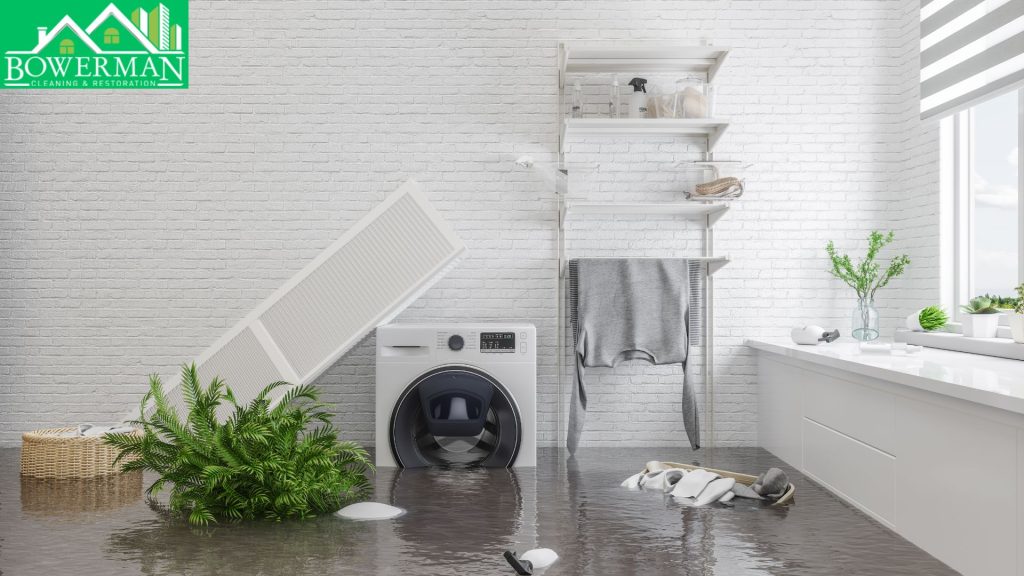
You walk downstairs to find your basement floor glistening under a layer of water. Panic sets in. You grab some towels, maybe a shop vac, and start working. But here is the hard truth: removing the water you can see is only 10% of the battle. The real threat is the water you can’t see—the moisture that has wicked up into your drywall, soaked into your subfloor, and is currently raising the humidity in your home to dangerous levels.
This is where water mitigation comes in.
Many homeowners confuse “cleaning up water” with “mitigation.” But understanding what is water mitigation can be the difference between a minor inconvenience and a massive mold remediation bill. Water mitigation is not just about mopping up; it is a scientific process known as psychrometry—the study of air, humidity, and temperature. It is about controlling the environment to force moisture out of your home’s structure before it causes permanent rot.
In this guide, we will pull back the curtain on how professionals save homes from water damage, why speed is your greatest asset, and how this process sets the stage for a successful recovery.
Key Takeaways
- It’s About Speed: Mitigation must begin within 24 hours to prevent “secondary damage” like mold growth and warping.
- The “Dry Standard”: Professionals don’t guess; they use a mathematical baseline to prove your home is dry.
- Mitigation First, Restoration Second: You cannot rebuild a wall until the studs behind it are verified dry.
- Hidden Moisture: Water moves to dry areas; it can climb walls and hide under flooring without you ever seeing it.
- Health Protection: Proper mitigation removes biohazards and allergens, protecting your family’s respiratory health.
Overview
Water mitigation is the emergency phase of property recovery. Its primary goal is to stop the destruction. When water enters your home, it immediately begins to degrade materials. Wood swells, drywall crumbles, and metal rusts. Mitigation involves the rapid containment and removal of this water using industrial-grade equipment. It differs from “restoration,” which is the rebuilding phase. Think of mitigation as the emergency room doctors stabilizing a patient, while restoration is the reconstructive surgery that follows.
For homeowners in Westchester and Fairfield counties, where humidity can already be high, professional mitigation is essential. By controlling the indoor climate, we prevent the environment from becoming a breeding ground for mold, which can start growing in as little as 48 hours.
The Core Concept: What is Water Mitigation?
At its simplest, water mitigation is the process of reducing or preventing the amount of water damage that happens after a leak or flood. But technically, it is an engineering challenge.
When a pipe bursts, water flows from wet to dry. It seeks equilibrium. If your wood floor is dry and the air is wet, the wood absorbs moisture. If the air is dry and the wood is wet, the wood releases moisture. Mitigation professionals use this principle to their advantage. By lowering the humidity in the air with commercial dehumidifiers and increasing evaporation with high-velocity air movers, we force the moisture out of your walls and floors and into our machines.
The Phases of Mitigation
- Assessment: Using thermal imaging cameras to see where the water has traveled behind walls.
- Extraction: Physically removing standing water. This is 1,200 times more efficient than dehumidification alone.
- Stabilization: Setting up equipment to control the environment.
- Monitoring: Daily checks to track the “drying curve” until the materials meet the dry standard.
Why You Can’t Just “Wait for it to Dry”
We often hear homeowners say, “I put a fan on it.” While a box fan moves air, it doesn’t remove moisture from the air. In a closed basement, a fan just circulates wet air, which can actually spread mold spores to unaffected areas.
The Risk of Secondary Damage
If you skip professional mitigation, you invite “secondary damage.” This is damage that wasn’t caused by the initial leak but by the lingering moisture.
- Mold Growth: Spores act fast. Once they colonize your studs, the cost of repair skyrockets.
- Structural Rot: Wood that stays wet loses its strength.
- Electrical Hazards: Corrosion on wires can lead to shorts or fire risks weeks later.
According to the IICRC S500 Standard, which is the industry bible for water damage, failing to dry a structure promptly categorizes the loss as a health hazard. This standard dictates that we must prove the structure is dry using data, not just touch.
The Process: Step-by-Step
When you call a professional team, here is exactly what happens.
1. Emergency Extraction
The first step is always physical removal. We use truck-mounted vacuums that are powerful enough to pull water out of carpet pads and subfloors. The more water we remove physically, the less time the drying equipment needs to run.
2. Strategic Demolition
Sometimes, to save the house, we have to sacrifice parts of it. If water has wicked up the drywall, we may perform a “flood cut”—cutting the drywall 12 to 24 inches above the water line. This opens up the wall cavity, allowing airflow to reach the damp studs. Insulation, which acts like a wet sponge, is almost always removed because it cannot be effectively dried.
3. Equipment Setup
This is the “Science of Drying” in action.
- Air Movers: These are not just fans. They are positioned at specific angles (typically 45 degrees) to create a vortex of air that strips the boundary layer of moisture off wet surfaces.
- Dehumidifiers: We use LGR (Low Grain Refrigerant) dehumidifiers. These machines pull the moisture-laden air in, cool it to condense the water into a tank, and blow warm, dry air back out.
4. Daily Monitoring
We don’t set it and forget it. We return every day to take readings. We measure the moisture content of the wood and the relative humidity of the air. We are looking for the “Dry Standard”—the point where your materials are as dry as they would be in a normal, non-flooded home.
Mitigation vs. Restoration: The Critical Difference
Understanding what is water mitigation requires distinguishing it from restoration.
- Mitigation stops the damage. It is about cleaning, drying, and testing.
- Restoration is about rebuilding. It involves painting, installing new carpet, and hanging new cabinets.
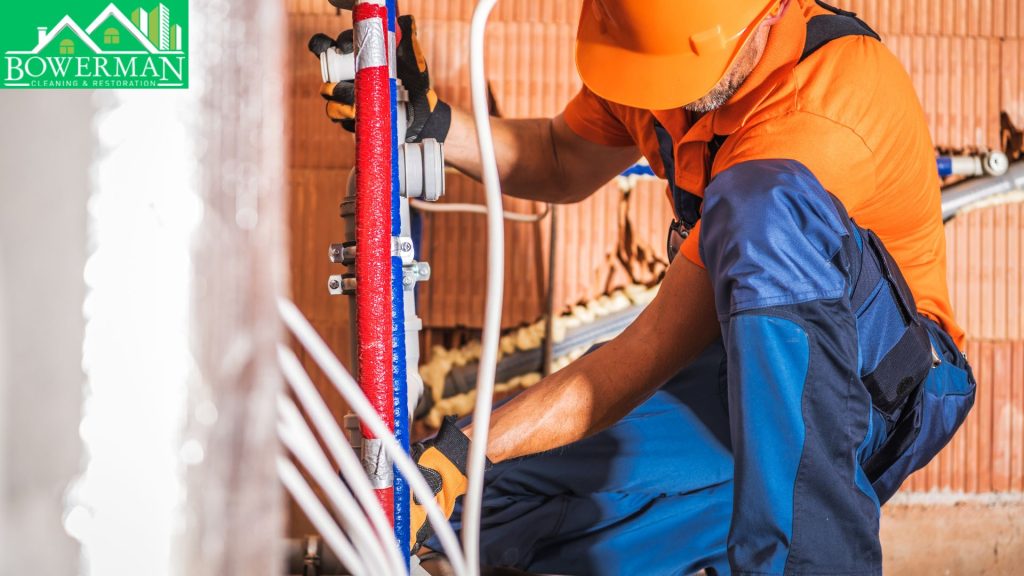
You should never hire a contractor to start restoration until mitigation is complete. If you put new laminate flooring over a damp concrete slab, the moisture will rise, causing the new floor to buckle and mold to grow underneath. This is why integrated companies like ours are so valuable—we handle the transition seamlessly, ensuring the build-back only starts when it is safe.
The Psychological Toll of Water Damage
It is important to acknowledge that water damage isn’t just a structural issue; it’s a stressful event. Studies show that homeowners affected by flooding often experience increased anxiety, feeling unsafe in their own sanctuary. The smell of dampness or the sight of torn-up floors can be overwhelming.
Quick, professional mitigation helps alleviate this stress. Seeing a team arrive, extract the water, and set up equipment gives you a sense of control. It signals that the problem is being managed and that your home is on the road to recovery.
Why Professional Certification Matters
Not all “water guys” are created equal. The Institute of Inspection, Cleaning and Restoration Certification (IICRC) sets the standards for our industry. A certified technician knows:
- Category 1 vs. Category 3 Water: They know that water from a burst pipe (Cat 1) is treated differently than sewage backup (Cat 3).
- Class of Water: They can calculate how much water is in the materials to determine how many dehumidifiers are needed.
Hiring an uncertified handyman can void your insurance coverage if the job isn’t documented correctly. Insurance adjusters require drying logs—daily records of humidity and temperature—to pay the claim.
Your Partners in Recovery
If you are dealing with water intrusion, you need a team that understands the science and the urgency.
Bowerman Cleaning & Restoration
Locations Serving You:
- White Plains: 7 Intervale Street, White Plains, NY, 10606 (+1 844 269 3762)
- Nyack: 99 Main St, Nyack, NY, 10960 (+1 844 269 3762)
- Stamford: 6 Landmark Square 4th Floor, Stamford, CT, 06901 (+1 844 269 3762)
We offer more than just equipment; we offer peace of mind. Our team provides:
- 24/7 Service: Because pipes don’t wait for business hours.
- Free Inspections: We assess the damage immediately.
- 50+ Years Experience: We have seen every type of water loss in the Tri-State area.
- Family Owned / Operated: We treat your home like our own.
- Locals / Local Expertise: We know how our local climate affects drying times.
- Certified Excellence: IICRC certified and licensed in mold remediation.
- Home Improvement License: We can handle the repairs after the drying is done.
- High Satisfaction: Check our Google reviews and referrals.
Common Questions About water mitigation
Q: How long does water mitigation take?
A: typically 3 to 5 days. However, this depends on the density of the materials (hardwood takes longer than drywall) and how long the water sat before we arrived. We monitor the progress daily and only remove equipment when the dry standard is met.
Q: Will my insurance cover water mitigation?
A: In most cases, yes. Standard homeowner policies cover “sudden and accidental” damage like burst pipes. They almost always cover mitigation because it prevents further, more expensive damage. We work directly with your adjuster to handle the billing.
Q: Can I stay in my home during mitigation?
A: Usually, yes. However, the equipment can be noisy, and if we have to turn off the power or water for safety, you might prefer a hotel. If the water is contaminated (sewage), we may recommend leaving for health reasons until the sanitization process is complete.
Q: Is water mitigation the same as water extraction?
A: No. Extraction is just one step—the physical removal of standing water. Mitigation is the entire process of drying, cleaning, and testing to ensure the property is returned to a safe, dry state.
Q: What happens if I skip mitigation?
A: You risk structural failure, mold growth, and denied insurance claims. Insurance policies require you to take “reasonable steps” to prevent further damage. Ignoring a wet basement could be seen as negligence.
Q: Do I need to replace my carpet?
A: It depends on the water source. If it is clean water (Category 1) and we get to it fast, we can often dry and save the carpet. If it is sewage or outside flood water (Category 3), the carpet and pad must be removed for safety.
Q: Why are there so many fans?
A: We need to move a massive volume of air to break the surface tension of the water on wet materials. This accelerates evaporation. The dehumidifiers then catch that evaporated moisture. It is a calculated balance; too few fans and it won’t dry; too many without enough dehumidifiers and we risk secondary damage.
Q: How much does water mitigation cost?
A: Costs vary based on the size of the area and the class of water. However, the cost of mitigation is always significantly lower than the cost of gutting a mold-infested home later. Insurance typically covers these costs minus your deductible.
Conclusion: Don’t Gamble with Water
Water is a silent destroyer. It hides in wall cavities, weakens floor joists, and fuels mold growth while you sleep. Now that you understand what is water mitigation, you can see why a shop vac and a few towels aren’t enough. Professional mitigation is the only way to ensure your home is truly dry, safe, and ready for repairs.
Don’t wait for the smell of mildew to tell you there is a problem. If you have water damage, speed is your best defense.
Contact Bowerman Cleaning & Restoration Today for Your Free Inspection
Author & Process: This guide was created using industry best practices and based on standard IICRC protocols (S500) for water damage restoration. We prioritize accuracy and actionable advice to help homeowners navigate property loss effectively. Our goal is to provide Water Damage Restoration in Stamford CT and the surrounding areas with the highest level of expertise. For more on our approach to complex losses, read about Water Damage Restoration in Westchester.