
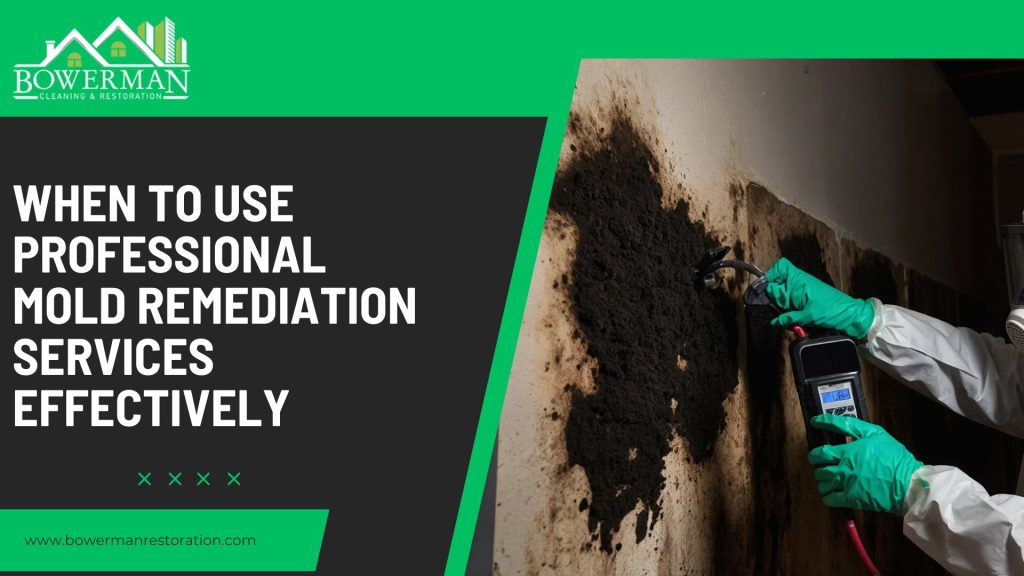

Mold growth in homes and businesses represents one of the most serious indoor environmental hazards property owners can face. While small, surface-level mold issues might seem manageable with DIY approaches, understanding when to use professional mold remediation services can mean the difference between effective treatment and a recurring problem that threatens both property value and occupant health. The decision to hire professional mold remediation services requires careful consideration of multiple factors, including the extent of contamination, potential health risks, and the complexity of the underlying moisture issues.
Professional mold remediation goes far beyond simply cleaning visible mold growth. It involves comprehensive assessment, containment protocols, specialized equipment, and systematic approaches that address both the symptoms and root causes of mold problems. When homeowners attempt to tackle significant mold issues without proper expertise, they often inadvertently spread contamination, fail to address hidden growth areas, or neglect the moisture sources that allowed mold to flourish initially.
The stakes involved in mold remediation decisions extend beyond immediate cleanup concerns. Inadequate treatment can lead to recurring infestations, structural damage, decreased property values, and ongoing health issues for occupants. Professional remediation services bring specialized knowledge about mold biology, building science, and safety protocols that ensure thorough treatment while protecting both workers and occupants from exposure risks.
Understanding the warning signs that indicate professional intervention is necessary empowers property owners to make informed decisions before minor issues escalate into major problems. Factors such as contamination size, location accessibility, occupant health considerations, and the presence of hazardous mold species all influence whether professional services are recommended or required. Additionally, insurance considerations, liability concerns, and regulatory requirements often mandate professional involvement in mold remediation projects.
This comprehensive guide examines the critical decision points that determine when professional mold remediation services become essential, helping property owners navigate the complex considerations involved in addressing mold contamination effectively and safely.
Key Takeaways
- Size threshold matters: Mold contamination covering more than 10 square feet typically requires professional remediation services, as recommended by the EPA and industry standards.
- Health risks escalate quickly: When occupants experience persistent respiratory symptoms, allergic reactions, or other health issues potentially linked to mold exposure, professional assessment and remediation become essential.
- Hidden contamination requires expertise: Mold growth within wall cavities, HVAC systems, or other inaccessible areas demands professional detection equipment and specialized removal techniques.
- Water damage complexity: Significant water intrusion events, such as flooding or major leaks, create conditions that almost always necessitate professional intervention to prevent extensive mold development.
- Structural involvement changes everything: When mold affects building materials like drywall, insulation, or wooden structures, professional remediation ensures proper material removal and replacement.
- Insurance and liability considerations: Many insurance policies require professional documentation and remediation for mold claims, making DIY approaches potentially costly mistakes.
- Toxic mold species demand expertise: Suspected presence of dangerous mold types like Stachybotrys (black mold) or Aspergillus requires professional identification and specialized handling protocols.
- Recurring problems indicate systemic issues: When mold repeatedly returns after DIY treatment attempts, professional services can identify and address underlying moisture sources and building defects.
Understanding Professional Mold Remediation Standards
Professional mold remediation services operate under established industry standards and protocols that ensure comprehensive treatment while maintaining safety for all involved parties. The Institute of Inspection, Cleaning and Restoration Certification (IICRC) provides the foundational guidelines that reputable remediation companies follow, establishing procedures for assessment, containment, removal, and verification of successful treatment.
These standards recognize that effective mold remediation requires more than surface cleaning. Professional services begin with thorough moisture detection and environmental assessment to identify all affected areas, including hidden contamination that might not be visible during initial inspection. Advanced equipment such as thermal imaging cameras, moisture meters, and air sampling devices allows professionals to map the full extent of contamination and develop comprehensive treatment plans.
The containment protocols used by professional services prevent cross-contamination during remediation work. This involves establishing negative air pressure environments, using plastic sheeting barriers, and implementing strict decontamination procedures for workers and equipment. These measures ensure that mold spores disturbed during removal don’t spread to previously unaffected areas of the property.
Professional remediation also addresses the critical aspect of source control, identifying and correcting the moisture conditions that enabled mold growth initially. Without addressing underlying humidity issues, plumbing leaks, ventilation problems, or building envelope defects, even the most thorough cleaning efforts will likely result in recurring contamination.

Health and Safety Considerations That Require Professional Intervention
Health and safety factors often provide the clearest indicators for when to hire mold remediation services, particularly when occupants belong to vulnerable populations or when exposure risks exceed safe thresholds. Individuals with compromised immune systems, respiratory conditions, allergies, or chemical sensitivities face heightened risks from mold exposure that make professional remediation essential even for relatively small contamination areas.
Professional remediation services understand the health implications of different mold species and can implement appropriate protection measures during treatment. While many common household molds cause primarily allergic reactions, certain species produce mycotoxins that can cause more serious health effects. Professional assessment can identify potentially dangerous mold types and implement specialized handling procedures to minimize exposure risks.
The safety equipment and training required for effective mold remediation often exceeds what homeowners can reasonably obtain or operate safely. Professional remediation workers use respiratory protection systems, full-body protective suits, and specialized ventilation equipment designed specifically for biological contamination work. They also understand decontamination procedures necessary to prevent spreading contamination to clean areas or carrying it to other locations.
When mold contamination affects areas where vulnerable individuals spend significant time, such as bedrooms, nurseries, or home offices, professional remediation becomes particularly important. The disruption caused by proper remediation procedures often requires temporary relocation, and professionals can coordinate treatment schedules to minimize displacement while ensuring thorough decontamination.
Professional services also provide documentation of remediation procedures and post-treatment verification testing that can be important for insurance claims, real estate transactions, or medical evaluations. This documentation establishes that appropriate measures were taken to address health risks and restore safe indoor environmental conditions.

Structural and Building Material Involvement
When mold contamination extends beyond surface-level growth to involve building materials and structural components, professional remediation becomes essential for both effective treatment and property preservation. Mold that penetrates porous materials like drywall, insulation, carpeting, or wooden structures cannot be adequately addressed through surface cleaning alone and requires systematic removal and replacement of affected materials.
Professional remediation services understand which building materials can be salvaged through specialized cleaning procedures and which must be removed entirely. This knowledge prevents both unnecessary material removal that increases project costs and inadequate treatment that leaves contamination sources intact. For example, while non-porous materials like metal or glass can often be effectively cleaned, porous materials with extensive mold penetration typically require complete removal.
The structural implications of mold growth often extend beyond the visible contamination area. Professional assessment can identify whether mold has compromised structural integrity, particularly in wooden framing members or other load-bearing components. This evaluation requires expertise in both building construction and mold biology to determine appropriate remediation approaches that maintain structural safety.
HVAC system contamination represents a particularly complex scenario that demands professional intervention. Mold growth within ductwork, air handling units, or ventilation components can distribute contamination throughout entire buildings and requires specialized cleaning equipment and procedures. Professional services have the tools and expertise necessary to properly clean or replace HVAC components while preventing further distribution of contamination.
Professional remediation also ensures proper reconstruction procedures that prevent future mold problems. This includes selecting appropriate materials, implementing moisture control measures, and following building practices that reduce future mold risk. The integration of remediation and reconstruction activities requires coordination and expertise that professional services provide.
Insurance and Legal Requirements
Insurance considerations frequently dictate when professional mold remediation services become necessary, as many policies include specific requirements for documentation, procedures, and contractor qualifications that affect coverage decisions. Understanding these requirements before beginning remediation work can prevent costly mistakes that void insurance coverage or create liability issues for property owners.
Most insurance companies require professional assessment and documentation when mold contamination exceeds certain thresholds or when claims involve significant property damage. This documentation must demonstrate that appropriate procedures were followed and that remediation was completed according to industry standards. DIY remediation efforts rarely provide the level of documentation required for insurance claims and may actually complicate coverage decisions.
Professional remediation services carry specialized insurance coverage that protects both the service provider and property owner from liability related to remediation work. This coverage includes protection against accidental damage during remediation, worker injury claims, and potential health effects from exposure during treatment. Property owners who attempt DIY remediation assume these liability risks personally.
Regulatory requirements in many jurisdictions mandate professional involvement for certain types of mold remediation work. These requirements often specify licensing, training, and certification standards for remediation contractors and may include notification procedures for significant contamination events. Professional services understand these regulatory requirements and ensure compliance throughout the remediation process.
The legal implications of inadequate mold remediation can extend beyond insurance issues to include tenant relations, real estate disclosure requirements, and potential health-related liability. Professional remediation provides documentation that demonstrates due diligence in addressing mold problems and can be crucial evidence in legal proceedings related to property conditions or health claims.
Cost-Benefit Analysis and Long-Term Considerations
While professional mold remediation services involve higher upfront costs than DIY approaches, comprehensive cost-benefit analysis often demonstrates that professional intervention provides better long-term value through more effective treatment and reduced risk of recurring problems. Understanding these economic factors helps property owners make informed decisions about when to invest in professional services.
The hidden costs of inadequate DIY remediation can quickly exceed the expense of professional services. Failed remediation attempts often require complete re-treatment, potentially with more extensive contamination than the original problem. Additionally, recurring mold issues can cause progressive property damage that increases repair costs over time and may affect property values significantly.
Professional remediation services often complete projects more efficiently than DIY approaches, reducing the duration of disruption to normal property use. This efficiency translates to reduced temporary housing costs, faster return to normal business operations, and minimized secondary damage from extended exposure to moisture and contamination.
The warranty and guarantee provisions offered by reputable professional services provide additional value that DIY approaches cannot match. These guarantees typically cover both the effectiveness of remediation work and protection against recurring problems, providing peace of mind and financial protection for property owners.
Energy efficiency improvements often result from professional remediation work that addresses underlying moisture and ventilation issues. Correcting these building performance problems can reduce ongoing utility costs and improve indoor comfort levels, providing long-term economic benefits that offset remediation expenses.
When considering the investment in professional mold remediation services, Bowerman understands that property owners need reliable, experienced contractors who can deliver effective results while minimizing disruption and costs. Professional remediation represents an investment in property value, occupant health, and long-term building performance that provides returns far beyond the initial service costs.
Frequently Asked Questions
How do I know if mold contamination is too extensive for DIY treatment?
The EPA recommends professional remediation for mold contamination covering more than 10 square feet, but other factors like location, health risks, and building material involvement may require professional services for smaller areas. If you can see mold in multiple rooms, detect musty odors throughout the property, or suspect hidden contamination, professional assessment is advisable.
What qualifications should I look for in a professional mold remediation company?
Look for companies with IICRC certification, appropriate state licensing, comprehensive insurance coverage, and experience with projects similar to yours. Reputable companies should provide detailed written estimates, explain their procedures clearly, and offer references from recent clients.
How long does professional mold remediation typically take?
Project duration depends on contamination extent, affected materials, and property size. Small residential projects might take 2-3 days, while extensive contamination or commercial properties may require several weeks. Professional contractors should provide realistic timelines during the initial assessment.
Will my insurance cover professional mold remediation costs?
Insurance coverage varies significantly depending on the contamination cause, policy terms, and documentation requirements. Many policies cover mold remediation when it results from covered water damage events but exclude coverage for long-term moisture problems or maintenance issues.
Can I stay in my home during professional mold remediation?
This depends on contamination extent, affected areas, and occupant health considerations. Limited remediation projects might allow continued occupancy with proper containment, but extensive contamination or health-sensitive occupants may require temporary relocation.
How do professionals verify that mold remediation was successful?
Professional verification typically includes visual inspection, moisture testing, and air quality sampling to confirm that contamination has been eliminated and environmental conditions restored to acceptable levels. This documentation is important for insurance claims and health considerations.
What should I do if mold returns after professional remediation?
Contact the remediation company immediately, as reputable services typically provide warranties against recurring contamination. Recurring mold often indicates incomplete moisture source control or inadequate initial treatment, both of which should be covered under service guarantees.
How can I prevent future mold problems after professional remediation?
Maintain indoor humidity below 50%, promptly address water leaks or intrusion, ensure adequate ventilation, and conduct regular inspections of moisture-prone areas. Professional services often provide specific maintenance recommendations based on your property’s conditions and risk factors.
Conclusion
Determining when to use professional mold remediation services requires careful evaluation of multiple factors that extend far beyond the visible extent of contamination. The decision involves complex considerations including health and safety risks, structural implications, insurance requirements, and long-term cost effectiveness that often favor professional intervention even when DIY approaches might seem feasible initially.
Professional mold remediation services provide expertise, equipment, and procedures that ensure comprehensive treatment while protecting both property and occupant health. The systematic approaches used by qualified professionals address not only visible contamination but also hidden growth areas and underlying moisture sources that enable mold development. This comprehensive treatment prevents the recurring problems that frequently result from inadequate DIY remediation attempts.
The investment in professional services often provides significant returns through more effective treatment, reduced liability risks, insurance compliance, and long-term prevention of recurring issues. When considering the potential costs of inadequate treatment, including health effects, property damage, and failed remediation attempts, professional services frequently represent the most economical approach to mold problems.
Property owners who recognize the warning signs that indicate professional intervention is necessary can address mold problems before they escalate into major contamination events. Early professional involvement often results in less extensive and less expensive remediation while preventing the health risks and property damage associated with widespread mold growth. Understanding when to hire mold remediation services empowers property owners to make informed decisions that protect their investments and ensure safe, healthy indoor environments for all occupants.