
Storm Surge Flood Restoration Starts With Safety
Storm surge flood restoration involves securing the building, pumping out salty water, and tearing out soaked materials. After that comes drying and rebuilding. Surge water is not clean rain. Instead, it carries salt, sewage, and debris.
Key Takeaways
- Surge water is dirty, so soaked porous items usually can’t be saved.
- Day one focuses on tarping, board-up, and pumping out water.
- Fast drying matters because mold can grow within 24 to 48 hours.
- Rebuilding starts once readings confirm the structure is dry.
How a Typical Storm Surge Project Unfolds
This scenario is a composite of a typical job, not one specific client. Picture a coastal storm pushing seawater across a home’s first floor. As the National Hurricane Center explains, surge can even travel up rivers and reach well inland.
Day One: Securing the Property
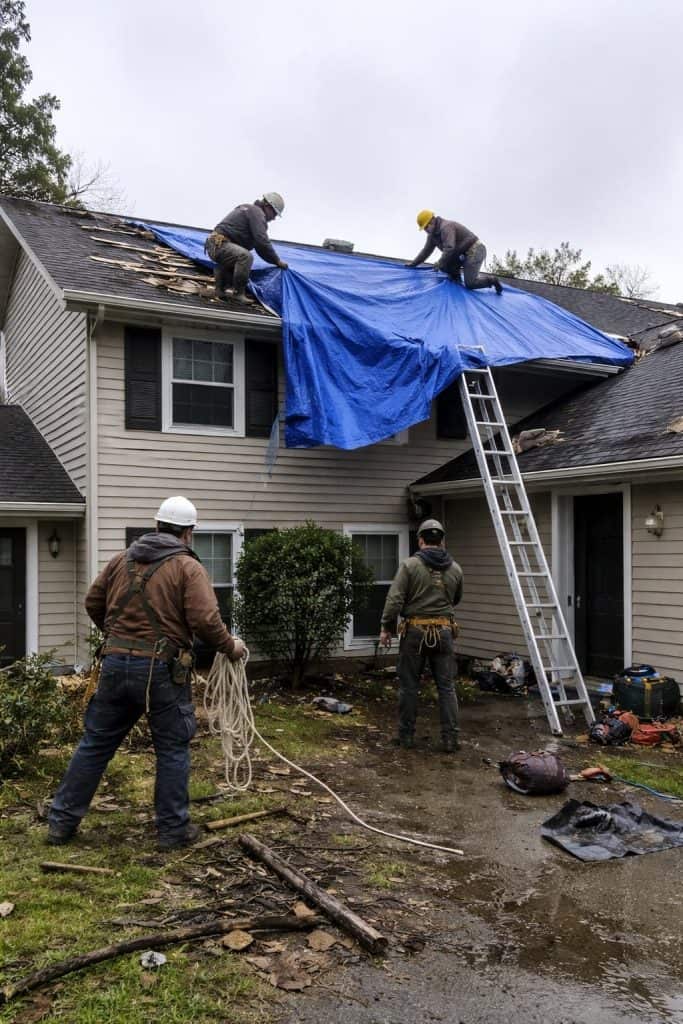
First, our crew checks for power, gas, and structural hazards. Next, we tarp roof damage and board up broken windows. Then our pumps pull out the standing water.
Tear-Out and Cleaning
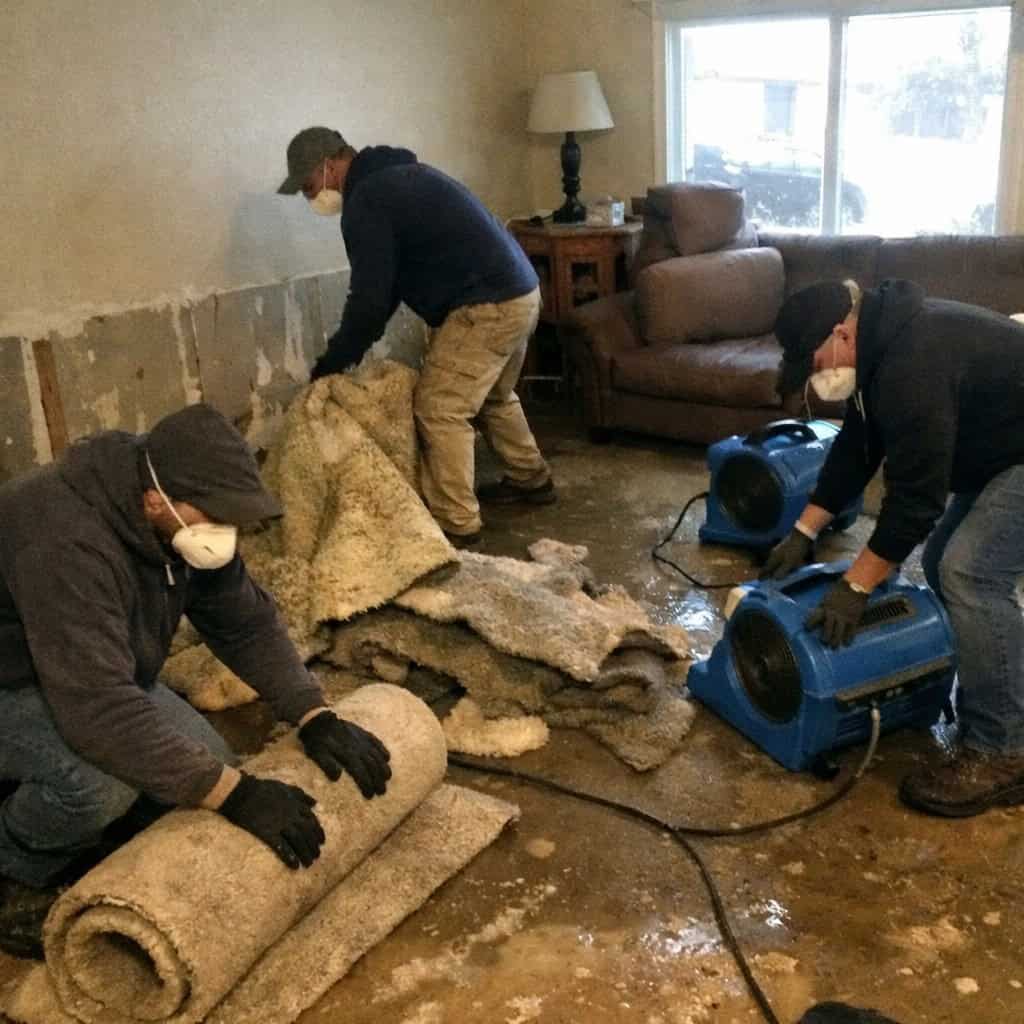
Because surge water carries sewage, we remove soaked drywall, insulation, and carpet. After that, we clean and sanitize the framing and subfloor. We also rinse off salt, since it keeps pulling moisture back into wood.
Drying and Rebuilding
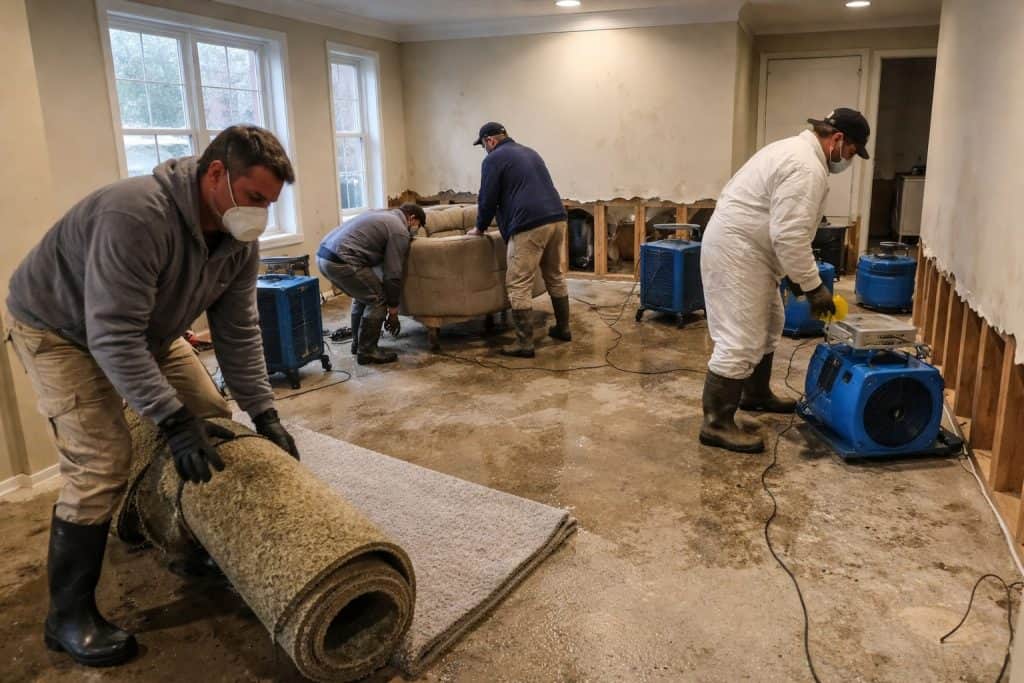
Next, air movers and dehumidifiers run while we check moisture daily. In fact, the EPA notes that drying within 24 to 48 hours helps prevent mold. Finally, a licensed general contractor oversees the rebuild while we talk with your insurer.
Why Surge Damage Is Not a DIY Job
A shop vac and fans can’t dry a flooded wall cavity. Plus, hidden moisture can lead to mold in a finished basement after a storm. Order matters too, as our post on why mitigation must happen before restoration explains.
Has surge water just flooded your home? Call Bowerman Cleaning and Restoration at (844) 269-3762, day or night, for storm damage restoration. We work from 7 Intervale Street, White Plains, NY 10606, and 99 Main St, Nyack, NY 10960. We serve Manhattan and the nearby counties.
Common Questions About Storm Surge Flood Restoration
What does storm surge flood restoration involve for a typical home?
It covers five phases: securing the property, pumping out water, removing wet materials, drying, and rebuilding. Each phase treats the surge water as contaminated. The work moves in that order so hidden moisture doesn’t end up trapped behind new walls.
How is storm surge water different from rain flooding?
Rain from a roof leak often starts out fairly clean. Surge water, on the other hand, comes from the sea. It picks up sewage, fuel, and debris along the way. As a result, crews treat it as highly contaminated, which limits what you can save.
Can my carpet and drywall be saved?
Usually not. Carpet, pad, drywall, and insulation soak up dirty water and hold it. So our crew pulls out these porous materials and replaces them. However, we can often clean and sanitize hard items like tile or solid wood furniture instead.
How long does storm surge restoration take?
It depends on how high the water rose. In general, extraction and tear-out take a few days, and drying takes several more. Rebuilding then adds time based on the repairs. We give you a timeline after the first inspection so you can plan.
Why does salt matter after a surge?
Salt draws moisture from the air back into wood and drywall. So surfaces that look dry can stay damp longer than expected. Salt also speeds up rust on nails and metal parts. That’s why we rinse salt residue off before drying begins.
Should I wait for the insurance adjuster before starting cleanup?
No. Most policies expect you to limit further damage quickly. First, take photos and video of everything. Then call a restoration team to start pumping and drying. We document each step, which gives your adjuster a clear record of the loss.
Is it safe to stay in the house?
It depends on the damage. Standing water can hide electrical hazards, and dirty water poses health risks. If water reached outlets, appliances, or your furnace, stay out until a pro checks the space. We’ll tell you when it’s safe to return.
Do you handle tarping and board-up too?
Yes. Storm surge often comes with high winds that damage roofs and break windows. So our crews tarp exposed roof areas and board up openings on the first visit. That keeps rain, wind, and pests out while drying gets underway.
Conclusion
In short, storm surge flood restoration follows five steps: secure, extract, tear out, dry, and rebuild. Because surge water carries salt and sewage, each step takes more care than a typical leak. Above all, speed protects your home from mold. When the water rises, call Bowerman.