
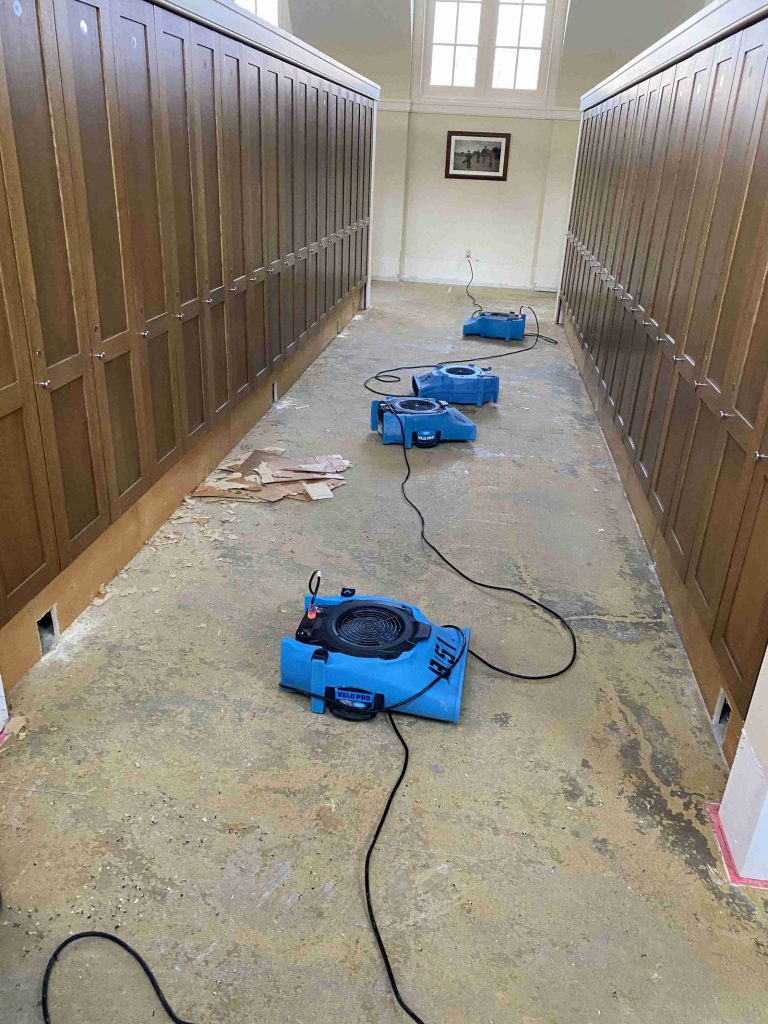
The step by step process of water damage restoration runs in a set order: emergency response, inspection, water removal, tear-out, drying, cleaning, verification and rebuild. Each step depends on the one before it. For NY homeowners, knowing that order makes it easier to follow the work of professional water damage restoration services and spot a step that gets skipped.
Written by the Bowerman Cleaning and Restoration Team · April 2, 2026
Key Takeaways
- Water damage restoration follows eight steps in order, and skipping one usually causes problems later.
- Moisture mapping at the start decides how much material comes out and where equipment goes.
- Drying is checked with daily readings until materials reach a dry target.
- Walls and floors should not be closed up until readings confirm they are dry.
- Rebuild is a separate phase that starts only after drying is documented.
In This Guide
- Why Does the Order of the Steps Matter?
- What Are the Steps of Water Damage Restoration, in Order?
- What Should You See at Each Stage?
- Why Is the Bottom of the Wall Cut Out?
- What Can Change the Process?
- Water Damage Restoration Process FAQs
Why Does the Order of the Steps Matter?
Short answer: each step sets up the next one, so doing them out of order wastes time and money. For example, drying a room before soaked carpet pad is removed means equipment runs for days with little progress. Likewise, hanging new drywall before the framing is dry can trap moisture inside the wall.
The IICRC S500 Standard for Professional Water Damage Restoration is the industry reference that describes this sequence. For the big picture, see this overview of what water damage restoration is. The sections below walk through each step in the order it usually happens.
What Are the Steps of Water Damage Restoration, in Order?
Short answer: respond, inspect, extract, remove, dry, clean, verify, then rebuild. Here is what typically happens at each stage.
- Emergency response. The homeowner reports the leak, and the contractor asks where the water came from and how long it has been there. Those answers shape the equipment and safety precautions needed.
- Safety check and source control. First, the water is shut off and electrical risks are checked. If a plumber or roofer is needed, that call happens now.
- Inspection and moisture mapping. Next, technicians use moisture meters to find where the water traveled. They also photograph the damage and record readings.
- Water extraction. Then pumps and extractors pull standing water out of carpet, pad and hard floors. Removing water now shortens the drying phase.
- Removal of materials that cannot be saved. Soaked pad, swollen drywall and wet insulation often come out. With dirty water, such as sewage or floodwater, more material has to go.
- Drying and dehumidification. After that, air movers and dehumidifiers run, often for several days. Readings are taken at each visit, and equipment moves as areas dry.
- Cleaning, sanitizing and odor control. Surfaces and salvageable contents are cleaned. Antimicrobial products are applied where the water was dirty or mold is a risk.
- Final readings and rebuild. Finally, readings confirm the dry target and the equipment is removed. Then repairs begin: drywall, paint, flooring, cabinets and trim.
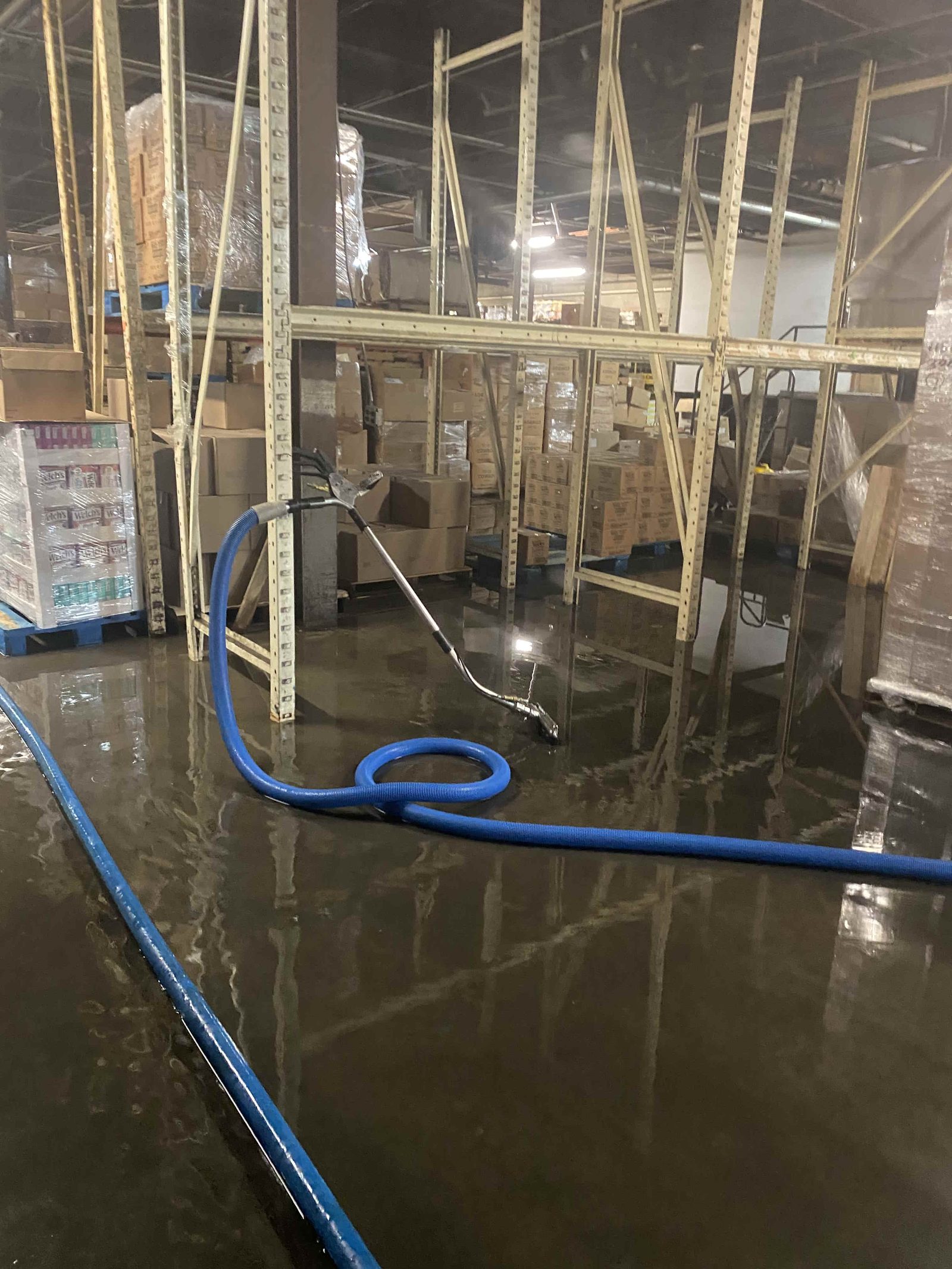
Steps one through seven are often called mitigation, and step eight is the rebuild. Some companies handle both halves, while others hand the rebuild to a separate contractor. The difference between the two is explained in this guide to restoration versus mitigation.
Water still spreading, or not sure where it went? Bowerman Cleaning & Restoration answers 24/7 across Westchester County.
What Should You See at Each Stage?
Short answer: heavy equipment early on, then fewer machines, then repair work. Knowing what normal looks like helps you spot a problem early.
| Stage | What is normal | What to ask |
|---|---|---|
| Day one | Hoses, extractors and furniture being moved | Where did the water travel, and is it clean or dirty? |
| Tear-out | Carpet pad rolled up, lower drywall cut away | What is coming out, and why? |
| Drying | Air movers, dehumidifiers, warm and noisy rooms | What were today’s readings, and what is the dry target? |
| Cleaning | Wiped surfaces, antimicrobial treatment, odor control | Which items can be cleaned, and which should be replaced? |
| Rebuild | New drywall, paint, flooring and trim | Was everything confirmed dry before it was closed up? |
In addition, keep a simple log of dates and the readings you are shown. That record helps if questions come up with your insurer later.
Why Is the Bottom of the Wall Cut Out?
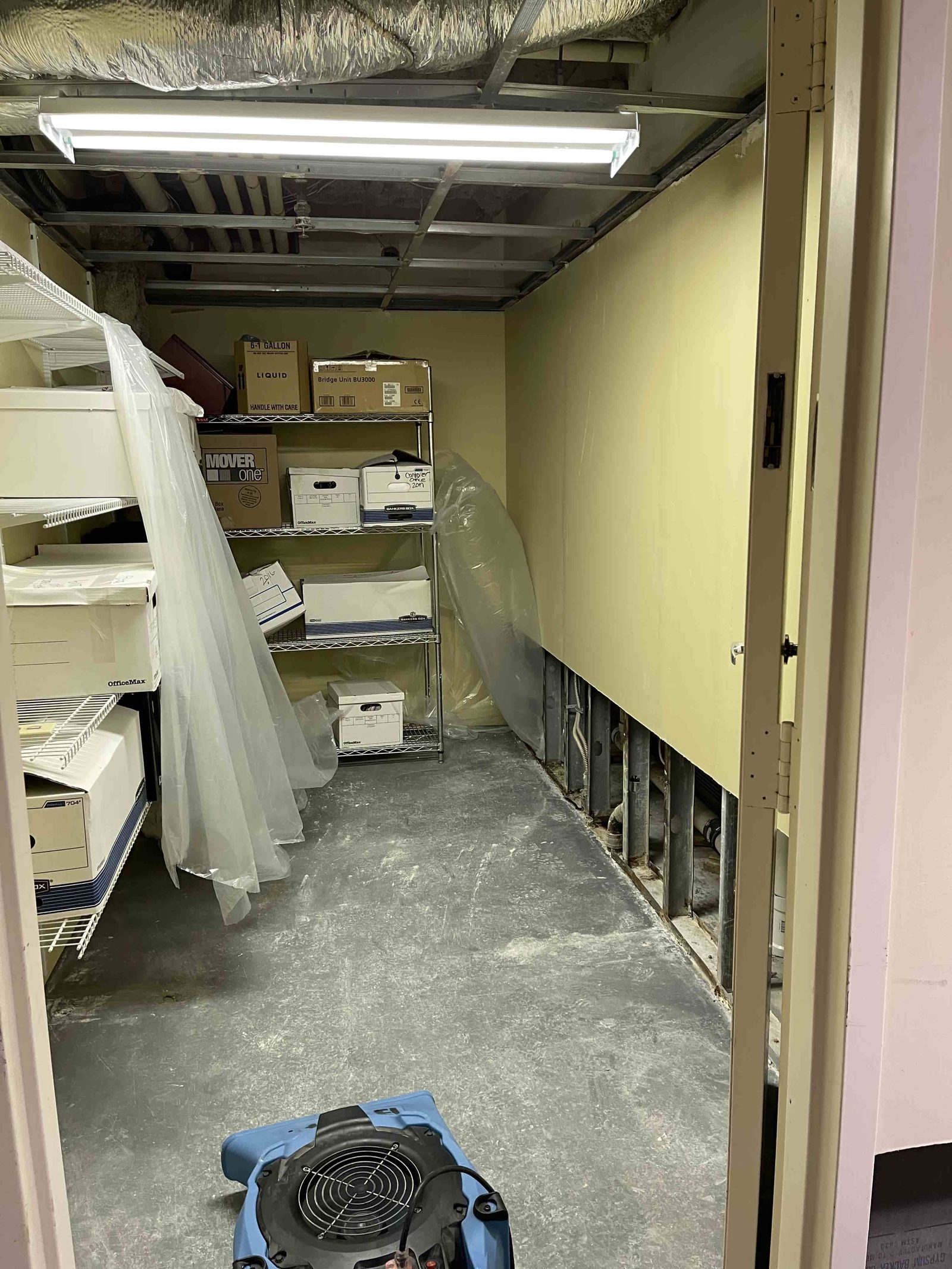
Short answer: it lets the wall cavity dry and removes material that wicked up water. Drywall acts like a sponge. As a result, water climbs above the visible wet line, and insulation behind it stays wet.
A flood cut removes a strip of drywall a short distance above the highest wet reading. The exact height depends on the readings, not on a fixed rule. Once the cavity is open, air can reach the framing, and the framing can be checked directly.
Wet drywall left in place is a common source of hidden mold. In fact, the EPA’s guide to mold and moisture advises drying water-damaged areas within 24 to 48 hours to help prevent mold growth. If walls already show spots or a musty smell, this explainer on mold behind drywall covers what comes next.
What Can Change the Process?
Short answer: the type of water, the building materials and the type of building. The steps stay the same, but how long each one takes and how much material comes out can vary a lot.
Dirty water
Sewage and floodwater carry bacteria, so more porous material is removed and every surface is sanitized. Workers also wear protective gear.
Plaster walls and hardwood floors
Plaster and solid hardwood, common in prewar NY housing, hold water longer than drywall and engineered flooring. So the drying step often runs longer, and small holes may be drilled to vent wall cavities.
Apartments and condos
In multi-unit buildings, water from one unit often reaches the unit below. Each unit may need its own inspection and records, even when one leak caused both.
Water Damage Restoration Process FAQs
How long does each step of water damage restoration take?
The emergency steps usually happen on the first day. Drying often takes several days, depending on what got wet and how long it sat. Rebuild time depends on how much material was removed and how quickly materials can be ordered.
Can I skip the tear-out and just dry the room?
Sometimes. Hard surfaces caught early can often be dried in place. However, soaked carpet pad, wet insulation and drywall that wicked dirty water usually have to come out. Moisture readings, not guesswork, should decide.
Who decides when the drying step is finished?
Readings from the wet materials are compared with a dry standard, usually taken from an unaffected area of the same home. When the wet areas match that target, drying is done. Ask to see those readings before the equipment leaves.
Does the restoration contractor fix the leak?
Usually not. Fixing the source is normally the owner’s responsibility, so a plumber or roofer handles the repair. The restoration contractor confirms the water is stopped and may help coordinate that work.
Is the process different for sewage or floodwater?
Yes. Dirty water carries bacteria, so more materials come out, and workers wear protective gear. Cleaning and sanitizing take more time. This overview of sewage damage cleanup explains the extra steps.
What should I move out of the way before work starts?
If it is safe, move dry valuables, papers, medicine and small electronics to a dry room. Leave heavy furniture for the crew. Take photos of everything first, so your insurer can see the damage as you found it.
Need help with water damage in Westchester County? Bowerman Restoration LLC d/b/a Bowerman Cleaning & Restoration, 7 Intervale Street, White Plains, NY 10606, answers 24/7 at (844) 269-3762.