
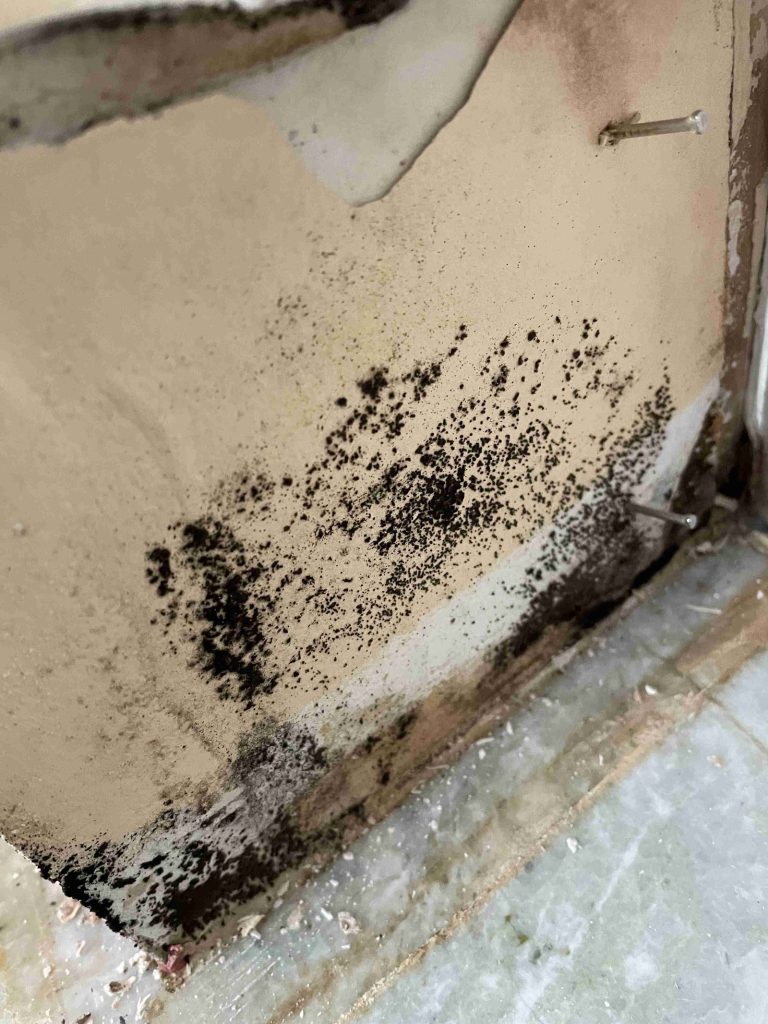
Black mold vs household mold is a language problem. “Black mold” is a popular nickname for dark growth, sometimes assumed to be one species. Household mold is simply growth that appears in a home, in any color. In NY, color is a poor guide. Professional mold remediation services still depend on moisture and extent, and any species identification belongs to an independent assessor.
Written by the Bowerman Cleaning and Restoration Team · June 3, 2026
Key Takeaways
- “Black mold” is a nickname, not a reliable identification.
- Many kinds of growth, and even some dirt or water stains, can look dark.
- If a species name is actually needed, laboratory analysis by an independent assessor is the path, not a photograph.
- The work on the building is driven by moisture and extent, not by the nickname used for the stain.
In This Guide
- What Do People Mean by Black Mold Versus Household Mold?
- Why Is Color a Poor Guide?
- If Identification Is Needed, Who Should Do It, and What About Health Questions?
- What Should You Do When You See Dark Growth?
- Black Mold vs Household Mold FAQs
What Do People Mean by Black Mold Versus Household Mold?
Short answer: black mold is a popular name for dark growth; household mold is any growth indoors, regardless of color. The two phrases are not a scientific pair of categories.
When someone says black mold, they usually mean a stain that looks dark and, often, that they have heard is especially dangerous. Household mold is a looser phrase for growth that shows up in bathrooms, basements, attics, or other indoor rooms, whether it looks dark, green, white, or spotted. Neither phrase identifies a species.
One species that is sometimes given the black mold nickname is *Stachybotrys chartarum*. Other organisms can also appear dark. Naming that species from a photo, a memory of a news story, or the shade of a stain is not reliable. The EPA brief guide focuses on moisture and cleanup rather than on homeowners assigning species names by eye.
Why Is Color a Poor Guide?
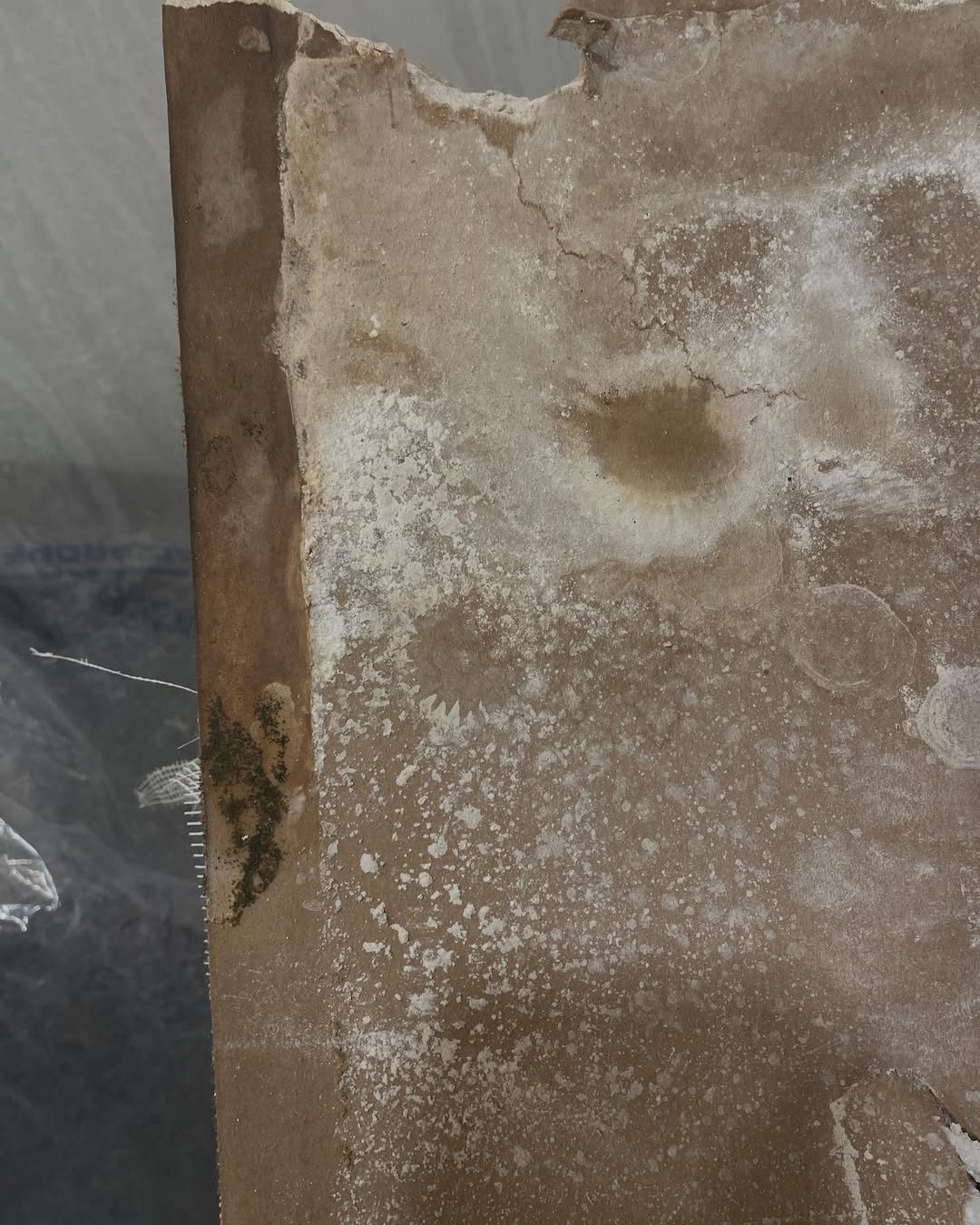
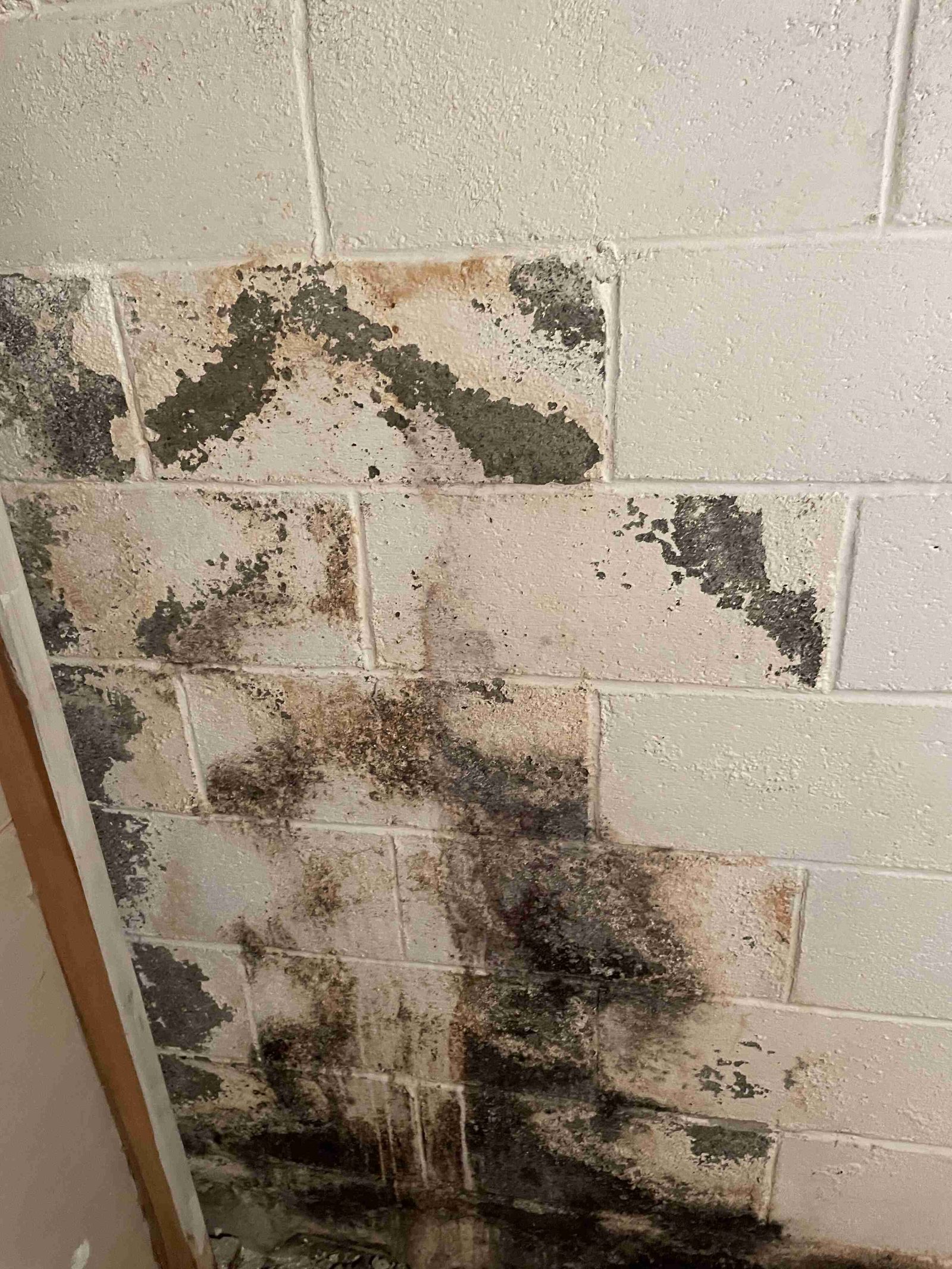
Short answer: many kinds of growth can look dark, and some dark marks are dirt or water staining rather than mold. A useful investigation still starts with moisture, not with a color chart.
| What you might see | What it may be | What it does not prove |
|---|---|---|
| A dark patch on drywall | Growth, dirt, or water staining | A species name |
| Dark spots on a basement wall | Growth, efflorescence, or soil staining | That the growth is, or is not, one famous species |
| A lighter film on a window or grout | Surface growth often called mildew | That the rest of the house is unaffected |
| A stain that returns after paint | Ongoing moisture, whatever the color was | That paint failed because of a particular type |
What mold remediation is is still the practical framework: find the source, define the extent, contain the work, and remove or clean affected materials. A darker patch does not automatically require a different set of physical steps than a lighter one of the same size and depth. If the stain may be hiding a cavity problem, how you know if mold is behind drywall is the closer next read. A related guide on how you prevent mold from coming back covers the moisture side after cleanup. Everyday moisture habits are also collected on the mold tips page.
If Identification Is Needed, Who Should Do It, and What About Health Questions?
Short answer: an independent mold assessor handles sampling; a doctor handles health questions. The remediator should not do both the official testing and the cleanup on a NY project. This article does not state health effects as fact and does not offer medical advice.
If a formal species identification or air sampling is actually needed, New York keeps that work with a licensed mold assessor or an industrial hygienist who is independent of the remediator on the same property. The NY Mold Program requires that split. A remediation contractor should not “confirm black mold” with its own test and then perform the cleanup on that same project.
The EPA notes that mold can cause allergic reactions in some people. That general statement is not a diagnosis, and it is not a reason to label a dark stain as toxic. Color and nicknames are not medical findings. Anyone with a health concern should speak with a physician, separate from the building work.
Questions about a mold problem in Westchester County, NY? Bowerman Cleaning & Restoration answers 24/7.
What Should You Do When You See Dark Growth?
Short answer: treat it as a moisture and extent problem: protect the area, avoid scattering dust, and have the source and the scope defined. The color can wait. The leak should not.
- Do not rely on the nickname. Calling it black mold does not change the first tasks.
- Limit disturbance. Avoid scraping or running a fan over the area until a plan is in place, so dust is not spread.
- Look for the moisture source. A leak, a damp basement, or high humidity matters more than the shade of the stain.
- Get a proper scope if the area is large or hidden. In New York, an independent assessor typically writes that scope. Remediation then follows it, and any clearance testing is also independent.
The IICRC S520 standard likewise treats conditions and the amount of growth as the basis for methods, not a color label.
Black Mold vs Household Mold FAQs
Is black mold more dangerous than other household mold?
This article does not rank types by health risk or call any stain toxic. Danger to people is a medical question for a doctor. For the building, the amount of growth, the materials involved, and whether moisture remains are the practical measures.
If a stain is not black, is it less serious?
Not necessarily. A large or hidden area of lighter growth can be a bigger building problem than a small dark spot. Color is a poor guide to extent.
Can a contractor tell you it is black mold by looking?
A contractor can say that dark growth is present. A species name requires laboratory analysis. In New York, that testing should be done by an independent assessor, not by the remediator on the same project.
Should I treat dark growth with a stronger cleaner?
A stronger cleaner does not replace moisture control or a complete scope. On porous materials, spraying a dark stain can also disturb dust without finishing the job.
Does every dark stain need to be tested?
No. Many jobs proceed from a visual assessment of extent and moisture. Testing is a tool for an independent assessor when that assessor needs more information, not an automatic first step for every dark mark.
Have questions about black mold vs household mold in a Westchester NY home? Bowerman Restoration LLC d/b/a Bowerman Cleaning & Restoration, 7 Intervale Street, White Plains, NY 10606, answers 24/7 at (844) 269-3762.