
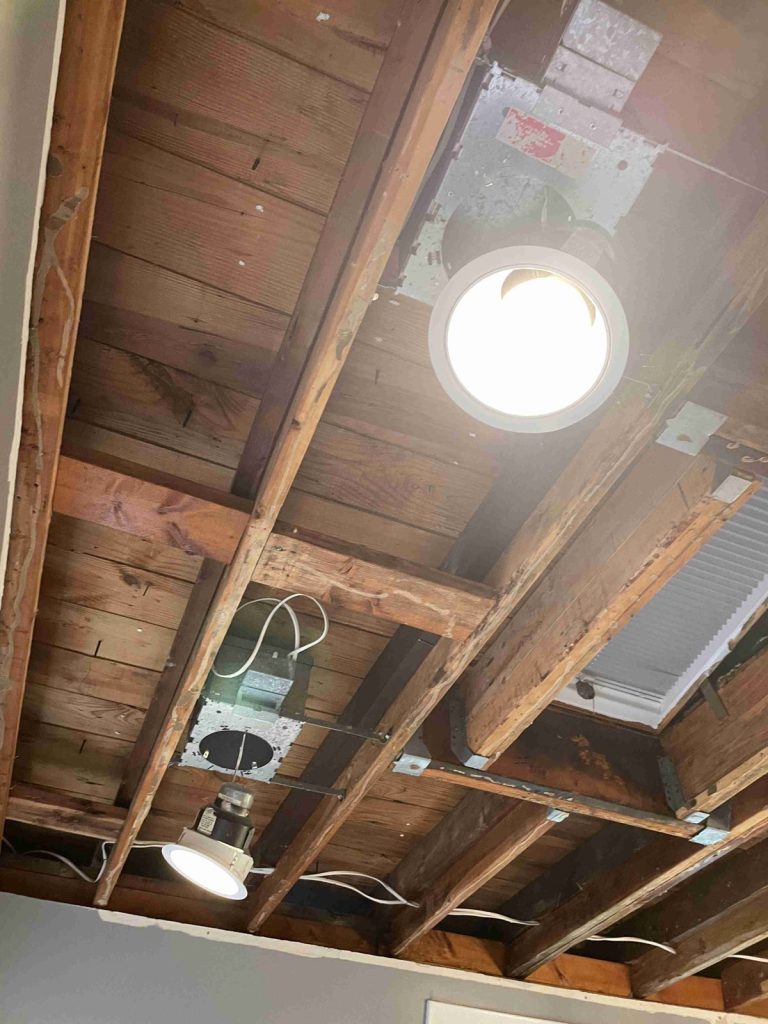
Asbestos in older homes is common in NY housing built before the 1980s. Builders used it in insulation, flooring, siding, roofing, plaster, and joint compound because it resisted heat and wear. Most of it causes little trouble while it stays intact and is left alone. The risk rises when it is cut, sanded, drilled, or broken during repairs, renovation, or damage. Westchester County has a large stock of pre-war and mid-century houses, so these materials turn up often when kitchens, baths, and basements are opened.
Written by the Bowerman Cleaning and Restoration Team · July 21, 2026
Key Takeaways
- Homes built before about 1980 are the most likely to contain asbestos materials.
- Intact material that is left alone is often lower risk than the same material after it is disturbed.
- Only lab analysis of samples taken by an independent inspector can confirm asbestos.
- Plan a survey before renovation, demolition, or major repairs, not after the walls are open.
In This Guide
- Which Eras of Homes Are Most Likely to Contain Asbestos?
- What Should Owners of Older Homes Do?
- What Changes When Buying or Selling an Older Home?
- How Should Repair and Remodel Plans Account for Age?
- Asbestos in Older Homes FAQs
Which Eras of Homes Are Most Likely to Contain Asbestos?
Short answer: houses built from the early 1900s to about 1980 carry the highest likelihood, with use peaking from the 1940s through the 1970s. Later homes can still contain some products that were made or installed after the first restrictions.
| Era | Common asbestos uses |
|---|---|
| Early 1900s to 1930s | Boiler and pipe insulation, some plaster, roofing |
| 1940s to 1950s | Pipe wrap, duct insulation, cement siding, floor tile |
| 1960s to 1970s | Vinyl floor tile and mastic, textured ceilings, joint compound, vermiculite |
| 1980s and later | Less common, but some remaining products were still installed |
A house can also have a mix of eras. An older Colonial may have original pipe insulation in the basement and a 1970s kitchen floor on top of an even older one. Additions, boiler replacements, and earlier remodels all leave layers. That is why the age of the house is a starting clue, not a complete answer. A related case study shows what asbestos pipe insulation removal involves in older homes.
Homes built well after 1980 are less likely to have these products, but a survey is still the right step when a project will disturb older additions, leftover tile, or undocumented materials. Year of construction alone cannot clear a work area.
What Should Owners of Older Homes Do?
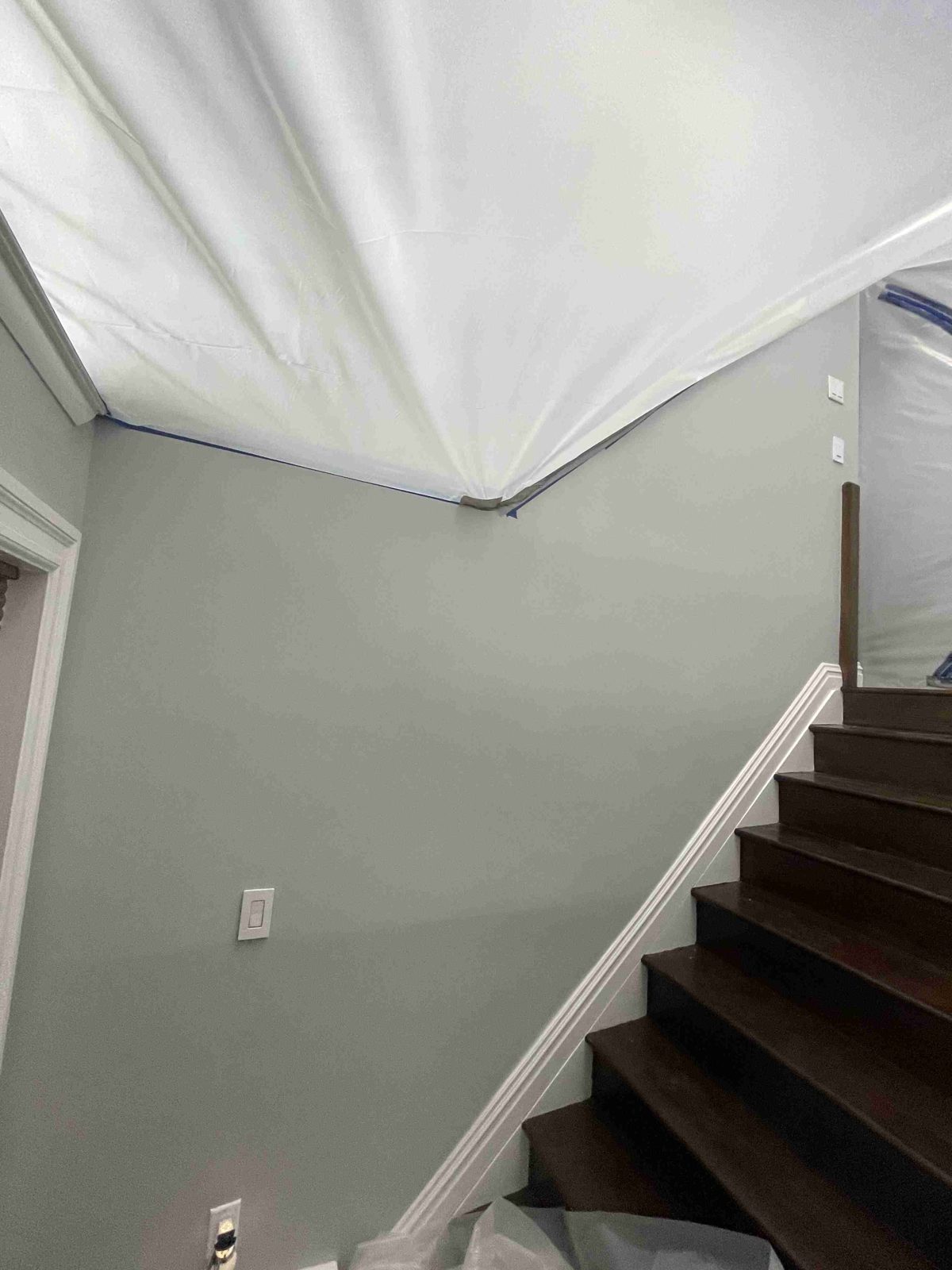
Short answer: leave suspect materials alone, note their condition, and order a survey before any work that could disturb them. A survey is almost always cheaper than stopping a renovation after demolition has started.
- Do not sand, scrape, or drill suspect material to see what it is.
- Note damage such as crumbling pipe wrap, broken tiles, or water-stained ceiling texture, and keep people away from it.
- Hire an independent licensed inspector to sample the material and send it to an accredited lab.
- Share the report with the renovation contractor before demolition starts.
The EPA advice on protecting your family from asbestos is consistent with that list: do not disturb the material, and use trained professionals for sampling and for any removal or repair. Why asbestos is dangerous explains the health reason for not treating suspect dust as ordinary construction dirt.
Everyday living in a house with intact, undisturbed materials is a different situation from a remodel. Walking on sound floor tile or leaving closed walls alone is not the same as opening those assemblies. The survey should cover the areas that will be disturbed, and it should be recent enough to match the current project.
Planning work around suspect asbestos material in Westchester County, NY? Bowerman Cleaning and Restoration answers 24/7.
What Changes When Buying or Selling an Older Home?
Short answer: a standard home inspection may flag suspect materials, but it does not confirm asbestos; a separate survey does. Buyers often use the result to plan renovations or to understand what will stay in place.
Most general home inspectors note materials that look like they could contain asbestos. They usually do not collect samples. If those notes appear in an inspection report, a buyer may ask for an asbestos survey during the contract period. A seller who already has a survey and, if work was done, abatement and disposal records can answer questions without delay.
Removal is not automatically required before a sale. Intact material can be disclosed and left in place. Some buyers still want certain materials removed before they renovate. Those choices belong in the negotiation, based on the report and the planned work, not on guesswork.
How Should Repair and Remodel Plans Account for Age?
Short answer: by treating pre-1980 houses as likely to need a survey whenever floors, walls, ceilings, or mechanical insulation will be opened. The NYS Department of Labor asbestos program explains the survey expectations that apply before renovation or demolition.
Basement waterproofing, boiler replacement, kitchen and bath remodels, attic finishing, and siding or window projects are the usual triggers. If water or fire damage has already broken older materials, the same survey step applies before tear-out. For the work that follows a positive result, see what is asbestos abatement and what is asbestos removal. When removal is needed, the asbestos removal and abatement page describes the service.
Repair projects in older houses deserve the same caution as a full remodel. Cutting a hole for a new bath fan, opening a chase for a plumbing repair, or lifting a few floor tiles to reach a subfloor can disturb the same materials a gut renovation would. In Westchester County, many houses have had partial updates over several decades, so one remodeled room is not proof that the next room, or the layer under a newer floor, is clear. A targeted survey of the work area is still the step that should come first.
Asbestos in Older Homes FAQs
Does every old house have asbestos?
No, but many do. The only way to know about a specific material is a survey with lab analysis of samples.
Is asbestos in an old home dangerous if left alone?
Intact, undisturbed material releases few fibers. Risk increases when the material is damaged or disturbed.
Can a home inspector test for asbestos?
Most general home inspectors only note suspect materials. Sampling and lab analysis come from an independent licensed asbestos inspector and an accredited lab.
Should asbestos be removed before selling?
Not always. Some sellers disclose and leave intact material. Others remove it to simplify a planned remodel. Condition and the buyer’s plans decide more than a blanket rule.
What if asbestos is found during a renovation of an older home?
Stop work in that area, keep people out, and arrange sampling and, if confirmed, abatement before continuing.
Planning work around asbestos in older homes in Westchester NY? Bowerman Restoration LLC d/b/a Bowerman Cleaning & Restoration, 7 Intervale Street, White Plains, NY 10606, answers 24/7 at (844) 269-3762.