
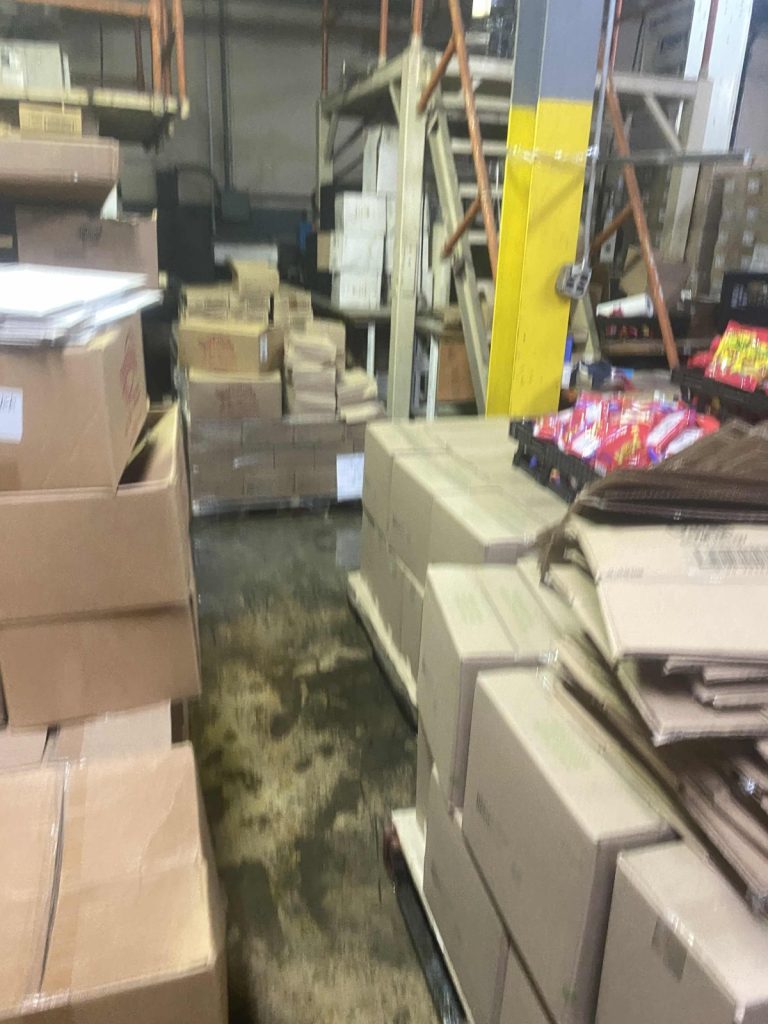
The usual items to discard after a sewage backup in NY homes are porous things the wastewater touched: mattresses, carpet and pad, upholstered furniture, drywall and insulation below the wet line, particleboard furniture, boxed papers, soft toys, and any food or medicine nearby. Hard, nonporous items can often be cleaned, disinfected, and kept.
Written by the Bowerman Cleaning and Restoration Team · September 7, 2026
Key Takeaways
- Porous items that touched wastewater are usually discarded because they cannot be cleaned all the way through.
- Hard, nonporous items such as metal, glass, and ceramic can often be cleaned and kept.
- Photograph and list everything before it leaves the house so the claim is supported.
- Food, medicine, cosmetics, and baby items that the water reached should always go.
In This Guide
- Which Items Are Usually Discarded?
- What Can Often Be Cleaned and Kept?
- What Should Happen Before Anything Is Thrown Out?
- What About Documents, Photos, and Keepsakes?
- Items to Discard After a Sewage Backup FAQs
Which Items Are Usually Discarded?
Short answer: anything soft or absorbent that sat in or soaked up wastewater.
| Item | Why it is usually discarded | Note |
|---|---|---|
| Mattresses and box springs | Thick foam and fabric absorb wastewater deep inside | Even a wet corner usually means replacement |
| Wall-to-wall carpet and pad | Pad holds contamination like a sponge | Keep a small swatch for the claim |
| Upholstered furniture | Cushions, foam, and fabric absorb water | Solid wood frames are sometimes salvageable |
| Drywall and insulation below the wet line | Wicks water and holds residue in the cavity | Removed with a flood cut above the wet line |
| Particleboard and MDF furniture | Swells and absorbs water | Includes many cabinets and shelving units |
| Cardboard boxes and paper goods | Soak through and break down | Contents inside may also be lost |
| Food, medicine, and cosmetics | Packaging cannot be trusted after contact | Includes sealed jars with screw tops |
| Stuffed toys, pillows, and baby items | Cannot be fully disinfected | Baby bottles and pacifiers included |
The CDC guidelines for cleaning safely after a disaster list many of the same items, including mattresses, carpet, padding, upholstered furniture, stuffed animals, pillows, and paper products, and advise removing drywall and insulation contaminated with sewage. A full overview of the work is in what is sewage damage cleanup.
What Can Often Be Cleaned and Kept?
Short answer: hard, nonporous items and washable fabrics, once they are cleaned and disinfected.
- Metal, glass, and ceramic items such as pots, dishes, tools, and fixtures.
- Solid hard plastic items such as storage bins and outdoor furniture.
- Solid wood furniture that was only briefly wet, after cleaning and drying, case by case.
- Washable clothing and linens, laundered in hot water with detergent.
- Valuable area rugs, which a rug specialist may be able to clean, case by case.
This is a stricter standard than for clean-water leaks. The live list of salvageable items after water damage covers clean water, where far more can be saved. The CDC also recommends washing clothes that touched flood or sewage water in hot water and detergent before reuse.
Sewage backup at a Westchester County, NY property? Bowerman Cleaning and Restoration answers 24/7.
What Should Happen Before Anything Is Thrown Out?
Short answer: photograph it, list it, and check with the insurer, then bag it and move it out of the house.
- Photograph each item. Take a wide shot and a close-up showing the water line or damage.
- Make a list. Write down the item, brand, approximate age, and what it would cost to replace.
- Keep samples. Save a small swatch of carpet, pad, or upholstery fabric if the adjuster asks.
- Check with the insurer. Ask whether the adjuster wants to see items before disposal.
- Bag and remove. Double-bag smaller items and move everything out of living spaces quickly.
- Follow local disposal rules. Check the town or village rules for bulk pickup and mattress disposal.
Coverage for a backup often depends on a water backup endorsement, which the live guide on water damage insurance coverage explains, and the filing a claim page covers what documentation helps.
What About Documents, Photos, and Keepsakes?
Short answer: they are hard to make safe at home, so record them first and treat recovery as a separate decision.
Important papers, printed photos, and keepsakes that touched wastewater are difficult to clean without damage. Photographing or scanning documents preserves the information for replacement. For irreplaceable items, specialty document and photo recovery services exist, but contaminated items should be bagged and kept away from living areas while that decision is made.
The same principle applies to every room: porous materials that absorbed contamination come out. The live guide to materials removed in biohazard cleanup explains that logic for other contaminants. The sewage damage cleanup and restoration page outlines how removal, cleaning, and drying fit together.
Items to Discard After a Sewage Backup FAQs
Can a mattress be cleaned after a sewage backup?
Usually not. Wastewater soaks deep into the foam and fabric, so a mattress that touched it is normally replaced.
Can clothes be saved after sewage contact?
Washable clothes can usually be laundered in hot water with detergent. Items that cannot take hot water are often discarded. The sewage cleanup mistakes guide covers this in more detail.
What about canned food?
Commercially canned food in undamaged cans can sometimes be cleaned and kept, but anything in jars, boxes, or bags that the water reached should be thrown out.
Should items be thrown out right away?
Photograph and list them first, and check whether the adjuster wants to see them, then remove them from the living space quickly.
Is hardwood flooring always discarded?
Not always. It depends on how long it was wet and whether water got underneath, which a moisture check helps decide.
Sorting out items to discard after a sewage backup in a Westchester NY home? Bowerman Restoration LLC d/b/a Bowerman Cleaning & Restoration, 7 Intervale Street, White Plains, NY 10606, answers 24/7 at (844) 269-3762.