
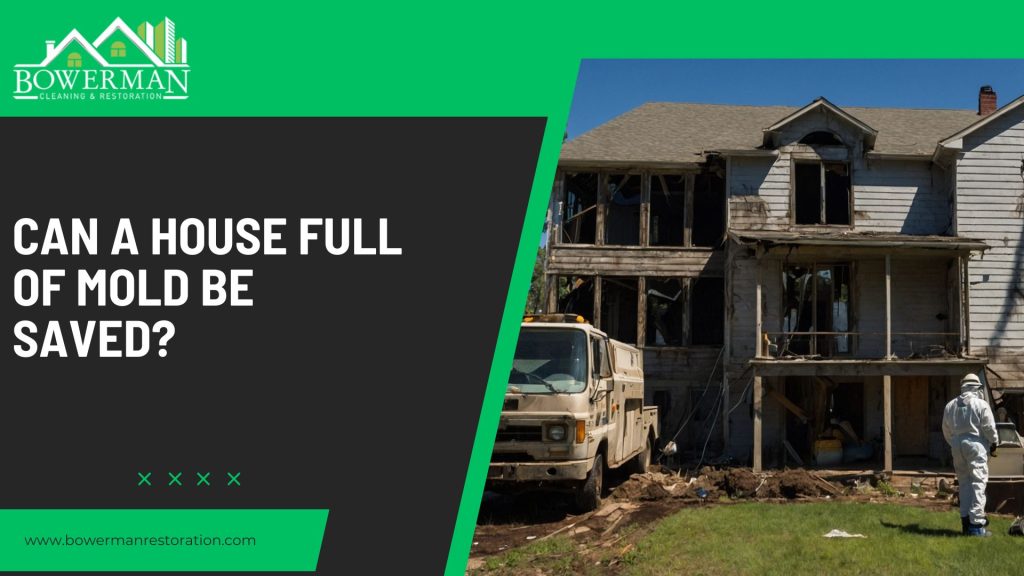

Discovering extensive mold growth throughout your home can feel like a devastating blow. The sight of black, green, or white fuzzy patches spreading across walls, ceilings, and personal belongings often leaves homeowners wondering whether their property can be salvaged or if they’re facing a total loss. The question “can a house full of mold be saved” is one that many property owners face, especially after water damage incidents, flooding, or prolonged moisture issues.
The reality is that most homes with severe mold infestations can indeed be restored to safe, habitable conditions with proper remediation techniques and professional intervention. However, the success of saving a moldy house depends on several critical factors including the extent of contamination, the types of mold present, the structural materials affected, and how quickly action is taken once the problem is identified.
Mold remediation is a complex process that goes far beyond simply cleaning visible growth. It requires understanding the underlying moisture sources, assessing structural damage, determining which materials can be cleaned versus those that must be removed, and implementing comprehensive prevention strategies to ensure the problem doesn’t return. The key to successfully saving a moldy house lies in taking swift, decisive action and working with qualified professionals who understand the intricacies of mold behavior and removal.
While the prospect of dealing with extensive mold contamination can seem overwhelming, advances in remediation technology and techniques have made it possible to restore even severely affected properties. The process may be intensive and costly, but it’s often more economical than demolition and rebuilding, especially when the home’s structural integrity remains intact. Understanding your options and the remediation process can help you make informed decisions about whether to invest in saving your moldy house or explore alternative solutions.
Key Takeaways
- Most mold-infested homes can be saved: Even houses with extensive mold contamination can typically be restored to safe, habitable conditions through professional remediation, though the process may be complex and costly depending on the severity of the infestation.
- Quick action is crucial: The sooner you address mold problems, the better your chances of successful remediation and lower costs. Delaying treatment allows mold to spread further and potentially cause more structural damage.
- Professional assessment is essential: Qualified mold remediation specialists can determine the extent of contamination, identify all affected areas including hidden growth, and develop comprehensive treatment plans tailored to your specific situation.
- Moisture control is fundamental: Successfully saving a moldy house requires identifying and eliminating all moisture sources that enabled mold growth, including leaks, humidity issues, and ventilation problems.
- Some materials may need replacement: While many surfaces can be cleaned and restored, porous materials like drywall, insulation, and carpeting may require complete removal and replacement when heavily contaminated.
- Health considerations matter: Certain types of mold pose serious health risks, and the decision to remediate should factor in the safety of occupants, especially those with respiratory conditions or compromised immune systems.
- Prevention is key to long-term success: Saving a moldy house isn’t just about removing existing contamination—it requires implementing ongoing moisture control and monitoring systems to prevent future mold growth.
Understanding Mold Contamination Levels
The feasibility of saving a moldy house largely depends on understanding the scope and severity of contamination. Mold growth is typically categorized into different levels based on the affected square footage and the types of materials involved. Small, localized infestations covering less than 10 square feet can often be addressed with basic cleaning procedures, while larger contaminated areas require increasingly sophisticated remediation approaches.
Moderate contamination, covering 10 to 100 square feet, usually indicates a more serious underlying moisture problem that has allowed mold to establish itself over time. These situations often involve multiple rooms or large sections of individual rooms and may require partial removal of building materials. The good news is that moderate contamination is still very manageable with proper professional intervention.
Extensive contamination, covering more than 100 square feet or involving HVAC systems, represents the most challenging scenarios. These cases often result from major water events like flooding, burst pipes, or long-term roof leaks that went unaddressed. However, even extensive contamination doesn’t automatically mean a house cannot be saved. The determining factors become the structural integrity of the building, the types of materials affected, and the economic feasibility of remediation versus replacement.
The location of mold growth also significantly impacts remediation strategies. Surface mold on non-porous materials like glass, metal, or sealed wood can typically be cleaned effectively. However, mold that has penetrated porous materials like drywall, insulation, or subflooring presents greater challenges and may require material replacement. Understanding these distinctions helps property owners make informed decisions about the remediation approach and associated costs.

The Mold Remediation Process
Successfully saving a moldy house requires following a systematic remediation process that addresses both visible contamination and underlying causes. The process begins with a comprehensive assessment to determine the full extent of mold growth, including areas that may not be immediately visible. This assessment involves moisture mapping, air quality testing, and sometimes invasive inspection techniques to identify hidden mold behind walls or under flooring.
Containment is the next critical step, involving the isolation of contaminated areas to prevent mold spores from spreading to clean parts of the house during remediation work. Professional remediation teams use plastic sheeting, negative air pressure systems, and specialized equipment to create controlled work environments. This containment phase is crucial for protecting both workers and uncontaminated areas of the home.
The actual removal process varies depending on the materials involved. Non-porous surfaces can often be cleaned using specialized antimicrobial solutions and HEPA-filtered equipment. Porous materials that cannot be effectively cleaned must be carefully removed and disposed of according to local regulations. This phase often represents the most labor-intensive and costly part of the remediation process, especially when structural materials like subflooring or framing are affected.
Drying and dehumidification follow the removal phase, ensuring that all moisture is eliminated from the affected areas. Industrial-grade dehumidifiers, air movers, and heating equipment may be used for several days or weeks to achieve proper moisture levels. This step is critical because any remaining moisture can lead to new mold growth, undermining the entire remediation effort. Professional teams monitor moisture levels throughout this process to ensure complete drying.

Factors That Determine Salvageability
Several key factors determine whether a house full of mold can be successfully saved, with structural integrity being perhaps the most important consideration. If mold growth has compromised load-bearing elements like floor joists, wall studs, or roof trusses, the cost and complexity of remediation increase dramatically. However, even significant structural damage doesn’t automatically make a house unsalvageable—it simply requires more extensive reconstruction as part of the remediation process.
The type of mold present also influences remediation decisions. While all mold should be taken seriously, certain species like Stachybotrys chartarum (black mold) or Aspergillus fumigatus pose greater health risks and may require more aggressive remediation approaches. Professional testing can identify specific mold types and help determine appropriate safety protocols and remediation strategies. Some insurance policies may also treat different mold types differently in terms of coverage.
The duration of mold growth significantly impacts the feasibility of saving a moldy house. Recent contamination from a water event that’s addressed within days or weeks is generally much easier to remediate than mold that has been growing for months or years. Long-term mold growth has more time to penetrate building materials, spread throughout the structure, and cause secondary damage like wood rot or metal corrosion.
Economic factors play a crucial role in determining whether to save a moldy house. The cost of comprehensive remediation can range from thousands to tens of thousands of dollars, depending on the extent of contamination. Property owners must weigh these costs against the home’s value, their insurance coverage, and their personal attachment to the property. In some cases, the economics may favor demolition and rebuilding, while in others, remediation represents the most cost-effective solution.
Professional vs. DIY Remediation
The decision between professional and DIY mold remediation significantly impacts the success of saving a moldy house. While small, localized mold problems may be suitable for homeowner treatment, extensive contamination almost always requires professional intervention. Professional remediation companies bring specialized equipment, training, and experience that are essential for handling large-scale mold problems safely and effectively.
Professional remediation teams have access to industrial-grade equipment that isn’t available to typical homeowners. This includes HEPA air scrubbers, negative air machines, commercial dehumidifiers, and specialized cleaning solutions. They also have the training to properly assess contamination levels, identify hidden mold growth, and implement appropriate containment measures. Perhaps most importantly, they understand the safety protocols necessary to protect both workers and occupants from mold exposure during the remediation process.
DIY remediation attempts on extensive mold problems often fall short because homeowners lack the tools and knowledge to address hidden contamination or underlying moisture issues. Without proper containment, DIY efforts can actually spread mold spores to previously uncontaminated areas, making the problem worse. Additionally, inadequate personal protective equipment can expose homeowners to dangerous levels of mold spores, potentially causing serious health problems.
Insurance considerations also favor professional remediation for extensive mold problems. Many insurance policies require professional assessment and remediation for coverage to apply. Professional companies also carry liability insurance and can provide documentation that may be required for insurance claims or future property sales. When the goal is saving a moldy house, the expertise and resources that professionals bring often make the difference between successful remediation and ongoing problems.
Prevention and Long-term Success
Successfully saving a moldy house extends beyond the initial remediation process to include comprehensive prevention strategies that address the root causes of mold growth. Moisture control remains the cornerstone of long-term success, as mold cannot grow without adequate moisture. This means identifying and permanently fixing all water intrusion sources, from roof leaks and plumbing problems to foundation issues and poor drainage around the home’s exterior.
Proper ventilation plays a crucial role in preventing mold recurrence. Areas prone to moisture buildup, such as bathrooms, kitchens, and basements, need adequate exhaust ventilation to remove humid air before it can condense on surfaces. Whole-house ventilation systems may be necessary in some cases, especially in tightly sealed homes where natural air exchange is limited. Regular maintenance of HVAC systems, including ductwork cleaning and filter replacement, also helps maintain good indoor air quality.
Humidity control throughout the home is essential for long-term mold prevention. Indoor humidity levels should be maintained between 30-50% to discourage mold growth while remaining comfortable for occupants. This may require the installation of whole-house dehumidification systems, especially in humid climates or homes with persistent moisture issues. Regular monitoring with hygrometers helps ensure humidity levels remain in the appropriate range.
Ongoing monitoring and maintenance are critical components of preventing mold recurrence after saving a moldy house. This includes regular inspections of areas that were previously contaminated, prompt attention to any new water intrusion events, and maintenance of moisture control systems. Some homeowners choose to implement professional monitoring services that include periodic air quality testing and visual inspections to catch any new mold growth before it becomes a major problem.
Companies like Bowerman specialize in comprehensive mold remediation services that not only address existing contamination but also help homeowners implement effective prevention strategies. Their expertise in moisture control, structural drying, and long-term monitoring can be invaluable in ensuring that a saved house remains mold-free for years to come.
Frequently Asked Questions
Can a house with mold throughout multiple rooms be saved? Yes, houses with mold in multiple rooms can typically be saved through comprehensive professional remediation. The process may be more complex and costly, but systematic treatment of each affected area, combined with addressing underlying moisture issues, can restore the home to safe conditions.
How long does it take to remediate a house full of mold? The timeline for saving a moldy house varies significantly based on the extent of contamination, but typically ranges from one to several weeks. Extensive cases requiring structural repairs may take months to complete fully.
Is it safe to live in a house during mold remediation? Generally, occupants should relocate during extensive mold remediation due to the disturbance of mold spores and use of industrial equipment. Professional remediation companies can advise on safety protocols and timeline for safe re-occupancy.
What’s the cost difference between saving a moldy house versus rebuilding? Remediation costs typically range from $10,000 to $50,000 for extensive contamination, while rebuilding can cost $100,000 or more. The specific circumstances of each case determine which option is more economical.
Can black mold contamination be completely eliminated? Yes, black mold can be completely eliminated through proper professional remediation techniques. The key is identifying all contaminated materials, using appropriate removal methods, and addressing moisture sources to prevent recurrence.
How do I know if my house is too damaged by mold to save? A professional assessment is essential to determine salvageability. Factors include structural integrity, extent of contamination, types of materials affected, and economic feasibility of remediation versus replacement.
Will insurance cover the cost of saving a moldy house? Insurance coverage varies significantly depending on the cause of mold growth and policy specifics. Water damage from sudden events is more likely to be covered than gradual moisture problems or maintenance-related issues.
How can I prevent mold from returning after remediation? Prevention requires ongoing moisture control through proper ventilation, humidity management, prompt repair of water intrusion, and regular monitoring of previously affected areas.
Conclusion
The question of whether a house full of mold can be saved has a generally positive answer: yes, most homes with extensive mold contamination can be successfully remediated and restored to safe, habitable conditions. The key lies in understanding that saving a moldy house requires more than just cleaning visible growth—it demands a comprehensive approach that addresses underlying moisture issues, removes contaminated materials when necessary, and implements effective prevention strategies.
Success in saving a moldy house depends on several critical factors including the extent of contamination, the speed of response, the quality of professional intervention, and the commitment to long-term prevention measures. While the process can be complex and costly, it’s often more economical than demolition and rebuilding, especially when the home’s structural integrity remains intact.
The most important takeaway is that time is of the essence when dealing with extensive mold contamination. The longer mold is allowed to grow and spread, the more challenging and expensive remediation becomes. Quick action, combined with professional expertise and proper remediation techniques, offers the best chance of successfully saving a moldy house and returning it to a safe, healthy living environment for years to come.