
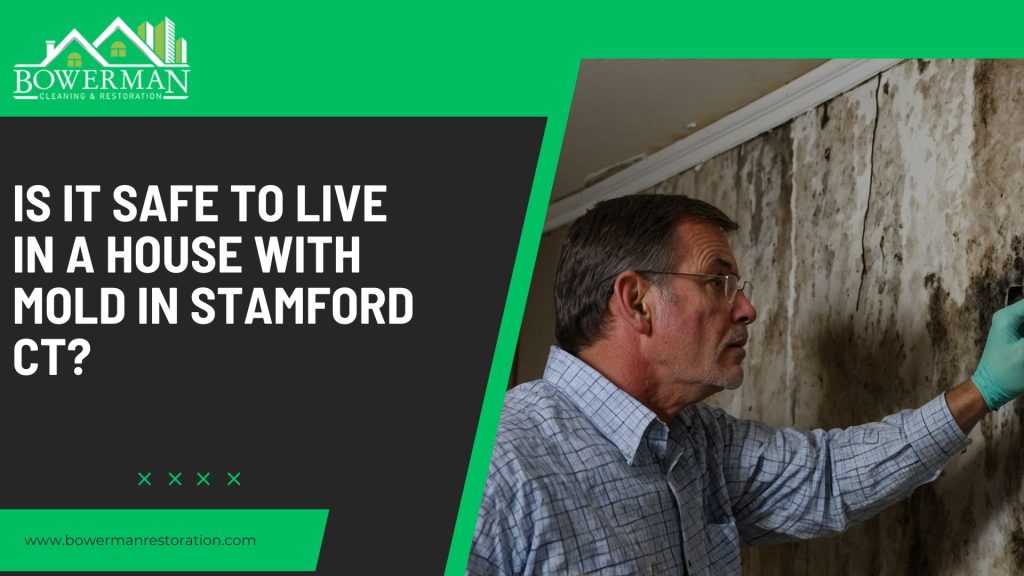
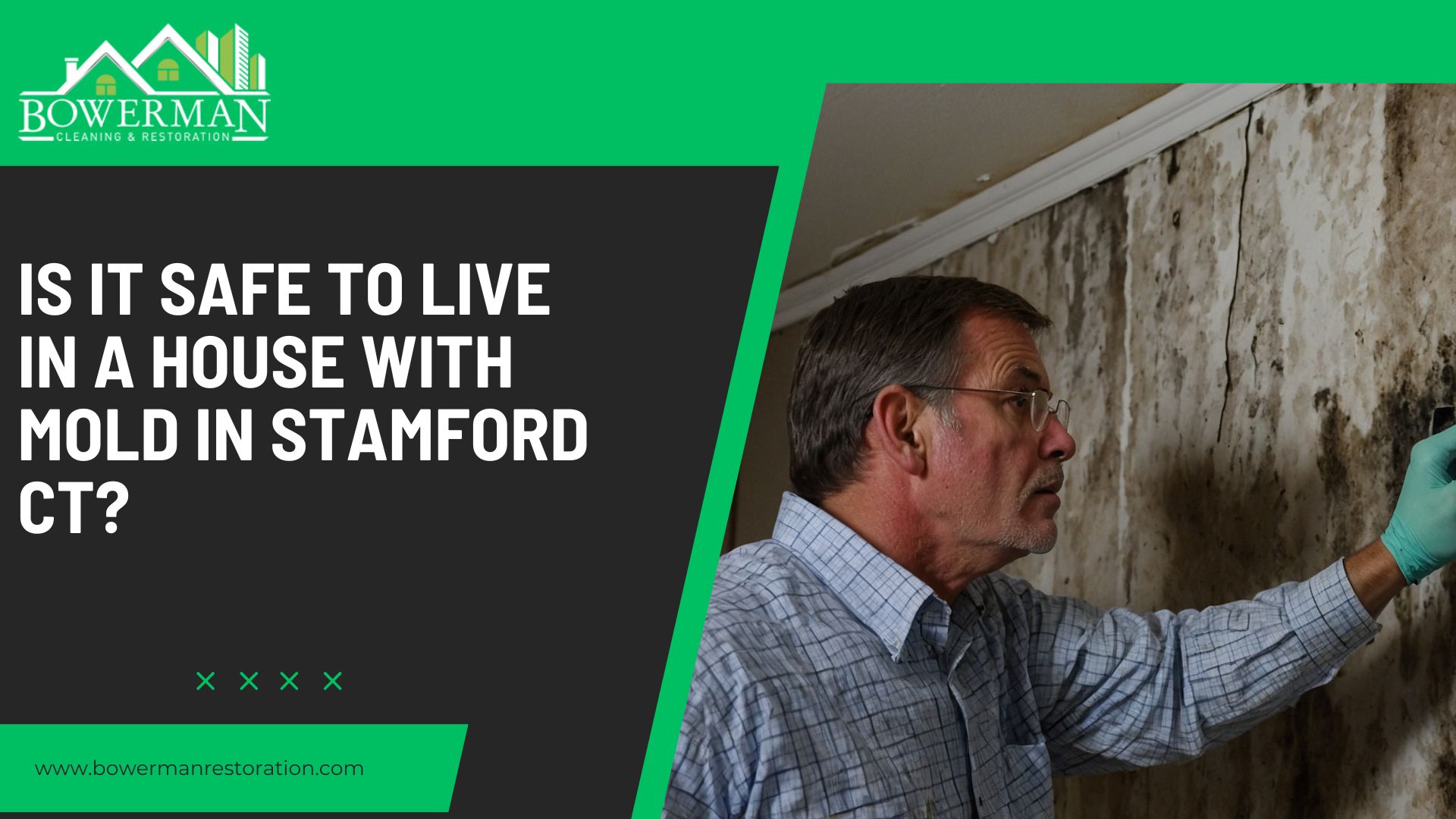
Living in a house with mold is a serious concern that affects thousands of residents in Stamford, Connecticut. The question “is it safe to live in a house with mold in Stamford CT” is one that homeowners, renters, and property managers grapple with regularly, especially given the area’s humid climate and older housing stock. Understanding the risks associated with mold exposure and knowing when it’s safe to remain in your home versus when immediate action is required can be the difference between maintaining good health and facing serious medical complications.
Mold thrives in Connecticut’s climate, where humidity levels often exceed 60% during summer months and temperature fluctuations create ideal conditions for fungal growth. Stamford’s proximity to Long Island Sound adds another layer of moisture concern, as coastal areas naturally experience higher humidity levels. When combined with the city’s mix of historic homes and modern constructions, residents face unique challenges in maintaining mold-free environments.
The safety of living with mold depends on several critical factors: the type of mold present, the extent of contamination, the health status of occupants, and how quickly remediation efforts begin. While some mold exposure may cause minor irritation in healthy individuals, certain species like Stachybotrys chartarum (black mold) can trigger severe respiratory problems, neurological symptoms, and immune system suppression. Children, elderly residents, and individuals with compromised immune systems or existing respiratory conditions face significantly higher risks.
Determining whether it’s safe to remain in your Stamford home requires professional assessment and immediate action when necessary. The Environmental Protection Agency recommends that any mold growth covering more than 10 square feet should be professionally remediated, while smaller areas may be safely cleaned by homeowners using proper protective equipment and techniques. However, the location of mold growth, underlying moisture issues, and potential for hidden contamination behind walls or in HVAC systems often necessitate expert evaluation.
Connecticut state regulations and local Stamford ordinances provide frameworks for addressing mold issues in residential properties, but ultimately, the decision to remain in or temporarily relocate from a mold-affected home depends on individual circumstances and professional recommendations.
Key Takeaways
- Immediate health risks vary by mold type and exposure level: While some molds cause mild allergic reactions, toxic varieties like black mold can trigger severe respiratory distress, cognitive impairment, and immune system dysfunction requiring immediate medical attention and home evacuation.
- Vulnerable populations should never remain in moldy environments: Infants, elderly residents, pregnant women, and individuals with asthma, allergies, or compromised immune systems must evacuate immediately upon discovering significant mold growth to prevent life-threatening complications.
- Professional assessment determines safety protocols: Certified mold inspectors can identify mold species, assess contamination extent, and provide specific recommendations about whether temporary relocation is necessary during remediation efforts.
- Size and location matter for safety decisions: Mold covering less than 10 square feet in non-critical areas may allow continued occupancy with proper precautions, while extensive growth in HVAC systems, bedrooms, or throughout multiple rooms typically requires immediate evacuation.
- Hidden mold poses unknown dangers: Visible mold often indicates larger hidden colonies behind walls, under flooring, or in air ducts, making professional inspection essential before determining occupancy safety.
- Stamford’s climate accelerates mold growth: The city’s coastal humidity and temperature fluctuations create year-round mold risks, requiring vigilant monitoring and rapid response to moisture issues.
- Legal protections exist for tenants: Connecticut law requires landlords to address mold issues promptly and may obligate them to provide temporary housing during extensive remediation efforts.
- Early intervention prevents escalation: Addressing moisture sources and small mold colonies immediately can prevent situations requiring home evacuation and extensive remediation costs.
Understanding Mold Safety Risks in Stamford Homes
The question of whether it’s safe to live in a house with mold requires understanding the complex relationship between mold exposure and human health. In Stamford, Connecticut, where coastal humidity and aging infrastructure create ideal conditions for fungal growth, residents must navigate unique challenges when assessing mold safety in their homes.
Mold exposure affects individuals differently based on several factors including the species present, concentration levels, duration of exposure, and individual health status. Common mold varieties found in Stamford homes include Aspergillus, Penicillium, Cladosporium, and the particularly concerning Stachybotrys chartarum, commonly known as black mold. Each species presents different risk profiles, with some causing mild allergic reactions while others can trigger severe respiratory distress and neurological symptoms.
Health symptoms from mold exposure typically begin with respiratory irritation, including coughing, sneezing, throat irritation, and nasal congestion. As exposure continues or intensifies, residents may experience headaches, fatigue, skin rashes, and eye irritation. More serious exposure can lead to asthma attacks, chronic sinusitis, and in severe cases, pulmonary hemorrhage or neurological complications.
The Environmental Protection Agency emphasizes that there is no safe level of mold exposure for sensitive individuals, while healthy adults may tolerate minimal exposure without immediate symptoms. However, even healthy individuals can develop sensitivities over time, making prompt remediation essential regardless of initial tolerance levels.
Stamford’s housing stock, which includes many homes built before modern moisture control standards, presents additional challenges. Older homes often lack proper vapor barriers, adequate ventilation, and modern HVAC systems designed to control humidity levels. These factors can create widespread mold contamination that poses serious health risks to all occupants.

When Immediate Evacuation Becomes Necessary
Certain mold situations require immediate evacuation from your Stamford home to protect occupant health and safety. Understanding these critical scenarios can prevent serious health complications and ensure appropriate emergency response when dangerous mold exposure occurs.
Extensive mold contamination covering more than 30 square feet typically necessitates immediate evacuation, especially when located in living areas, bedrooms, or throughout multiple rooms. When mold growth reaches this scale, airborne spore concentrations often exceed safe levels, creating health hazards for all occupants regardless of their sensitivity levels. Professional remediation teams may require several days or weeks to safely remove extensive contamination, making temporary relocation necessary.
The discovery of toxic mold species, particularly Stachybotrys chartarum, warrants immediate evacuation regardless of the contaminated area size. This black mold produces mycotoxins that can cause severe respiratory problems, neurological symptoms, and immune system suppression. Even brief exposure to high concentrations of Stachybotrys spores can trigger life-threatening reactions in sensitive individuals.
HVAC system contamination represents another scenario requiring immediate evacuation. When mold colonizes heating, ventilation, and air conditioning systems, spores circulate throughout the entire home every time the system operates. This creates whole-house contamination that cannot be avoided by simply closing off affected rooms. Professional HVAC cleaning and potentially complete system replacement may be necessary before safe reoccupancy.
Occupants experiencing severe health symptoms including difficulty breathing, chest pain, persistent coughing, severe headaches, or neurological symptoms should evacuate immediately and seek medical attention. These symptoms may indicate dangerous exposure levels requiring emergency medical treatment and professional mold assessment before returning home.
Structural damage accompanying mold growth, such as rotting wood, compromised drywall, or foundation issues, may necessitate evacuation for safety reasons beyond mold exposure. Extensive moisture damage that enables mold growth often compromises structural integrity, creating additional hazards for occupants.
Connecticut state guidelines recommend evacuation when professional assessment determines that safe remediation cannot occur while the home remains occupied. This typically applies to situations involving multiple rooms, structural remediation, or extended treatment periods requiring powerful chemicals or equipment.

Professional Assessment and Testing Requirements
Determining whether it’s safe to live in a house with mold in Stamford CT requires professional assessment and testing to accurately evaluate risks and develop appropriate remediation strategies. Professional mold inspection provides critical information that homeowners cannot obtain through visual inspection alone, ensuring informed decisions about occupancy safety.
Certified mold inspectors use specialized equipment including moisture meters, thermal imaging cameras, and air sampling devices to detect hidden mold colonies and assess contamination extent. These tools can identify mold growth behind walls, under flooring, and in other concealed areas where visual inspection proves inadequate. Thermal imaging reveals moisture patterns that indicate potential mold growth areas, while moisture meters measure humidity levels in building materials.
Air quality testing provides crucial data about airborne spore concentrations throughout your home. Inspectors collect samples from multiple locations and compare indoor spore levels to outdoor baseline measurements. Elevated indoor spore counts indicate active mold growth requiring remediation, while species identification helps determine specific health risks and appropriate treatment methods.
Surface sampling through tape lifts, swab samples, or bulk material collection allows laboratory analysis to identify specific mold species present in your home. This information proves essential for assessing health risks, as different species pose varying levels of danger to occupants. Toxic mold identification may necessitate immediate evacuation and specialized remediation protocols.
Professional assessment includes evaluation of moisture sources enabling mold growth. Inspectors examine plumbing systems, roof conditions, basement waterproofing, HVAC operations, and ventilation adequacy to identify underlying problems requiring correction. Without addressing moisture sources, mold remediation efforts will prove temporary and ineffective.
Connecticut requires specific certifications for mold assessment professionals, ensuring they possess necessary training and expertise to accurately evaluate contamination and provide reliable recommendations. Licensed inspectors understand state regulations, health guidelines, and industry standards for safe mold remediation.
Professional reports provide detailed documentation of findings, including contamination extent, species identification, moisture source analysis, and specific recommendations for remediation. These reports prove essential for insurance claims, legal proceedings, and ensuring proper remediation contractor selection.
The cost of professional mold assessment typically ranges from $300 to $800 in Stamford, representing a small investment compared to potential health care costs or extensive remediation expenses resulting from delayed action. Many homeowners insurance policies cover professional assessment costs when mold results from covered water damage events.
Safe Remediation Strategies and Occupancy Guidelines
Implementing safe remediation strategies while maintaining occupancy requires careful planning, proper containment procedures, and strict adherence to safety protocols. Understanding when remediation can occur safely while residents remain in the home versus situations requiring temporary relocation helps Stamford homeowners make informed decisions about their living situations.
Small-scale mold remediation covering less than 10 square feet can typically be performed safely while maintaining occupancy, provided proper containment and safety measures are implemented. Homeowners can address minor mold growth using EPA-approved cleaning solutions, protective equipment including N95 respirators, gloves, and eye protection, and proper ventilation to prevent spore dispersal throughout the home.
Professional remediation of moderate contamination (10-30 square feet) may allow continued occupancy with proper containment barriers, negative air pressure systems, and restricted access to work areas. Contractors must seal contaminated areas using plastic sheeting and maintain negative pressure to prevent spore migration to clean areas. Occupants should avoid contaminated zones and may need to temporarily relocate if work occurs in essential living areas.
Containment protocols become critical when remediation occurs in occupied homes. Professional contractors establish physical barriers using plastic sheeting and tape to isolate work areas from clean spaces. Negative air machines with HEPA filtration create pressure differentials that draw air from clean areas toward contaminated zones, preventing spore dispersal during removal activities.
Air filtration systems help maintain safe conditions during remediation by continuously removing airborne spores from living areas. Portable HEPA air cleaners should operate continuously in occupied spaces, while negative air machines handle containment areas. Proper filtration can significantly reduce exposure risks for occupants remaining in the home during remediation.
Work scheduling considerations help minimize occupant exposure during active remediation. Contractors may perform intensive removal activities when residents are away at work or school, completing containment setup and cleanup before occupants return. Weekend or evening work schedules can accommodate families needing to remain in their homes.
Vulnerable occupants including infants, elderly residents, pregnant women, and individuals with respiratory conditions should relocate regardless of containment measures. These populations face elevated risks even with proper safety protocols, making temporary alternative housing the safest option during any significant remediation project.
Post-remediation verification through professional testing ensures safe reoccupancy by confirming successful mold removal and normal air quality restoration. Clearance testing should occur after remediation completion but before removing containment barriers, providing objective confirmation of safe living conditions.
Legal Rights and Responsibilities in Connecticut
Connecticut state law provides specific protections and establishes clear responsibilities regarding mold issues in residential properties, helping Stamford residents understand their rights and obligations when dealing with mold contamination. Understanding these legal frameworks ensures appropriate action and protection for both tenants and property owners.
Connecticut General Statutes Section 47a-7h requires landlords to maintain rental properties in habitable condition, including addressing mold issues that affect health and safety. Landlords must respond promptly to tenant reports of mold problems and take appropriate remediation action within reasonable timeframes. Failure to address significant mold issues may constitute breach of warranty of habitability, providing tenants with legal remedies.
Tenant rights include the ability to withhold rent, terminate leases, or pursue legal action when landlords fail to address serious mold problems. Connecticut law allows tenants to hire professional remediation services and deduct costs from rent payments when landlords refuse to take appropriate action. However, tenants must follow specific notification procedures and provide reasonable opportunity for landlord response before exercising these remedies.
Disclosure requirements mandate that property sellers and landlords inform potential buyers or tenants about known mold issues or previous water damage that could indicate mold problems. Connecticut’s Property Condition Disclosure Act requires sellers to disclose material defects including mold contamination, while landlords must reveal known health hazards including toxic mold presence.
Insurance coverage for mold remediation varies significantly based on policy terms and the underlying cause of mold growth. Most homeowners insurance policies exclude coverage for mold resulting from maintenance issues or long-term moisture problems but may cover mold caused by sudden water damage from burst pipes or storm damage. Stamford residents should review their policies carefully and consider supplemental mold coverage if standard policies prove inadequate.
Professional licensing requirements ensure that mold assessment and remediation contractors possess necessary training and certification. Connecticut requires specific licenses for mold professionals, and residents should verify contractor credentials before hiring remediation services. Licensed professionals carry insurance and must follow established safety protocols and industry standards.
Legal liability issues arise when property owners fail to address known mold problems that cause health issues for occupants or neighboring properties. Property owners may face personal injury lawsuits, property damage claims, and regulatory enforcement actions when negligent maintenance creates mold hazards affecting others.
Documentation requirements become crucial for legal protection and insurance claims. Property owners and tenants should maintain detailed records of mold discovery, professional assessments, remediation efforts, and health impacts. Photographs, professional reports, medical records, and correspondence with contractors or insurance companies provide essential evidence for legal proceedings or insurance claims.
Municipal health departments in Stamford have authority to investigate mold complaints and order remediation when public health risks exist. Residents can file complaints with local health officials when property owners fail to address serious mold problems, potentially triggering enforcement actions and mandatory remediation orders.
Frequently Asked Questions
How quickly can mold make you sick in Stamford’s humid climate?
Mold exposure symptoms can appear within 24-48 hours for sensitive individuals, while healthy adults may not experience symptoms for several days or weeks. Stamford’s coastal humidity accelerates mold growth, potentially creating dangerous spore concentrations within days of water damage events.
What mold testing should I request from professionals in Connecticut?
Comprehensive mold assessment should include air quality sampling, surface sampling for species identification, moisture measurement, and thermal imaging to detect hidden growth. Connecticut-licensed inspectors should provide detailed reports with specific remediation recommendations and safety guidelines.
Can I safely clean small mold areas myself without leaving my home?
Areas smaller than 10 square feet can typically be cleaned safely by homeowners using proper protective equipment, EPA-approved cleaning solutions, and adequate ventilation. However, any mold growth in HVAC systems or involving toxic species requires professional remediation regardless of size.
How long does professional mold remediation typically take in Stamford homes?
Remediation timeframes vary from 1-3 days for minor contamination to several weeks for extensive growth requiring structural repairs. Stamford’s older homes often require longer remediation periods due to hidden growth and underlying moisture issues.
What temporary housing options exist during mold remediation?
Temporary housing options include hotels, short-term rentals, staying with family or friends, or extended-stay facilities. Some insurance policies cover additional living expenses during covered remediation, while landlords may be required to provide alternative housing for extensive remediation projects.
Should pregnant women ever remain in homes with any mold present?
Pregnant women should evacuate immediately upon discovering significant mold growth, as exposure can affect fetal development and maternal health. Even minor mold exposure poses elevated risks during pregnancy, making temporary relocation the safest option during remediation.
How can I prevent mold recurrence after remediation in Connecticut’s climate?
Mold prevention requires controlling indoor humidity below 50%, ensuring adequate ventilation, promptly repairing water leaks, and maintaining proper drainage around your home. Regular HVAC maintenance and dehumidifier use help combat Connecticut’s naturally humid conditions.
What health symptoms require immediate medical attention during mold exposure?
Seek emergency medical care for difficulty breathing, chest pain, severe allergic reactions, persistent coughing with blood, or neurological symptoms including confusion or memory problems. These symptoms may indicate dangerous exposure levels requiring immediate treatment and home evacuation.
Conclusion
The question “is it safe to live in a house with mold in Stamford CT” requires careful consideration of multiple factors including mold type, contamination extent, occupant health status, and available remediation options. While minor mold growth may allow continued occupancy with proper precautions, extensive contamination or toxic species typically necessitate immediate evacuation to protect resident health and safety.
Stamford’s coastal climate creates ongoing challenges for mold prevention and control, making professional assessment essential when contamination occurs. Certified mold inspectors provide critical information about species identification, contamination extent, and appropriate safety measures that homeowners cannot determine through visual inspection alone. This professional guidance proves invaluable for making informed decisions about occupancy safety and remediation strategies.
Connecticut state law provides important protections for residents dealing with mold issues, establishing clear responsibilities for property owners and remediation requirements. Understanding these legal frameworks helps ensure appropriate action and protection for all parties involved in mold remediation situations.
For expert mold assessment and remediation services in Stamford, Connecticut, contact Bowerman for professional evaluation and safe, effective mold removal solutions. Their certified technicians provide comprehensive testing, detailed safety recommendations, and professional remediation services to restore your home to safe, healthy living conditions.
Ultimately, the safety of living with mold depends on prompt professional assessment, appropriate remediation measures, and prioritizing occupant health above all other considerations. When in doubt, temporary relocation during professional remediation provides the safest approach for protecting your family’s health while ensuring thorough mold removal and prevention of future contamination.