
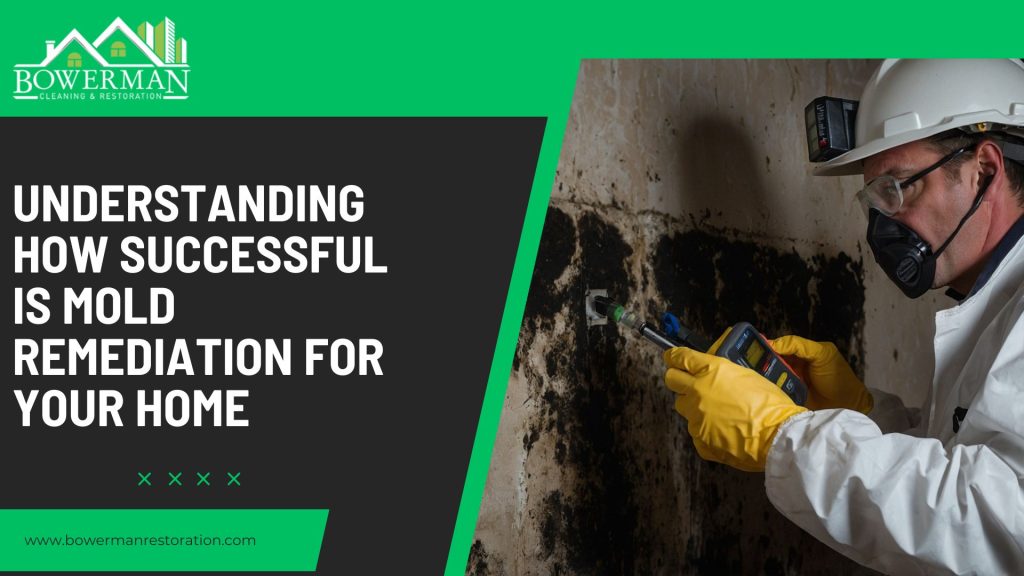

When mold invades your home, the question that keeps homeowners awake at night isn’t just about the immediate health risks or property damage—it’s about whether professional mold remediation can truly solve the problem for good. Understanding how successful mold remediation is becomes crucial when you’re facing the daunting prospect of black spots creeping across your walls, musty odors permeating your living spaces, and the potential health implications for your family.
Mold remediation success rates vary significantly depending on numerous factors, from the extent of contamination to the underlying moisture issues that allowed mold to flourish in the first place. Professional mold remediation companies typically achieve success rates between 85-95% when proper protocols are followed and all contributing factors are addressed. However, the definition of “success” itself requires careful examination—does it mean complete elimination of all mold spores, prevention of future growth, or restoration of indoor air quality to acceptable levels?
The effectiveness of mold remediation depends heavily on early detection and intervention. Small, localized mold problems confined to surfaces are generally much easier to remediate successfully than extensive infestations that have penetrated building materials or spread throughout HVAC systems. When mold has been growing undetected for months or years, the remediation process becomes more complex and may require structural modifications or complete replacement of affected materials.
Professional mold remediation follows established industry standards, including those set by the Institute of Inspection, Cleaning and Restoration Certification (IICRC) and the Environmental Protection Agency (EPA). These protocols involve containment of affected areas, removal of contaminated materials, thorough cleaning and disinfection, and verification testing to ensure successful remediation. The process typically takes anywhere from one to five days for residential properties, depending on the scope of contamination.
One of the most critical factors determining how effective mold remediation will be is addressing the root cause of moisture that allowed mold to grow initially. Without resolving underlying water intrusion, humidity problems, or ventilation issues, even the most thorough remediation efforts may only provide temporary relief. This is why reputable remediation companies always include moisture control as an integral part of their remediation strategy.
Key Takeaways
- High Success Rates: Professional mold remediation achieves 85-95% success rates when proper protocols are followed and moisture sources are eliminated
- Early Intervention Matters: Small, surface-level mold problems are significantly easier to remediate successfully than extensive, hidden infestations
- Moisture Control is Critical: Addressing underlying water issues is essential for long-term remediation success and preventing recurrence
- Professional Standards: Certified remediation companies follow IICRC and EPA guidelines for containment, removal, cleaning, and verification
- Material Replacement Often Required: Porous materials like drywall, insulation, and carpeting frequently need complete replacement rather than cleaning
- Air Quality Testing Validates Success: Post-remediation air sampling and clearance testing confirm whether spore levels have returned to normal ranges
- Timeline Varies by Scope: Residential remediation typically takes 1-5 days, while complex cases may require weeks for complete restoration
- Prevention is Key: Successful remediation includes implementing measures to prevent future mold growth through improved ventilation and moisture management
- Health Benefits are Immediate: Properly executed remediation quickly improves indoor air quality and reduces health risks for sensitive individuals
- Documentation Ensures Quality: Reputable companies provide detailed before/after documentation and warranties for their remediation work
Understanding Mold Remediation Success Metrics
Measuring the success of mold remediation involves multiple criteria that extend beyond simply making visible mold disappear. The most comprehensive approach to evaluating how successful mold remediation has been includes air quality testing, surface sampling, moisture level monitoring, and long-term observation for recurrence. Professional remediation companies use sophisticated testing equipment to measure airborne spore concentrations before, during, and after the remediation process.
Indoor air quality improvement serves as one of the most reliable indicators of successful remediation. Pre-remediation air samples often reveal spore concentrations that are significantly higher than outdoor baseline levels. Successful remediation should bring indoor spore counts to levels that are equal to or lower than outdoor concentrations, indicating that the indoor environment is no longer serving as a source of mold amplification.
Surface sampling provides another critical success metric, particularly for areas where visible mold growth was present. Advanced testing methods can detect mold DNA and metabolites even when visual inspection suggests complete removal. This molecular-level analysis helps ensure that remediation efforts have truly eliminated the mold colony rather than simply removing visible growth while leaving behind viable spores or hyphal fragments.
Moisture level monitoring represents perhaps the most important long-term success indicator. Successful remediation must address not only existing mold growth but also the environmental conditions that allowed it to develop. This includes reducing relative humidity levels below 60%, eliminating water intrusion sources, and improving ventilation to prevent moisture accumulation in vulnerable areas.

Factors That Influence Remediation Effectiveness
The effectiveness of mold remediation depends on a complex interplay of factors that remediation professionals must carefully assess and address. The type of mold species present significantly impacts remediation success, as some varieties like Stachybotrys (black mold) produce more persistent spores and toxic metabolites that require specialized removal techniques. Different mold species also respond differently to various cleaning agents and environmental controls.
The extent and duration of mold growth directly correlates with remediation complexity and success rates. Surface-level mold growth that has been present for weeks is relatively straightforward to remediate, while extensive infestations that have penetrated building materials over months or years present significant challenges. Hidden mold growth within wall cavities, above ceiling tiles, or inside HVAC systems often requires invasive investigation and remediation techniques.
Building materials and construction methods play a crucial role in determining how effective remediation efforts will be. Porous materials like drywall, insulation, fabric, and untreated wood readily absorb mold spores and hyphal growth, often requiring complete replacement rather than cleaning. Non-porous surfaces like metal, glass, and sealed concrete can typically be successfully cleaned and restored to pre-contamination conditions.
Environmental conditions during and after remediation significantly influence success rates. Temperature, humidity, and air circulation must be carefully controlled throughout the remediation process to prevent spore dispersal and ensure effective cleaning agent performance. Post-remediation environmental controls are equally important for preventing recontamination and ensuring long-term success.
The skill and experience of the remediation team directly impacts outcomes. Certified professionals understand proper containment procedures, appropriate personal protective equipment, effective cleaning techniques, and verification protocols. Inexperienced or unqualified remediation attempts often result in cross-contamination, incomplete removal, or damage to unaffected areas.

The Science Behind Successful Mold Removal
Understanding how effective mold remediation can be requires examining the scientific principles that govern mold growth, survival, and elimination. Mold organisms are remarkably resilient, capable of surviving in dormant states for extended periods and rapidly reactivating when favorable conditions return. This biological reality means that successful remediation must address not only active growth but also dormant spores and the environmental factors that support mold proliferation.
The mold lifecycle includes both visible reproductive structures and invisible hyphal networks that penetrate deep into porous materials. Effective remediation must disrupt this entire lifecycle, not just remove visible surface growth. This requires understanding how different cleaning agents interact with mold biology—some products kill active mold cells, others denature proteins and enzymes, while specialized treatments can neutralize mycotoxins and allergens.
HEPA (High-Efficiency Particulate Air) filtration technology forms the backbone of professional mold remediation, capable of capturing 99.97% of particles 0.3 microns or larger. Since most mold spores range from 1-30 microns, properly implemented HEPA filtration can effectively remove airborne contamination during the remediation process. However, the effectiveness depends on proper air exchange rates, containment integrity, and filter maintenance.
Antimicrobial treatments used in professional remediation work through various mechanisms including cell membrane disruption, enzyme inhibition, and DNA damage. The most effective treatments combine multiple active ingredients to prevent mold resistance development and ensure comprehensive elimination. However, these treatments must be applied at proper concentrations and contact times to achieve maximum effectiveness without creating harmful residues.
Moisture science plays an equally important role in remediation success. Mold requires water activity levels (aw) above 0.7 to grow actively, which corresponds to relative humidity levels above 70% in most indoor environments. Successful remediation must reduce and maintain water activity below these thresholds through dehumidification, improved ventilation, and elimination of water sources.
Common Challenges and Limitations in Mold Remediation
Even with advanced techniques and experienced professionals, mold remediation faces inherent challenges that can impact success rates. Hidden mold growth represents one of the most significant obstacles, as contamination within wall cavities, above ceilings, or inside HVAC systems may not be apparent during initial assessment. Thermal imaging and moisture meters help identify potential hidden growth areas, but complete detection requires invasive investigation that homeowners may be reluctant to authorize.
Cross-contamination during remediation poses another substantial challenge, particularly in occupied buildings where complete containment may not be feasible. Despite careful containment procedures, remediation activities can temporarily increase airborne spore concentrations in adjacent areas. This risk is especially concerning for individuals with mold sensitivities or compromised immune systems who may need to relocate during the remediation process.
Structural limitations can significantly impact remediation effectiveness, particularly in older buildings with complex architectural features or inaccessible areas. Historic properties may have materials or construction methods that complicate modern remediation techniques, while buildings with extensive HVAC systems may require specialized cleaning procedures that are not always 100% effective.
Incomplete moisture control represents perhaps the most common cause of remediation failure. Many homeowners focus on visible mold removal while neglecting underlying water issues such as minor roof leaks, foundation moisture, or inadequate ventilation. Without addressing these root causes, mold will inevitably return, often within weeks or months of apparently successful remediation.
Economic constraints can also limit remediation effectiveness, as comprehensive remediation may require extensive material replacement, structural modifications, or ongoing environmental controls. Some homeowners opt for partial remediation or attempt DIY solutions that may provide temporary improvement but fail to achieve long-term success. Professional companies like Bowerman understand these challenges and work with homeowners to develop cost-effective solutions that prioritize the most critical remediation needs while planning for comprehensive long-term moisture control.
Long-Term Success and Prevention Strategies
The ultimate measure of how successful mold remediation has been lies not in immediate results but in long-term prevention of recurrence. Studies tracking remediated properties over multiple years show that success rates remain high when proper moisture control measures are maintained, but decline significantly when environmental conditions revert to those that originally supported mold growth.
Ongoing moisture monitoring represents the most critical component of long-term success. Professional-grade humidity sensors and moisture meters allow homeowners to track conditions in previously affected areas and receive early warning of potential problems. Many successful remediation programs include regular follow-up inspections and environmental monitoring for the first year after treatment.
Ventilation improvements often prove essential for maintaining remediation success, particularly in areas prone to moisture accumulation such as basements, bathrooms, and kitchens. This may include installing exhaust fans, improving natural air circulation, or upgrading HVAC systems to provide better humidity control throughout the building.
Building maintenance protocols help ensure that minor water intrusion issues are identified and addressed before they can support new mold growth. Regular roof inspections, gutter cleaning, foundation monitoring, and plumbing maintenance can prevent the water problems that lead to mold recurrence.
Education and awareness training for building occupants significantly improves long-term success rates. Understanding early warning signs of moisture problems, proper ventilation practices, and appropriate response to water incidents helps prevent small issues from developing into major mold problems. Professional remediation companies often provide comprehensive education as part of their service to ensure homeowners can maintain the benefits of professional treatment.
Frequently Asked Questions
How long does mold remediation take to be effective?
Most residential mold remediation projects show immediate effectiveness within 24-48 hours of completion, with air quality improvements typically measurable within the first day. However, complete stabilization of the indoor environment may take 1-2 weeks as moisture levels normalize and any remaining spores settle or are filtered out.
Can mold come back after professional remediation?
Mold can return after remediation if moisture sources are not properly addressed or if new water intrusion occurs. However, when remediation includes comprehensive moisture control and prevention measures, recurrence rates are typically less than 10% within the first five years.
How do I know if mold remediation was successful?
Successful remediation is verified through post-treatment air quality testing, visual inspection, and moisture level monitoring. Professional companies provide clearance testing that confirms spore levels have returned to normal ranges and moisture conditions no longer support mold growth.
Is it better to replace materials or clean them during remediation?
Porous materials like drywall, insulation, and carpeting typically require replacement for effective remediation, while non-porous surfaces can often be successfully cleaned. The decision depends on the extent of contamination, material type, and cost considerations.
What makes some mold remediation more successful than others?
The most successful remediation projects combine early intervention, comprehensive moisture control, proper containment procedures, complete removal of affected materials, and ongoing prevention measures. Projects that address only visible mold without fixing underlying moisture problems are much less likely to achieve long-term success.
How effective is mold remediation for health improvement?
Properly executed mold remediation typically provides significant health benefits within days to weeks of completion. Individuals with mold sensitivities often experience reduced respiratory symptoms, fewer allergic reactions, and improved overall well-being once indoor air quality is restored.
Can I determine remediation success without professional testing?
While visual inspection and odor elimination provide some indication of success, professional air quality testing is the only reliable way to confirm that spore levels have returned to safe ranges. Home test kits are available but are generally less accurate than professional laboratory analysis.
What warranty should I expect for mold remediation work?
Reputable remediation companies typically offer warranties ranging from six months to two years, provided that moisture control recommendations are followed. The warranty should cover both workmanship and effectiveness, with provisions for re-treatment if mold returns in treated areas.
Conclusion
Understanding how successful mold remediation can be requires recognizing that effectiveness depends on far more than simply removing visible mold growth. The most successful remediation projects achieve 85-95% long-term success rates by combining professional expertise, comprehensive moisture control, appropriate technology, and ongoing prevention measures. Companies like Bowerman demonstrate that when remediation is approached as a complete environmental restoration process rather than just a cleaning service, homeowners can expect excellent results that protect both their property and their health.
The key to remediation success lies in addressing root causes rather than just symptoms. This means identifying and eliminating moisture sources, improving ventilation systems, replacing contaminated materials when necessary, and implementing monitoring systems to prevent recurrence. While the initial investment in comprehensive remediation may seem substantial, the long-term benefits of restored indoor air quality, protected property values, and improved health outcomes make professional remediation highly cost-effective.
How effective mold remediation will be in your specific situation depends on factors including the extent of contamination, building characteristics, environmental conditions, and your commitment to maintaining the improvements achieved through professional treatment. By working with certified professionals who follow established industry standards and focusing on comprehensive solutions rather than quick fixes, homeowners can achieve lasting success in their battle against mold contamination.