
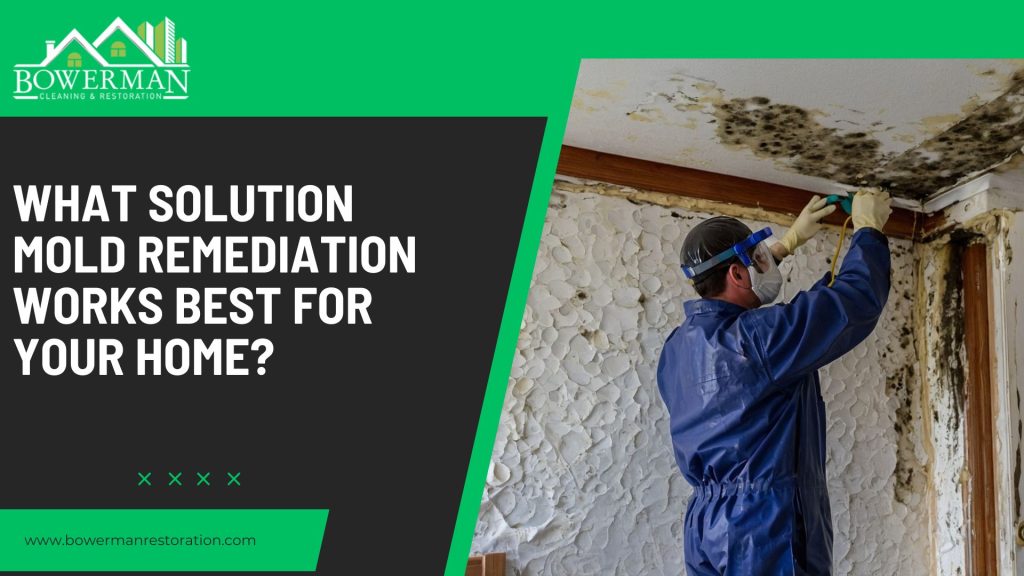

When mold invades your home, choosing the right remediation solution becomes critical for protecting your family’s health and preserving your property value. The question “what solution mold remediation works best” doesn’t have a one-size-fits-all answer, as the most effective approach depends on factors like the type of mold, extent of contamination, affected materials, and underlying moisture sources.
Mold problems can escalate quickly from minor surface issues to major structural concerns that require extensive remediation efforts. Understanding your options helps you make informed decisions about whether to tackle small problems yourself or when to call in professional remediation specialists. The wrong approach can actually spread contamination throughout your home, making the problem worse and more expensive to resolve.
Professional mold remediation companies use a combination of containment strategies, specialized equipment, antimicrobial treatments, and moisture control measures to eliminate existing growth and prevent future problems. These comprehensive solutions address not just visible mold but also hidden contamination behind walls, under flooring, and in HVAC systems where DIY methods fall short.
The cost of proper remediation often seems significant upfront, but it pales in comparison to the expenses associated with ongoing health issues, structural damage, or having to repeat inadequate treatments multiple times. Insurance coverage may also depend on using appropriate remediation methods and professional documentation of the process.
This guide examines the most effective mold remediation solutions available today, helping you understand when each approach works best and what to expect from professional services. We’ll explore everything from initial assessment techniques to long-term prevention strategies that keep your home safe and healthy.
Key Takeaways
For additional context, see this comprehensive guide.
- Professional assessment is crucial: Effective mold remediation starts with proper identification of mold types, contamination extent, and moisture sources. Professional inspections use specialized equipment to detect hidden problems that visual inspections miss.
- Containment prevents spread: The best remediation solutions include strict containment protocols using plastic sheeting, negative air pressure, and sealed work areas to prevent cross-contamination during cleanup.
- Source control is essential: Removing visible mold without addressing underlying moisture problems guarantees the mold will return. Successful solutions always include fixing leaks, improving ventilation, and controlling humidity levels.
- Multiple treatment methods work together: Effective remediation combines physical removal, antimicrobial treatments, air filtration, and surface cleaning rather than relying on a single approach.
- Professional equipment makes a difference: HEPA filtration systems, negative air machines, moisture meters, and industrial dehumidifiers provide results that household cleaning products and equipment cannot match.
- Documentation protects your investment: Professional remediation includes before-and-after photos, air quality testing, and written protocols that satisfy insurance requirements and provide legal protection.
- Prevention strategies save money: The most cost-effective mold solution includes ongoing moisture monitoring, regular inspections, and maintenance protocols that prevent future problems.
Understanding Mold Remediation Solutions
For additional context, see detailed information on this topic.
Mold remediation encompasses a range of techniques and approaches designed to eliminate existing fungal growth and create conditions that prevent recurrence. The most effective solutions combine immediate removal strategies with long-term environmental controls that address the root causes of mold problems.
Different types of mold require different treatment approaches. Surface molds on non-porous materials like glass or metal can often be cleaned with appropriate antimicrobial solutions, while porous materials like drywall, insulation, or carpet may need complete removal and replacement. Black mold (Stachybotrys) and other toxic varieties require more aggressive containment and removal protocols to protect workers and occupants.
The size and scope of contamination also determines which solutions work best. Small areas under 10 square feet might be manageable with careful DIY approaches, but larger contaminated areas require professional intervention with specialized equipment and training. Hidden mold in wall cavities, HVAC systems, or crawl spaces almost always needs professional assessment and treatment.
Modern remediation solutions integrate multiple technologies and approaches for maximum effectiveness. These might include antimicrobial fogging, ozone treatment, dry ice blasting, or enzyme-based cleaners depending on the specific situation. The key is matching the right combination of techniques to your particular mold problem rather than using generic approaches that may not address all aspects of the contamination.

Professional vs. DIY Mold Remediation Approaches
The decision between professional and DIY mold remediation depends on several critical factors that affect both safety and effectiveness. Professional remediation services bring specialized training, commercial-grade equipment, and comprehensive protocols that ensure thorough contamination removal while protecting occupants from exposure during the process.
DIY approaches can work for very small surface mold problems on non-porous materials, typically covering less than 10 square feet. These situations might involve cleaning tile grout, removing mold from painted surfaces, or addressing minor growth around windows or fixtures. However, DIY methods have significant limitations in terms of containment, protective equipment, and ability to address hidden contamination.
Professional remediation becomes essential when dealing with extensive contamination, toxic mold varieties, or situations involving compromised building materials. Professionals use negative air pressure systems, HEPA filtration, and proper containment barriers that prevent spores from spreading throughout the home during removal. They also have access to antimicrobial treatments and specialized cleaning agents not available to consumers.
The training and certification that professional remediators receive covers important safety protocols, proper use of personal protective equipment, and industry best practices for different types of contamination. This expertise helps avoid common mistakes that can worsen contamination or create health hazards for occupants. For those seeking detailed information on this topic, professional remediation follows established industry standards that ensure consistent, effective results.
Insurance considerations also favor professional remediation in many cases. Insurance companies may require professional documentation and certified remediation protocols to approve claims related to mold damage. Professional services provide the detailed reporting and quality assurance that insurance adjusters expect to see.
Cost comparisons between DIY and professional approaches should factor in the potential for incomplete remediation, health risks from improper handling, and the possibility of having to hire professionals anyway if DIY efforts fail. Professional remediation may cost more upfront but often provides better long-term value through comprehensive solutions that prevent recurring problems.

Chemical vs. Natural Remediation Solutions
The choice between chemical and natural mold remediation solutions involves balancing effectiveness, safety concerns, environmental impact, and specific application requirements. Both approaches have their place in comprehensive mold remediation strategies, and the best solution often combines elements of each approach based on the particular situation.
Chemical remediation solutions include EPA-registered antimicrobial treatments, biocides, and specialized cleaning agents designed specifically for mold elimination. These products undergo rigorous testing for effectiveness against various mold species and provide reliable, measurable results when applied correctly. Professional-grade chemical treatments can penetrate porous materials and provide residual protection against future mold growth.
Synthetic antimicrobials offer advantages in terms of consistency, shelf life, and proven effectiveness against resistant mold strains. They work quickly to kill existing mold and can be formulated for specific applications like HVAC system treatment, structural lumber protection, or surface disinfection. However, chemical solutions require careful handling, proper ventilation, and may pose health risks for sensitive individuals.
Natural remediation solutions include options like white vinegar, hydrogen peroxide, tea tree oil, and enzyme-based cleaners derived from natural sources. These alternatives appeal to homeowners concerned about chemical exposure, especially in homes with children, pets, or family members with chemical sensitivities. Natural solutions often have lower environmental impact and may be safer for ongoing maintenance applications.
The effectiveness of natural solutions varies significantly depending on the type of mold, extent of contamination, and specific product formulation. While some natural products show promise in laboratory testing, they may not provide the same level of penetration or residual protection as synthetic alternatives. Natural solutions often work best as part of ongoing prevention strategies rather than primary remediation tools for extensive contamination.
Hybrid approaches that combine natural and chemical solutions can optimize both safety and effectiveness. For example, initial treatment with professional-grade antimicrobials might be followed by ongoing maintenance with natural products, or natural solutions might be used in living areas while stronger chemicals are reserved for structural applications where occupant exposure is minimal.
Advanced Remediation Technologies and Equipment
Modern mold remediation relies increasingly on advanced technologies that improve effectiveness while reducing treatment time and occupant disruption. These cutting-edge solutions represent significant improvements over traditional cleaning methods and offer new possibilities for addressing challenging contamination scenarios.
HEPA (High-Efficiency Particulate Air) filtration systems form the backbone of professional remediation operations. These systems remove 99.97% of particles 0.3 microns or larger, including mold spores that would otherwise spread throughout the home during remediation work. Portable HEPA units create negative air pressure in work areas while larger systems can treat entire homes during extensive remediation projects.
Thermal remediation uses controlled heat treatment to eliminate mold without chemicals. This approach raises affected areas to temperatures that kill mold while remaining safe for most building materials. Thermal treatment can penetrate wall cavities and other hidden areas where traditional cleaning methods cannot reach, making it particularly effective for extensive contamination behind finished surfaces.
Ozone generation technology produces ozone gas that oxidizes mold cells and neutralizes odors associated with fungal growth. Ozone treatment requires complete building evacuation during application but can reach every air space in the structure, including areas inside walls, ductwork, and other inaccessible locations. This technology works well as a supplementary treatment following physical removal of contaminated materials.
Dry ice blasting uses solid CO2 pellets accelerated by compressed air to remove mold from surfaces without water or chemicals. The dry ice sublimates on contact, leaving no residue while effectively removing both mold growth and staining. This method works particularly well on wood framing, concrete, and other structural materials where traditional cleaning might cause damage.
Antimicrobial fogging systems distribute fine mist treatments throughout affected areas, ensuring complete coverage of surfaces that might be missed by manual application. Professional fogging equipment can treat large areas quickly while maintaining consistent concentration levels for optimal effectiveness. Some systems combine antimicrobial treatment with deodorization for comprehensive remediation.
Moisture detection technology helps identify hidden water sources that contribute to mold growth. Infrared cameras reveal temperature differences that indicate moisture problems behind walls, while pin-type and pinless moisture meters provide precise readings of water content in various materials. This technology ensures that remediation efforts address all contributing factors rather than just visible symptoms.
Selecting the Right Remediation Solution for Your Situation
Choosing the most appropriate mold remediation solution requires careful evaluation of multiple factors specific to your home and contamination situation. The right approach balances effectiveness, safety, cost, and long-term prevention to provide the best overall value for your particular circumstances.
The extent and location of mold growth serves as the primary determining factor in solution selection. Surface mold on bathroom tiles requires different treatment than extensive growth behind kitchen cabinets or throughout a basement. Hidden mold in HVAC systems or wall cavities typically necessitates professional intervention with specialized equipment and access methods.
Building materials affected by mold contamination influence which remediation approaches will work effectively. Non-porous surfaces like glass, metal, or sealed concrete can often be cleaned and restored, while porous materials like drywall, insulation, or carpet may require complete removal and replacement. Semi-porous materials like wood framing might be salvageable with aggressive treatment or may need replacement depending on the severity of contamination.
Health considerations play a crucial role in solution selection, particularly for homes with elderly residents, young children, or family members with respiratory conditions or compromised immune systems. These situations often favor more aggressive professional remediation to ensure complete elimination of health threats, even for relatively small contaminated areas.
Time constraints and occupancy requirements affect which solutions are practical for your situation. Some treatments require temporary relocation of occupants, while others allow continued residence with appropriate precautions. Emergency situations like flooding or sewage backups may require immediate professional intervention regardless of other factors. Our comprehensive guide explains how timing affects different remediation strategies and what to expect during various treatment approaches.
Budget considerations should account for both immediate remediation costs and long-term prevention expenses. Less expensive initial treatments may prove costly if they fail to address underlying problems or require repeated applications. Professional remediation often provides better long-term value through comprehensive solutions that prevent recurring issues.
Insurance coverage and documentation requirements may influence solution selection, particularly for significant contamination or valuable properties. Professional remediation typically provides the detailed documentation and certified processes that insurance companies require for claim approval.
Bowerman specializes in helping homeowners evaluate these factors and select appropriate remediation solutions for their specific situations. Our experienced team provides detailed assessments and customized treatment plans that address both immediate contamination and long-term prevention needs.
Frequently Asked Questions
What is the most effective mold remediation solution for large areas?
Professional remediation using containment barriers, HEPA filtration, and antimicrobial treatments provides the most effective solution for large contaminated areas. This approach prevents spore spread while ensuring complete elimination of existing growth.
How do I know if DIY mold remediation will work for my situation?
DIY approaches work best for surface mold on non-porous materials covering less than 10 square feet. If you see extensive growth, detect musty odors, or suspect hidden contamination, professional remediation is typically necessary.
What solution works best for black mold removal?
Black mold requires professional remediation with strict containment protocols, specialized protective equipment, and EPA-registered antimicrobial treatments. The toxic nature of some black mold varieties makes professional handling essential for safety.
Are natural mold remediation solutions as effective as chemical treatments?
Natural solutions can work for minor surface mold but typically lack the penetration and residual protection of professional-grade chemical treatments. They work best as part of ongoing prevention rather than primary remediation for extensive contamination.
How long do different mold remediation solutions take to work?
Treatment time varies significantly based on contamination extent and methods used. Small DIY projects might take a few hours, while professional remediation can range from one day for minor issues to several weeks for extensive contamination requiring structural repairs.
What remediation solution works best for preventing mold recurrence?
The most effective prevention combines moisture control, improved ventilation, regular inspections, and prompt attention to water problems. Professional remediation that addresses underlying moisture sources provides the best long-term prevention.
Do I need different solutions for different types of mold?
Yes, different mold species require tailored approaches. Toxic varieties need more aggressive containment and removal protocols, while surface molds might respond to simpler treatments. Professional identification helps determine appropriate solutions.
What should I expect to pay for professional mold remediation solutions?
Professional remediation costs vary based on contamination extent, affected materials, and required treatments. Small projects might cost a few hundred dollars, while extensive remediation can reach several thousand dollars. The investment typically provides better long-term value than repeated DIY attempts.
Conclusion
Selecting the right mold remediation solution requires understanding your specific situation, available options, and long-term prevention needs. While DIY approaches may work for very minor surface problems, most mold issues benefit from professional assessment and treatment that ensures complete elimination while protecting your family’s health.
The most effective solutions combine immediate removal strategies with comprehensive moisture control and ongoing prevention measures. Professional remediation provides access to specialized equipment, proven protocols, and expertise that typically delivers better results than attempting to address significant contamination with household cleaning products.
Remember that the cheapest initial solution may not provide the best long-term value if it fails to address underlying causes or requires repeated treatments. Investing in proper remediation that includes moisture source elimination, thorough cleaning, and prevention strategies typically costs less over time than dealing with recurring mold problems.
When choosing between different remediation options, prioritize solutions that address both visible contamination and hidden problems while providing documentation for insurance purposes. Professional services offer the comprehensive approach needed for most mold situations, ensuring your home remains safe and healthy for years to come.