
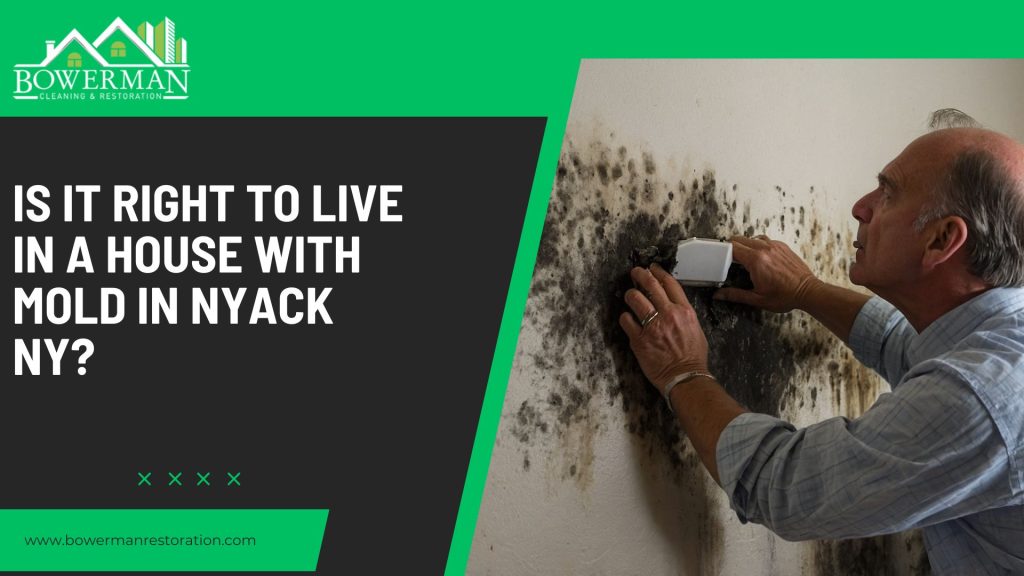

Living in a house with mold in Nyack, NY, is a serious concern that many homeowners face, particularly given the region’s humid climate and proximity to the Hudson River. The question “is it right to live in a house with mold in Nyack NY” goes beyond simple comfort issues and delves into significant health, legal, and financial implications that can affect your family’s well-being for years to come.
Mold growth in residential properties is unfortunately common in the Hudson Valley region, where Nyack is located. The area’s climate, characterized by humid summers and wet springs, creates ideal conditions for mold spores to flourish. When combined with older housing stock that may have compromised building envelopes, inadequate ventilation systems, or previous water damage, the risk of mold contamination increases substantially.
The health implications of living in a moldy environment cannot be overstated. Exposure to mold can trigger a wide range of symptoms, from mild allergic reactions to severe respiratory issues. Children, elderly individuals, and those with compromised immune systems are particularly vulnerable to mold-related health problems. Symptoms can include persistent coughing, sneezing, eye irritation, skin rashes, headaches, and in severe cases, more serious respiratory conditions.
From a legal standpoint, tenants and homeowners in New York State have specific rights and responsibilities regarding mold issues. Landlords are generally required to maintain habitable living conditions, which includes addressing mold problems promptly. However, the situation becomes more complex when dealing with homeownership, insurance claims, and disclosure requirements during property sales.
The financial impact of mold contamination extends far beyond immediate remediation costs. Property values can be significantly affected, insurance coverage may be limited or denied, and the cost of proper mold removal can range from thousands to tens of thousands of dollars, depending on the extent of contamination. Additionally, ongoing health issues related to mold exposure can result in substantial medical expenses over time.
Key Takeaways
- Health Risks Are Real: Living in a house with mold poses genuine health risks, particularly for sensitive individuals including children, elderly residents, and those with respiratory conditions or compromised immune systems. Symptoms can range from minor allergic reactions to serious respiratory problems.
- Legal Protections Exist: New York State law provides certain protections for tenants dealing with mold issues, requiring landlords to maintain habitable conditions. Homeowners also have rights regarding disclosure and insurance coverage, though these can be complex to navigate.
- Professional Assessment is Crucial: Determining whether it’s safe to live in a moldy house requires professional mold inspection and testing. Visual inspection alone is insufficient to assess the full scope of contamination or health risks.
- Remediation Must Be Comprehensive: Proper mold removal involves more than surface cleaning. It requires identifying and addressing the underlying moisture source, containing the affected area, and following established protocols for safe removal and disposal.
- Prevention is Cost-Effective: Investing in moisture control, proper ventilation, and regular maintenance is significantly less expensive than dealing with extensive mold contamination after it occurs.
- Insurance Implications: Mold coverage varies significantly among insurance policies. Many standard homeowner’s policies exclude mold damage unless it results from a covered peril, making prevention and early intervention critical.
- Property Value Impact: Mold issues can substantially affect property values and marketability. Proper remediation and documentation are essential for protecting your investment.
- Temporary Relocation May Be Necessary: In cases of extensive contamination, temporary relocation during remediation may be the safest option, particularly for vulnerable family members.
Understanding Mold Growth in Nyack’s Climate
Nyack’s location in the Hudson Valley creates a unique set of environmental conditions that can promote mold growth in residential properties. The area experiences a humid continental climate with significant seasonal variation in temperature and humidity levels. During summer months, humidity levels can remain consistently high, while spring often brings extended periods of rain and moisture.
The proximity to the Hudson River adds another layer of complexity to moisture management in local homes. Properties near the waterfront may experience higher ambient humidity levels, and flooding events, while relatively rare, can introduce significant moisture into basements and lower levels of homes. Even minor flooding or water intrusion events can create conditions conducive to mold growth if not properly addressed within 24-48 hours.
Many homes in Nyack were built decades ago, before modern building codes emphasized moisture barriers, proper ventilation, and mold prevention strategies. Older homes may have inadequate vapor barriers, insufficient insulation, or ventilation systems that don’t meet current standards for moisture control. These factors can contribute to condensation problems, particularly in basements, attics, and bathrooms where temperature differentials and humidity levels create ideal conditions for mold growth.
Understanding these local conditions is crucial for homeowners and renters in determining whether their living situation is safe and sustainable. Professional mold inspectors familiar with Nyack’s specific challenges can provide valuable insights into the unique risks your property may face and recommend appropriate prevention or remediation strategies.

Health Implications of Living with Mold
The question “is it safe to live in a moldy house” has a clear answer from medical professionals: prolonged exposure to mold can pose serious health risks, particularly for vulnerable populations. The Centers for Disease Control and Prevention (CDC) has documented numerous health effects associated with mold exposure, ranging from minor allergic reactions to severe respiratory complications.
Immediate symptoms of mold exposure often include nasal congestion, throat irritation, coughing, eye irritation, and skin reactions. These symptoms may initially be mistaken for seasonal allergies or common colds, leading many residents to continue living in contaminated environments without realizing the source of their discomfort. However, continued exposure can lead to more severe symptoms and potentially long-term health consequences.
Children are particularly vulnerable to mold-related health issues. Studies have shown that children exposed to mold may experience increased rates of asthma, respiratory infections, and allergic reactions. The developing respiratory systems of young children make them more susceptible to the irritating effects of mold spores and mycotoxins. Pregnant women also face increased risks, as mold exposure has been linked to pregnancy complications in some studies.
Individuals with pre-existing respiratory conditions, such as asthma or chronic obstructive pulmonary disease (COPD), may experience significant worsening of their symptoms when exposed to mold. Similarly, people with compromised immune systems, including those undergoing cancer treatment or living with autoimmune disorders, face heightened risks from mold exposure.
Some types of mold, particularly black mold (Stachybotrys chartarum), can produce mycotoxins that may cause more severe health effects. While the extent of health risks from mycotoxin exposure in residential settings continues to be studied, the potential for serious health consequences makes it inadvisable to continue living in significantly contaminated environments without proper remediation.

Legal Rights and Responsibilities in New York
New York State has established specific legal frameworks governing mold issues in residential properties, though the complexity of these laws often requires professional guidance to navigate effectively. For tenants, the warranty of habitability provides significant protection against landlords who fail to address mold problems. This legal doctrine requires landlords to maintain rental properties in livable condition, which includes addressing moisture problems and mold contamination that could affect tenant health and safety.
Under New York law, tenants have the right to request mold remediation from their landlords, and in cases where landlords fail to respond appropriately, tenants may have grounds for rent withholding, lease termination, or legal action for damages. However, tenants must follow proper procedures, including providing written notice of the problem and allowing reasonable time for the landlord to address the issue.
For homeowners, legal considerations around mold primarily involve disclosure requirements during property sales and insurance coverage issues. New York requires sellers to disclose known material defects that could affect property value or buyer safety, which includes significant mold problems. Failure to disclose known mold issues can result in legal liability for damages, including remediation costs and health-related expenses incurred by buyers.
Insurance coverage for mold damage varies significantly among policies and circumstances. Many standard homeowner’s insurance policies exclude mold damage unless it results from a covered peril, such as a burst pipe or storm damage. However, some policies include limited mold coverage, and additional coverage may be available through endorsements or riders. Understanding your insurance coverage before mold problems occur is crucial for protecting your financial interests.
Professional companies like Bowerman specialize in mold assessment and remediation services, helping property owners navigate both the technical and legal aspects of mold issues. Working with experienced professionals can help ensure that remediation efforts meet legal standards and protect property owners from future liability.
Professional Assessment and Testing
Determining whether it’s safe to continue living in a house with suspected mold contamination requires professional assessment that goes far beyond visual inspection. While visible mold growth is an obvious indicator of problems, mold can grow in hidden areas such as inside walls, under flooring, or in HVAC systems where it may not be immediately apparent to homeowners.
Professional mold inspectors use specialized equipment to detect moisture levels, air quality issues, and hidden mold growth. Moisture meters can identify areas of elevated humidity or water intrusion that may support mold growth even when no visible signs are present. Thermal imaging cameras can reveal temperature variations that may indicate moisture problems or insulation issues contributing to condensation and mold growth.
Air quality testing provides crucial information about the concentration and types of mold spores present in indoor environments. These tests can help determine whether mold levels exceed normal outdoor concentrations and identify specific species of mold that may pose particular health risks. Surface sampling may also be conducted to test visible growth and determine the extent of contamination on building materials.
The results of professional testing help determine appropriate remediation strategies and whether temporary relocation is necessary during cleanup efforts. In cases of extensive contamination or when vulnerable individuals are present, professional recommendations may include immediate relocation until remediation is complete and post-remediation testing confirms that the environment is safe for reoccupancy.
Professional assessment also provides important documentation for insurance claims, legal proceedings, and property transactions. Detailed reports from qualified inspectors can support insurance claims, provide evidence in tenant-landlord disputes, and demonstrate due diligence in addressing mold problems for future property sales.
Remediation Options and Costs
When professional assessment confirms that mold contamination poses health risks or makes continued occupancy inadvisable, comprehensive remediation becomes necessary. The scope and cost of mold remediation vary significantly depending on the extent of contamination, the types of materials affected, and the underlying moisture source that enabled mold growth.
Minor mold problems affecting small areas (typically less than 10 square feet) may be addressed through careful cleaning with appropriate antimicrobial solutions, followed by thorough drying and moisture control measures. However, extensive contamination requires professional remediation following established protocols for containment, removal, and disposal of contaminated materials.
Professional remediation typically begins with containment of the affected area to prevent cross-contamination during cleanup. This may involve sealing off rooms with plastic sheeting, establishing negative air pressure, and using HEPA filtration systems to prevent mold spores from spreading to uncontaminated areas. Workers use personal protective equipment and follow strict protocols for handling contaminated materials.
Severely contaminated porous materials, such as drywall, insulation, and carpeting, often require complete removal and disposal. Non-porous surfaces may be cleaned and treated with antimicrobial solutions. HVAC systems may require extensive cleaning or component replacement if contamination has spread through ductwork.
Addressing the underlying moisture source is crucial for preventing future mold growth. This may involve repairing leaks, improving ventilation, installing dehumidification systems, or making structural modifications to improve moisture control. The cost of these improvements can vary widely but is essential for long-term success.
Remediation costs in the Nyack area typically range from several thousand dollars for moderate contamination to tens of thousands of dollars for extensive problems affecting multiple rooms or structural components. Companies like Bowerman provide detailed assessments and cost estimates to help property owners understand their options and make informed decisions about remediation strategies.
Frequently Asked Questions
Q: How quickly can mold grow after water damage in Nyack’s climate?
A: Mold can begin growing within 24-48 hours after water intrusion, particularly in Nyack’s humid climate. The Hudson Valley’s environmental conditions can accelerate mold growth, making immediate action crucial after any water damage event.
Q: Can I safely clean small amounts of mold myself?
A: Small areas of mold (less than 10 square feet) may be cleaned by homeowners using proper safety precautions, but larger areas require professional remediation. Always wear protective equipment and ensure adequate ventilation during any cleaning efforts.
Q: Will homeowner’s insurance cover mold damage in New York?
A: Coverage varies significantly among policies. Many standard policies exclude mold damage unless it results from a covered peril. Review your policy carefully and consider additional mold coverage if available.
Q: How long should I stay away from my home during mold remediation?
A: The duration depends on the extent of contamination and remediation required. Minor cleanup may require only temporary avoidance of affected areas, while extensive remediation may necessitate relocation for several days or weeks.
Q: Can mold cause permanent health damage?
A: While most mold-related health effects are reversible once exposure ends, prolonged exposure can potentially cause lasting respiratory issues, particularly in sensitive individuals. Seek medical attention if you experience persistent symptoms.
Q: What are my rights as a tenant if my landlord won’t address mold problems?
A: New York tenants have rights under the warranty of habitability. You may be able to withhold rent, terminate your lease, or take legal action if your landlord fails to address significant mold problems after proper notice.
Q: How can I prevent mold growth in my Nyack home?
A: Control moisture through proper ventilation, use dehumidifiers when necessary, repair leaks promptly, ensure adequate insulation, and maintain HVAC systems. Regular inspection of potential problem areas is also important.
Q: Should I have my home tested for mold before buying in Nyack?
A: Given the area’s climate and older housing stock, mold inspection can be a valuable part of the home buying process. Professional inspection can identify current problems and potential risk factors before purchase.
Conclusion
The question of whether it’s right to live in a house with mold in Nyack, NY, ultimately depends on the extent of contamination, the health risks involved, and the feasibility of effective remediation. However, the evidence clearly indicates that living with significant mold contamination poses unnecessary health risks that can be avoided through proper assessment and remediation.
Nyack’s climate and housing characteristics create conditions that require vigilant moisture control and prompt attention to any signs of mold growth. The health implications of mold exposure, particularly for vulnerable populations, make it inadvisable to ignore or minimize mold problems in residential settings.
Professional assessment provides the information necessary to make informed decisions about safety and remediation options. While the costs of proper mold remediation can be substantial, they must be weighed against the potential health consequences, legal liabilities, and property value impacts of allowing mold problems to persist or worsen.
For residents of Nyack dealing with mold issues, consulting with experienced professionals like Bowerman can provide the expertise needed to address problems effectively and safely. Whether you’re a homeowner or tenant, understanding your rights and options is crucial for protecting your health and financial interests while ensuring your living environment remains safe and habitable.