
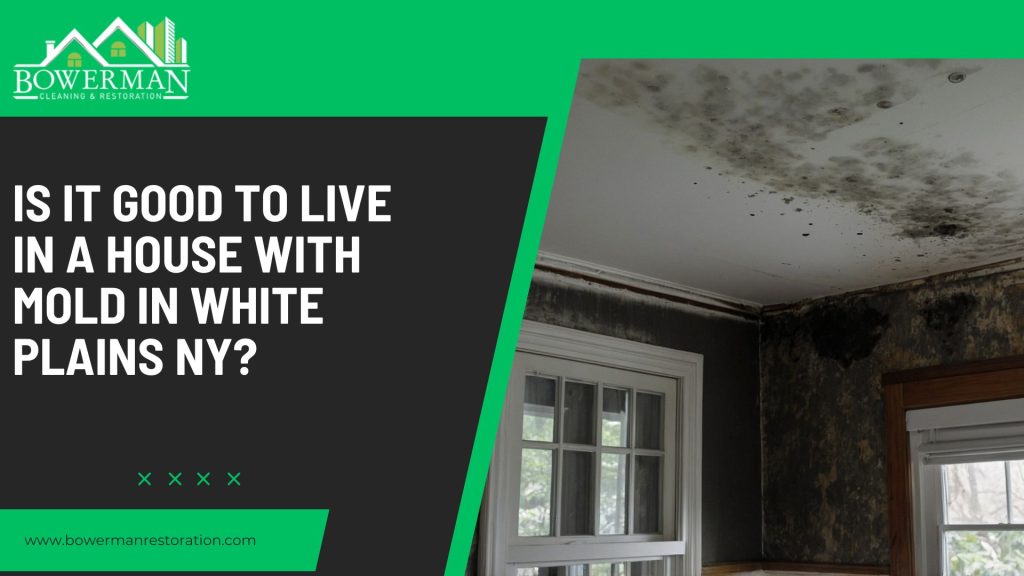

Living in a house with mold is never advisable, and this is especially true for residents of White Plains, NY, where the humid climate can exacerbate mold growth and related health issues. The question “is it good to live in a house with mold in White Plains NY” has a clear answer: absolutely not. Mold exposure poses significant health risks that can range from minor respiratory irritation to severe allergic reactions and long-term health complications.
White Plains, located in Westchester County, experiences a humid continental climate that creates ideal conditions for mold growth. The combination of warm summers, cold winters, and year-round humidity levels often exceeding 60% makes homes particularly susceptible to mold infestations. When moisture levels remain high indoors, especially in poorly ventilated areas like basements, bathrooms, and attics, mold spores can quickly colonize and spread throughout the property.
The health implications of living in a moldy environment cannot be overstated. Mold releases microscopic spores and mycotoxins into the air, which occupants inevitably inhale. These airborne contaminants can trigger immediate symptoms such as coughing, sneezing, throat irritation, and eye watering. For individuals with pre-existing respiratory conditions, allergies, or compromised immune systems, the effects can be far more severe and potentially life-threatening.
Beyond immediate health concerns, prolonged exposure to mold can lead to chronic health issues that may persist long after leaving the contaminated environment. Children and elderly individuals are particularly vulnerable, as their immune systems may not be equipped to handle the constant assault of mold toxins. The financial implications are equally concerning, as medical treatments for mold-related illnesses can be extensive and costly, while property damage from mold can significantly reduce home values and require expensive remediation efforts.
Understanding whether it’s safe to live in a moldy house requires examining the type of mold present, the extent of contamination, and the duration of exposure. However, regardless of these factors, no level of mold exposure should be considered acceptable for long-term habitation. The risks simply outweigh any potential benefits of remaining in a contaminated property, making immediate action essential for protecting both health and financial well-being.
Key Takeaways
- Health Risks Are Immediate and Serious: Living in a house with mold exposes residents to respiratory problems, allergic reactions, and potential long-term health complications. Symptoms can include persistent coughing, difficulty breathing, skin irritation, and chronic fatigue.
- White Plains Climate Promotes Mold Growth: The humid continental climate of White Plains, NY, with its high humidity levels and temperature fluctuations, creates optimal conditions for mold proliferation in residential properties.
- Vulnerable Populations Face Greater Risks: Children, elderly individuals, pregnant women, and people with compromised immune systems or existing respiratory conditions are at significantly higher risk for severe mold-related health issues.
- Property Value and Structural Damage: Mold infestations can cause substantial property damage, reduce home values, and require expensive professional remediation services to properly address the contamination.
- Legal and Insurance Implications: Mold problems can complicate insurance claims and create legal liabilities for property owners, especially in rental situations where tenant health may be compromised.
- Professional Assessment Is Essential: Determining the safety of a moldy house requires professional mold inspection and testing to identify the type, extent, and appropriate remediation strategies.
- Immediate Action Prevents Escalation: Early detection and prompt remediation can prevent minor mold issues from becoming major health hazards and expensive property damage scenarios.
- Prevention Is More Cost-Effective: Implementing proper ventilation, moisture control, and regular maintenance is significantly less expensive than dealing with established mold infestations and their health consequences.
Understanding Mold and Its Impact in White Plains Homes
Mold is a type of fungus that thrives in moist environments and reproduces through airborne spores. In White Plains, NY, the combination of seasonal weather patterns, aging housing stock, and varying construction standards creates numerous opportunities for mold growth. The region’s proximity to water bodies and its location in the Hudson Valley contribute to elevated humidity levels that can persist throughout the year.
Common types of mold found in White Plains homes include Aspergillus, Penicillium, Cladosporium, and the particularly dangerous Stachybotrys chartarum, commonly known as black mold. Each type presents different health risks and requires specific remediation approaches. Aspergillus, for example, can cause severe respiratory infections in immunocompromised individuals, while Stachybotrys produces potent mycotoxins that can cause neurological symptoms and severe respiratory distress.
The structural characteristics of many White Plains homes, including older properties with limited insulation and ventilation systems, can exacerbate mold problems. Basements are particularly susceptible due to their below-grade location and potential for water intrusion. Poor drainage around foundations, leaking pipes, and inadequate vapor barriers can create persistent moisture problems that fuel mold growth.
Temperature fluctuations common in the White Plains area can also contribute to condensation issues, especially in areas where warm, humid air meets cooler surfaces. This phenomenon is particularly problematic in transitional seasons when heating and cooling systems may not be actively managing indoor humidity levels. Understanding these local factors is crucial for residents to recognize why mold problems may be more prevalent and persistent in their area compared to drier climates.

Health Consequences of Mold Exposure
The health impacts of living in a moldy environment extend far beyond simple allergic reactions. Mold exposure can cause a complex array of symptoms that affect multiple body systems, making it particularly dangerous for long-term exposure. Respiratory symptoms are typically the first to manifest, including persistent coughing, wheezing, shortness of breath, and chest tightness. These symptoms can quickly progress from mild irritation to severe breathing difficulties that require emergency medical intervention.
Neurological effects of mold exposure are increasingly recognized by medical professionals as serious health concerns. Mycotoxins produced by certain mold species can cross the blood-brain barrier and cause symptoms such as memory problems, difficulty concentrating, mood changes, and chronic fatigue. Some individuals report experiencing “brain fog,” a condition characterized by mental cloudiness and reduced cognitive function that can significantly impact work performance and quality of life.
Skin and eye irritation are common immediate reactions to mold exposure. Residents may experience rashes, hives, eczema flare-ups, and persistent skin itching. Eye symptoms include redness, watering, burning sensations, and blurred vision. These symptoms often worsen with continued exposure and may persist even after leaving the contaminated environment.
Long-term health consequences can be particularly severe for vulnerable populations. Children exposed to mold may develop asthma or experience worsening of existing respiratory conditions. Pregnant women face risks of complications that could affect fetal development. Elderly individuals may experience accelerated decline in respiratory function and increased susceptibility to respiratory infections. The cumulative effect of chronic mold exposure can lead to permanent respiratory damage and increased risk of developing serious lung conditions.
Recent research has also linked mold exposure to autoimmune disorders and chronic inflammatory conditions. The body’s immune system, constantly fighting off mold toxins, can become overactive and begin attacking healthy tissues. This can manifest as joint pain, chronic fatigue syndrome, and various autoimmune conditions that may require lifelong medical management.

Legal and Financial Implications of Mold in White Plains Properties
The financial consequences of living in a moldy house extend well beyond immediate health costs. Property values in White Plains can be significantly impacted by mold issues, with contaminated homes often selling for 20-30% below market value. The stigma associated with mold problems can make properties difficult to sell, even after professional remediation, as potential buyers may be concerned about recurring issues or hidden damage.
Insurance coverage for mold damage varies significantly among policies and insurance companies. Many standard homeowner’s insurance policies exclude mold damage unless it results from a covered peril, such as a burst pipe. This means that homeowners may be responsible for thousands of dollars in remediation costs, temporary relocation expenses, and property repairs. In White Plains, where property values are high, these costs can quickly escalate into tens of thousands of dollars.
Legal implications are particularly complex in rental situations. New York State law requires landlords to maintain habitable living conditions, which includes addressing mold problems. Tenants who discover mold in their rental properties may have grounds for breaking leases, demanding rent reductions, or pursuing legal action for health damages. Landlords who fail to address mold issues promptly may face significant legal liability, especially if tenants suffer health consequences.
The remediation process itself requires careful consideration of legal and regulatory requirements. In New York, mold remediation projects exceeding certain square footage thresholds must be performed by licensed professionals following specific protocols. Improper remediation attempts can spread contamination, create additional health hazards, and potentially violate local building codes. Professional remediation companies like Bowerman understand these requirements and can ensure compliance while effectively addressing mold problems.
Documentation is crucial for both legal and insurance purposes. Property owners should maintain detailed records of mold discovery, professional assessments, remediation efforts, and ongoing monitoring. This documentation can be essential for insurance claims, legal proceedings, and future property transactions. Failure to properly document mold issues and remediation efforts can complicate future sales and potentially create legal vulnerabilities.
Environmental Factors Specific to White Plains
White Plains’ geographic location and climate patterns create unique challenges for mold prevention and control. The city’s position in the Hudson Valley exposes it to moisture-laden air masses that can maintain high humidity levels throughout much of the year. Seasonal weather patterns, including heavy spring rains and humid summer conditions, can overwhelm inadequate ventilation systems and create persistent moisture problems in residential properties.
The age and construction methods of many White Plains homes contribute to mold vulnerability. Properties built before modern building codes may lack proper vapor barriers, adequate insulation, and effective ventilation systems. Older homes often feature materials that are more susceptible to moisture retention, such as wood framing and plaster walls, which can harbor mold growth for extended periods before visible signs appear.
Soil conditions in the White Plains area can also contribute to basement moisture problems. Clay-heavy soils common in Westchester County can retain water and create hydrostatic pressure against foundation walls. Poor drainage around properties can lead to water infiltration through foundation cracks, creating ideal conditions for basement mold growth. These environmental factors make regular moisture monitoring and preventive maintenance particularly important for White Plains homeowners.
Urban development patterns in White Plains can also impact air circulation and moisture management. Dense residential areas may experience reduced air movement, while proximity to other buildings can create microclimates that trap humidity. Additionally, older infrastructure, including aging sewer and water systems, can contribute to moisture problems through leaks and inadequate drainage.
Seasonal considerations are particularly important for White Plains residents. Winter heating can create condensation problems when warm indoor air meets cold surfaces, while spring thaws can introduce significant moisture into basements and crawl spaces. Summer humidity can overwhelm air conditioning systems that are not properly sized or maintained, leading to elevated indoor moisture levels that promote mold growth.
Professional Assessment and Remediation Solutions
Determining whether a house with mold is safe for habitation requires professional assessment by qualified mold inspectors. Visual inspection alone is insufficient, as mold can grow in hidden areas such as inside walls, under flooring, and in HVAC systems. Professional mold inspectors use specialized equipment including moisture meters, thermal imaging cameras, and air sampling devices to identify the full extent of contamination and determine appropriate remediation strategies.
Air quality testing is a critical component of mold assessment, as it can detect airborne spores even when visible mold is not present. Professional testing can identify specific mold species, quantify spore concentrations, and compare indoor air quality to outdoor baseline levels. This information is essential for determining health risks and developing effective remediation plans. Companies like Bowerman provide comprehensive mold assessment services that include both visual inspection and air quality testing to ensure accurate diagnosis of mold problems.
Remediation strategies must be tailored to the specific type and extent of mold contamination. Small areas of surface mold may be addressed through cleaning and improved ventilation, while extensive contamination may require removal of affected materials and comprehensive decontamination procedures. Professional remediation follows established protocols that include containment of affected areas, use of negative air pressure systems, and proper disposal of contaminated materials.
The remediation process typically involves several phases: assessment and planning, containment and protection of unaffected areas, removal of contaminated materials, cleaning and disinfection of affected surfaces, and final verification testing. Each phase requires specialized equipment and expertise to ensure effective mold removal without spreading contamination to other areas of the property. Attempting DIY remediation of significant mold problems often results in cross-contamination and incomplete removal that can lead to recurring issues.
Post-remediation verification is essential to confirm that mold levels have been reduced to acceptable levels. This typically involves clearance testing by an independent third party to verify that air quality has been restored and that visible mold has been effectively removed. Without proper verification, residents cannot be confident that their living environment is safe for reoccupation.
Frequently Asked Questions
Is it safe to live in a moldy house temporarily?
No, even temporary residence in a moldy house poses health risks. Mold exposure can cause immediate symptoms such as respiratory irritation, allergic reactions, and headaches. The severity of symptoms depends on the type and concentration of mold, individual sensitivity, and duration of exposure.
What are the first signs that mold in my White Plains home is affecting my health?
Early symptoms include persistent coughing, sneezing, throat irritation, watery eyes, and respiratory discomfort. Some people may experience headaches, fatigue, or skin irritation. If symptoms improve when away from the property and worsen upon return, mold exposure is likely the cause.
How quickly can mold spread in a White Plains home?
Mold can begin growing within 24-48 hours of moisture exposure and can spread rapidly under favorable conditions. In White Plains’ humid climate, mold can colonize extensive areas within days or weeks if moisture sources are not addressed promptly.
Can I clean mold myself, or do I need professional help?
Small areas of surface mold (less than 10 square feet) may be cleaned by homeowners using proper safety equipment and procedures. However, extensive contamination, hidden mold, or mold in HVAC systems requires professional remediation to ensure safe and complete removal.
Will homeowner’s insurance cover mold damage in White Plains?
Coverage varies by policy and cause of mold growth. Most policies exclude mold damage from long-term moisture problems but may cover mold resulting from covered perils like burst pipes. Review your specific policy and consult with your insurance agent for clarification.
How much does professional mold remediation cost in White Plains?
Costs vary based on the extent of contamination, affected materials, and complexity of remediation. Small projects may cost several thousand dollars, while extensive contamination can require tens of thousands of dollars for complete remediation and repairs.
What should I do if I discover mold in my rental property?
Notify your landlord immediately in writing and document the mold with photographs. New York law requires landlords to maintain habitable conditions, including addressing mold problems. If the landlord fails to respond promptly, consult with a tenant’s rights attorney.
How can I prevent mold growth in my White Plains home?
Maintain indoor humidity below 60%, ensure proper ventilation in bathrooms and kitchens, repair leaks promptly, improve drainage around your foundation, and regularly inspect areas prone to moisture accumulation. Professional companies like Bowerman can provide comprehensive moisture control solutions.
Conclusion
Living in a house with mold in White Plains, NY, is never advisable and poses significant health, financial, and legal risks that far outweigh any potential benefits of remaining in a contaminated property. The humid climate of White Plains creates ideal conditions for mold growth, making prompt identification and professional remediation essential for protecting both health and property values.
The health consequences of mold exposure can range from immediate respiratory symptoms to long-term chronic conditions that may require extensive medical treatment. Vulnerable populations, including children, elderly individuals, and those with compromised immune systems, face particularly serious risks that can have lasting impacts on their quality of life and overall health outcomes.
Professional assessment and remediation are crucial for effectively addressing mold problems and ensuring safe living conditions. Companies like Bowerman provide the expertise and equipment necessary to properly evaluate mold contamination and implement comprehensive remediation solutions that address both visible mold and hidden sources of contamination.
The financial implications of mold problems extend beyond immediate remediation costs to include potential property value reduction, insurance complications, and ongoing health expenses. Early intervention and professional remediation can help minimize these costs while protecting the long-term value of your property investment.
If you discover mold in your White Plains home, the safest course of action is to seek professional assessment immediately and avoid prolonged exposure while remediation is planned and executed. Your health and safety should always take priority over convenience or short-term financial considerations when dealing with mold contamination.