
24/7 LEAD ABATEMENT SERVICE
50+ Years Experience
IICRC Certified
Licensed & Insured
24/7 Available
Your Home Should Not Be Making Your Family Sick
Lead-based paint is still the leading cause of childhood lead poisoning in the United States, and if your home was built before 1978, there is a real chance it contains lead paint on walls, trim, windows, or doors. When that paint starts to chip, peel, or get disturbed during renovations, invisible lead dust spreads through your living space and puts everyone inside at risk.
Bowerman Cleaning and Restoration is a certified lead abatement company serving homeowners and property managers across Westchester County, Rockland County, and New York County. Alongside our licensed asbestos removal and abatement solutions, we permanently eliminate lead-based paint hazards so your property is safe for families, tenants, and occupants for the long term.
The Problem With Lead Paint in Older Homes
Roughly one-third of the housing stock in the U.S. still contains lead-based paint. Across the Lower Hudson Valley and New York City, that number skews even higher because so much of the housing was built well before the 1978 federal ban.
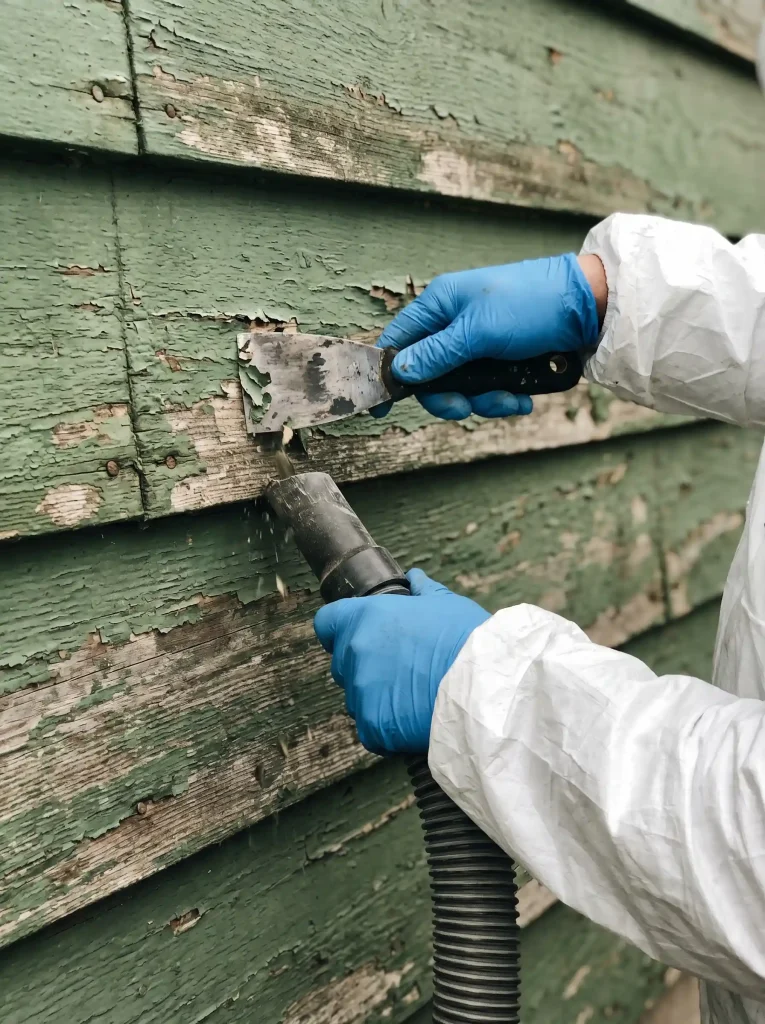
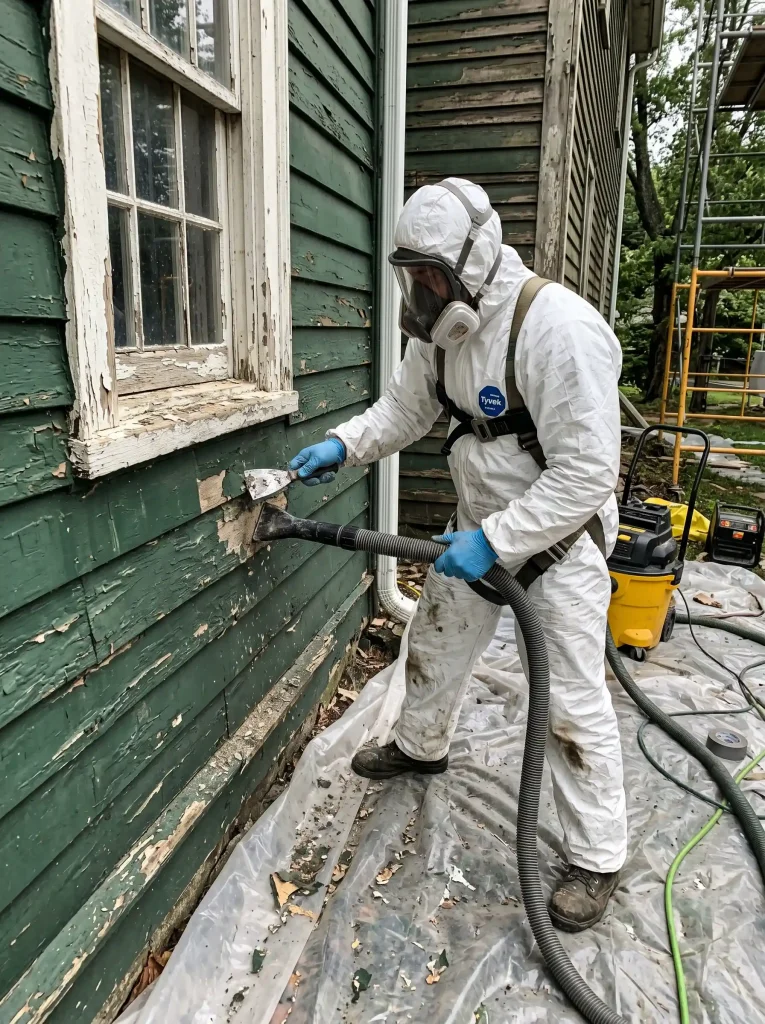
The danger is not the paint sitting quietly on a wall. The danger starts when paint deteriorates on its own or gets disturbed during renovations, repairs, or even normal wear on friction surfaces like windows and doors. Because renovations stir up dangerous particulates, utilizing professional post-construction cleaning services is critical; otherwise, microscopic lead dust enters the air and settles on floors, sills, toys, and furniture. That is when microscopic lead dust enters the air and settles on floors, sills, toys, and furniture.
Children are the most vulnerable. Ingesting or inhaling even small amounts of lead dust can cause irreversible damage, including reduced IQ, behavioral problems, learning difficulties, and delayed growth. Adults face cardiovascular, kidney, and reproductive health risks from prolonged exposure.
If you are seeing chipping or peeling paint on pre-1978 surfaces, waiting is not a safe option, as properties from this era often hide multiple environmental hazards like lead or the materials outlined in our guide on what asbestos removal involves.
What Lead Abatement Actually Means
Lead abatement is not a quick cleanup or a coat of fresh paint. Under federal regulation (40 CFR 745.223), abatement refers to any set of measures designed to permanently eliminate lead-based paint hazards, including reducing dust-lead levels to below regulatory action levels.
That makes it fundamentally different from interim controls, which are temporary fixes like specialized cleaning, minor repairs, or repainting that reduce exposure but do not remove the hazard for good. It is also different from standard renovation work under the EPA’s RRP Rule, which requires lead-safe practices during general renovation but is not specifically designed to address existing lead hazards.
When you hire Bowerman as your lead abatement company, you are choosing the permanent solution.
How We Handle Lead Abatement
Every abatement project we take on follows a structured, regulation-compliant process from start to finish.
Inspection and Risk Assessment
A certified professional inspects the property to identify lead-based paint, dust, and soil hazards. This assessment determines where lead is present, what condition it is in, and which abatement methods are appropriate for each area.
Site-Specific Abatement Plan
We develop a detailed plan covering occupant protection, work-area containment, method selection, and waste management. No two properties are identical, so no two abatement plans should be either.
Containment and Occupant Safety
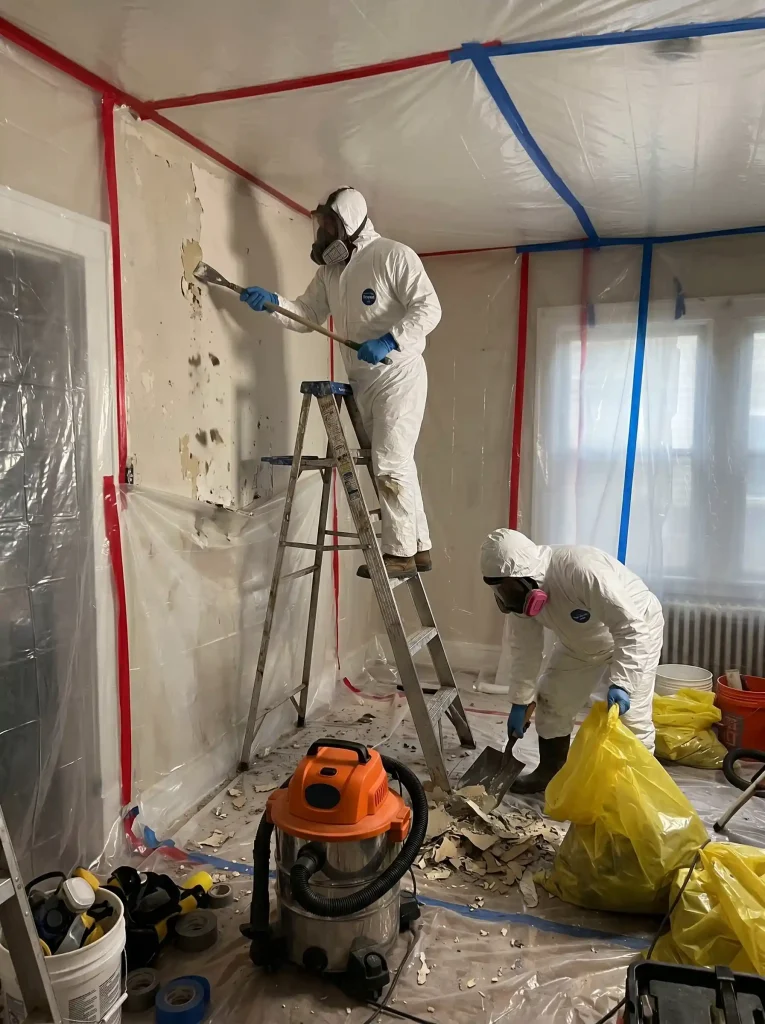
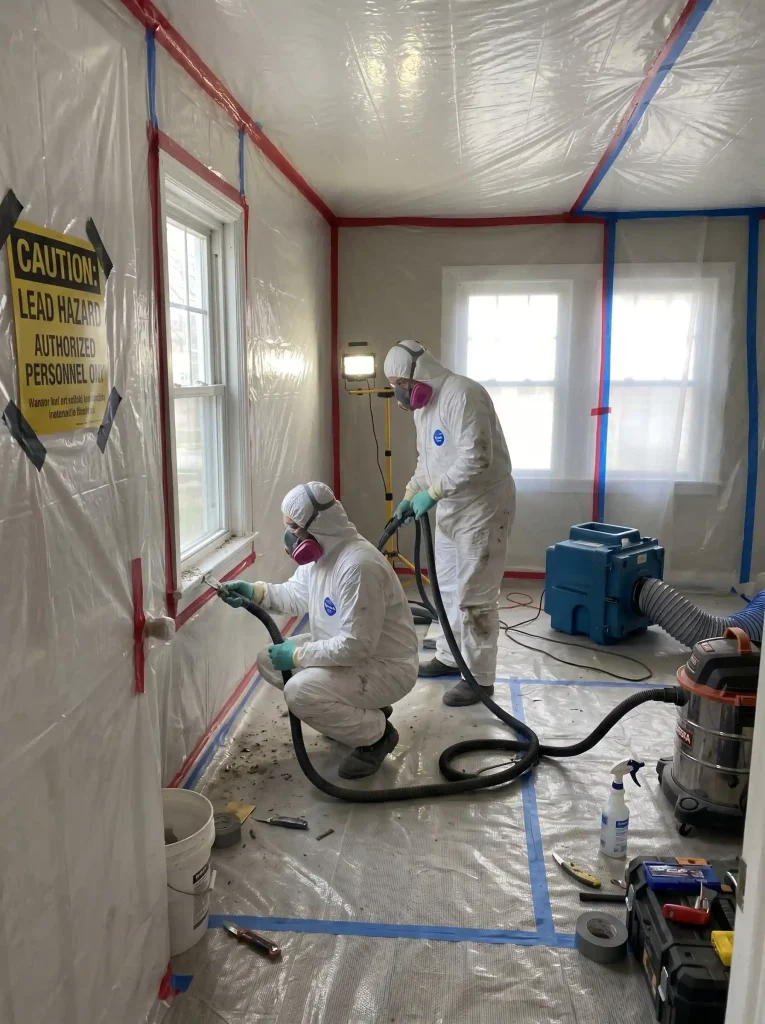
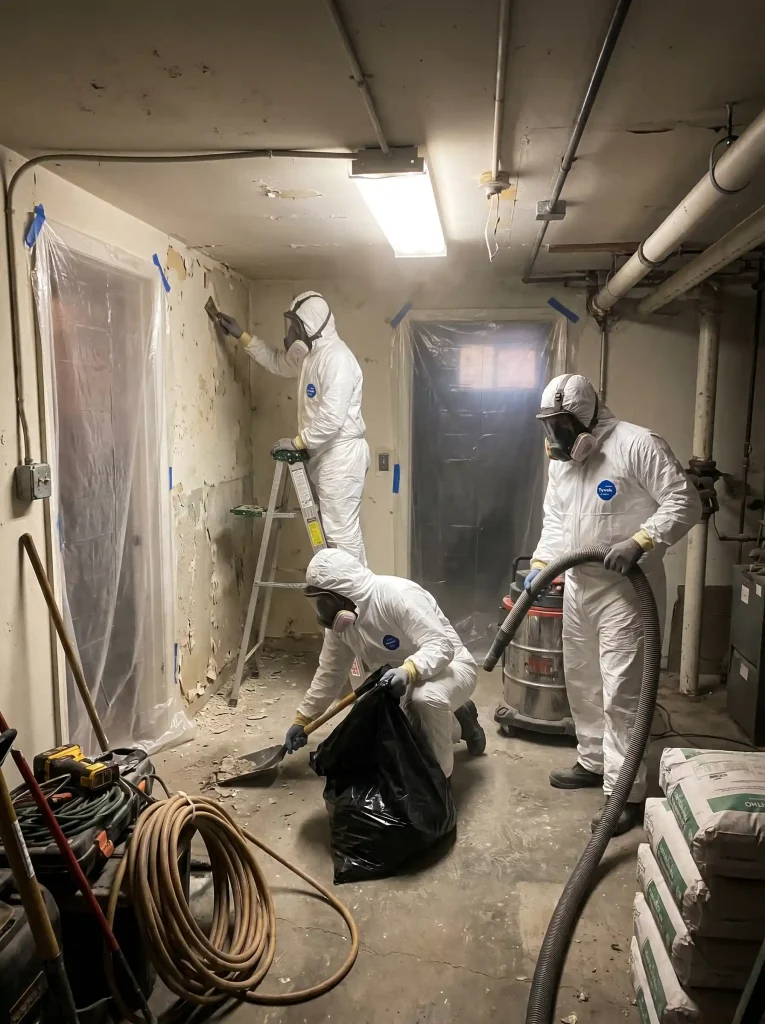
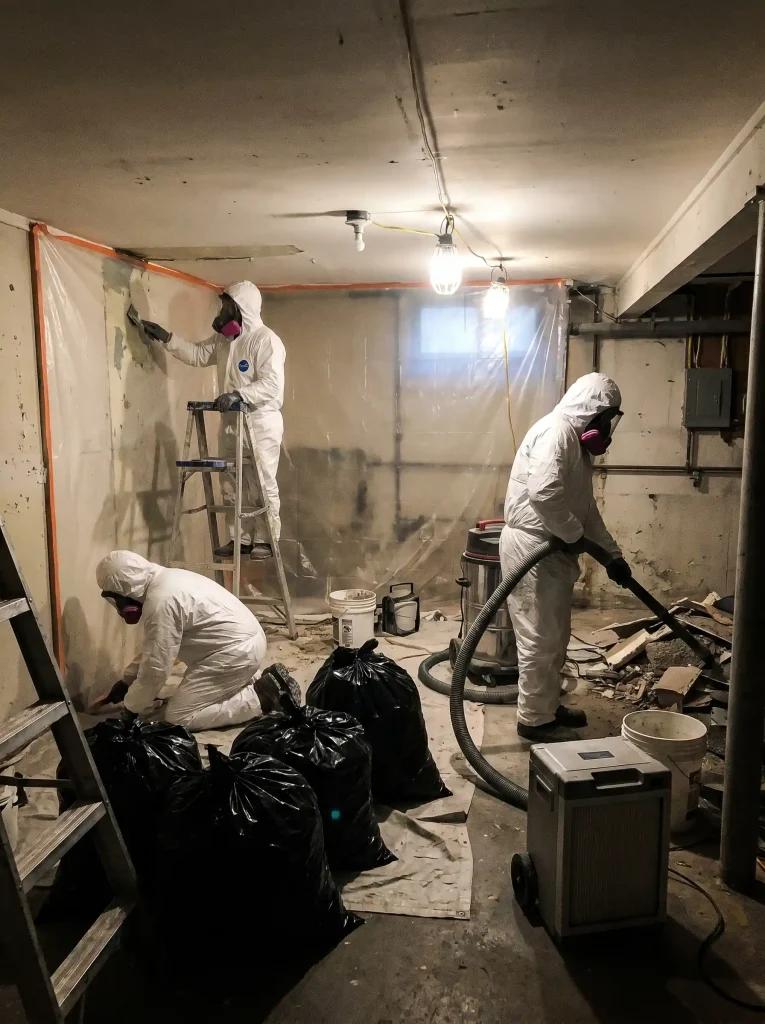
Before any work begins, we establish critical barriers using plastic sheeting and containment systems to isolate the work area. Children, pregnant individuals, and pets must be kept out of the space during the entire process.
Abatement Work
Depending on the property and the hazard, we use one or more proven methods:
Complete removal of lead-based paint from surfaces
Permanent enclosure using rigid materials such as drywall with sealed seams
Encapsulation with EPA-approved coating systems
Full replacement of painted components like windows, trim, and doors
Soil excavation, removal, or permanent covering for exterior contamination
All work follows EPA and HUD lead-safe work practices, including HEPA vacuuming, wet methods to minimize dust generation, and proper waste handling and disposal.
Post-Abatement Cleaning
After the physical abatement work, we perform a thorough multi-step cleaning process. This includes HEPA vacuuming all horizontal surfaces from high to low, multi-pass wet washing with detergent and clean rinse water, and a final HEPA vacuum pass.
Clearance Testing
A certified professional conducts independent dust wipe sampling on floors, window sills, and other key surfaces. Samples go to a certified laboratory for analysis to verify that dust-lead levels meet current EPA clearance standards.
As of January 2025, EPA has lowered the dust-lead hazard and clearance levels on floors and window sills, meaning all abatement work must now meet stricter post-work standards than in previous years.
Why Clearance Testing Matters
You cannot see lead dust. A room can look perfectly clean and still have dangerous dust-lead levels on surfaces. Visual inspection alone is not enough to confirm safety.
Clearance testing is the only way to verify that a space meets regulatory standards after abatement. If results fall short, additional cleaning and re-testing are required before the area can be considered safe for re-occupancy.
Bowerman ensures every project includes full documentation of work practices, waste disposal, and clearance results. This paperwork is critical for regulatory compliance and can be important for real estate transactions and property management records.
When Lead Abatement Is the Right Call
Not every lead situation requires full abatement. But there are clear scenarios where it is the recommended or required course of action:
A child in the home has been diagnosed with elevated blood lead levels
An inspection or risk assessment has identified deteriorated lead-based paint or high dust-lead levels
Interim controls have been tried and have not held up over time
Extensive renovations are planned in a pre-1978 building
You want a permanent, long-term solution rather than ongoing maintenance and monitoring
The property contains high-risk friction and impact surfaces like old windows, doors, and stairways
If any of these apply, a certified lead abatement company is the right next step.
Why Bowerman Cleaning & Restoration
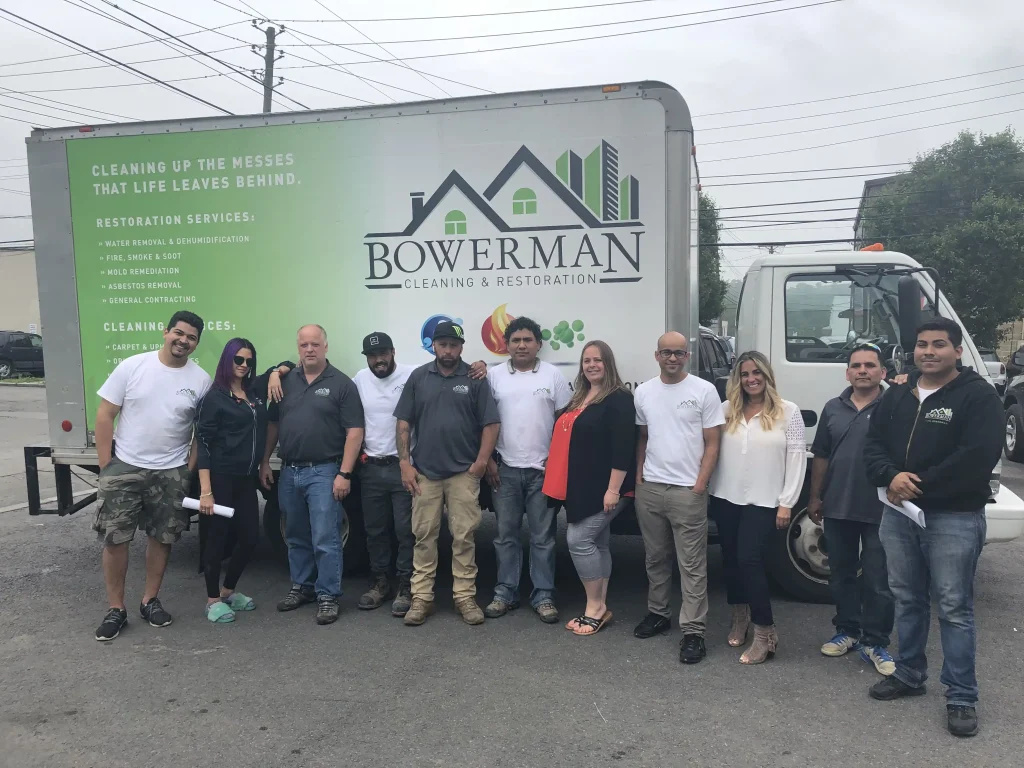
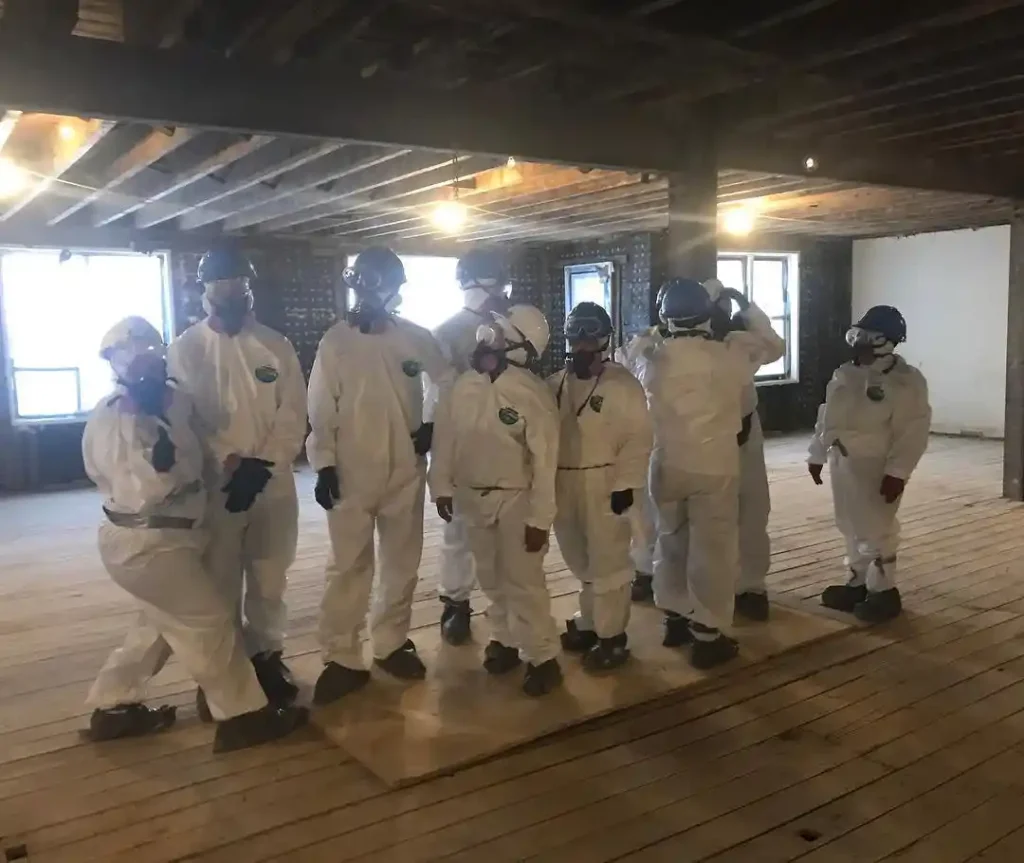
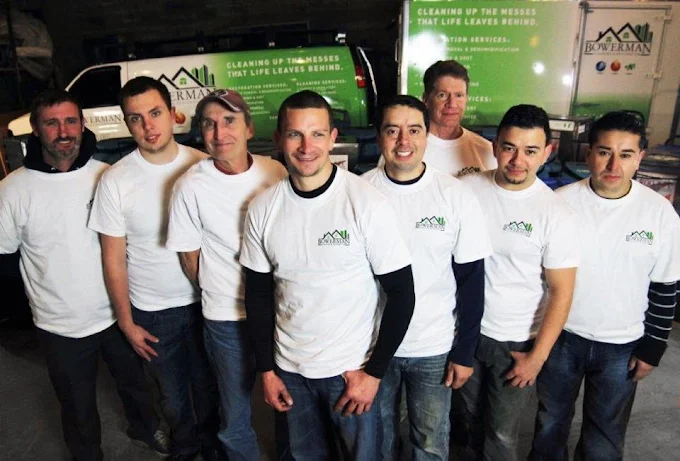
Bowerman Cleaning and Restoration brings certified expertise and full regulatory compliance to every lead abatement project. We serve residential and commercial properties across Westchester County, Rockland County, and New York County, and we understand the federal, state, and local requirements that apply to lead work in New York.
We follow EPA, HUD, and New York State lead-safe work practices at every stage, and we do not cut corners on containment, cleaning, or clearance testing. Our team handles the entire process from inspection coordination through final documentation, so you are not left managing multiple contractors or chasing down compliance paperwork on your own.
Frequently Asked Questions
How long does lead abatement take?
Project timelines depend on the size of the property, the extent of contamination, and the abatement methods required. A single room may take a few days, while a full-home project can take one to two weeks. We provide a timeline estimate after the initial assessment.
Is lead abatement required by law?
In many cases, yes. New York has specific requirements for lead hazard reduction in certain housing types, particularly when a child with elevated blood lead levels is involved. Federal rules also apply to federally assisted housing. We can help you understand which regulations apply to your property.
Can I stay in my home during abatement?
In most cases, occupants need to relocate from the work area during abatement. Depending on the scope, you may be able to stay in unaffected parts of the home, but children, pregnant individuals, and pets must be kept entirely away from the work zone.
What happens if clearance testing fails?
If dust wipe results exceed EPA clearance levels, additional cleaning is performed and the area is re-tested. Work is not considered complete until clearance standards are met.
How is abatement different from just repainting?
Repainting over lead-based paint does not qualify as abatement. Paint will eventually deteriorate again, and the underlying hazard remains. Abatement permanently removes or controls the hazard through methods like removal, enclosure, or encapsulation with approved systems.
If you own or manage a pre-1978 property in Westchester, Rockland, or New York County and you are concerned about lead-based paint hazards, contact Bowerman Cleaning and Restoration. We will help you understand your options and develop a plan that permanently protects the people in your building.
Contact Our 24/7 Support
Call us 24/7 to schedule an inspection or request a consultation.