
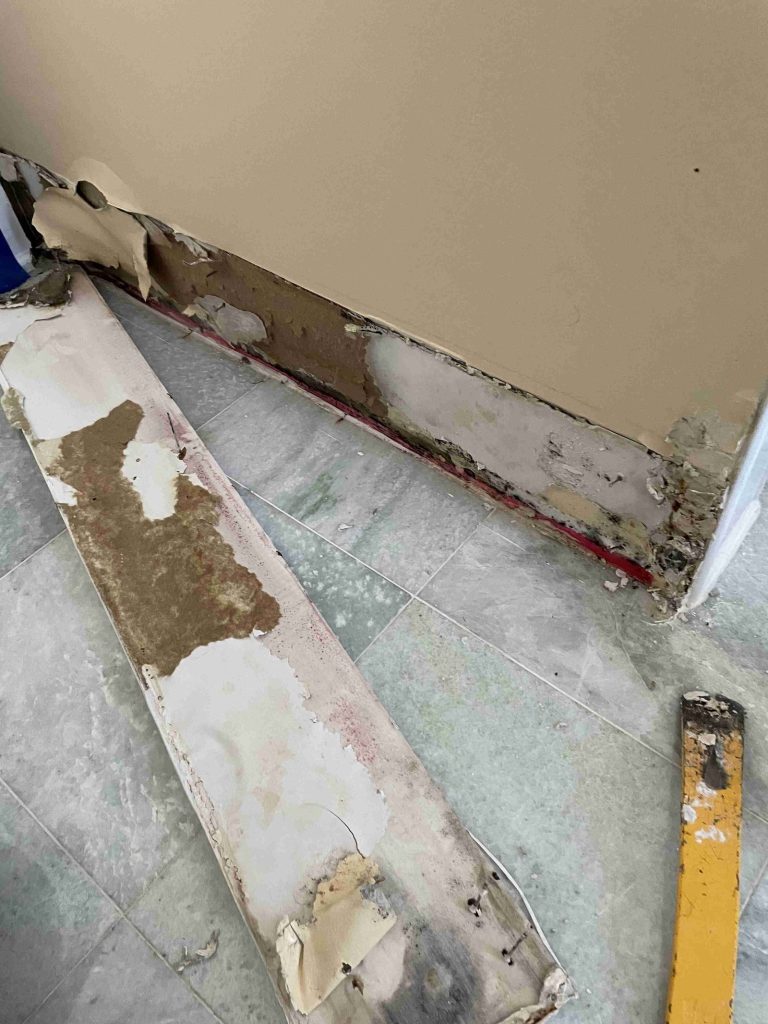
Mold remediation mistakes usually come from trying to hide a stain or from skipping a step that controls moisture and dust. Painting over growth, bleaching porous drywall, opening a wall with no containment, or hiring one company in NY to both test and remediate can all lead to a second job. Professional mold remediation services have to follow a complete, legal sequence.
Written by the Bowerman Cleaning and Restoration Team · May 26, 2026
Key Takeaways
- Painting or bleaching a stain does not fix moisture in a wall or growth in porous material.
- Opening a wall without containment can spread dust into rooms that were not part of the problem.
- Leaving the leak, the humidity, or the wet cavity in place is the most reliable way for growth to return.
- In New York, the same company should not assess and remediate the same property.
In This Guide
- What Are the Most Common Mold Remediation Mistakes?
- Why Are Paint and Bleach Such Frequent Misses?
- Which Process Shortcuts Cause the Most Repeat Work?
- What New York-Specific Mistake Should Homeowners Watch For?
- Mold Remediation Mistakes FAQs
What Are the Most Common Mold Remediation Mistakes?
Short answer: hiding the stain, skipping moisture repair, skipping containment, and mixing assessment with remediation in NY. Most of these mistakes look like shortcuts on day one and like repeat work later.
| Mistake | Why it fails | Better approach |
|---|---|---|
| Painting or caulking over a stain | Moisture and growth can remain in the material | Find the source, dry the structure, then finish |
| Bleaching porous drywall or wood | The surface may lighten while growth remains in the material | Remove or clean according to the material, not the product |
| Opening a wall with no containment | Dust can travel into clean rooms | Build barriers before the first cut |
| Leaving the leak or humidity in place | New or remaining material can support growth again | Repair the source and confirm dryness with readings |
| Using one NY company to test and remediate | Article 32 separates those roles on a covered project | Hire an independent assessor for the official scope and review |
Guidance on whether you can remediate mold yourself and on removing mold without a professional is useful before a do-it-yourself attempt. The EPA mold cleanup guidance also warns against treating a large or hidden problem as a simple wipe-down. A second look at the written scope, after those mistakes are listed, often shows whether moisture repair, containment, and a New York independent assessment are actually in the plan or only assumed.
Why Are Paint and Bleach Such Frequent Misses?
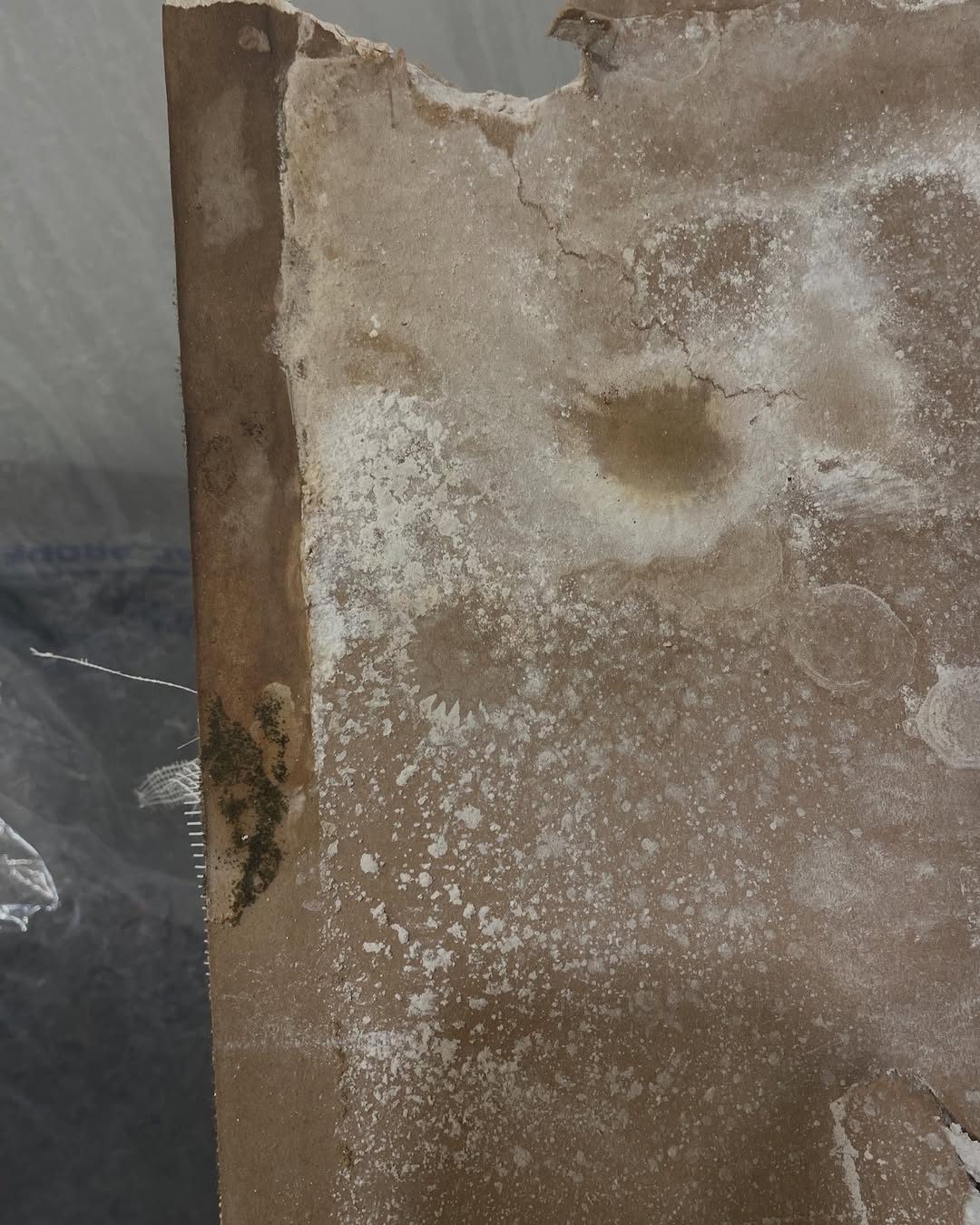
Short answer: they change the look of a surface without reliably removing growth from porous material or drying the wall. A brighter stain is not the same thing as a finished job.
Paint can seal a damp stain into a wall. Bleach can lighten a hard, non-porous surface and still leave a paper-faced board or a wet baseboard in poor condition. Neither product repairs a leak. The EPA brief guide keeps the emphasis on moisture control for that reason.
Which Process Shortcuts Cause the Most Repeat Work?
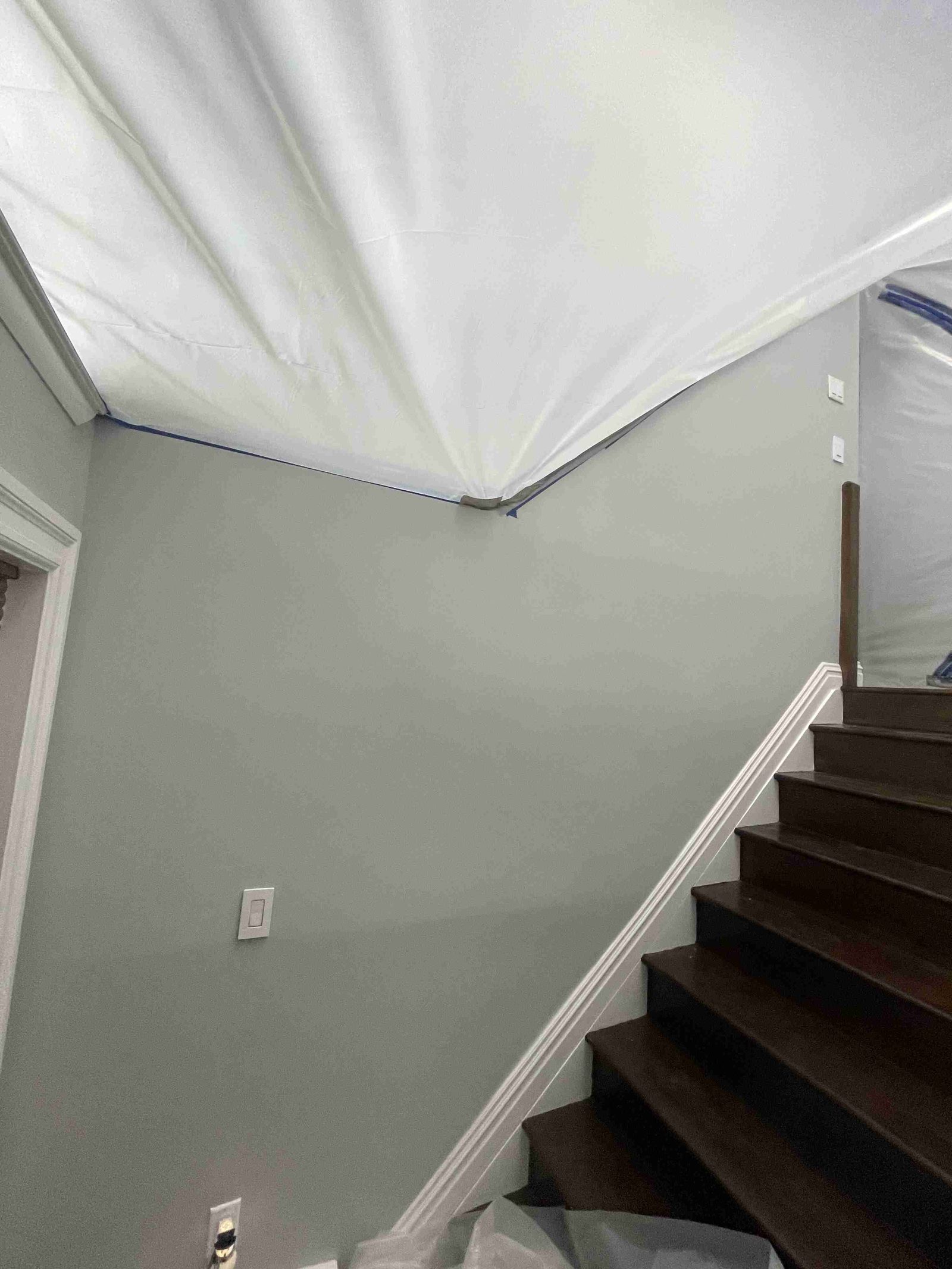
Short answer: no containment, no drying check, and closing the wall too soon. Tear-out is visible. The skipped steps are the ones that usually fail later.
What mold remediation is includes containment, controlled removal or cleaning, and measured drying, not only a pile of stained drywall at the curb. Closing a wall because the job “looks done” is a mistake if readings are still high or if a New York post-remediation assessment has not been completed by a separate assessor.
Questions about a mold problem in Westchester County, NY? Bowerman Cleaning & Restoration answers 24/7.
What New York-Specific Mistake Should Homeowners Watch For?
Short answer: accepting one company that offers to test, set the scope, remediate, and then clear the same project. The law is written to keep those roles independent.
The NY Department of Labor Mold Program enforces Article 32. It requires an independent mold assessment to define the work and prohibits the same company from performing both the assessment and the remediation on the same property. A bundled test-and-then-clean offer is not how a covered project is supposed to be structured. Ask who the independent assessor will be, and do not treat the remediator’s own photos as a clearance test.
Mold Remediation Mistakes FAQs
Is it a mistake to clean a small spot on tile myself?
Not necessarily. A small area on a hard, non-porous surface, after the moisture is fixed, can be a reasonable cleanup. The mistakes start when that approach is used on porous materials, hidden cavities, or large areas.
Can I run household fans instead of setting up containment?
A fan in an open doorway can move dust into the rest of the house. That is the opposite of containment. Barriers should go up before materials are disturbed.
If I already painted over a stain, is the job ruined?
It is harder to see the extent, but the wall can still be investigated with moisture readings and, if needed, a careful opening. Plan for a complete scope rather than another coat of paint.
Does a cheap quote mean something was skipped?
Not always, but a quote that lists only hours of “removal” with no containment, drying, or independent assessment is incomplete. Compare line items.
Who should do clearance testing after the work?
An independent licensed mold assessor, not the remediator. In New York, that split is required on a covered project.
Want to avoid mold remediation mistakes in a Westchester NY home? Bowerman Restoration LLC d/b/a Bowerman Cleaning & Restoration, 7 Intervale Street, White Plains, NY 10606, answers 24/7 at (844) 269-3762.