
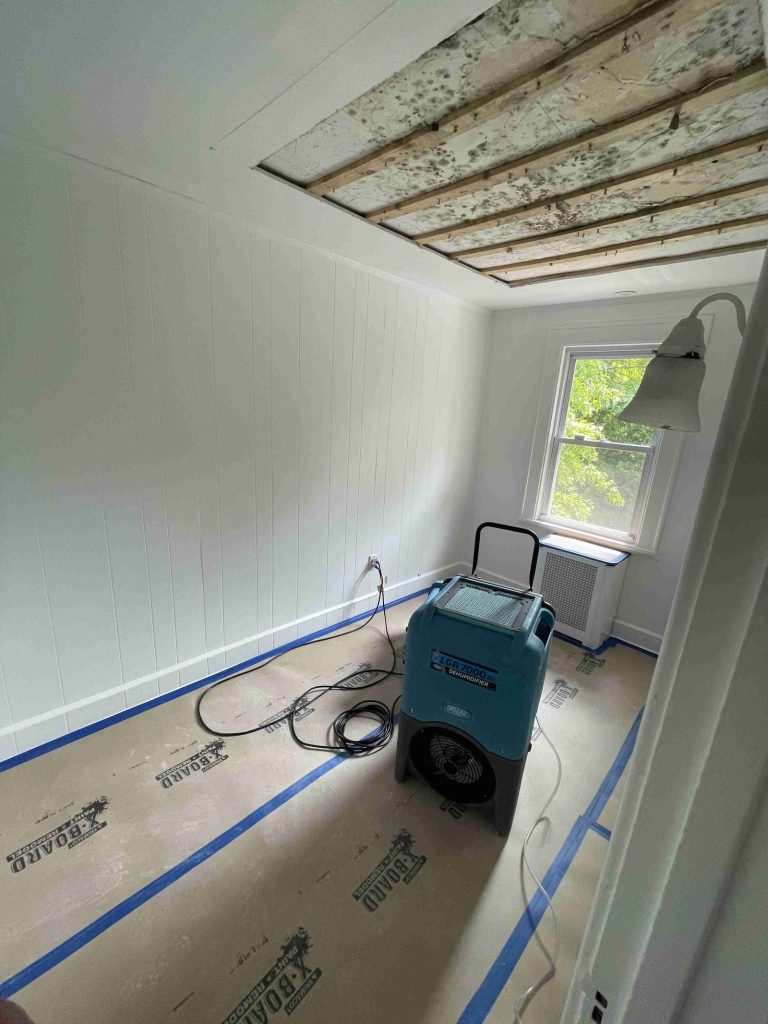
A mold remediation timeline is rarely a single afternoon. In NY homes, the calendar usually includes an independent assessment, containment and removal, measured drying, and a separate post-remediation review before any rebuild. Small surface jobs can be shorter. Hidden growth or a still-wet structure can add days or weeks. Professional mold remediation services usually follow this same phase order, even when the number of days changes.
Written by the Bowerman Cleaning and Restoration Team · May 8, 2026
Key Takeaways
- Plan for phases, not one date: assessment, containment and removal, drying, review, then rebuild.
- Tear-out is often the shortest visible step. Drying and the assessor’s schedule frequently take longer.
- In New York, the remediator does not also perform the post-remediation assessment, so that visit has to be scheduled separately.
- Moisture that is still active, large areas, and cavities behind finished walls are the usual reasons a timeline stretches.
In This Guide
- What Does a Typical Mold Remediation Timeline Include?
- What Can Stretch a Mold Remediation Timeline?
- Why Is Drying Often Longer Than the Tear-Out?
- When Does Rebuild Fit Into the Timeline?
- Mold Remediation Timeline FAQs
What Does a Typical Mold Remediation Timeline Include?
Short answer: assessment first, then containment and removal, then drying, then a separate review, then rebuild. Each phase has its own clock, and some of them overlap only a little.
| Phase | What usually happens | Typical time range |
|---|---|---|
| Independent assessment | A separate NY mold assessor inspects, may sample, and writes a scope | A visit plus time to issue the written scope |
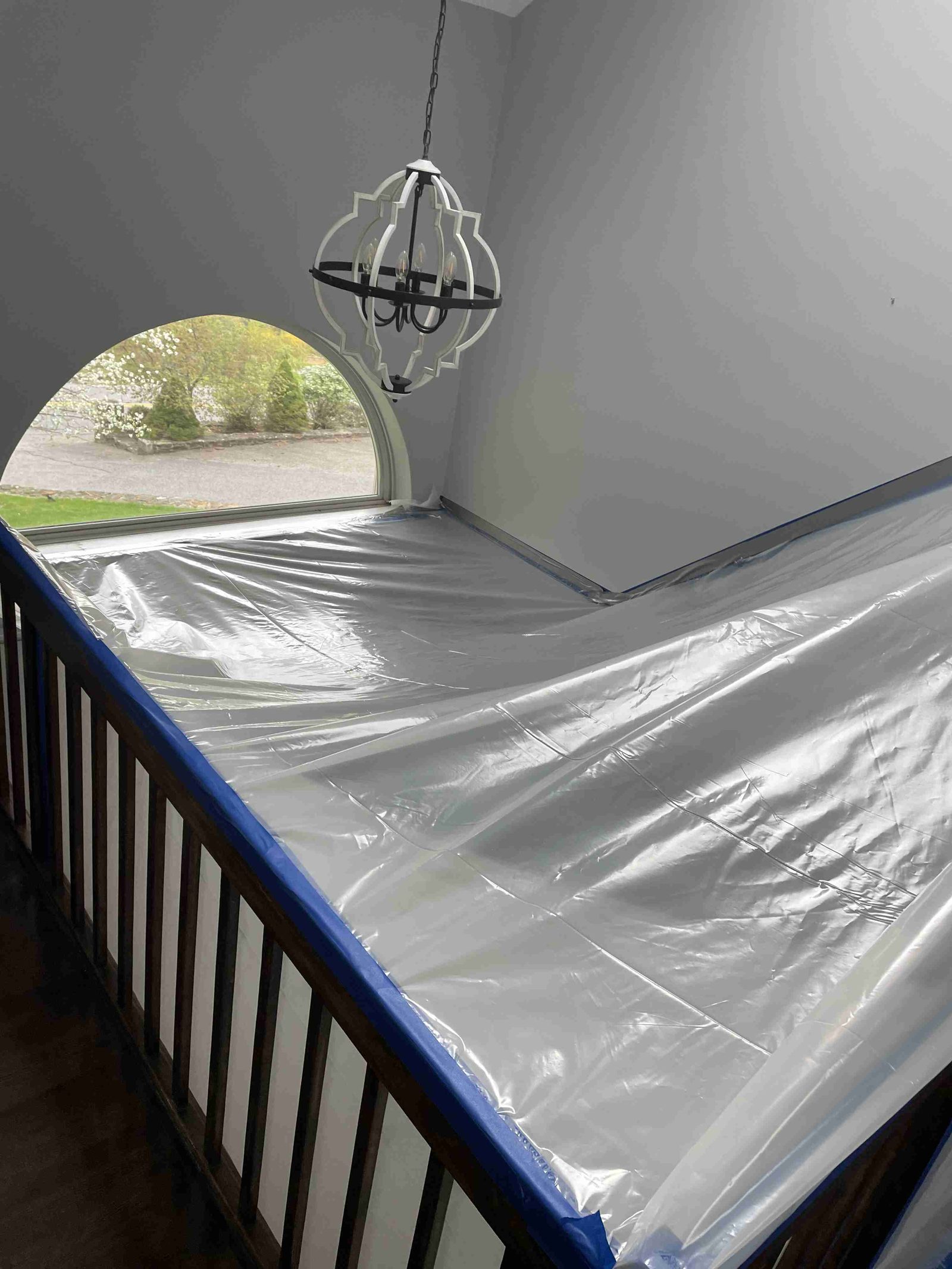
| Setup and containment | Barriers, floor protection, and air filtration are put in place | Often part of day one, longer on large areas |
| Removal and cleaning | Affected materials are taken out or cleaned inside the contained area | One to several days, depending on size |
| Drying | Air movement and dehumidification run until readings hit a dry target | Often a few days; longer if cavities stay wet |
| Post-remediation assessment | A separate assessor reviews the work and may test | Scheduled after drying, not the same day as tear-out |
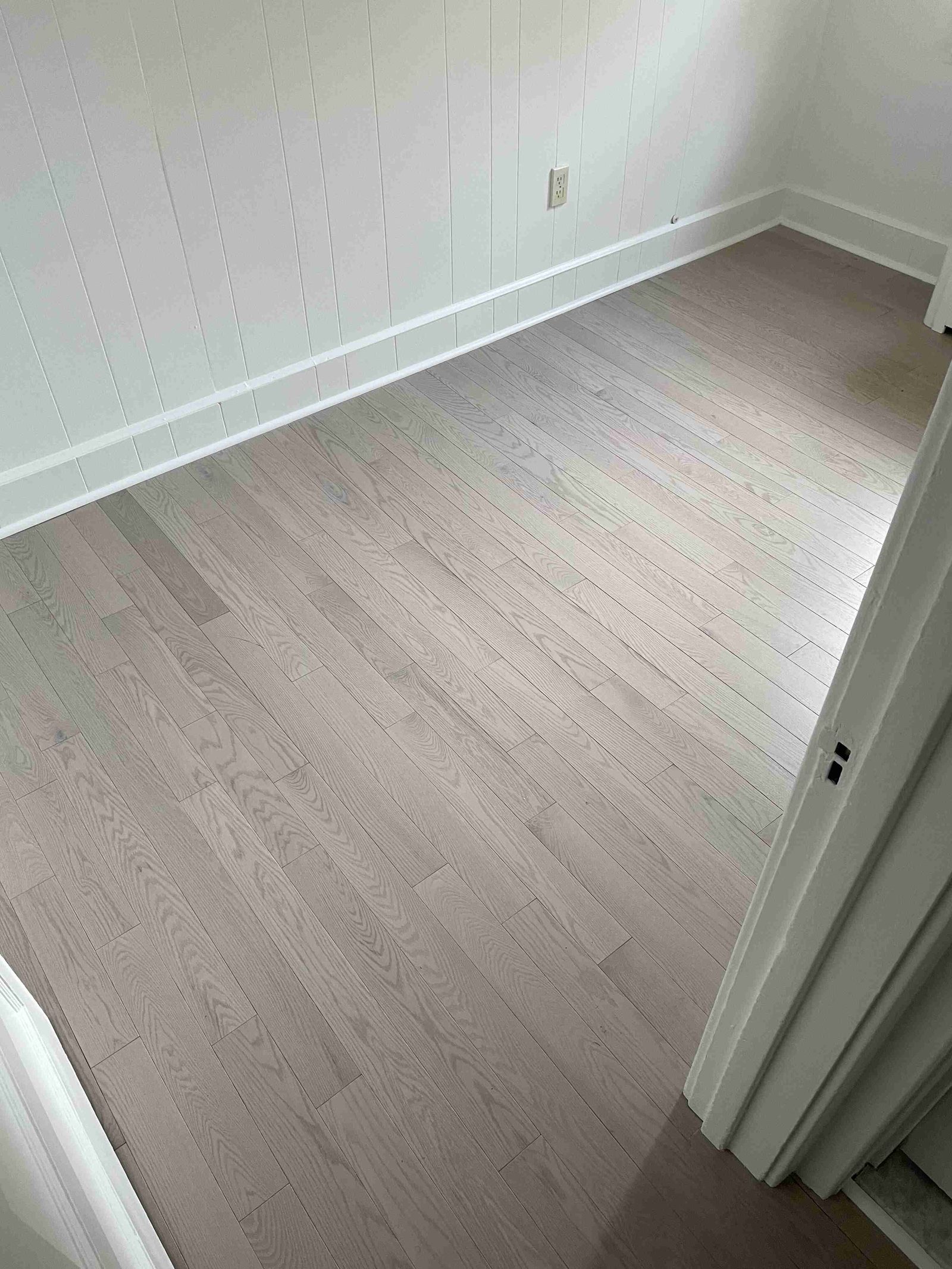
| Rebuild | New drywall, insulation, paint, or flooring | Starts only after the structure is dry and reviewed |
A related article on how long mold remediation takes discusses duration in general terms. This timeline is about the order of the phases and what actually occupies the days. The broader definition is in what mold remediation is.
What Can Stretch a Mold Remediation Timeline?
Short answer: hidden growth, a leak that is still active, slow drying, and waiting on the independent assessor. The first quote date is only a starting point if those conditions change.
- The moisture source has not been repaired, so the area cannot stay dry.
- Growth extends into a second room, a closet, or a wall that was not in the first look.
- Wet insulation, hardwood, or masonry takes longer to dry than open framing.
- The independent assessor cannot visit on the first requested day.
- Rebuild trades cannot start until dryness and the post-remediation review are complete.
Older Westchester County, NY houses with finished basements or tight crawl spaces often fall into the slower group, because moisture can sit in places that are not open to air. The IICRC S520 standard treats conditions, not a fixed number of days, as the guide for how much work is needed.
Why Is Drying Often Longer Than the Tear-Out?
Short answer: removing a board is a task; pulling moisture out of wood or a cavity is a physical process that takes time. Turning equipment off overnight to reduce noise usually adds days, not hours.
Once stained drywall is out, the remaining lumber, masonry, or subfloor still has to reach a documented dry target. That is the same logic used in a careful water damage drying process. Readings, not how a surface feels, should decide when this phase is over.
New finishes should not go in during this window. Closing a wall that is still wet can hide moisture and shorten only the appearance of the timeline.
Questions about a mold problem in Westchester County, NY? Bowerman Cleaning & Restoration answers 24/7.
When Does Rebuild Fit Into the Timeline?
Short answer: after the structure is dry and, in NY, after the independent post-remediation assessment is complete. Paint and new drywall are the end of the calendar, not the middle.
Homeowners often want a single completion date that includes new paint. That date cannot be honest until drying is done and the separate assessor has reviewed the work. On a covered New York project, the Mold Program treats that post-remediation assessment as part of the minimum work standards, and the remediator does not perform it.
If insurance is involved, documentation from each phase also affects how quickly a rebuild can be approved. That paperwork is not the same thing as the on-site drying clock, but it can sit on the critical path.
Mold Remediation Timeline FAQs
Can mold remediation be finished in one day?
A very small, contained cleanup on a hard surface sometimes can. Most jobs that involve opening a wall, removing insulation, or drying a structure take more than one day, plus time for a separate assessment in New York.
Does the timeline include rebuilding the room?
It should be shown as a later phase, not as part of the remediation days themselves. Rebuild starts after dryness is documented and the independent review is complete.
Who controls the date of the clearance visit?
The independent mold assessor, not the remediator. In NY, the same company should not assess and remediate the same property, so that visit is scheduled on its own calendar.
What should a homeowner do while equipment is running?
Leave it on, stay out of the contained area, and report any new leaks. Turning machines off to cut noise is a common reason a short drying window becomes a longer one.
Will a bigger crew always finish sooner?
More hands can speed tear-out and setup. They cannot force wet wood to dry on a shorter physical schedule, and they cannot replace the assessor’s visit.
Trying to plan a mold remediation timeline for a Westchester NY home? Bowerman Restoration LLC d/b/a Bowerman Cleaning & Restoration, 7 Intervale Street, White Plains, NY 10606, answers 24/7 at (844) 269-3762.