
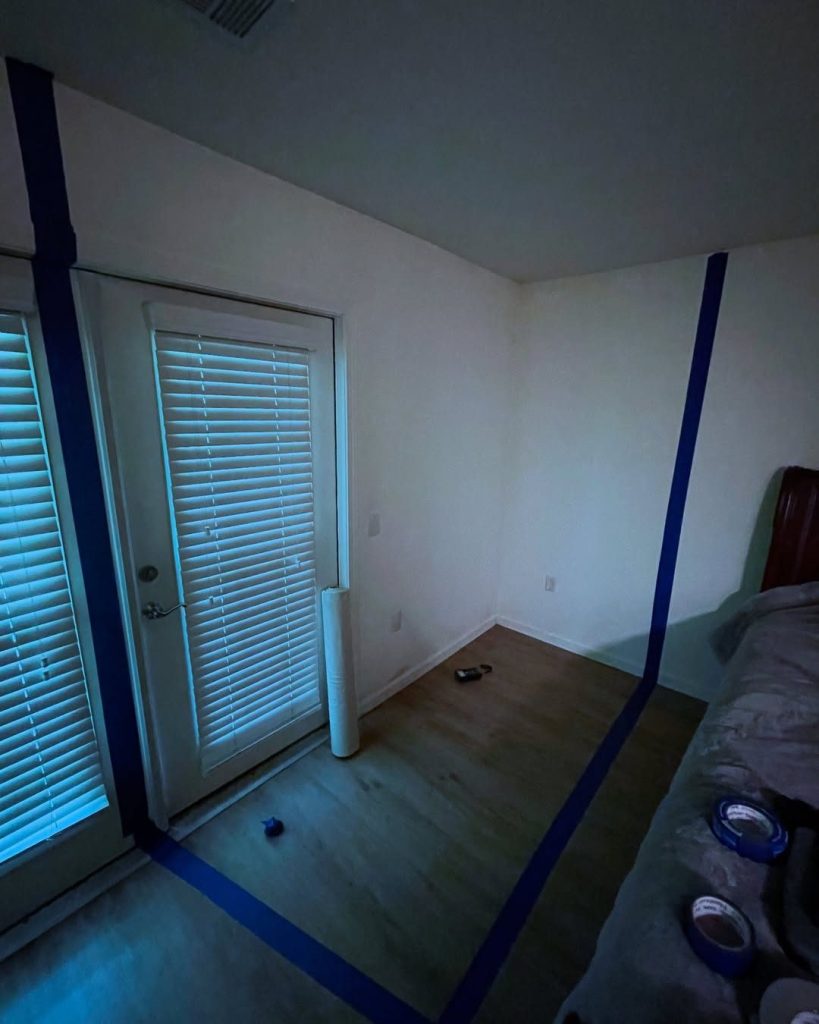
The step by step mold remediation process usually starts before any material is torn out. In NY, an independent mold assessor typically defines the scope. The remediator then contains the area, removes or cleans affected materials, dries the structure, and leaves the space ready for a separate post-remediation assessment.
Written by the Bowerman Cleaning and Restoration Team · May 6, 2026
Key Takeaways
- In New York, an independent assessment typically comes first and sets the scope of the work.
- Containment is set up before materials are disturbed, so dust and spores are less likely to travel.
- Porous materials that have supported growth are often removed; some hard surfaces can be cleaned.
- Drying is checked with moisture readings, not by look and touch alone.
- Post-remediation assessment, including any clearance testing, is done by a separate assessor, not the remediator.
In This Guide
- What Are the Steps in a Mold Remediation Process?
- Why Does the Order of These Steps Matter?
- What Does the Homeowner Need to Do During the Process?
- How Long Does This Process Usually Take?
- Step by Step Mold Remediation Process FAQs
What Are the Steps in a Mold Remediation Process?
Short answer: assess independently, contain, remove or clean, dry, then have a separate assessor review the work. The exact scope depends on the size of the area and the materials involved.
- Independent assessment. In New York, a licensed mold assessor who will not do the remediation typically inspects the property, may collect samples if sampling is part of that assessment, and writes a work scope. The NY Department of Labor Mold Program requires that independent assessment on covered projects.
- Source control and site prep. The leak, intrusion, or humidity problem is identified and repaired, or a plan is made to repair it. Belongings in the work area are moved or protected. Pathways for the work are planned so unclean materials do not travel through the rest of the house.
- Containment and air filtration. Plastic barriers, taped seams, and often a zipper door isolate the work area. Filtered air equipment, commonly called an air scrubber, is used to keep the space under better control while materials are disturbed.
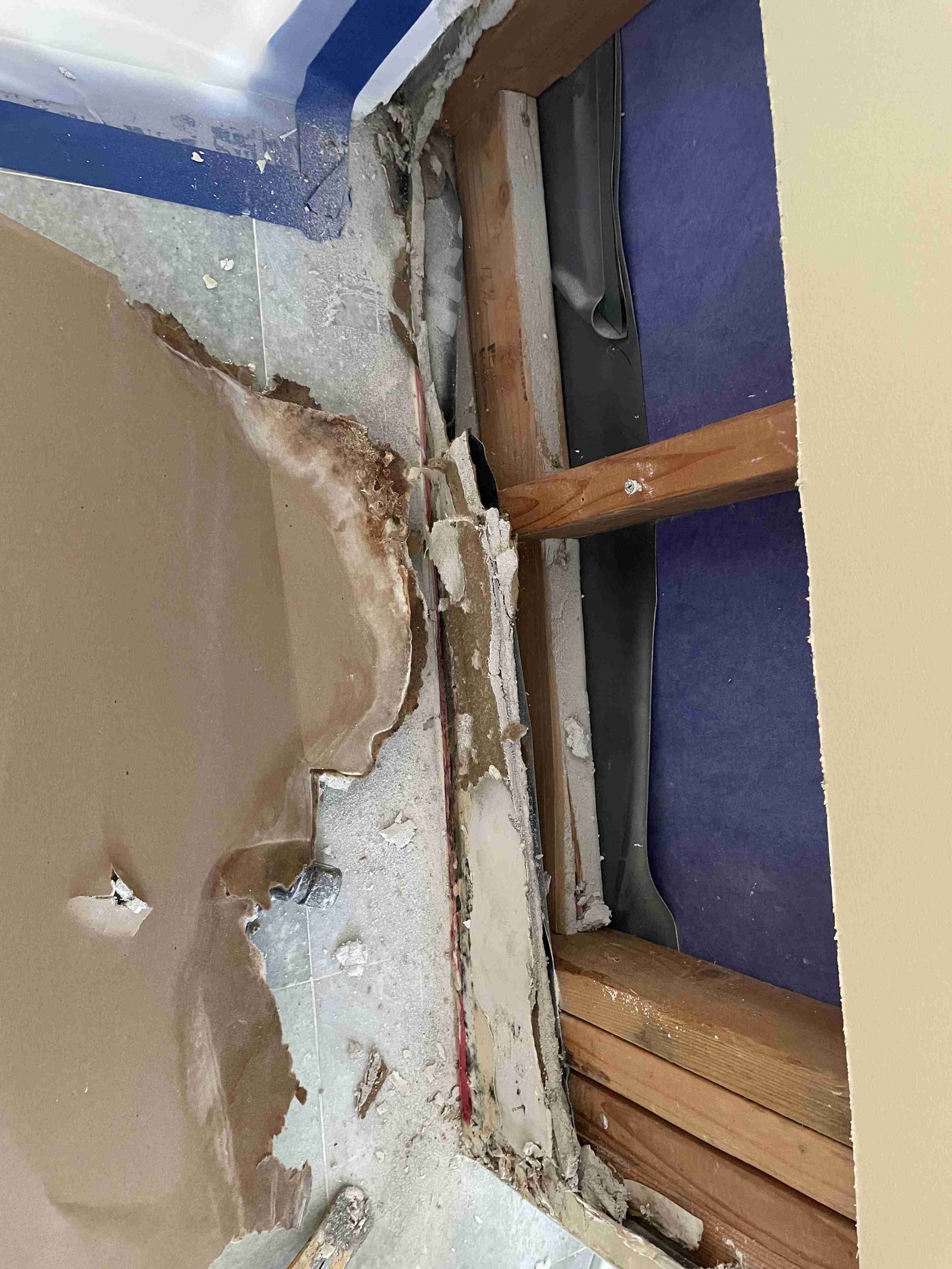
- Removal or cleaning. Affected porous materials such as drywall, insulation, or carpet pad are typically cut out, bagged, and removed. Hard, non-porous surfaces may be cleaned. The IICRC S520 standard describes this kind of condition-based approach.
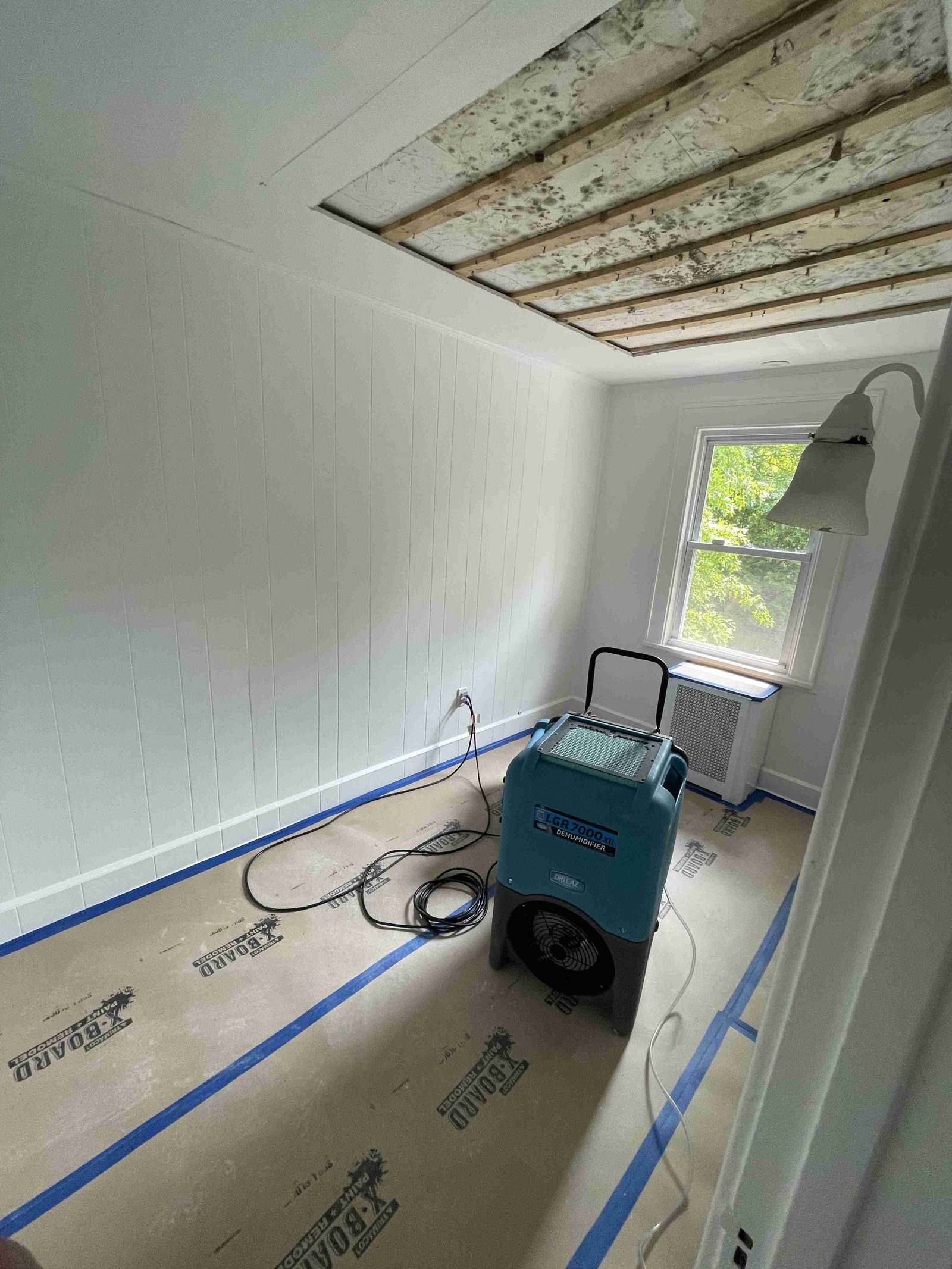
- Drying and cleanup. The open structure is dried with air movement and dehumidification. Dust is cleaned from the contained area. Moisture readings are used to show that the materials have reached a dry target, not just that the surface feels dry.
- Post-remediation assessment. A separate mold assessor reviews the completed work and, when sampling is part of that review, performs any clearance testing. The remediator does not clear its own project. Rebuild or refinishing should wait until that review is done and the structure is dry.
This sequence is a practical detail of what mold remediation is, and it is the outline used in professional mold remediation services. A related walkthrough of what happens during mold remediation covers the on-site work from another angle.
Why Does the Order of These Steps Matter?
Short answer: opening a wall before containment, or rebuilding before the structure is dry, can spread or trap the problem. Skipping a step often means doing the later steps twice.
If drywall is pulled before barriers are in place, dust can move into rooms that were not part of the job. If new drywall or paint goes up while the cavity is still wet, moisture is sealed in and growth can return behind the new finish. If the moisture source is left unrepaired, the same area can support growth again after a careful cleanup.
In NY, starting remediation without an independent scope also creates a compliance problem, not just a quality one. Article 32 is structured so the company that defines the work is not the company that performs it.
What Does the Homeowner Need to Do During the Process?
Short answer: keep people and pets out of the work area, protect belongings as directed, and leave drying equipment running. The contractor should explain access, parking, and how long equipment will stay in place.
- Stay out of the contained area unless the contractor says otherwise.
- Do not turn off drying or filtration equipment to reduce noise.
- Tell the contractor about other leaks, past backups, or musty rooms elsewhere in the house.
- Ask who will perform the post-remediation assessment, and when that visit is scheduled.
- Wait for dryness and that assessment before scheduling paint or finish work.
Questions about a mold problem in Westchester County, NY? Bowerman Cleaning & Restoration answers 24/7.
How Long Does This Process Usually Take?
Short answer: small, contained jobs may finish in a few days; larger or wetter jobs often take a week or more, plus rebuild time. Drying time and the assessor’s schedule often affect the calendar as much as the tear-out does.
A short job in one room can move from containment to a dry, empty cavity in several days. A finished basement, an attic with wet insulation, or a loss that followed a flood usually takes longer. Rebuild is a separate phase after the structure is dry and the post-remediation assessment is complete.
For a closer look at the calendar, see how long mold remediation takes. The EPA mold cleanup guidance is also a useful reference for the difference between a small surface cleanup and a larger job.
Step by Step Mold Remediation Process FAQs
Does the remediation contractor also do air sampling?
No, not on a typical New York project. Air sampling and other testing are usually part of the independent assessment, before the work and again at the end if the assessor includes them. The remediator should not test and then remediate the same property.
Is every step required on a small job?
The scale changes, but the logic does not. Even a modest job still needs a defined scope, some form of containment, source control, and a dry structure. A wipe-down with no moisture repair is not a complete process.
When can rebuilding start?
After the affected materials are out, the structure is dry to a documented target, and the independent post-remediation assessment is complete. Installing new finishes earlier can trap remaining moisture.
What standard do contractors often follow?
Many remediation plans refer to the IICRC S520 standard for mold remediation. Citing that standard is not the same as a certification claim. Ask how the written scope compares to those condition-based methods.
Can a homeowner do this process alone?
A small spot on a hard surface may be a reasonable do-it-yourself cleanup if moisture is already fixed. Hidden growth, large areas, and dirty water are different. Notes on whether you can remediate mold yourself can help with that line.
Need a clearer picture of the mold remediation process in a Westchester NY home? Bowerman Restoration LLC d/b/a Bowerman Cleaning & Restoration, 7 Intervale Street, White Plains, NY 10606, answers 24/7 at (844) 269-3762.