
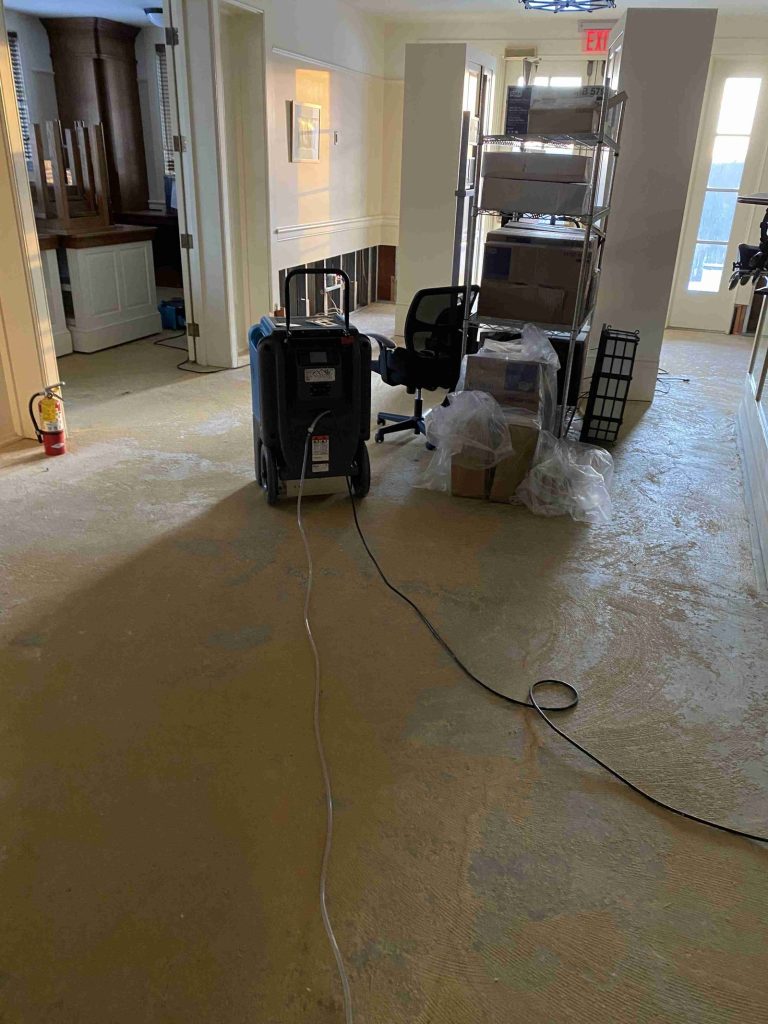
A water damage company vs contractor comparison is really a question of timing and skill. A water damage, or restoration, company typically handles emergency extraction, structural drying and the records an insurer may ask for. A general contractor typically handles the rebuild: drywall, paint, flooring and cabinets. In NY homes, most serious losses need both, in that order.
Written by the Bowerman Cleaning and Restoration Team · April 29, 2026
Key Takeaways
- Call a water damage company first if water is still spreading or materials are soaked.
- A general contractor usually steps in after the structure is confirmed dry.
- Some firms handle both drying and rebuild, while others hand off the repair work.
- Ask how dryness will be proven before anyone closes a wall or starts finish work.
In This Guide
- What Is the Difference Between a Water Damage Company and a Contractor?
- Who Should You Call First After Water Damage?
- When Does the Work Hand Off From Drying to Rebuild?
- Can One Company Handle Both Drying and Rebuild?
- What Should NY Homeowners Keep in Mind?
- Water Damage Company vs Contractor FAQs
What Is the Difference Between a Water Damage Company and a Contractor?
Short answer: one dries and documents the loss, and the other rebuilds the room after it is dry. The titles sound similar, but the work is not the same.
| Question | Water damage company | General contractor |
|---|---|---|
| When they usually arrive | The same day, often after an emergency call | After drying is complete, or once a rebuild scope is ready |
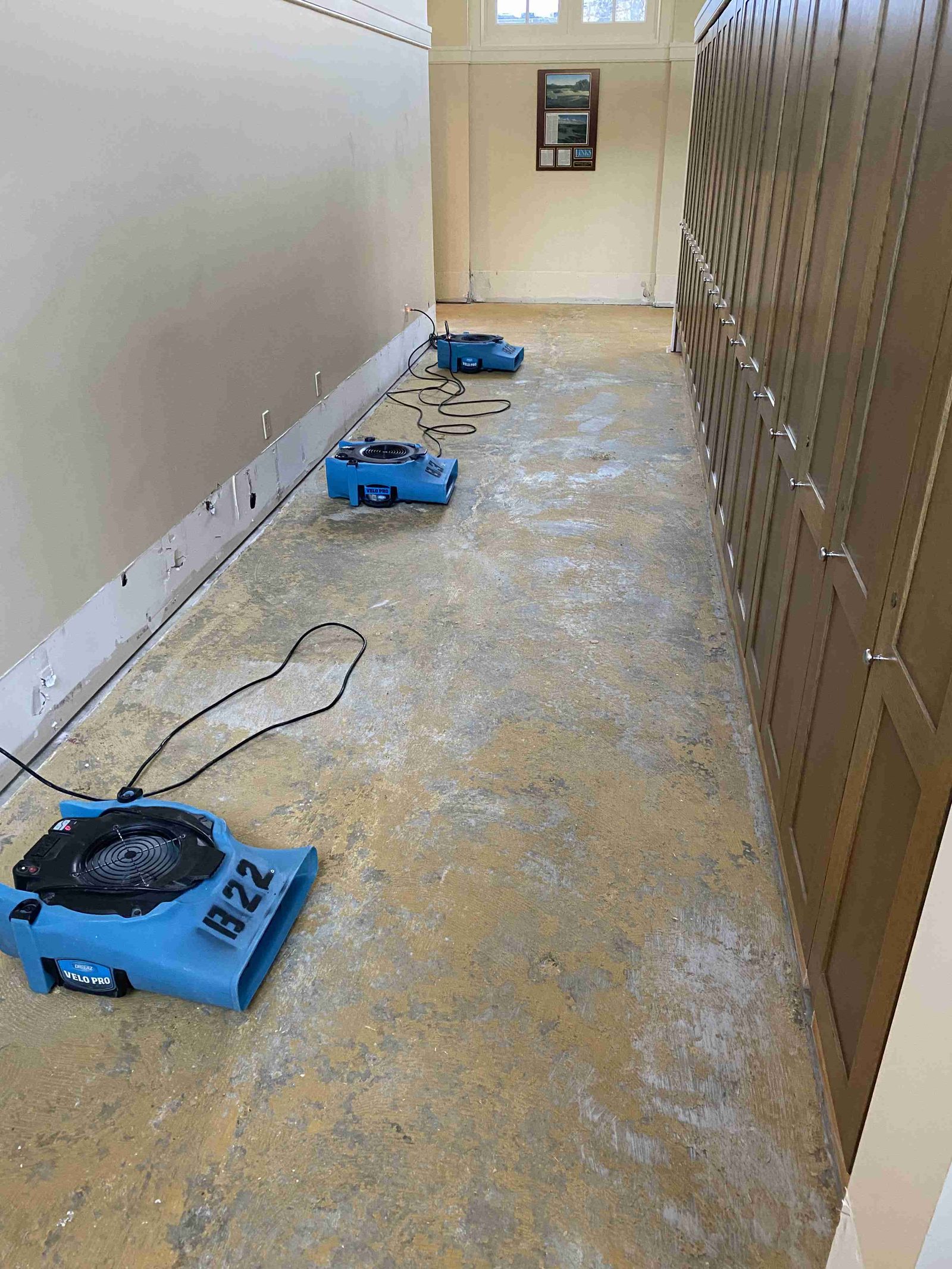
| Main work | Extraction, tear-out of wet materials, drying, cleaning, documentation | Drywall, insulation, paint, flooring, cabinets, trim |
| Tools of the trade | Extractors, air movers, dehumidifiers, moisture meters | Carpentry, painting and finish trade tools |
| Records they typically keep | Photos, moisture readings and drying logs | Repair estimates, material lists and, when needed, permits |
| Goal | Stop further damage and dry the structure | Put the finishes back to a finished condition |
This overview of what water damage restoration is shows how the two stages fit together. For a picture of the rebuild side, see this page on general contracting. The difference between water damage restoration and water damage repair is the same idea from the work’s point of view: drying and documentation first, then the finishes.
Who Should You Call First After Water Damage?
Short answer: a water damage company, unless the only problem left is already-dry finish work. The first hours matter because wet materials can start to grow mold within 24 to 48 hours.
The EPA’s guide to mold and moisture advises drying water-damaged areas in that window. A general contractor can patch a wall, but that work should not start while water is still in the cavity. If you are choosing a restoration firm, this list of water damage company questions covers what to ask about response time, drying proof and estimates.
Not sure who to call after a leak? Bowerman Cleaning & Restoration answers 24/7 across Westchester County.
When Does the Work Hand Off From Drying to Rebuild?
Short answer: after moisture readings match a dry target and the equipment comes out. That handoff is the point where a general contractor, or a restoration firm’s rebuild crew, can start safely.
- Drying logs are complete, with final readings next to the dry standard.
- The source of the water has been repaired by a plumber or roofer.
- The rebuild scope is written, listing what was removed and what will be replaced.
- Any insurance review of the repair estimate has been started, if a claim is open.
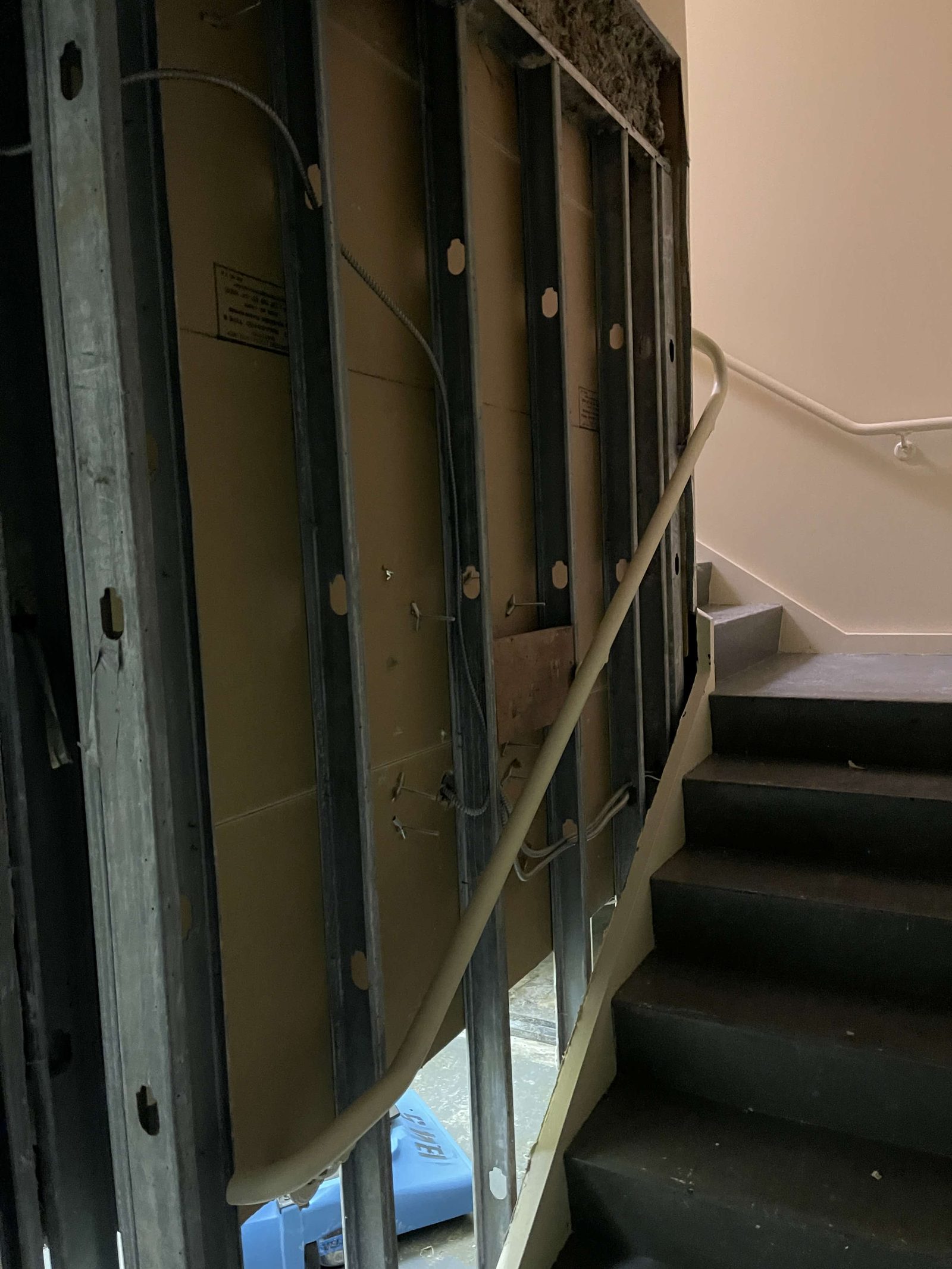
Starting finish work before that point is one of the costliest errors in a water job. New drywall over damp framing can hide a problem that keeps growing.
Can One Company Handle Both Drying and Rebuild?
Short answer: yes, some can, and others only handle one half. Neither approach is automatically better. What matters is a clean handoff and a written scope for each phase.
A single firm can keep the moisture records and the repair plan in one place, which some homeowners find simpler. Two firms can also work well if the drying company shares readings, photos and a list of removed materials with the contractor. This page on water damage restoration services outlines how a full job, from extraction through repairs, is typically organized.
What Should NY Homeowners Keep in Mind?
Short answer: older materials and insurance timing often affect who is needed, and for how long.
Prewar housing, common in the New York area, often has plaster walls and solid hardwood. Those materials take longer to dry, so the gap between the first emergency call and the start of rebuild work can be longer than it would be with modern drywall. If a claim is involved, emergency drying usually starts right away, while the rebuild may wait for an adjuster’s review of the repair estimate. Planning for that gap prevents a rushed patch over a wall that is not dry yet.
Water Damage Company vs Contractor FAQs
Can a general contractor dry out a wet house?
Some contractors have drying equipment, but most focus on rebuild work. Structural drying needs moisture meters, dehumidifiers and a record of readings. If a contractor cannot show how dryness will be proven, a water damage company should handle that phase first.
Do I need both a water damage company and a contractor?
If soaked materials have to come out, you usually need both phases, whether they are done by one firm or two. If a small, clean-water spill was dried in place and nothing was removed, a contractor may not be needed at all.
Who talks to my insurance company?
You remain the policyholder. A water damage company typically provides photos, readings and drying logs. A contractor typically provides the rebuild estimate. Many firms will share those records with an adjuster, but you still approve the work and the claim decisions.
How long after drying can a contractor start repairs?
As soon as the readings confirm the structure is dry and the source is fixed. Waiting extra days is not required, and waiting too long with open walls is inconvenient. The trigger should be the dry target, not the calendar.
What if I already hired a contractor before anyone dried the house?
Ask that the finish work pause until moisture readings are taken. If walls or floors were already closed, a moisture inspection can still check them. Opening a small area now is better than finding mold later.
Should the same company fix the leak and dry the house?
Not necessarily. A plumber or roofer usually repairs the source. A water damage company dries the structure. Those calls can happen on the same day, and they should not wait on each other.
Need help after water damage in Westchester County? Bowerman Restoration LLC d/b/a Bowerman Cleaning & Restoration, 7 Intervale Street, White Plains, NY 10606, answers 24/7 at (844) 269-3762.