
Urban Flood Restoration Starts at the Lowest Level
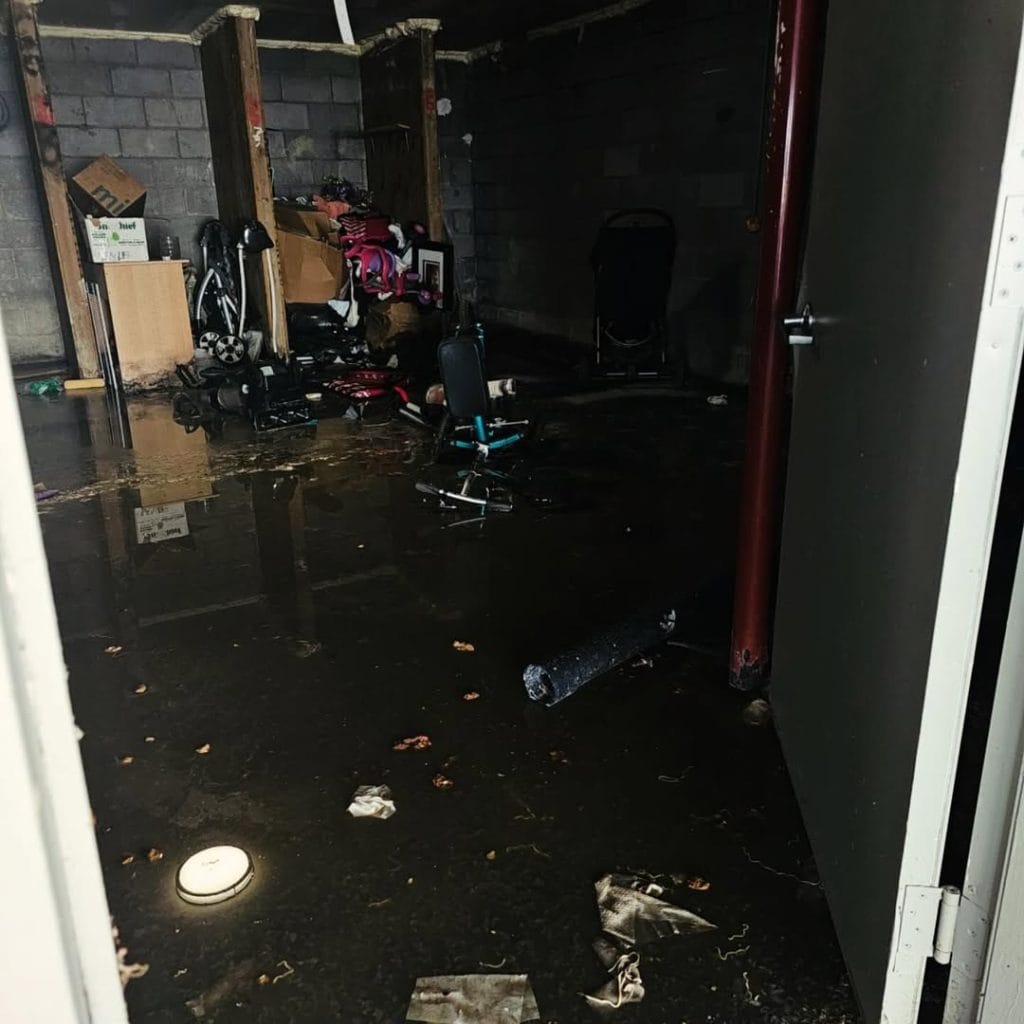
Urban flood restoration after a severe storm involves pumping out below-grade spaces, cleaning up sewage, and drying the structure. It also means protecting nearby units. In a city, water often rises up through floor drains, so basements take the first hit.
Key Takeaways
- City floodwater often carries sewage, so crews treat it as contaminated.
- Basements, garages, and ground-floor units take the worst damage.
- Shared walls mean neighboring spaces need moisture checks too.
- Fast extraction and drying limit odors, mold, and downtime.
A Typical City Storm Project
This scenario is a composite of a typical job, not one specific client. Picture a mixed-use building after a summer cloudburst. Water poured down the basement stairs, while the floor drain pushed up dirty water. Unlike storm surge flooding, no seawater was involved.
Why the Water Came Up Through the Drains
According to NYC DEP, heavy rain can exceed sewer pipe capacity. As a result, water backs up through basement sewer connections. That’s why city floodwater often mixes storm runoff with sewage.
Extraction and Sewage Cleanup
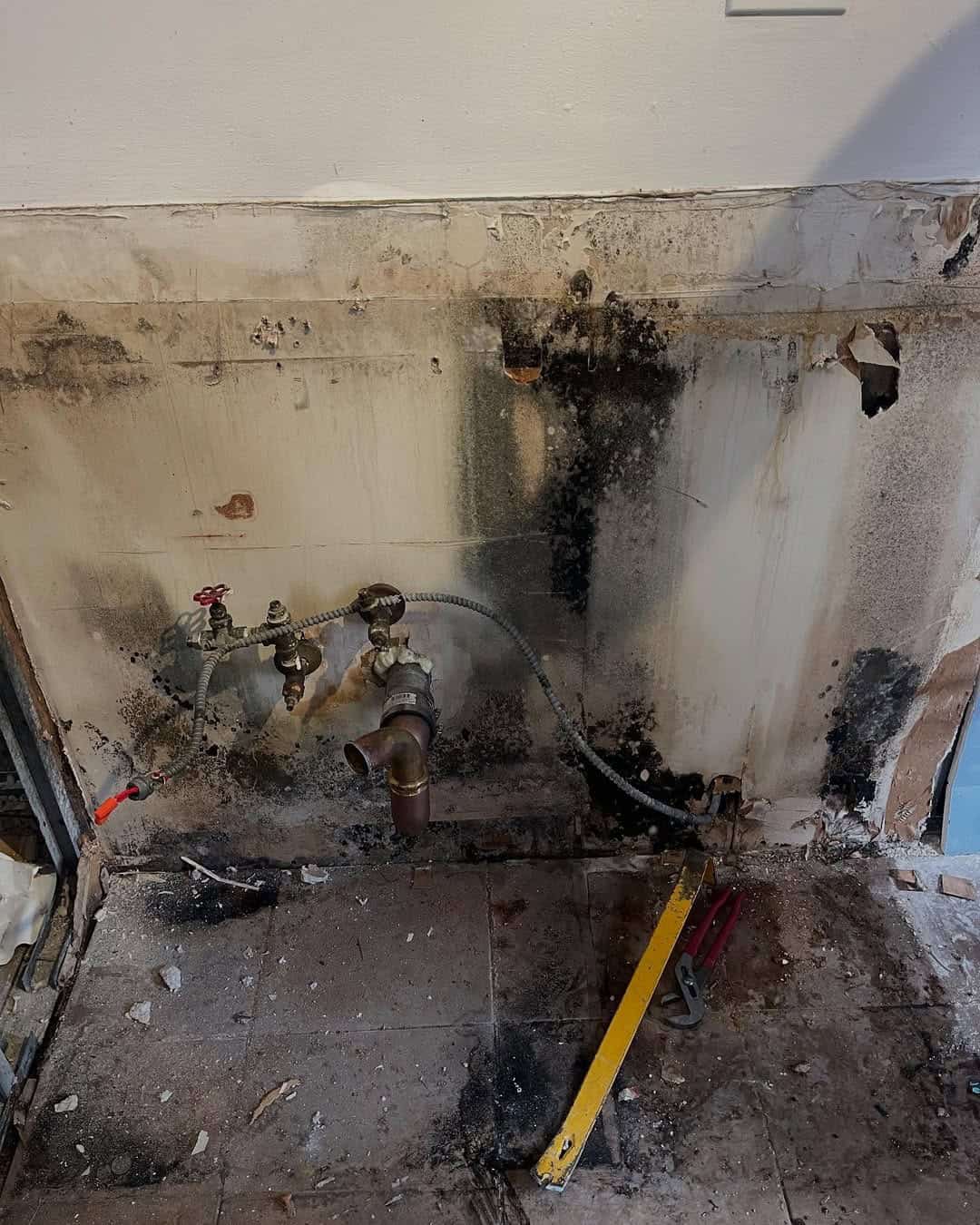
First, our crew pumps out the standing water. Next, we haul out ruined items, then clean and disinfect every surface the water touched. HEPA air scrubbers also clean the air. Our sewage cleanup process explains more.
Drying Shared Walls and Nearby Units
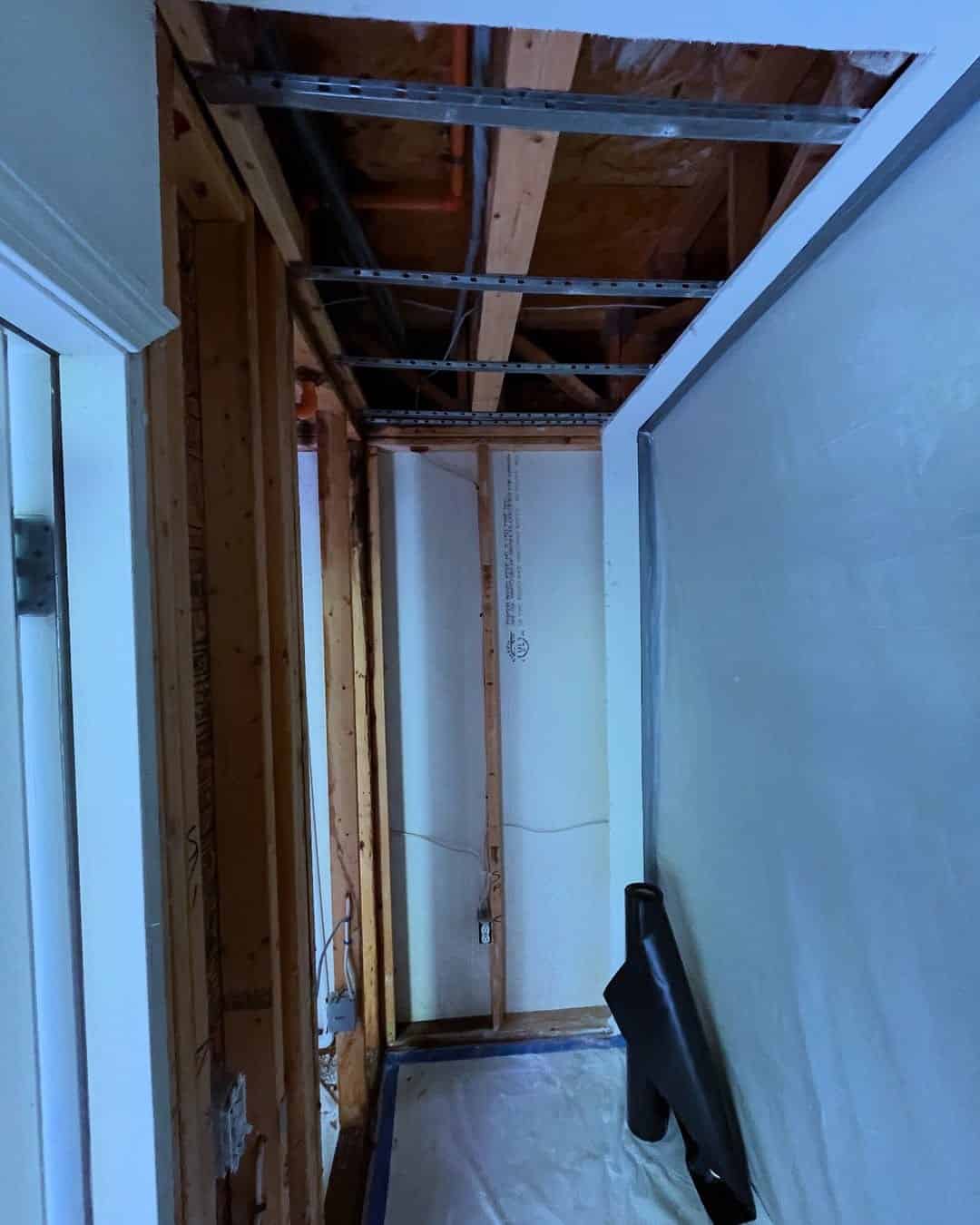
In a city, water rarely stays in one space. For this reason, we check adjoining walls, the units next door, and the floor above with moisture meters. Then air movers and dehumidifiers run until readings show dry.
Why City Floods Are Not DIY
Mopping up sewage without proper gear risks your health. Also, Ready.gov warns that six inches of moving water can knock you down. For a single-family comparison, see basement flood restoration after heavy rain.
Did a severe storm just flood your building? Call Bowerman Cleaning and Restoration 24/7 at (844) 269-3762 for urban flood restoration. Our Manhattan office sits at 540 W 28th St, Apt 12E, New York, NY 10001. We also serve Westchester, Rockland, Putnam, and Fairfield counties.
Common Questions About Urban Flood Restoration After Severe Storms
What does urban flood restoration involve after a severe storm?
It covers four main jobs: pumping out below-grade spaces, cleaning up sewage, drying the structure, and checking nearby units. Then a licensed general contractor rebuilds what the water ruined. Each step treats the water as contaminated, since city runoff often mixes with sewage.
Why does city floodwater count as sewage?
Many city sewers carry storm runoff and wastewater in the same pipes. So when heavy rain overloads them, the mix backs up into buildings. Even street water picks up oil, trash, and bacteria. For safety, we treat all of it as contaminated.
Should I report a sewer backup to the city?
Yes, if it came from the city system. In New York City, you can report a sewer backup through 311. Keep your request number. Meanwhile, take photos of the damage before cleanup starts, because your insurer will want them too.
Can items in a basement storage unit be saved?
It depends on the material. We can often clean and disinfect hard items like metal, glass, and sealed plastic. However, soaked cardboard, mattresses, and upholstered furniture rarely survive sewage contact. We sort each item with you and log what goes.
Will the flood affect the units next to mine?
It can. Water wicks through shared walls and travels under flooring into nearby spaces. That’s why we check adjoining units with moisture meters, even when they look dry. Catching hidden moisture early protects your neighbors and keeps a small problem from spreading.
Can a business stay open during cleanup?
Sometimes. We seal off the work area with plastic sheeting and run HEPA air scrubbers to contain dust and odors. As a result, other parts of the building may stay in use. We plan the layout on the first visit.
Does insurance cover sewer backup after a storm?
Coverage varies by policy. Some policies limit or exclude sewer backup unless you added that coverage. For that reason, call your agent early and ask what applies. Meanwhile, we document the damage with photos and moisture readings for your adjuster.
How fast should cleanup start after a city flood?
As soon as it’s safe to enter. Bacteria from sewage spread quickly, and odors set in the longer water sits. So call a restoration team right away. Until then, stay out of standing water and keep the power off in flooded areas.
Conclusion
In short, urban flood restoration after a severe storm starts at the lowest level and works outward. Sewage cleanup and checks on nearby units set it apart from a basic water job. Above all, speed protects your building and your neighbors. When the storm drains back up, call Bowerman.