
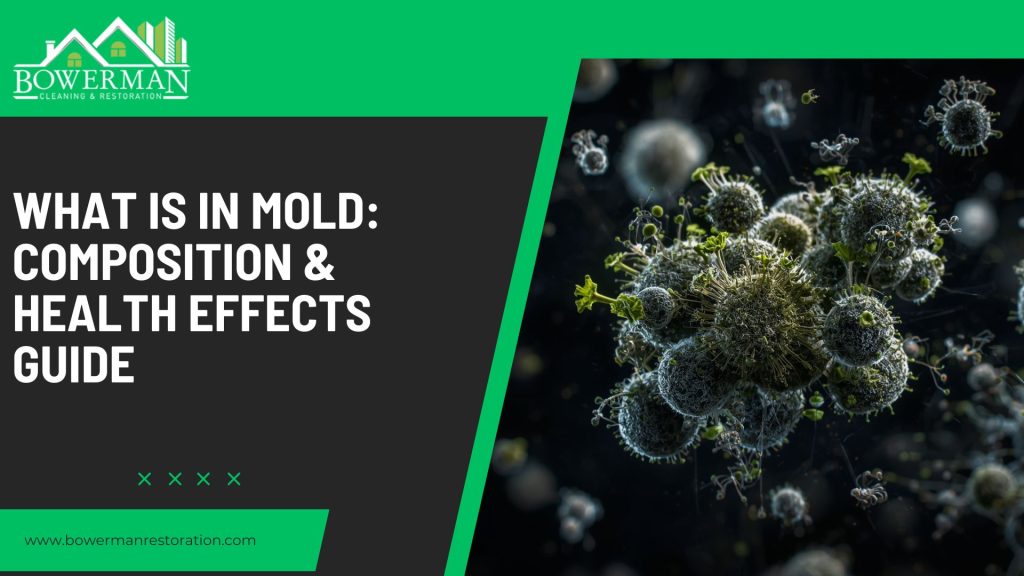

Mold is an omnipresent part of our environment, yet many people remain unaware of what exactly comprises these microscopic organisms and how they can impact human health. Understanding what is in mold becomes crucial when considering the potential risks these fungi pose to indoor air quality and personal well-being. Mold consists of complex biological structures that include spores, mycelia, and various chemical compounds that can trigger allergic reactions, respiratory issues, and other health complications.
The composition of mold extends far beyond what meets the eye. These multicellular fungi contain proteins, enzymes, cell wall components, and secondary metabolites that can become airborne and circulate throughout indoor spaces. When examining what is in mold, scientists have identified numerous allergens, toxins, and volatile organic compounds that contribute to the health effects experienced by sensitive individuals. The microscopic nature of mold components means they can easily become dispersed through air currents, settling on surfaces and being inhaled by occupants.
Different species of mold contain varying concentrations of these biological components, which explains why some types of mold are considered more dangerous than others. Black mold, for instance, contains different proteins and mycotoxins compared to common household molds like Penicillium or Aspergillus. The environmental conditions where mold grows also influence what is in mold, as factors like humidity, temperature, and available nutrients affect the production of allergens and toxins.
Professional mold remediation services understand the complexity of mold composition and employ specialized techniques to safely remove these organisms and their harmful components from indoor environments. The health implications of mold exposure have led to increased awareness about indoor air quality and the importance of maintaining proper moisture control in homes and commercial buildings.
Key Takeaways
- Complex Biological Structure: Mold contains proteins, enzymes, cell wall components, spores, and mycelia that can become airborne and cause health issues when inhaled or contacted.
- Allergen Content: What is in mold includes numerous allergens such as beta-glucans, chitin, and specific proteins that trigger immune responses in sensitive individuals.
- Mycotoxin Production: Certain mold species produce toxic secondary metabolites called mycotoxins, including aflatoxins, ochratoxins, and trichothecenes that pose serious health risks.
- Volatile Organic Compounds: Mold releases VOCs that create the characteristic musty odor and can cause headaches, respiratory irritation, and other symptoms.
- Species Variation: Different mold species contain varying concentrations of harmful components, with some types like Stachybotrys chartarum being particularly concerning.
- Environmental Influence: Growing conditions affect what is in mold, with factors like humidity, temperature, and substrate influencing toxin and allergen production.
- Microscopic Dispersal: Mold components are easily dispersed through air currents, making contamination widespread even when visible growth appears limited.
- Professional Assessment: Proper identification and remediation require professional expertise to safely address mold contamination and protect occupant health.
Understanding Mold Composition and Structure
To comprehend what is in mold and its health implications, it’s essential to examine the fundamental biological structure of these organisms. Mold belongs to the kingdom Fungi and consists of thread-like structures called hyphae that form a network known as mycelium. This vegetative part of the fungus is responsible for nutrient absorption and growth, while reproductive structures produce spores that enable mold to spread and colonize new areas.
The cell walls of mold contain several important components that contribute to allergenic reactions. Chitin, a polysaccharide similar to what’s found in insect exoskeletons, forms a significant portion of the cell wall structure. Beta-glucans, another type of polysaccharide, are also present and are known to trigger immune responses in sensitive individuals. These structural components become problematic when mold dies and fragments, releasing particles into the air that can be inhaled.
What is in mold also includes various proteins that serve as enzymes for breaking down organic matter. These proteins can act as potent allergens, causing reactions ranging from mild irritation to severe respiratory distress. The protein content varies significantly between different mold species, which explains why some people may react more strongly to certain types of mold exposure than others.
Spores represent another crucial component of mold composition. These reproductive units are designed to survive harsh environmental conditions and can remain viable for extended periods. Spores contain concentrated amounts of allergens and can be particularly problematic because of their small size, typically ranging from 1 to 30 micrometers, allowing them to penetrate deep into the respiratory system when inhaled.

Allergens and Immune System Triggers
The allergenic components found in mold represent some of the most significant health concerns for individuals exposed to indoor fungal contamination. What is in mold includes a complex array of proteins, polysaccharides, and other biological molecules that can trigger both immediate and delayed immune responses. These allergens can cause symptoms ranging from mild nasal congestion to severe asthmatic reactions, depending on the individual’s sensitivity and the concentration of exposure.
Beta-glucans are among the most studied components of mold allergens. These polysaccharides are found in the cell walls of fungi and can trigger inflammatory responses in the respiratory system. When mold growth occurs in indoor environments, beta-glucans become airborne as mold fragments and spores are dispersed. Research has shown that exposure to these compounds can cause symptoms similar to those experienced with bacterial endotoxin exposure, including fever, fatigue, and respiratory irritation.
Protease enzymes represent another significant category of allergens found in mold. These proteins are naturally produced by fungi to break down organic matter for nutrition, but they can also break down proteins in human tissue, leading to irritation and inflammatory responses. Different mold species produce different types and concentrations of proteases, which explains the variation in allergenic potential between various fungi.
The glycoproteins present in mold spores and hyphal fragments are particularly problematic for individuals with mold allergies. These complex molecules combine protein and carbohydrate components, creating potent allergens that can cross-react with other environmental allergens. This cross-reactivity means that individuals sensitive to mold may also experience reactions to certain foods or other environmental triggers that share similar protein structures.
Understanding what is in mold from an allergenic perspective is crucial for healthcare providers diagnosing and treating mold-related health issues. Skin prick tests and blood tests can identify specific mold allergens that trigger reactions in individual patients, allowing for more targeted treatment approaches and environmental control recommendations.

Mycotoxins and Toxic Compounds
Among the most concerning aspects of what is in mold are the mycotoxins – toxic secondary metabolites produced by certain fungal species under specific environmental conditions. These compounds represent a serious health threat because they can cause acute poisoning and chronic health effects even at relatively low concentrations. Unlike allergens that primarily affect sensitive individuals, mycotoxins can be harmful to anyone exposed to sufficient quantities.
Aflatoxins are perhaps the most well-known mycotoxins, primarily produced by Aspergillus species. These compounds are potent carcinogens and can cause liver damage, immune system suppression, and developmental problems. While aflatoxin exposure is more commonly associated with contaminated food products, indoor mold growth can also produce these toxins, particularly in environments with high humidity and organic matter.
Trichothecenes represent another important class of mycotoxins found in indoor mold contamination. Produced by species such as Stachybotrys chartarum (black mold) and Fusarium, these compounds can cause a range of health effects including skin irritation, immune system suppression, and neurological symptoms. The presence of trichothecenes in indoor environments has been linked to sick building syndrome and other indoor air quality issues.
Ochratoxins, produced by Aspergillus and Penicillium species, are nephrotoxic compounds that can cause kidney damage with prolonged exposure. These mycotoxins are particularly concerning because they can accumulate in the body over time, leading to chronic health effects that may not be immediately apparent. Understanding what is in mold includes recognizing that these toxins can persist in indoor environments long after visible mold growth has been removed.
The production of mycotoxins is influenced by environmental factors such as temperature, humidity, pH, and available nutrients. This means that the toxic potential of mold contamination can vary significantly depending on the specific conditions present in the affected environment. Professional mold assessment often includes testing for mycotoxins to determine the full extent of potential health risks.
Volatile Organic Compounds and Odors
The characteristic musty odor associated with mold growth provides important clues about what is in mold from a chemical perspective. This distinctive smell results from the production of volatile organic compounds (VOCs) during fungal metabolism. These compounds can cause immediate health effects and serve as indicators of hidden mold growth even when visible contamination is not apparent.
Microbial volatile organic compounds (MVOCs) are produced as byproducts of fungal metabolism and include substances such as 3-octanol, 3-octanone, and 2-octen-1-ol. These compounds can cause headaches, dizziness, fatigue, and respiratory irritation in sensitive individuals. The concentration and types of MVOCs produced vary depending on the mold species present, the substrate they’re growing on, and environmental conditions.
Geosmin is another important volatile compound produced by certain mold species, contributing to the earthy, musty odor associated with fungal contamination. While geosmin itself is not considered highly toxic, its presence indicates active mold growth and the potential for other harmful compounds to be present. The human nose is extremely sensitive to geosmin, capable of detecting it at concentrations as low as 5 parts per trillion.
Understanding what is in mold includes recognizing that VOC production can continue even after visible mold growth has been removed if the underlying moisture problem hasn’t been addressed. Dead mold can continue to release stored compounds, and remaining spores can become active when conditions become favorable again. This is why comprehensive mold remediation must address both the visible contamination and the environmental conditions that allowed growth to occur.
The health effects of mold-related VOCs can be particularly problematic in indoor environments where air circulation is limited. These compounds can accumulate to concentrations that cause symptoms even in individuals who don’t typically react to mold allergens. Professional air quality testing can identify the presence and concentration of these compounds, providing valuable information for remediation planning and health risk assessment.
Species-Specific Variations and Health Risks
Different mold species contain varying compositions of allergens, toxins, and other bioactive compounds, making it crucial to understand what is in mold on a species-specific basis. This variation explains why some types of mold are considered more dangerous than others and why professional identification is essential for proper risk assessment and remediation planning.
Stachybotrys chartarum, commonly known as black mold, has received significant attention due to its production of potent mycotoxins, particularly trichothecenes. What is in mold of this species includes compounds that can cause severe respiratory symptoms, skin irritation, and neurological effects. The toxins produced by Stachybotrys are particularly concerning because they can cause health effects at relatively low concentrations and can persist in the environment long after the mold itself has died.
Aspergillus species represent another group of molds with significant health implications. Different Aspergillus species produce various mycotoxins, including aflatoxins, ochratoxins, and fumitremorgins. What is in mold from this genus can cause allergic reactions, respiratory infections, and toxic effects depending on the specific species and individual susceptibility. Aspergillus fumigatus is particularly concerning for immunocompromised individuals as it can cause invasive infections.
Penicillium species, while beneficial in antibiotic production, can also pose health risks when growing in indoor environments. These molds produce various allergens and can also produce mycotoxins such as ochratoxin A and citrinin. The composition of what is in mold from Penicillium species varies significantly between different strains, with some being relatively benign while others pose substantial health risks.
Chaetomium species are commonly found in water-damaged buildings and produce a variety of toxic compounds including chaetoglobosins and sterigmatocystin. Understanding what is in mold from these species is important because they often grow in similar conditions to Stachybotrys but may be overlooked during visual inspections due to their different appearance.
Professional mold remediation services like those provided by Bowerman understand the importance of proper species identification and the varying health risks associated with different types of mold contamination. Their expertise ensures that remediation efforts are tailored to address the specific risks posed by the particular mold species present in each situation.
Environmental Factors Affecting Mold Composition
The environmental conditions where mold grows significantly influence what is in mold, affecting both the concentration of harmful compounds and the overall health risk posed by contamination. Understanding these factors is crucial for both preventing mold growth and assessing the potential health impacts of existing contamination.
Humidity levels play a critical role in determining mold composition and toxin production. Higher humidity levels generally promote more aggressive mold growth and can increase the production of mycotoxins and other harmful compounds. When relative humidity exceeds 60%, many mold species begin producing secondary metabolites at higher concentrations, making the contamination more dangerous from a health perspective.
Temperature affects what is in mold by influencing metabolic processes and compound production. Most indoor molds thrive at temperatures between 68-86°F (20-30°C), with different species having optimal temperature ranges for toxin production. Some mycotoxins are produced more readily at specific temperatures, meaning that the health risk from the same mold species can vary depending on the thermal environment.
The substrate or material that mold grows on significantly affects its composition and health impact. Mold growing on cellulose-rich materials like paper and wood may produce different compounds than mold growing on synthetic materials or food sources. The nutrients available in the substrate influence what is in mold by affecting which metabolic pathways are active and which secondary metabolites are produced.
pH levels in the environment also impact mold composition. Most molds prefer slightly acidic conditions, but the specific pH can influence enzyme activity and toxin production. Materials with different pH levels can therefore support mold growth with varying health implications, even when the same species is involved.
Air circulation and oxygen availability affect mold metabolism and the types of compounds produced. Poor ventilation can lead to the accumulation of mold-produced compounds in indoor air, increasing exposure risks. Additionally, oxygen-limited conditions may favor the production of certain types of metabolites over others, changing what is in mold and its potential health effects.
Frequently Asked Questions
What specific compounds in mold cause allergic reactions?
Mold allergens include proteins, beta-glucans, chitin, and glycoproteins found in spores and hyphal fragments. These compounds trigger immune responses ranging from mild irritation to severe respiratory symptoms.
Are mycotoxins present in all types of mold?
Not all mold species produce mycotoxins. Toxin production depends on the specific species, environmental conditions, and available nutrients. Professional testing is needed to determine mycotoxin presence.
How long do mold components remain harmful after the mold dies?
Dead mold can remain allergenic and toxic for extended periods. Allergens and mycotoxins can persist in the environment long after visible mold growth has been eliminated, requiring proper remediation.
Can you smell all the harmful compounds in mold?
While volatile organic compounds produce the characteristic musty odor, many harmful mold components including allergens and mycotoxins are odorless. Absence of smell doesn’t indicate absence of health risks.
What makes black mold more dangerous than other species?
Stachybotrys chartarum produces potent trichothecene mycotoxins that can cause severe health effects at low concentrations. However, all mold contamination should be taken seriously regardless of species.
Do mold spores contain the same harmful compounds as growing mold?
Spores contain concentrated allergens and can carry mycotoxins, making them potentially as harmful as active growth. Their small size allows deep respiratory penetration, increasing health risks.
How do environmental conditions affect what’s in mold?
Humidity, temperature, pH, and substrate influence mold composition significantly. Higher humidity and optimal temperatures generally increase toxin production and allergen concentration in mold contamination.
Can cleaning products neutralize harmful mold components?
Standard cleaning may remove visible mold but may not eliminate all allergens and toxins. Professional remediation using appropriate antimicrobials and containment procedures is recommended for significant contamination.
Conclusion
Understanding what is in mold reveals the complex nature of these organisms and explains why mold contamination poses significant health risks beyond simple aesthetic concerns. The combination of allergens, mycotoxins, volatile organic compounds, and structural components creates a multifaceted threat that can affect individuals differently depending on their sensitivity, exposure level, and the specific mold species involved.
The microscopic components of mold – from proteins and beta-glucans to potent mycotoxins – can become airborne and circulate throughout indoor environments, creating widespread contamination even when visible growth appears limited. This invisible threat emphasizes the importance of professional assessment and remediation when mold problems are suspected or identified.
Environmental factors play a crucial role in determining what is in mold and its potential health impact. The same species can pose different levels of risk depending on growing conditions, highlighting the need for comprehensive evaluation that considers both the biological and environmental aspects of contamination. Professional services understand these complexities and can provide appropriate solutions tailored to specific situations.
The health implications of mold exposure extend beyond immediate allergic reactions to include potential long-term effects from mycotoxin exposure and chronic inflammation. Recognition of these risks has led to increased awareness about indoor air quality and the importance of maintaining proper environmental controls to prevent mold growth and protect occupant health in residential and commercial settings.