
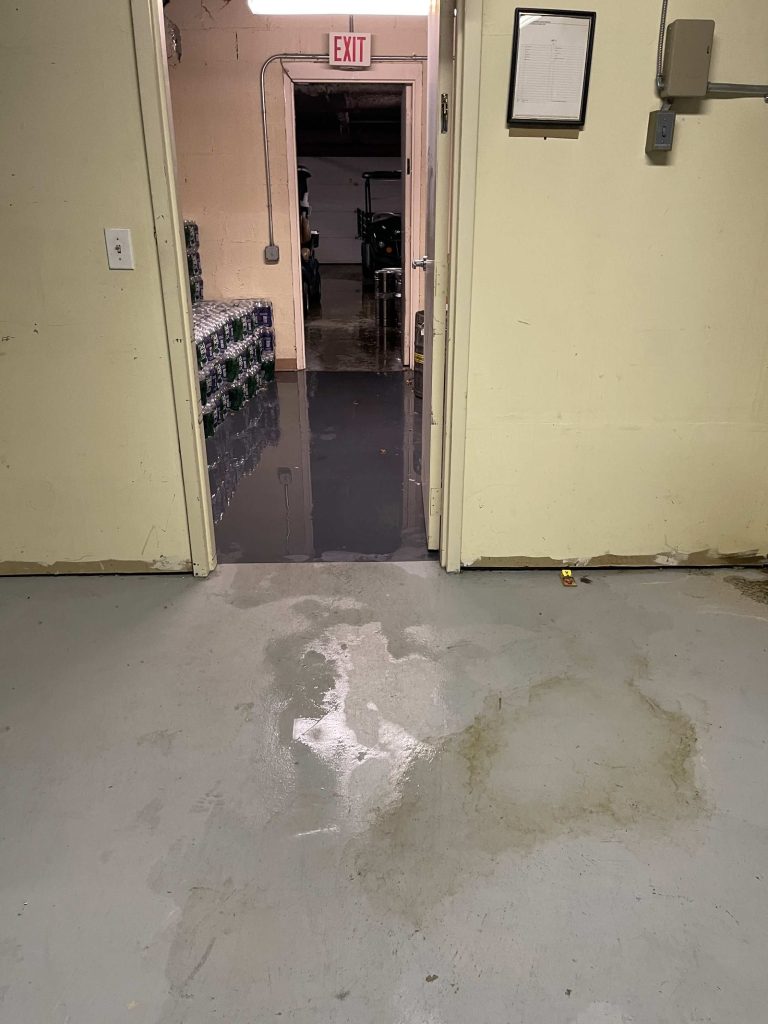
What should you do first after water damage? Make the area safe and stop the water. Shut off the main valve if you can reach it safely, and stay away from wet outlets. Then document the damage, call your insurer and get drying started. In NY homes, these first steps decide how big the repair becomes.
Written by the Bowerman Cleaning and Restoration Team · April 7, 2026
Key Takeaways
- Safety comes first: avoid wet outlets, cords and sagging ceilings.
- Stop the source at the main shut-off valve, then call a plumber or roofer.
- Take photos and video before anything is moved or thrown out.
- Wet materials should be dried within 24 to 48 hours to help prevent mold.
In This Guide
- What Are the First Steps After Water Damage?
- How Do You Stay Safe Around Water Damage?
- What Should You Avoid Doing After Water Damage?
- When Should You Call Your Insurance Company?
- What Should You Check First in the House?
- What to Do After Water Damage FAQs
What Are the First Steps After Water Damage?
Short answer: safety, shut-off, photos, calls, then drying. Follow these steps in order. Each one protects your family, your home or your claim.
- Make it safe. Keep children and pets out of wet rooms. Do not touch outlets, cords or appliances in standing water. If water is near the electrical panel, call your utility or an electrician.
- Stop the water. Turn off the main water valve, often in the basement near the front wall. For a roof leak, put a bucket under the drip and move items away.
- Document everything. Next, take photos and video of every wet area, the source and damaged items. Do this before you move or throw anything out.
- Call your insurer. Report the loss and ask what they need from you. Write down the claim number and the adjuster’s name.
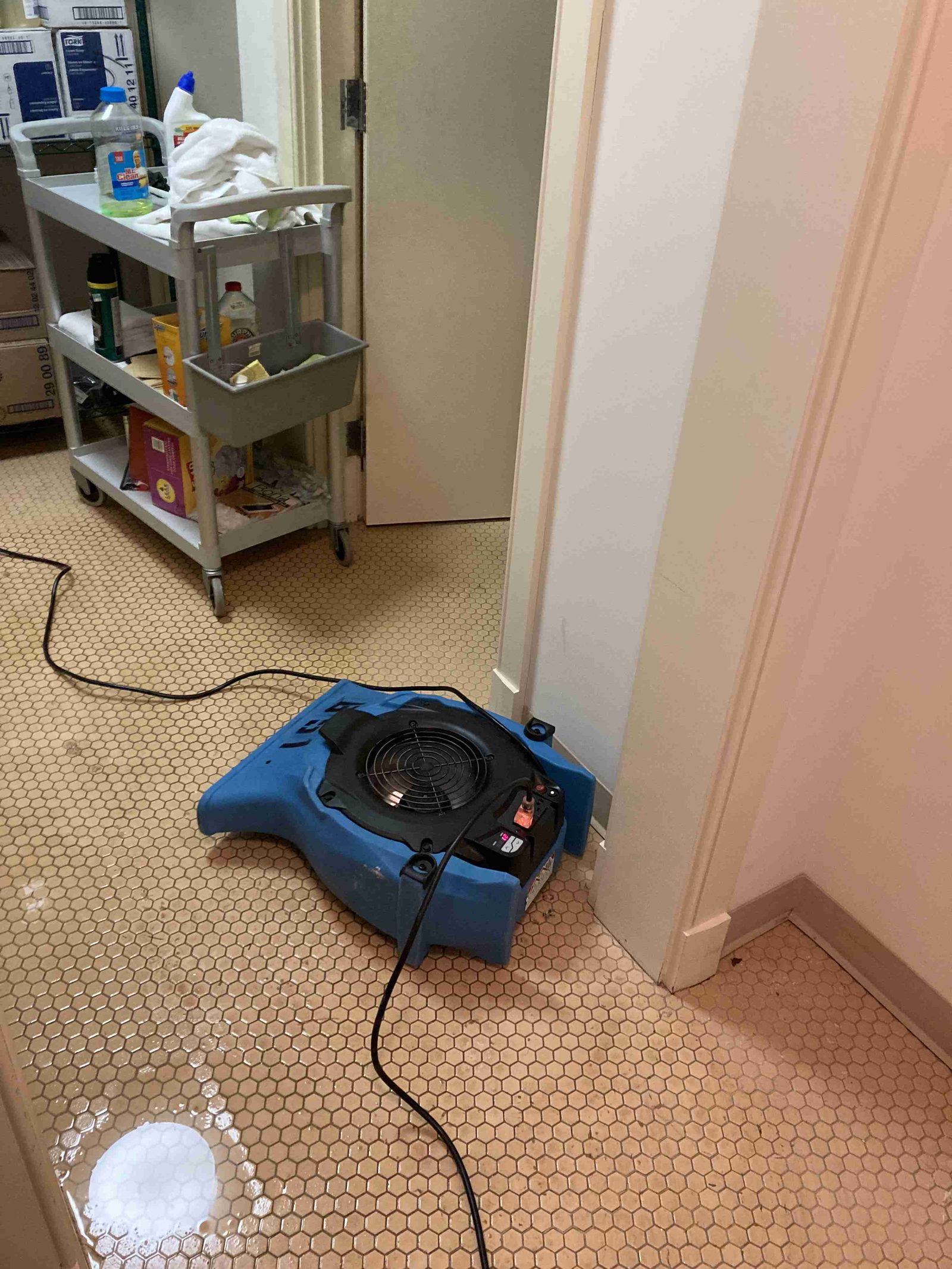
- Arrange professional drying. Then have a restoration contractor inspect, extract the water and start drying. Moisture readings show how far the water spread.
- Protect what you can. Move dry valuables, papers and medicine to a safe room. Put foil or blocks under furniture legs on wet carpet.
For more first-hour advice, see these water damage tips. If you are not sure whether your situation needs professional water damage restoration services, read when to call water mitigation. This overview of what water damage restoration is explains what happens after that.
How Do You Stay Safe Around Water Damage?
Short answer: treat wet areas as electrical and slip hazards until proven otherwise. Water and electricity are a dangerous mix. In addition, wet ceilings can be heavy and may fall.
- Do not walk into standing water if outlets or cords are below the waterline.
- Watch the ceiling. A sagging or bulging ceiling may be holding water. Stay out from under it.
- Wear gloves and boots if the water could be dirty, such as from a toilet, sewer or flood.
- Ventilate if you smell gas or chemicals, and leave the home if the smell is strong.
Floodwater is a special case. The EPA’s flood cleanup guidance notes that flood water may contain bacteria or chemicals that can affect your health. For that reason, keep contact to a minimum and leave the cleanup to people with protective gear.
What Should You Avoid Doing After Water Damage?
Short answer: do not wait, do not use a household vacuum, and do not tear out materials before documenting them. These common moves can cause injury, spread the damage or weaken a claim.
| Do not | Why | Do this instead |
|---|---|---|
| Use a household vacuum on water | Risk of shock and damage to the vacuum | Use towels or a wet vacuum rated for water, if safe |
| Turn on ceiling fixtures in wet rooms | Water may be inside the fixture | Use a flashlight |
| Throw out damaged items right away | Your insurer may need to see them | Photograph them and set them aside |
| Wait to see if it dries | Mold can start within 24 to 48 hours | Arrange an inspection the same day |
| Pull up carpet or drywall yourself | You may miss hidden water or lose evidence | Have the damage measured and documented first |
Just found water in your home? Bowerman Cleaning & Restoration answers 24/7 across Westchester County.
When Should You Call Your Insurance Company?
Short answer: as soon as the area is safe and the water is stopped. Early notice keeps a claim on track. Most policies also expect you to take reasonable steps to prevent more damage, such as starting drying.
Keep in mind that a burst pipe and a flood are treated differently. The New York State Department of Financial Services explains that standard homeowners policies do not cover flood damage. This guide on whether homeowners insurance covers water restoration walks through the differences.
What Should You Check First in the House?
Short answer: the sump pump, the water heater and the supply lines. Many indoor water losses start in a few predictable places.
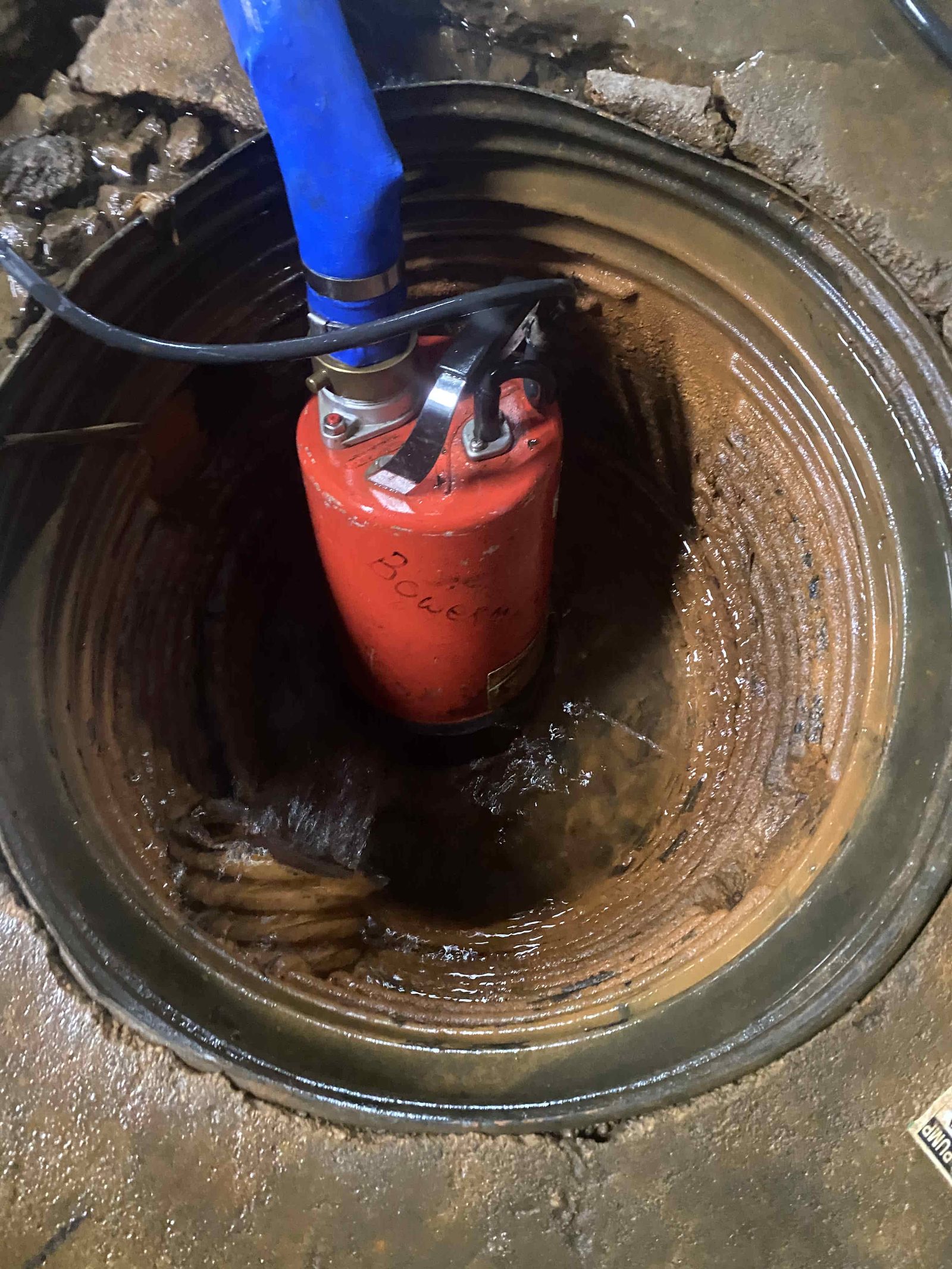
After heavy rain, check that the sump pump is running and its discharge line is clear, since a failed pump can flood a finished basement in hours. Next, look at the water heater and the supply lines near the boiler, washing machine and sinks. In older NY housing, aging pipes and fittings are common leak points. If water came in from outside during a storm, the cleanup is different, and this article on basement flood restoration after heavy rain covers it.
What to Do After Water Damage FAQs
Should I turn off the electricity after water damage?
If water is near outlets, cords or the electrical panel, yes, but only if you can reach the panel without standing in water. If you cannot do it safely, leave the home and call your utility or an electrician.
How soon should drying start?
As soon as possible. The EPA advises drying wet materials within 24 to 48 hours to help prevent mold. A same-day inspection gives a much better chance of drying materials instead of replacing them.
Can I clean up small water damage myself?
For a small spill on a hard floor caught right away, yes. However, if water soaked into carpet, walls or the floor below, moisture meters are needed to find it. Hidden water is how mold starts.
What photos should I take for insurance?
Take wide shots of each room, close-ups of damaged items and the source of the water. Also record a short video walking through the space. Photograph items before you move or discard them.
Do I need a plumber or a restoration contractor first?
Both, and often at the same time. The plumber stops and repairs the source. The restoration contractor removes the water and dries the structure. Starting drying while the plumber works saves time.
Should I open windows after water damage?
It depends on the weather. On a cool, dry day, opening windows can help. On a humid day, it can add moisture to the home. Once drying equipment is running, follow the technician’s advice on doors and windows.
Need help with water damage in Westchester County? Bowerman Restoration LLC d/b/a Bowerman Cleaning & Restoration, 7 Intervale Street, White Plains, NY 10606, answers 24/7 at (844) 269-3762.