
Coastal Storm Surge Damage Restoration Goes Beyond Drying
Coastal storm surge damage restoration involves fixing the outside, clearing sand and silt, checking salt-exposed systems, and rebuilding. On the coast, wind and surge often strike together, so the plan covers both.
Key Takeaways
- Secure the exterior first, since wind damage lets more water in.
- Sand and silt need full removal before any drying starts.
- Salt-soaked wiring and HVAC need a licensed pro’s check before use.
- Keep wind and flood damage records separate for insurance.
A Typical Coastal Wind and Surge Project
This scenario is a composite of a typical job, not one specific client. Picture a waterfront home after a nor’easter. Wind tore off shingles and siding, while surge filled the crawl space and lower level. For the flood side alone, see our guide to storm surge flood restoration.
Stabilizing the Outside First
First, our crew tarps the roof and boards up broken windows and doors. That stops rain from adding to the damage. Next, we check decks and stairs for loose framing.
Clearing Sand, Silt, and Debris
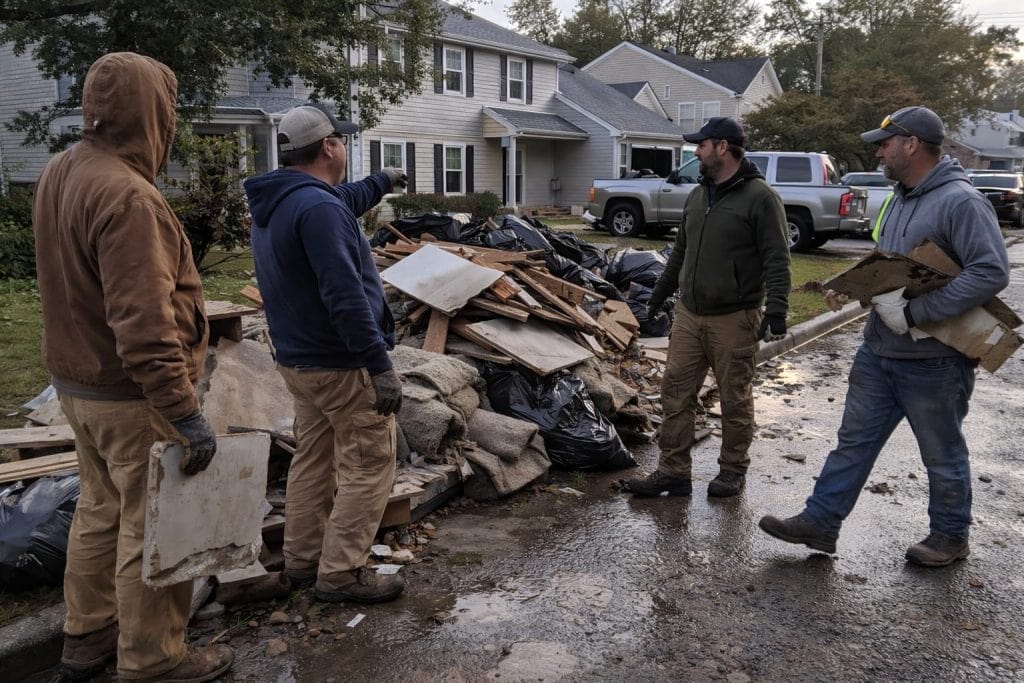
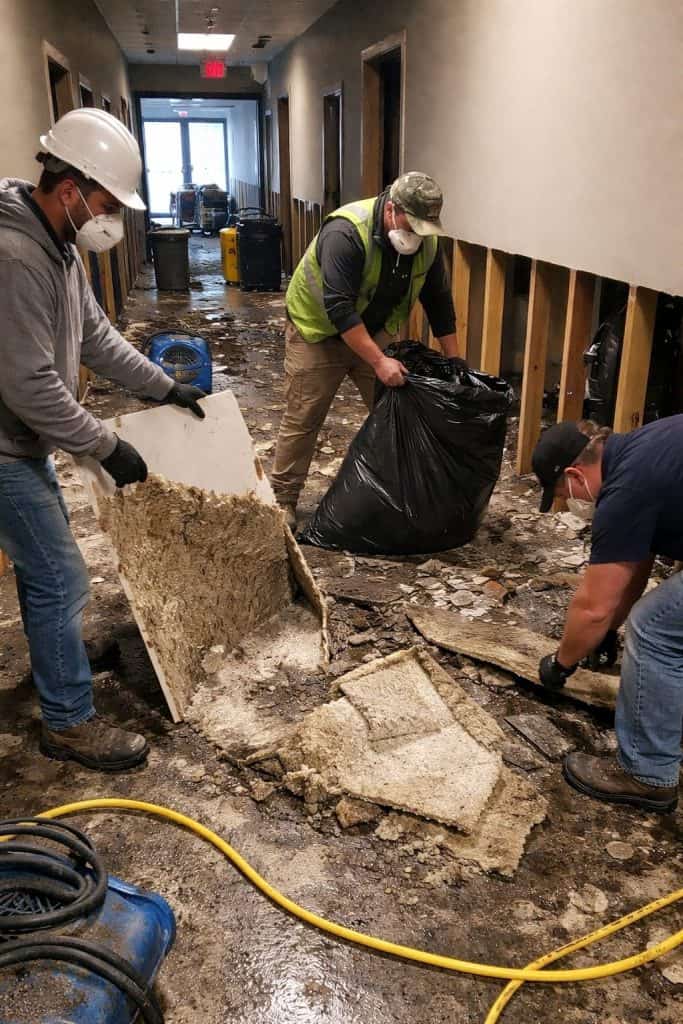
Surge water drops sand, silt, and seaweed as it drains. As a result, a gritty layer coats floors and fills the crawl space. We shovel and vacuum it out, then wash the surfaces.
Checking Salt-Exposed Systems
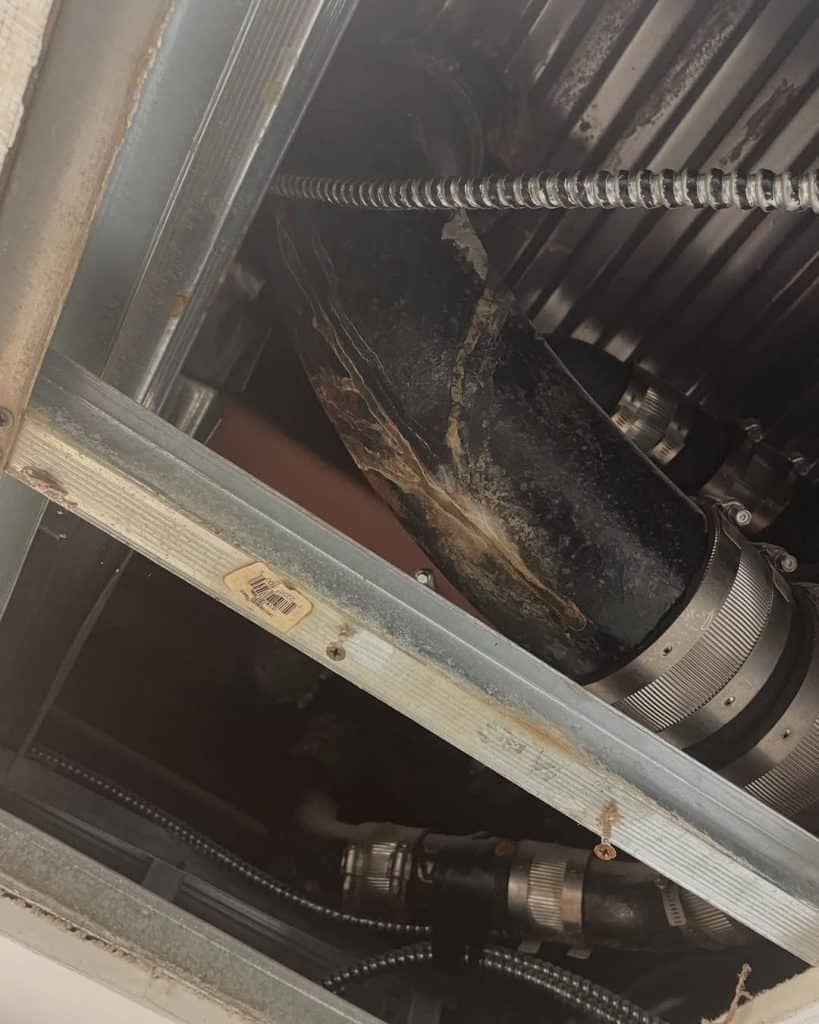
Salt water is hard on furnaces, water heaters, and wiring. So we flag any equipment the surge touched. Ready.gov warns never to touch wet electrical equipment. A licensed electrician or HVAC tech should clear it first.
Sorting Wind Damage From Flood Damage
Coastal storms often create two kinds of claims. According to FEMA, most homeowners policies do not cover flood damage. Instead, flood coverage comes from a separate policy. That’s why we log roof and siding damage apart from surge damage.
Did a coastal storm just hit your home? Call Bowerman Cleaning and Restoration 24/7 at (844) 269-3762 for coastal storm surge damage restoration. Our nearest coastal office sits at 6 Landmark Square, 4th Floor, Stamford, CT 06901. We serve Manhattan, Westchester, Rockland, Putnam, and Fairfield counties.
Common Questions About Coastal Storm Surge Damage Restoration
What does coastal storm surge damage restoration involve for a waterfront home?
It covers the full house, not just wet floors. Crews secure the roof and openings, clear sand and debris, and dry the structure. Then trades check salt-exposed systems, and a contractor rebuilds what the storm ruined. Each step depends on the one before it.
How is this different from a regular flood cleanup?
A regular flood mostly means water removal and drying. Coastal storms, however, add wind damage, sand, and salt. So the job includes exterior repairs, sediment cleanup, and system checks too. In short, more trades take part, and the project often runs longer.
Can salt-exposed HVAC equipment be reused?
Sometimes, but salt water speeds up rust and can damage controls. Because of that, a licensed HVAC tech should inspect any unit the surge reached. Don’t run it until then. Ductwork in a flooded crawl space may also need cleaning or replacement.
What happens to the crawl space after a surge?
Crawl spaces trap water, sand, and debris. First, we pump out the water and remove the sediment. Then we pull wet insulation and dry the space with air movers and dehumidifiers. Finally, moisture readings confirm the space is fully dry.
Why does sand need its own cleanup step?
Sand and silt hold moisture and carry salt and bacteria. If they stay in place, drying takes much longer. Also, fans can push dust and grit through the home. That’s why we remove sediment and wash surfaces before we set any drying equipment.
Does homeowners insurance cover storm surge damage?
Usually not the flood part. Most homeowners policies exclude flood, which needs a separate flood policy. Wind damage, on the other hand, may fall under your homeowners policy. So clear records matter, and we document each type of damage separately.
Should I turn the power back on myself?
No. Surge water can reach panels, outlets, and wiring hidden in walls. Even after the water drains, salt residue can linger. So keep the power off in flooded areas until a licensed electrician checks the system and says it’s safe.
Who handles the rebuild after the cleanup?
Our team does. A licensed general contractor oversees demolition and reconstruction on site. Meanwhile, a project manager keeps the work organized from start to finish. Since one company handles cleanup and repairs, you avoid gaps and delays between separate crews.
Conclusion
In short, coastal storm surge damage restoration treats the whole house, inside and out. Wind, sand, and salt all add steps that a basic water cleanup skips. Above all, the order matters: secure, clear, check, dry, and rebuild. When a coastal storm hits, call Bowerman.