
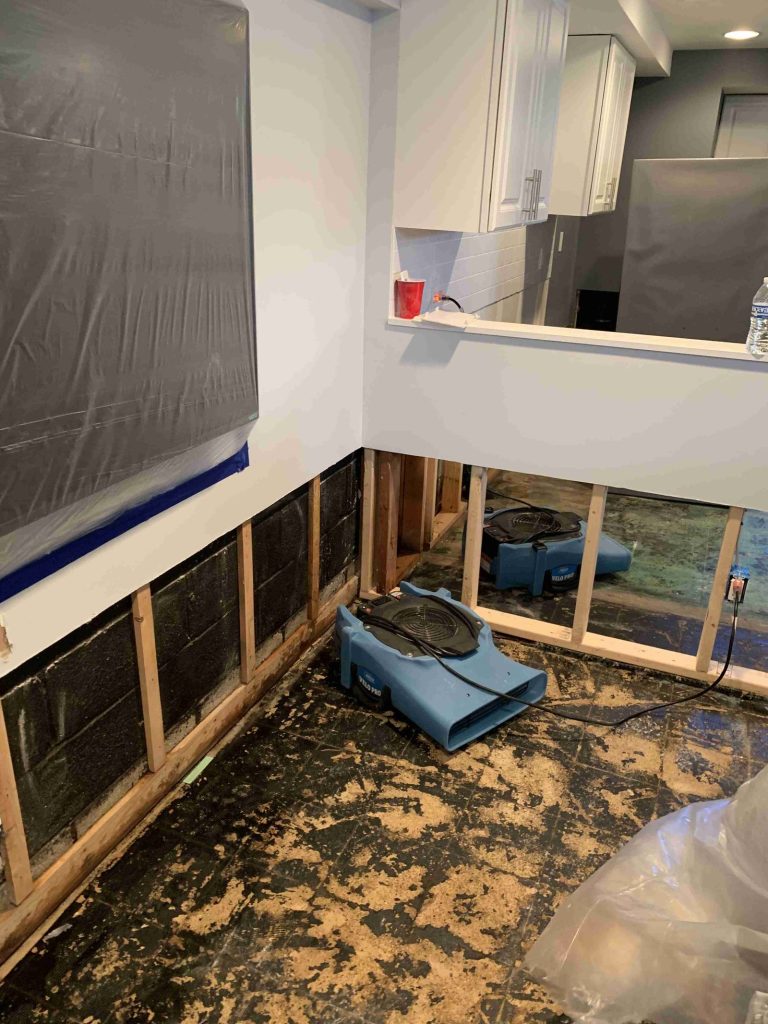
Water damage mitigation vs water damage restoration is a split between two phases. Mitigation stops the water, removes it and dries the structure to a measured target. Restoration, here, is the rebuild that follows: drywall, paint, flooring and finishes. In NY homes, stopping after only one phase can leave a room wet or unfinished.
Written by the Bowerman Cleaning and Restoration Team · April 30, 2026
Key Takeaways
- Mitigation is the emergency phase: extract, remove what cannot be saved, dry and document.
- Restoration here means the rebuild that starts only after the structure is dry.
- People also use restoration for the entire job, so it helps to ask which phase is being priced.
- Insurance estimates often list mitigation and rebuild as separate scopes.
In This Guide
- How Do Mitigation and Restoration Split in Practice?
- When Is Mitigation Enough on Its Own?
- When Does Restoration Have to Follow Mitigation?
- Why Are Mitigation and Restoration Often Billed Separately?
- How Does This Split Work for NY Insurance Claims?
- Water Damage Mitigation vs Restoration FAQs
How Do Mitigation and Restoration Split in Practice?
Short answer: mitigation dries the loss, and restoration puts the room back after it is dry. The two phases run in order. Restoration should not start while mitigation is still underway.
| Phase | What it includes | When it ends |
|---|---|---|
| Mitigation | Safety check, extraction, tear-out of soaked materials, drying, cleaning, moisture logs | When readings match a dry target and the equipment comes out |
| Restoration (rebuild) | Drywall, insulation, paint, flooring, cabinets, trim and related finish work | When the room is returned to a finished, pre-loss condition |
If you want a short definition of the two terms, this article on the difference between restoration and mitigation covers it. The rest of this post focuses on how the phases are scheduled, scoped and billed. For the full process, see what water damage restoration is. Professional water damage restoration services often cover both phases, or they handle mitigation and then coordinate the rebuild.
When Is Mitigation Enough on Its Own?
Short answer: when materials can be dried in place and nothing has to be rebuilt. Not every loss needs a rebuild crew.
A clean-water leak caught quickly on a hard floor, or drywall that dries without swelling, may need only extraction and drying. Once the readings hit the target, the job can end there. Mitigation is not enough, though, if carpet pad, insulation or swollen drywall has already come out. In that case, the room is stable and dry, but it is not finished until restoration puts those materials back.
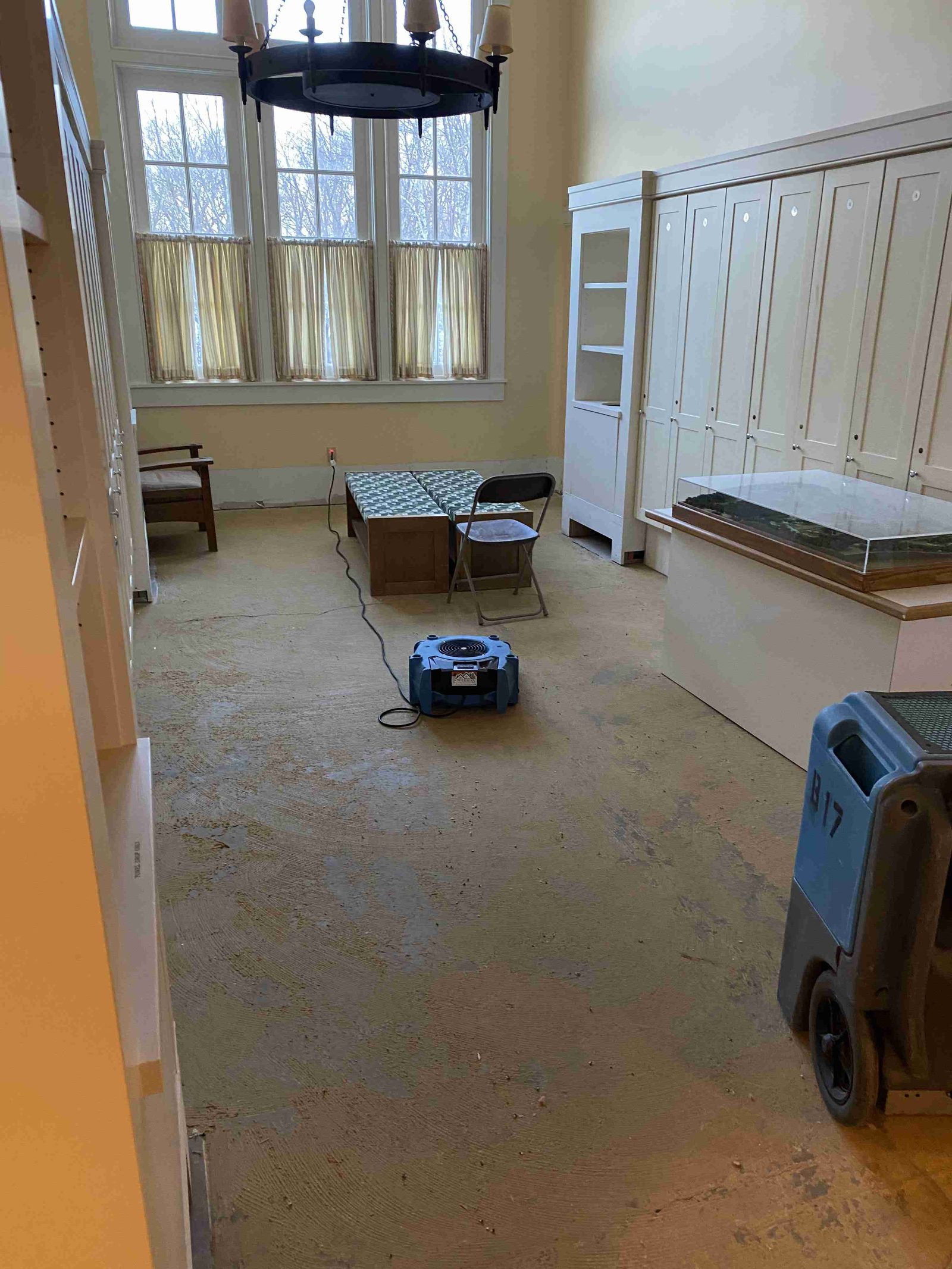
Not sure whether your job is still in the drying phase or ready to rebuild? Bowerman Cleaning & Restoration answers 24/7 across Westchester County.
When Does Restoration Have to Follow Mitigation?
Short answer: whenever materials were removed, or finishes were damaged beyond drying in place. The rebuild starts after, not instead of, the drying records.
- A flood cut was made in the drywall, so the wall has to be closed and finished.
- Carpet, pad or flooring was taken up and cannot be put back as it was.
- Cabinets, trim or insulation were removed to reach trapped water.
- Finishes were stained or warped even if the structure is now dry.
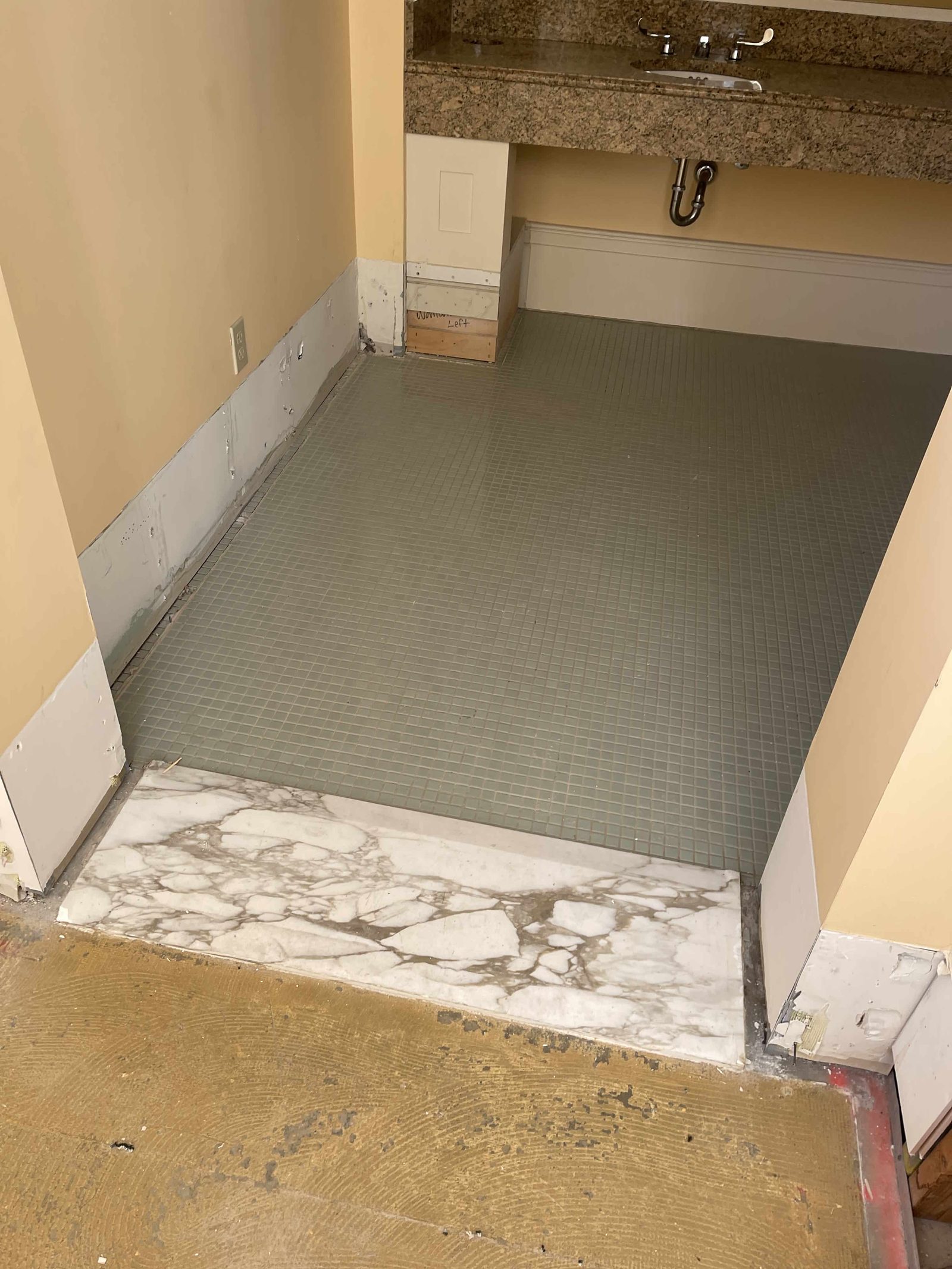
This water damage restoration timeline shows how the drying days and the rebuild weeks usually line up. Closing a wall before the readings are done can undo the mitigation work.
Why Are Mitigation and Restoration Often Billed Separately?
Short answer: they are different kinds of work, and insurance often reviews them on different clocks. Emergency drying usually starts right away. Rebuild work may wait for an estimate review.
Mitigation is often priced by the equipment used, the days it runs and the materials removed. Restoration is priced more like a renovation, by labor and finish materials. Keeping the two scopes separate makes it easier to see what was spent to dry the home and what will be spent to put it back. If a claim is involved, ask which line items belong to which phase before you approve either one.
How Does This Split Work for NY Insurance Claims?
Short answer: coverage still depends on the source of the water, and flood is treated differently.
A sudden pipe leak is often covered by a standard NY homeowners policy, and both the mitigation and the rebuild may be part of that claim, minus the deductible. Flood from surface water is not covered by a standard policy, as the New York State Department of Financial Services explains. In that case, a separate flood policy, if one is in place, is what would apply. Either way, mitigation records, such as photos and moisture logs, support the later restoration estimate.
Water Damage Mitigation vs Restoration FAQs
Is mitigation the same thing as restoration?
No. Mitigation is the emergency drying phase. Restoration, in the way insurers and contractors often use it here, is the rebuild that follows. Some people also call the entire job restoration, so it is fair to ask which phase a quote includes. This article on whether restoration and mitigation are the same thing goes into the wording.
Can I hire two different companies for the two phases?
Yes. Many homeowners do. The drying company should give the rebuild contractor the final readings, photos and a list of what was removed. Without that handoff, the contractor is guessing at the scope.
Does mitigation always involve tearing out drywall?
No. Clean water caught early can often be dried in place, sometimes with the wall vented instead of cut. Dirty water, wet insulation or swollen drywall usually has to come out.
Who decides when mitigation is finished?
Readings decide it. Wet materials are compared with a dry standard, usually from an unaffected area of the same home. When those numbers match, the equipment comes out and restoration can be scheduled.
Will insurance pay for both phases?
When the cause of the water is a covered, sudden event, both drying and rebuild are often part of the claim. Flood, slow leaks and some sewer backups are treated differently. Check your policy and keep the two scopes itemized.
What happens if I stop after mitigation and never restore the room?
The structure may be dry, but open walls, missing flooring and unfinished rooms can lead to drafts, dust and further damage. Open cavities should not be left that way longer than needed once they are confirmed dry.
Need help with a wet home in Westchester County? Bowerman Restoration LLC d/b/a Bowerman Cleaning & Restoration, 7 Intervale Street, White Plains, NY 10606, answers 24/7 at (844) 269-3762.