
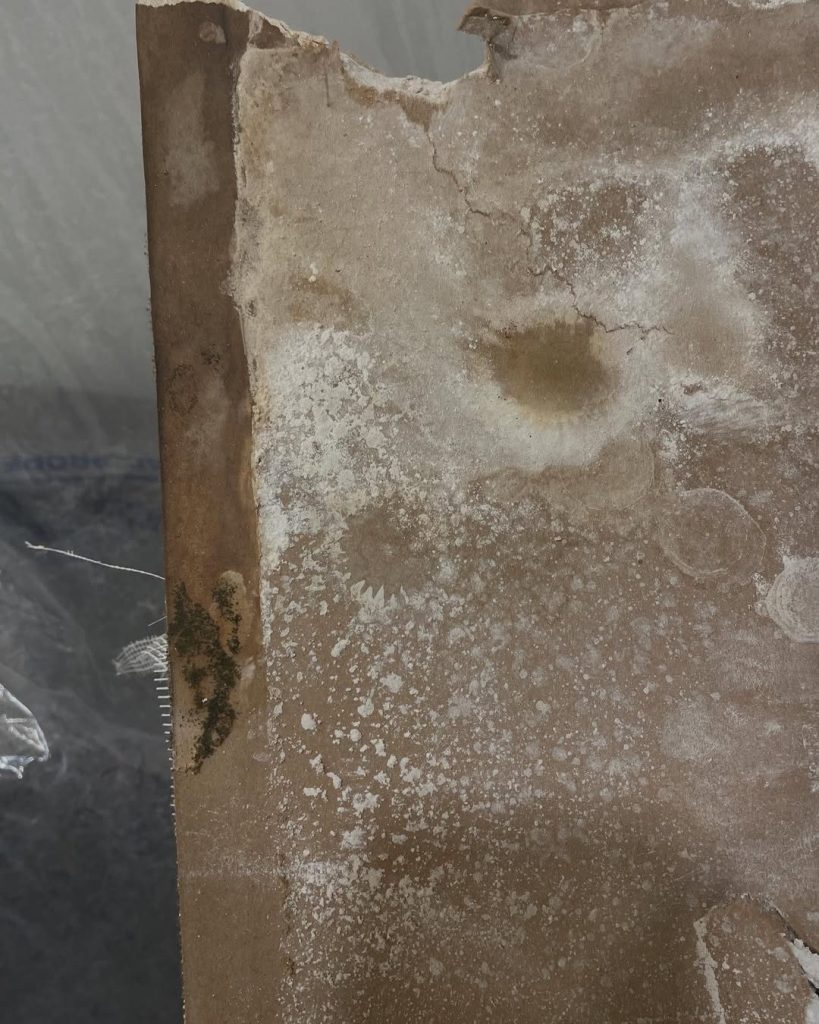
Mold remediation insurance coverage depends on the policy and on how the moisture started. In NY, a sudden, accidental leak may be treated differently from long-term humidity, a flood, or a maintenance issue. Many homeowners policies cap or exclude mold. A quote from professional mold remediation services is not the same thing as an approved claim.
Written by the Bowerman Cleaning and Restoration Team · May 15, 2026
Key Takeaways
- Coverage, if any, usually follows the cause of the moisture, not the word mold by itself.
- Standard homeowners policies often limit or exclude mold, and flood is typically a separate policy.
- A long-term leak or a maintenance problem is more likely to be denied than a sudden, accidental discharge, but the policy language controls.
- Keep photos, moisture readings, and a written scope. None of that guarantees payment.
In This Guide
- How Does Mold Remediation Insurance Coverage Usually Work?
- Does a Standard NY Homeowners Policy Cover Mold From a Flood or Backup?
- What Documentation Helps a Mold-Related Claim?
- Who Does the Testing if an Insurer Asks for It?
- Mold Remediation Insurance Coverage FAQs
How Does Mold Remediation Insurance Coverage Usually Work?
Short answer: the policy looks at the cause of the water, any mold limit or exclusion, and the documentation behind the claim. Two houses with similar stains can have very different outcomes.
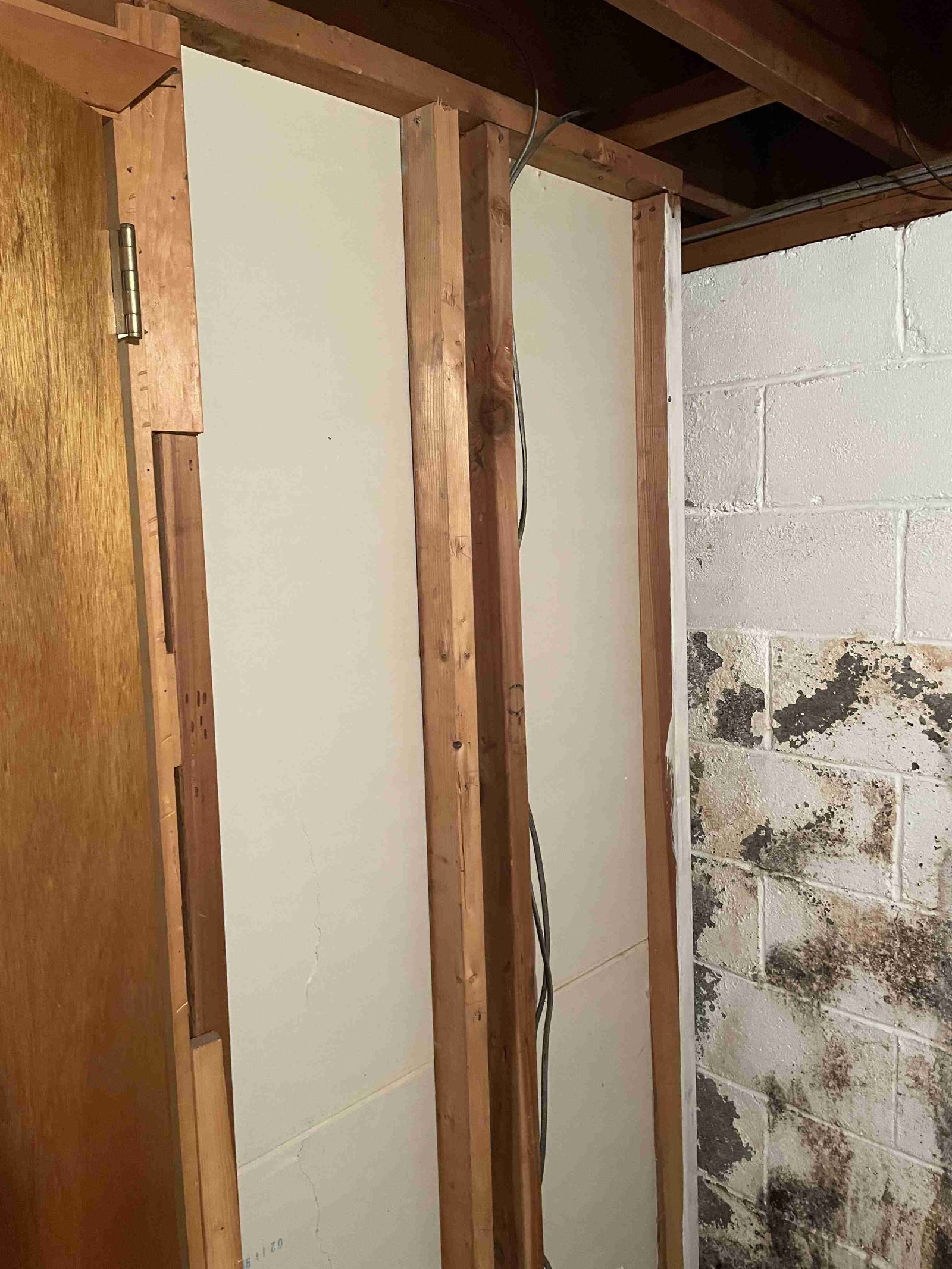
Many standard homeowners policies treat mold as a limited or excluded loss, even when some water damage is covered. There may be a small sublimit for mold remediation, or a requirement that the mold resulted from a covered water event. The only reliable source is the policy itself, plus the insurer or a licensed advisor. This article cannot promise that any claim will be paid.
A companion piece on water damage insurance coverage and a look at whether homeowners insurance covers water restoration explain the water side of that analysis. Mold is often the next question after the leak.
| Situation often reviewed | How it is commonly treated | What still matters |
|---|---|---|
| Sudden pipe burst that is dried promptly | The water damage may be covered; mold may still be capped | Timing, photos, and the policy’s mold language |
| Slow leak or long-term humidity | More often limited or excluded as maintenance or wear | How long the condition was present |
| Flood from rising or overflowing water | Typically not covered by a standard homeowners policy | Whether a separate flood policy exists |
| Sewer or sump backup | Often needs a backup endorsement | The endorsement and any mold limit on top of it |
Does a Standard NY Homeowners Policy Cover Mold From a Flood or Backup?
Short answer: usually not for flood, and backups often need an added endorsement; mold limits can still apply. The water type at the start of the loss often decides the rest of the claim.
The NY Department of Financial Services flood insurance page explains that standard homeowners policies generally do not cover flood. Mold that follows a flood is then evaluated under flood coverage, if the household has it, not under the ordinary homeowners form.
Sewer and sump backups are a separate issue. Many policies exclude them unless a backup endorsement is in place. Even then, a mold sublimit can still cap the remediation portion of the claim. The site’s filing a claim page outlines general documentation steps.
What Documentation Helps a Mold-Related Claim?
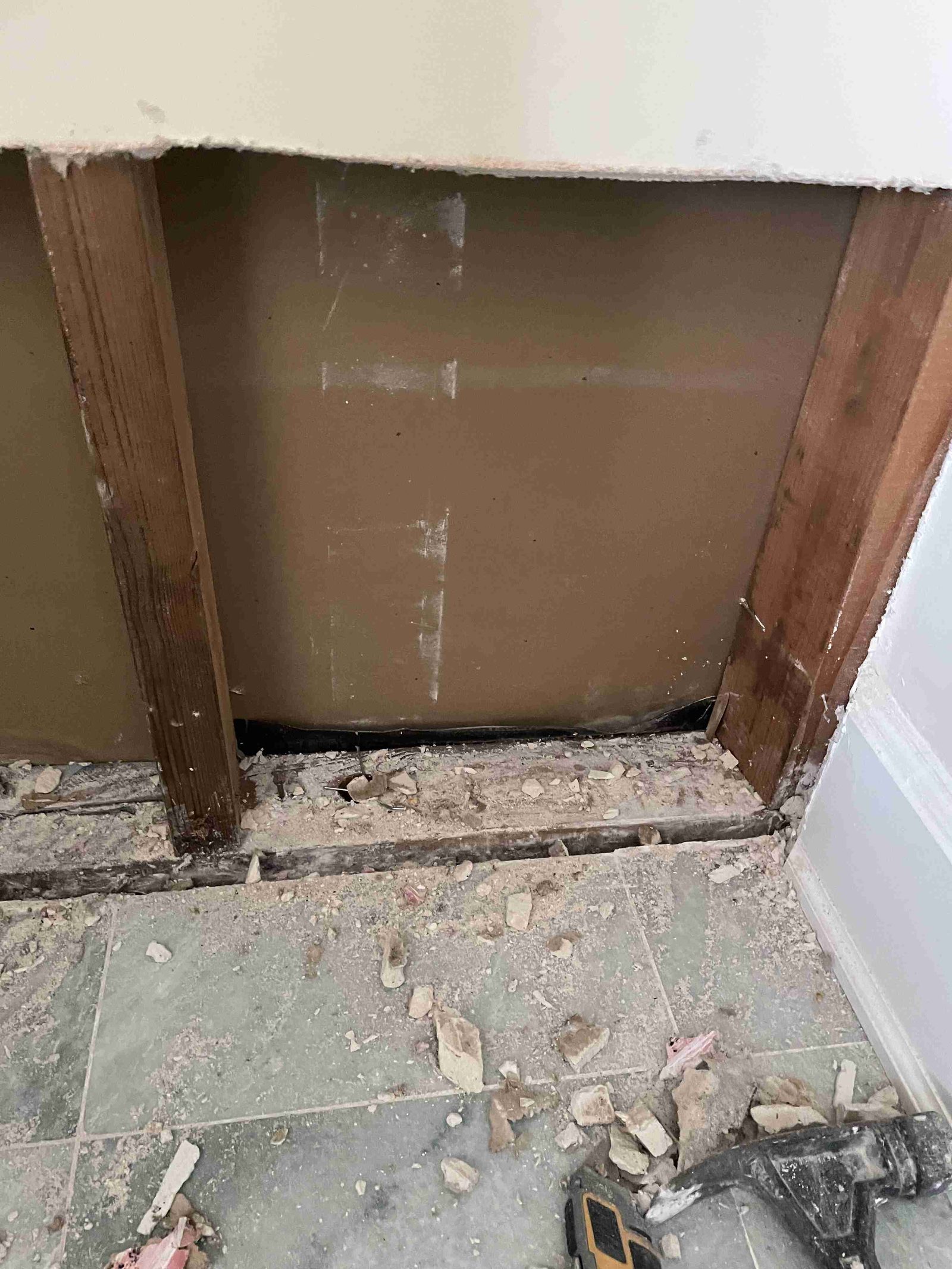
Short answer: photos, a description of when the water started, moisture readings, a written scope, and invoices, all without assuming they will produce a payment. A clean file makes the review possible. It does not create coverage that the policy does not grant.
- Dated photos of the water and of any visible growth, before teardown if it is safe to wait a short time for photographs.
- A simple timeline: when the leak was found, what was shut off, and what was already wet.
- Moisture readings and a diagram of the affected rooms, if a contractor or assessor produces them.
- In New York, the independent mold assessor’s written scope, when one exists.
- Invoices that separate drying, remediation, and rebuild, so the insurer can read each part.
Do not delay emergency extraction just to wait on a claim number, but do photograph as you go when it is practical. What mold remediation is can help you describe the work in the file without treating a marketing phrase as coverage language.
Questions about a mold problem in Westchester County, NY? Bowerman Cleaning & Restoration answers 24/7.
Who Does the Testing if an Insurer Asks for It?
Short answer: an independent mold assessor or industrial hygienist, not the remediation contractor on the same NY project. A single company that both tests and remediates is also a problem under New York’s mold rules.
Insurers sometimes ask for sampling or a formal report. In New York, the Mold Program requires an independent assessment to define remediation work and does not allow the same company to assess and remediate the same property. If testing is requested, it should be arranged with a separate licensed assessor. The remediator can document conditions and the work performed, but that is not the official assessment or the clearance testing.
Mold Remediation Insurance Coverage FAQs
Does homeowners insurance always pay for mold remediation in NY?
No. Many policies limit or exclude mold. Even when a sudden water event is covered, the mold portion may have a cap. Read the policy and speak with the insurer or a licensed advisor. No article can guarantee payment.
If the water damage is covered, is the mold covered too?
Not automatically. Some policies extend limited coverage when the mold results from a covered water event. Others still exclude or cap it. The cause and the endorsement language both matter.
Will a contractor bill the insurer directly?
Sometimes, but that arrangement does not decide coverage. The policyholder still needs to understand deductibles, limits, and any unpaid balance if the insurer denies or caps the mold portion.
Should I start work before the claim is approved?
Emergency steps that stop further damage, such as extraction, are often expected. Larger teardown can sometimes wait a short time for an adjuster visit if the area is already safe and dry-down has started. Ask the insurer how it wants the loss documented.
Does a flood policy cover mold after a flood?
It can, within that policy’s terms and limits, but a flood policy is separate from a standard homeowners policy. Confirm the wording rather than assuming mold is included in full.
Have questions about mold remediation insurance coverage in a Westchester NY home? Bowerman Restoration LLC d/b/a Bowerman Cleaning & Restoration, 7 Intervale Street, White Plains, NY 10606, answers 24/7 at (844) 269-3762.