
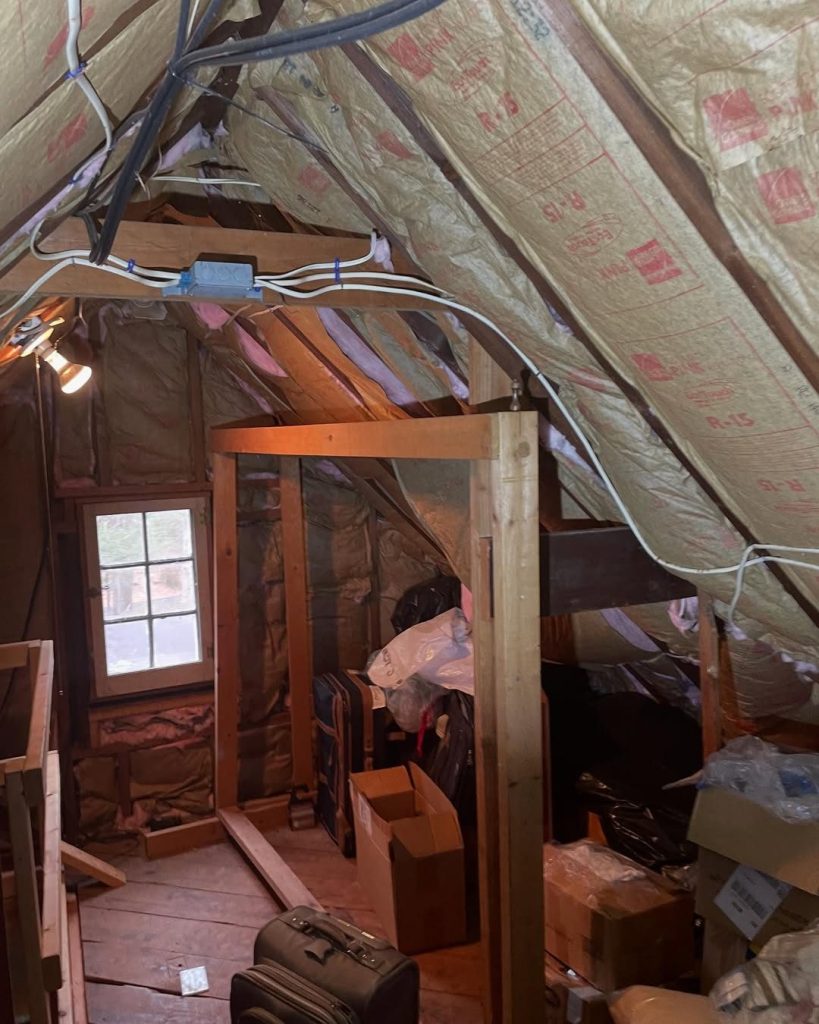
Mold in attic vs mold in basement usually comes down to different moisture sources and different materials. An attic in a NY home is more often wetted by a roof leak, an ice dam, or warm indoor air leaking upward. A basement is more often wetted by seepage, humidity, a backup, or a storm.
Written by the Bowerman Cleaning and Restoration Team · June 4, 2026
Key Takeaways
- Attic moisture often comes from above or from indoor air leaking into a cold roof space.
- Basement moisture often comes from the ground, a backup, or chronically high humidity.
- Insulation is frequently removed in attics; finished basement walls often have to be opened.
- Both locations still need a dry structure and, in NY, an independent assessment on a covered remediation project.
In This Guide
- How Does Mold in an Attic Differ From Mold in a Basement?
- What Is Typical of an Attic Mold Problem in a NY Home?
- What Is Typical of a Basement Mold Problem in a NY Home?
- Can a House Have Both, and Does That Change the Work?
- Mold in Attic vs Mold in Basement FAQs
How Does Mold in an Attic Differ From Mold in a Basement?
Short answer: the source of the moisture and the materials in the way are usually different, even if the growth looks similar. Treating both locations as the same job can miss the leak that actually matters.
| Point of comparison | Attic | Basement |
|---|---|---|
| Typical moisture sources | Roof leaks, ice dams, exhaust fans that terminate in the attic, warm indoor air leaking up | Seepage, high humidity, floods, sewer or sump backups, sweating pipes |
| Materials often involved | Insulation, roof decking, rafters, the hatch area | Masonry, sill plates, finished walls, carpet, stairwells |
| What is often removed | Wet or affected insulation | Wet drywall, carpet pad, and sometimes base finishes |
| Access and dust control | Hatch protection so fibers do not fall into living space | Containment of finished rooms and stairs so dust does not travel up |
| Seasonal pattern in NY | Ice dams and condensation in winter; roof leaks after storms | Humid summers, storms, and groundwater after heavy rain |
The EPA brief guide still applies in both places: control the moisture, then deal with the affected materials. What mold remediation is does not change with the floor of the house. The written scope for professional mold remediation services should.
What Is Typical of an Attic Mold Problem in a NY Home?
Short answer: wet insulation and decking after a roof or ventilation problem, often noticed as a musty hatch or a ceiling stain below. Replacing insulation before the roof or the air leaks are fixed is a short-lived repair.
Mold-affected insulation removal in Scarsdale, NY is a useful example of the usual attic step: the insulation comes out because it cannot be cleaned in place. Westchester winters also make ice dams a regular source along the eaves. Bathroom fans that dump into the attic are another.
What Is Typical of a Basement Mold Problem in a NY Home?
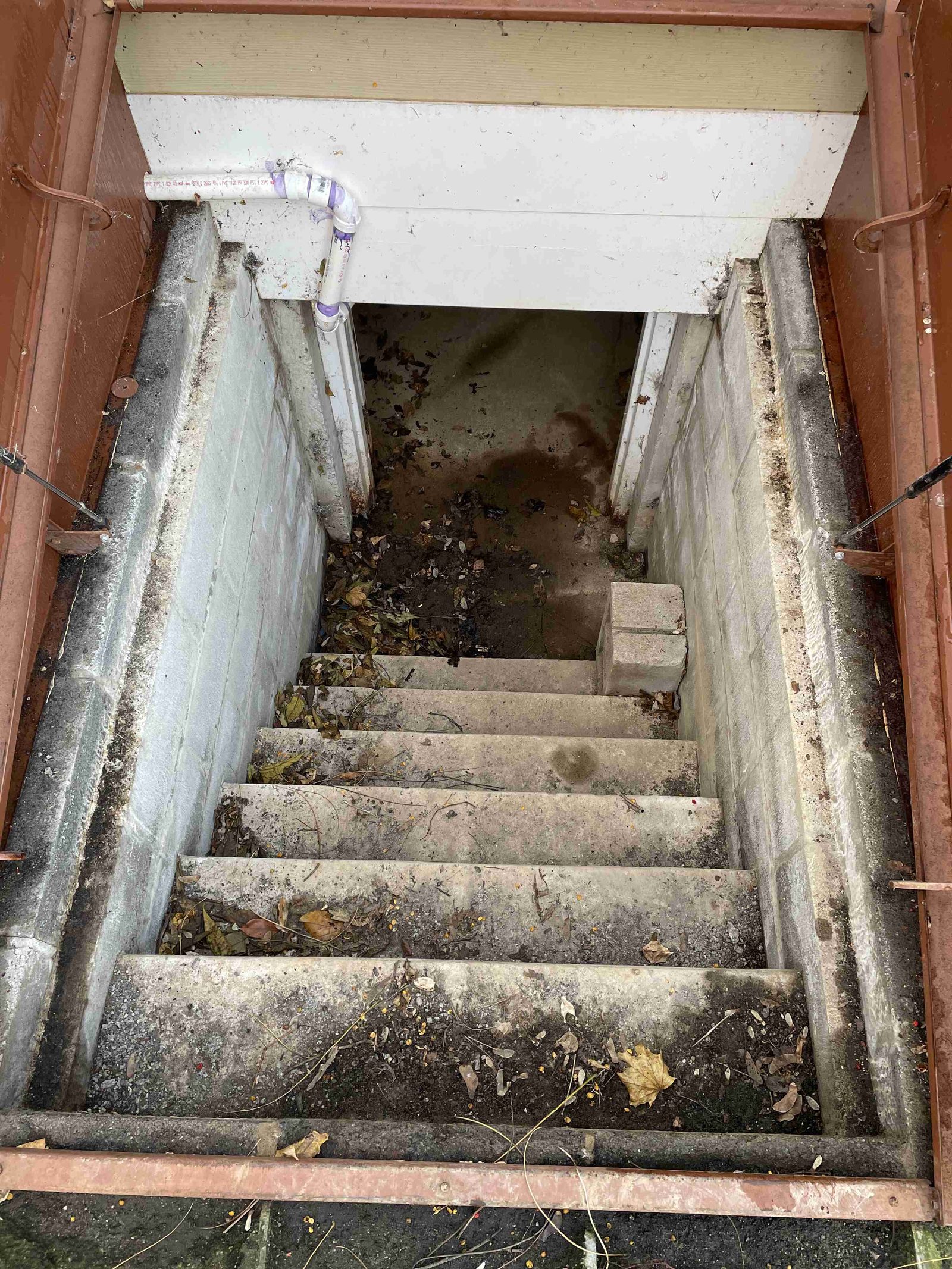
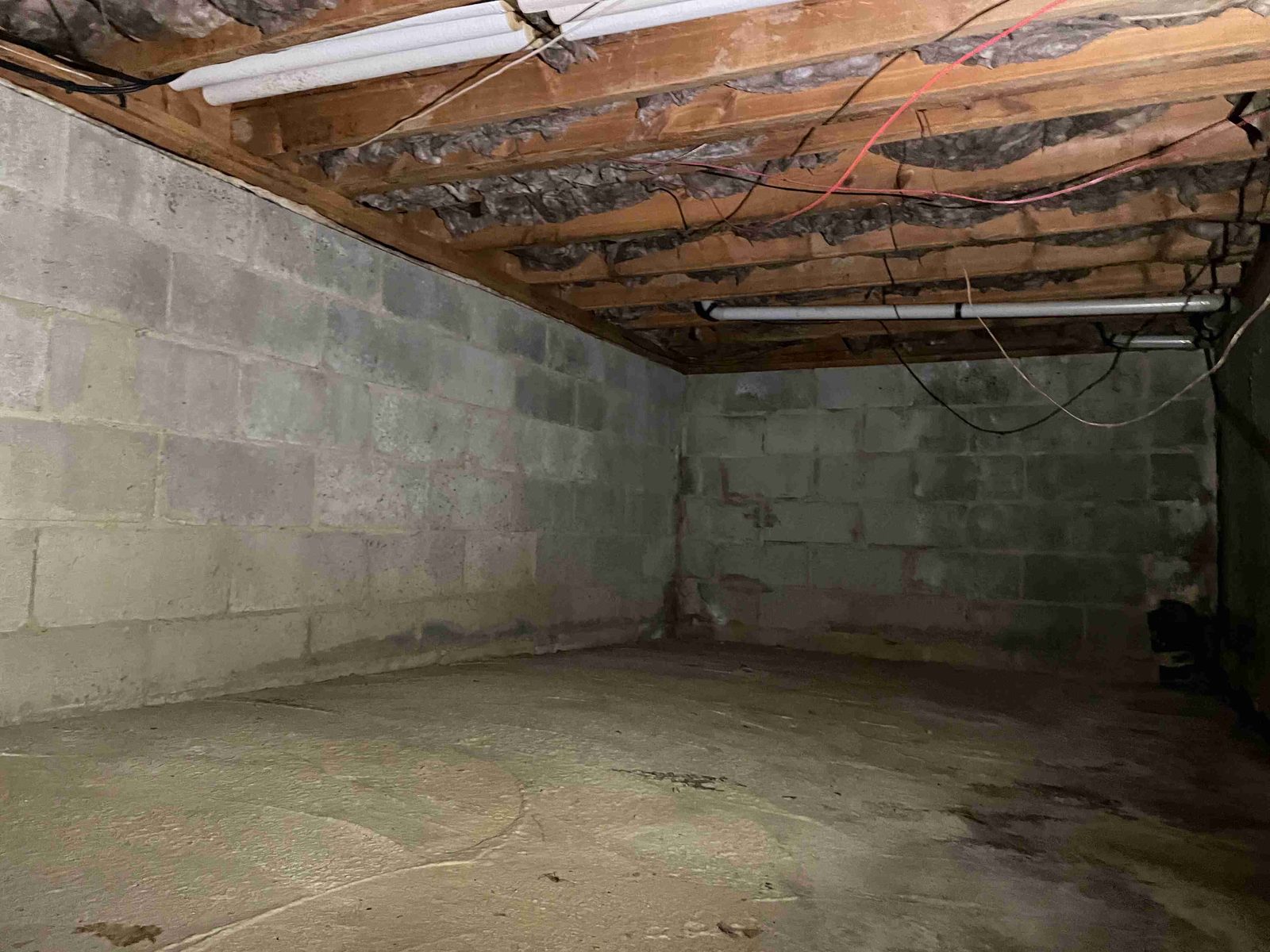
Short answer: damp masonry, finished walls that hide a wet cavity, and growth after a storm, a backup, or long-term humidity. A painted basement can look finished while the back of the wall stays damp.
After a storm, what mold remediation in a finished basement involves is the closer walkthrough. Spaces under the house follow a similar moisture logic; see what crawl space mold remediation involves after flooding. Humidity in a closed basement during a Westchester summer can also be enough if the space never really dries.
Questions about a mold problem in Westchester County, NY? Bowerman Cleaning & Restoration answers 24/7.
Can a House Have Both, and Does That Change the Work?
Short answer: yes, and each source still has to be identified; drying one level will not automatically dry the other. A single product or a single fan in one room is not a plan for the whole house.
A house can have a roof leak and a damp basement at the same time. The investigations should stay separate enough that one problem is not blamed on the other. In New York, a covered remediation project still needs an independent mold assessor to define the scope. That assessor may include both locations in one report, but the remediator should not also perform the official assessment or the clearance testing on the project.
Rebuild or new insulation, in either location, waits until the structure is dry and any required review is complete. There is no useful promise that growth will stay gone if the roof, the drainage, or the humidity is left as it was.
Mold in Attic vs Mold in Basement FAQs
Is basement mold always from a flood?
No. Seepage, a backup, sweating pipes, or high humidity can be enough. A flood is only one of the possible sources.
Is attic mold always from a roof leak?
No. Ice dams, indoor air leaking into the attic, and exhaust fans that terminate in the attic are also common. The roof should still be checked.
Can I treat both areas with the same dehumidifier?
A dehumidifier in the basement will not dry an attic, and an attic fan will not dry a finished basement cavity. Each space needs a plan that matches how it got wet.
Does insulation get removed in both places?
Often in attics, when it has stayed wet or supported growth. In basements, insulation in a finished wall or a crawl space may also come out, but masonry itself is not “removed” the same way.
Who decides the scope if both the attic and the basement are involved?
In New York, an independent licensed mold assessor typically writes that scope. The remediator then performs the work and does not also do the official testing on the same project.
Comparing mold in an attic vs mold in a basement in a Westchester NY home? Bowerman Restoration LLC d/b/a Bowerman Cleaning & Restoration, 7 Intervale Street, White Plains, NY 10606, answers 24/7 at (844) 269-3762.