
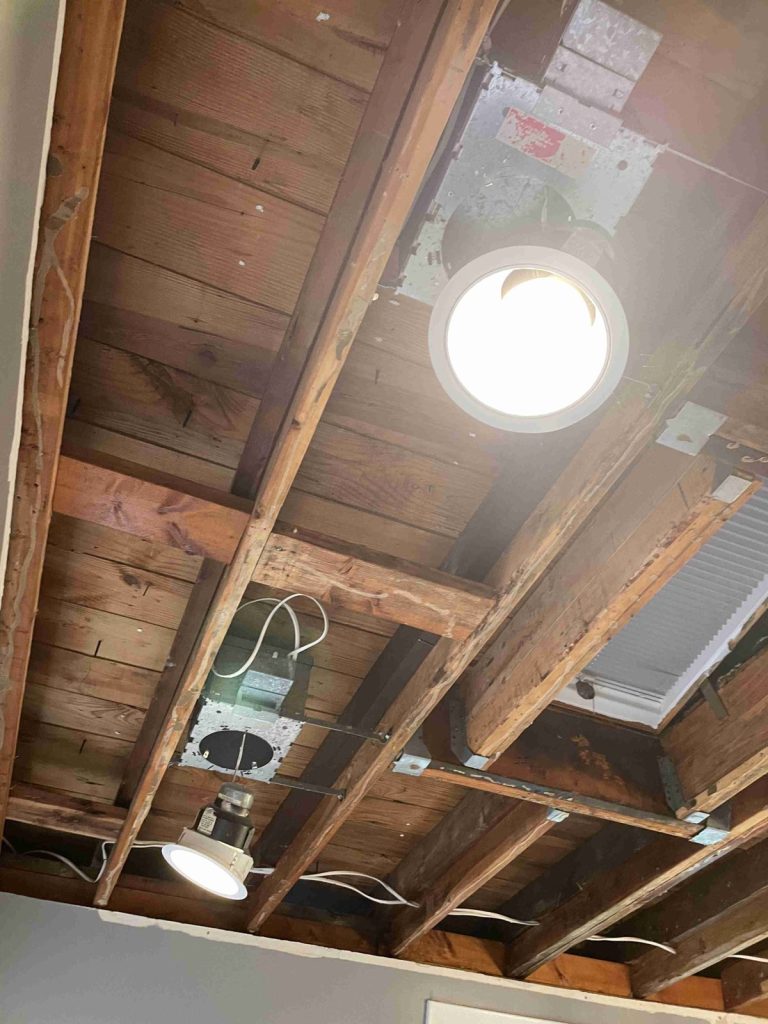
Common asbestos locations in homes follow a pattern in NY houses built before about 1980. Asbestos was added to products that needed to resist heat, fire, or wear, so it tends to show up around heating systems, under floors, on ceilings, and on the exterior. Knowing where to look helps owners plan a survey before a project, not after. Looking is not testing. White pipe wrap, 9-inch floor tile, or pebble-like attic fill can be clues, but only lab analysis of samples confirms what a material is.
Written by the Bowerman Cleaning and Restoration Team · July 28, 2026
Key Takeaways
- Basements and boiler rooms often have pipe and boiler insulation.
- Kitchens and baths may have vinyl floor tile and black mastic under newer floors.
- Ceilings may have textured coatings, and some attics may have vermiculite.
- Exterior siding, roofing, and window glazing can also be on the list in older houses.
In This Guide
- Where Is Asbestos Commonly Found, Room by Room?
- Which Locations Are Easy to Miss?
- Can You Tell Asbestos by Looking at It?
- What Should Happen Before Work in These Locations?
- Common Asbestos Locations in Homes FAQs
Where Is Asbestos Commonly Found, Room by Room?
Short answer: basements, kitchens, baths, living-space ceilings, attics, and the exterior top the list. The table below lists typical materials in each area; a given house may have only some of them, or none.
| Area | Materials that may contain asbestos |
|---|---|
| Basement and boiler room | Pipe wrap, boiler insulation, duct wrap and tape, floor tile |
| Kitchen | Vinyl floor tile and mastic, sheet-flooring backing, older counter or panel products |
| Bathroom | Floor tile, mastic, plaster, joint compound |
| Living spaces | Textured ceilings, plaster, joint compound, some wall panels |
| Attic | Vermiculite insulation, duct wrap |
| Exterior | Cement siding shingles, roofing felt, window glazing |
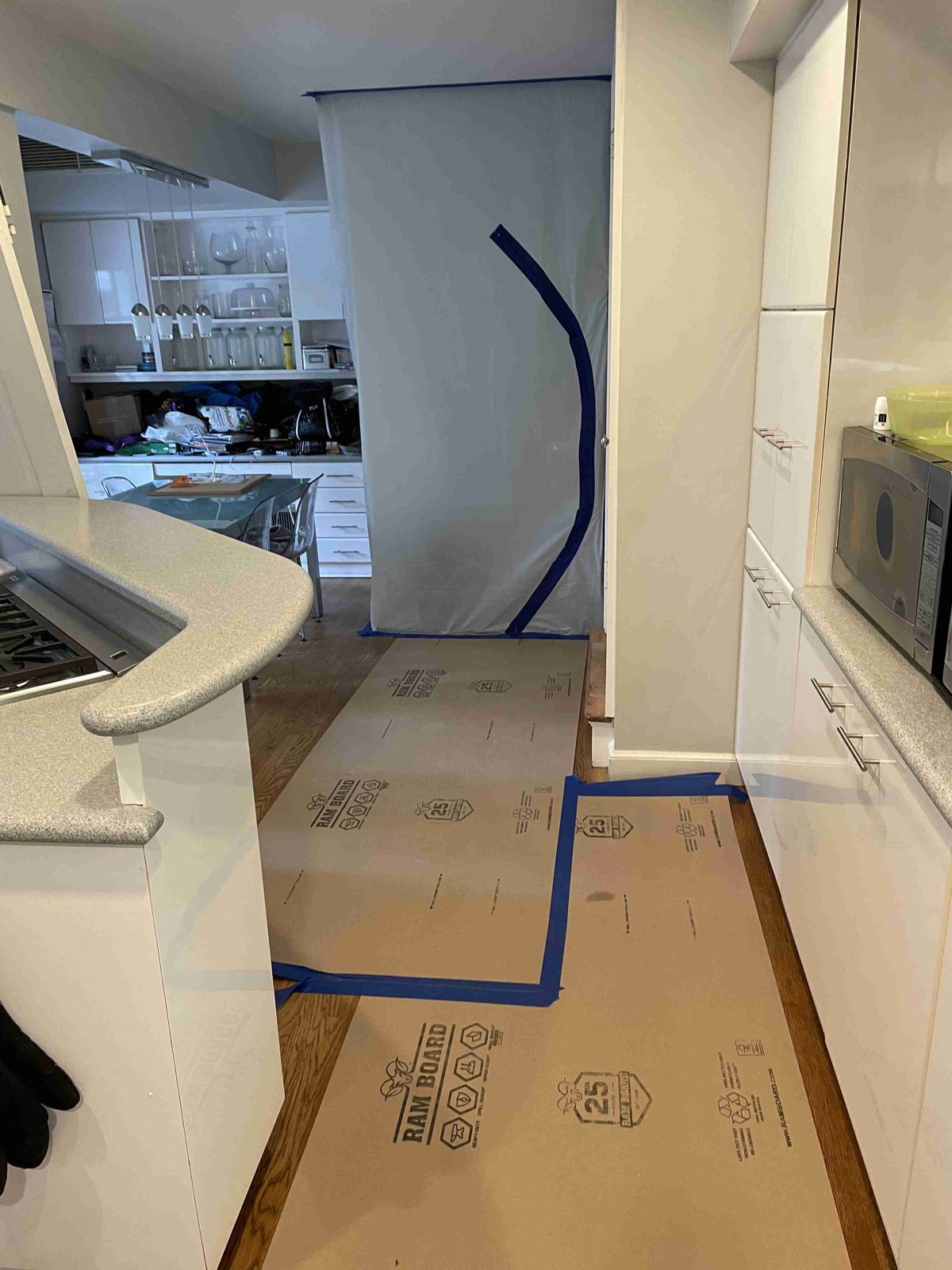
Pipe insulation is one of the most common finds. The case study on asbestos pipe insulation removal in older homes shows what that work involves when a basement or mechanical room is the location. Kitchens are a close second, not because every old kitchen has asbestos, but because flooring is so often covered and then uncovered during a remodel. Asbestos abatement during a kitchen renovation is a typical example.
Which Locations Are Easy to Miss?
Short answer: hidden layers under newer floors, pipe chases, soffits, and materials above finished ceilings. A survey should follow the project, not only the rooms that are easy to walk through.
A 1990s vinyl floor can sit on a 1960s tile floor and black mastic. A boxed-in pipe in a closet can still have original lagging. A finished basement ceiling can hide both ducts and older coatings. Attic hatches, crawl-space entries, and the tops of boilers are easy to skip on a casual walk-through and are often the first places an inspector checks.
Exterior locations are missed for a different reason: the project is thought of as a siding or window job, not as an interior asbestos issue. Cement shingles, soffit panels, and some glazing compounds still belong on the suspect list for houses of the right age.
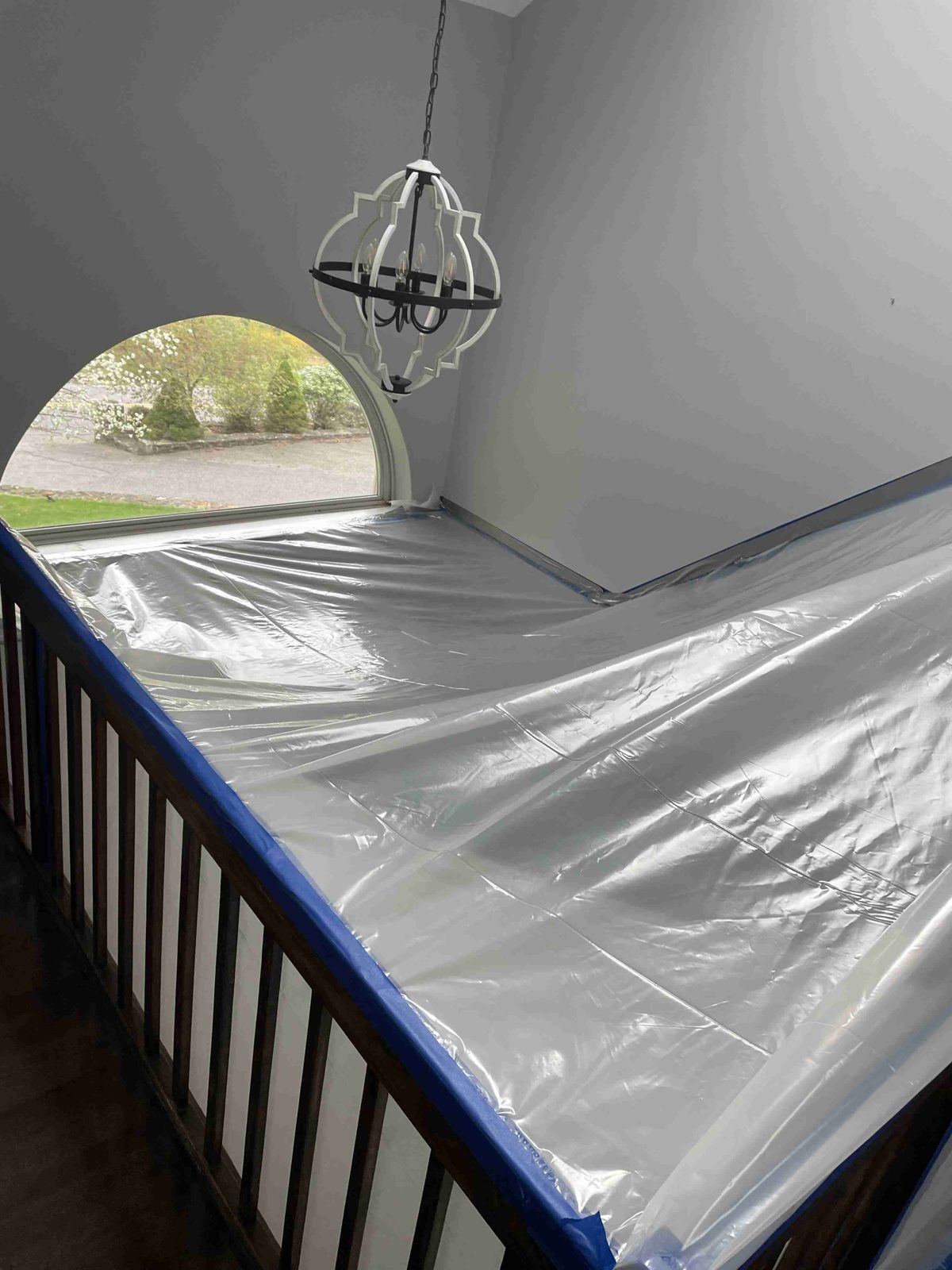
Planning work around suspect asbestos material in Westchester County, NY? Bowerman Cleaning and Restoration answers 24/7.
Can You Tell Asbestos by Looking at It?
Short answer: no; some materials look typical of asbestos products, but only lab analysis can confirm it. Age, location, and appearance are clues, not proof.
White corrugated pipe wrap, 9-inch-square floor tiles, popcorn texture, and gray-brown pebble insulation are all worth noting. Many similar-looking products were made without asbestos. An independent licensed inspector takes samples, and an accredited lab analyzes them. Homeowners should not break a piece off to “see if it looks like asbestos,” because that act is a disturbance.
The EPA page on protecting your family from asbestos lists many of the same household products and advises leaving them alone until they are checked. Why asbestos is dangerous explains why a visual guess is not a substitute for that step.
What Should Happen Before Work in These Locations?
Short answer: a survey of the areas being disturbed, then abatement of any confirmed material before the project starts. This applies to renovation, some repairs, and damage cleanup, not only to full gut jobs.
Owners of older homes in Westchester County often encounter these locations during kitchen and bath remodels, basement finishing, attic work, and boiler replacement. The survey should be scoped to the work, and it should be shared with the contractor before demolition. If the result is negative, the project continues with fewer unknowns. If it is positive, abatement and clearance come first.
The pillar what is asbestos abatement explains the work that follows a positive result. For the service, see asbestos removal and abatement.
A walk-through that only looks at finished rooms will miss several of these locations. Crawl spaces, the tops and sides of boilers, the far ends of pipe runs, attic hatches, and the underside of old roof decks are where many materials actually sit. In a Westchester NY house that has been added onto or partly remodeled, the original kitchen floor or the first heating system may still be in place under later work. A survey scoped to the project should include those less visible spots, not only the room that will be painted or refurnished.
It also helps to think in layers, not only in rooms. A kitchen may have a newer floor over older tile, a bath may have plaster under later drywall, and a basement ceiling may hide both ducts and original coatings. Listing those layers, even in informal notes, gives the independent inspector a better map and keeps a renovation from opening a second surprise after the first survey was limited to what was in plain sight.
Common Asbestos Locations in Homes FAQs
Where is asbestos most often found in a house?
Around heating systems in the basement, in old floor tile and mastic, in textured ceilings, and, in some houses, in attic vermiculite or exterior cement siding.
Are popcorn ceilings always asbestos?
No. Many were made without it. Older textured ceilings are worth sampling before they are scraped.
Is asbestos in walls common?
Some older plaster and joint compound contained asbestos. Sampling is the only way to know about a specific wall.
Can asbestos be under newer flooring?
Yes. Old tile and mastic are often covered by later floors and found when those floors are taken up.
Should materials be sampled without a professional?
Sampling disturbs the material. An independent licensed inspector should collect the samples and send them to an accredited lab.
Wondering about common asbestos locations in homes in Westchester NY? Bowerman Restoration LLC d/b/a Bowerman Cleaning & Restoration, 7 Intervale Street, White Plains, NY 10606, answers 24/7 at (844) 269-3762.