
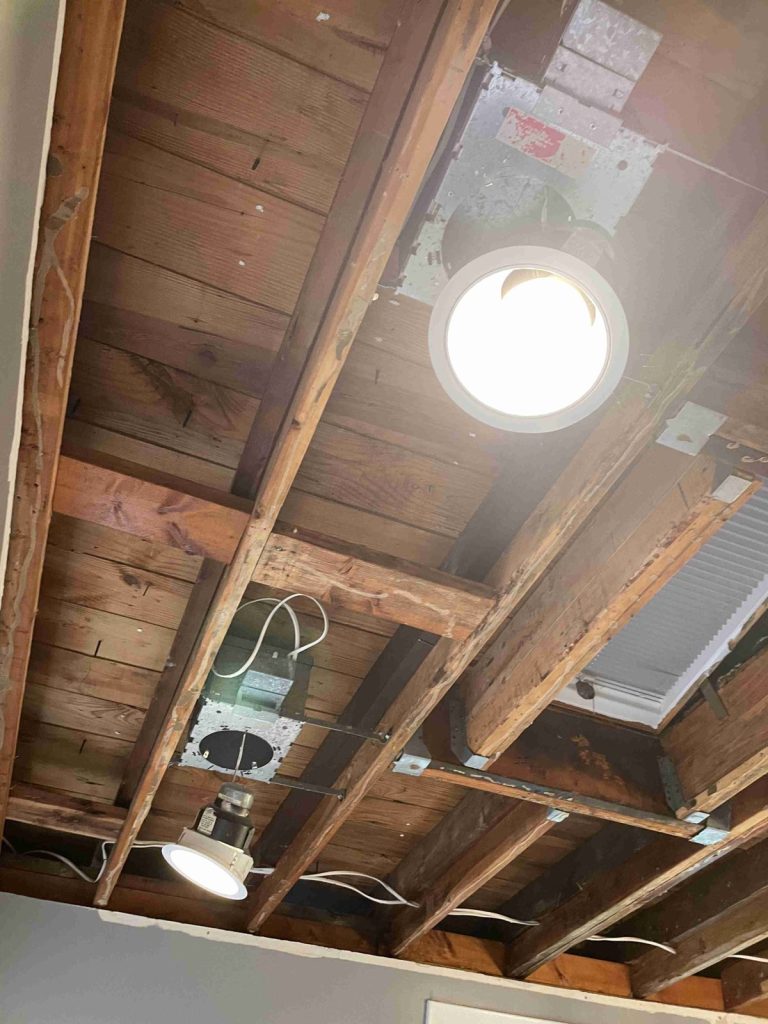
Types of asbestos materials in NY homes are easier to understand when they are grouped by how they were used and how easily they can release fibers. Builders added asbestos to products that needed to resist heat, fire, or wear. Pipe wrap, vinyl floor tile and mastic, textured ceilings, cement siding, joint compound, and loose-fill vermiculite all made the list. The products look different, and they do not all behave the same once they are damaged or during a renovation.
Written by the Bowerman Cleaning and Restoration Team · July 29, 2026
Key Takeaways
- Asbestos was added to insulation, flooring, ceilings, siding, and joint compounds, not to a single product.
- Friable materials crumble more easily and can release fibers with less force than intact, bound products.
- Condition matters: water, fire, or breakage can make a stable material shed more easily.
- A material type is a clue, not a test; lab analysis of samples is the only confirmation.
In This Guide
- Which Insulation Products May Contain Asbestos?
- What Flooring and Ceiling Materials Are on the List?
- What About Siding, Roofing, Plaster, and Joint Compound?
- How Do These Materials Differ in Fiber Release?
- Types of Asbestos Materials FAQs
Which Insulation Products May Contain Asbestos?
Short answer: pipe wrap, boiler and furnace insulation, duct wrap or tape, and loose-fill vermiculite are the main insulation groups. These products were used where heat or fire resistance was the point, so they cluster around mechanical systems and attics.
Corrugated or plaster-like pipe lagging on heating and steam lines is one of the most common finds in older basements and crawl spaces. Boiler jackets, furnace baffles, and the wrap or tape on older ducts belong to the same family. When these materials are dry and crumbly, they are often friable, which means they can release fibers with relatively little disturbance. What asbestos pipe insulation removal involves in older homes shows how that work is handled.
Loose-fill vermiculite is a different insulation type. It looks like gray-brown or silver-gold pebbles poured between attic joists or into some wall cavities. Much of the vermiculite sold in the United States came from a mine in Libby, Montana, that was contaminated with asbestos. The EPA advises treating vermiculite insulation as if it may contain asbestos and leaving it undisturbed. See the EPA page on asbestos-contaminated vermiculite insulation for that guidance.
Fiberglass batts and modern blown cellulose are not vermiculite and should not be treated as the same product. Appearance still is not a test. Sampling loose-fill vermiculite can also be tricky because fibers may not be evenly distributed, which is one reason an independent licensed inspector should collect the samples.
What Flooring and Ceiling Materials Are on the List?
Short answer: vinyl floor tile and black mastic, sheet-flooring backing, textured or popcorn ceilings, and some ceiling tiles. These are often hidden under later finishes, so they turn up during remodeling more than during everyday use.
Nine-inch-square vinyl tiles and the black adhesive under them are classic older-kitchen and older-basement materials. Twelve-inch tiles can also contain asbestos, as can the backing on some sheet vinyl. The tile may be non-friable while it is intact and well stuck, but it can release fibers if it is sanded, broken, or soaked and scraped. Later floors are often installed right on top, so a remodel that peels back layers needs a survey first.
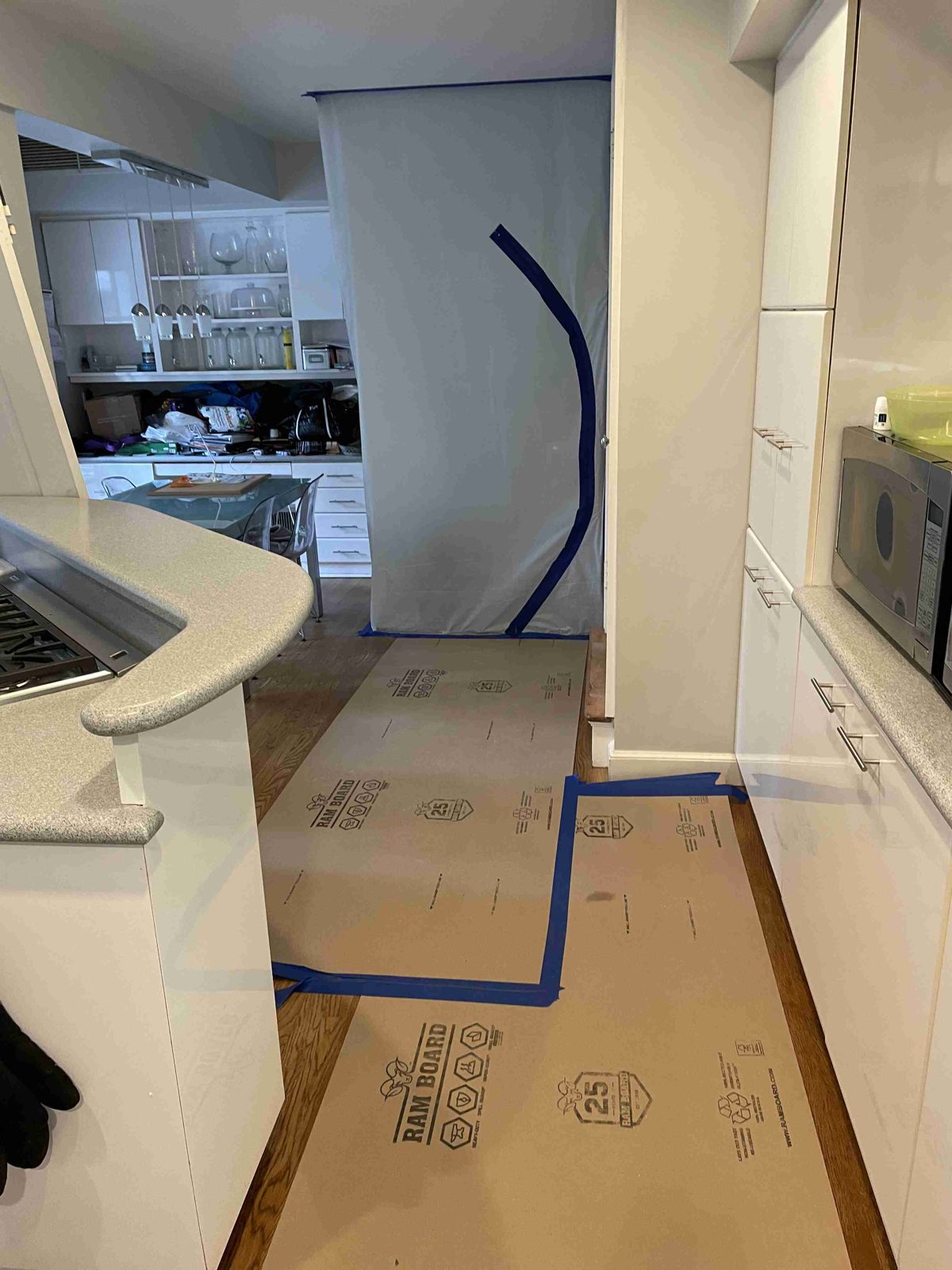
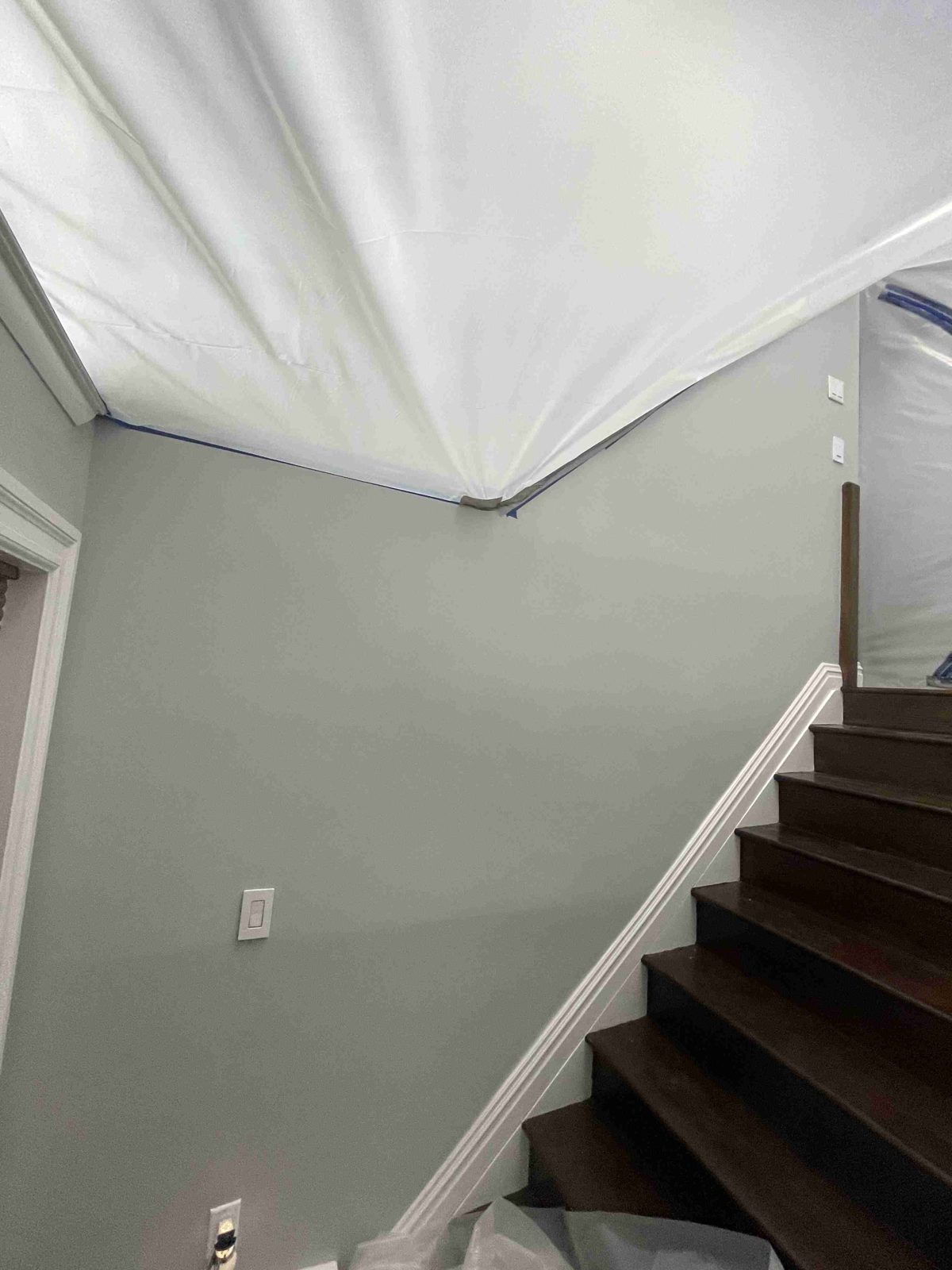
Textured or popcorn ceilings, acoustic coatings, and some glued ceiling tiles are the main ceiling group. Scraping a textured ceiling dry is a high-release method and should not be done as a DIY test. Light fixtures, smoke detectors, and the room below all have to be protected if that material is confirmed and removed. Water leaks and fire can loosen ceiling coatings and change how easily they shed.
The EPA overview of household products on protecting your family from asbestos lists many of the same flooring and ceiling materials and advises leaving them alone until they are checked.
Planning work around suspect asbestos material in Westchester County, NY? Bowerman Cleaning and Restoration answers 24/7.
What About Siding, Roofing, Plaster, and Joint Compound?
Short answer: cement-based siding and panels, some roofing felts and mastics, older plaster, and joint compound may contain asbestos. These products are often firmer than pipe insulation, but cutting, breaking, or sanding them is still a disturbance.
Asbestos-cement products, sometimes called transite, were used as siding shingles, soffit and fascia panels, and some flue or board products. They are relatively hard when intact. The risk rises when shingles are snapped, drilled, or broken during a siding or window project. Roofing felts, some flashing cements, and window glazing compounds from older houses can also belong on the suspect list.
Joint compound and some plasters used into the late 1970s may contain asbestos. That matters for any project that sands walls or cuts into plaster. The dust from sanding is fine and travels. A survey that only looks at floors and pipes can miss this group if walls and ceilings are part of the renovation.
How Do These Materials Differ in Fiber Release?
Short answer: friable insulation and damaged coatings release fibers more easily than intact, well-bound tile or cement products. The type of product, its condition, and the way it will be disturbed all affect the method used to handle it.
Friable materials can be crumbled by hand when dry. Pipe lagging, badly damaged ceiling texture, and loose vermiculite often fall in that group. Non-friable materials hold the fibers in a binder, as intact vinyl tile or cement siding usually do. That distinction is about risk and method, not about whether the material is asbestos. Either type still needs lab confirmation, and either type can be made worse by fire, water, or breakage.
Because types vary, a single house can need more than one method. Intact tile in a closet might be left in place or removed as a non-friable material, while crumbly pipe wrap in the same basement is removed under full containment. Why asbestos is dangerous explains the health reason for that care. For how the work is organized, see what is asbestos abatement and what is asbestos removal. The service page is asbestos removal and abatement.
Types of Asbestos Materials FAQs
What are the most common types of asbestos materials in a house?
Pipe and boiler insulation, vinyl floor tile and mastic, textured ceilings, cement siding, joint compound, and, in some attics, vermiculite insulation.
Is vermiculite the same as other asbestos insulation?
No. Vermiculite is a loose-fill attic or wall insulation that may be contaminated with asbestos. Pipe lagging and boiler jackets are different products and are handled as their own material types.
Can you tell the type by looking at it?
You can often recognize a product family, such as 9-inch floor tile or pebble-like attic fill, but only lab analysis confirms whether that sample contains asbestos.
Do non-friable materials need to be removed?
Not always. Intact, undisturbed material is often left in place. Removal is more likely when the material is damaged or sits in the path of renovation.
Which types release fibers most easily?
Dry, crumbly insulation and damaged ceiling coatings are typical high-release materials. Intact tile and cement products usually release less unless they are broken, sanded, or badly weathered.
Sorting through types of asbestos materials in a Westchester NY home? Bowerman Restoration LLC d/b/a Bowerman Cleaning & Restoration, 7 Intervale Street, White Plains, NY 10606, answers 24/7 at (844) 269-3762.