
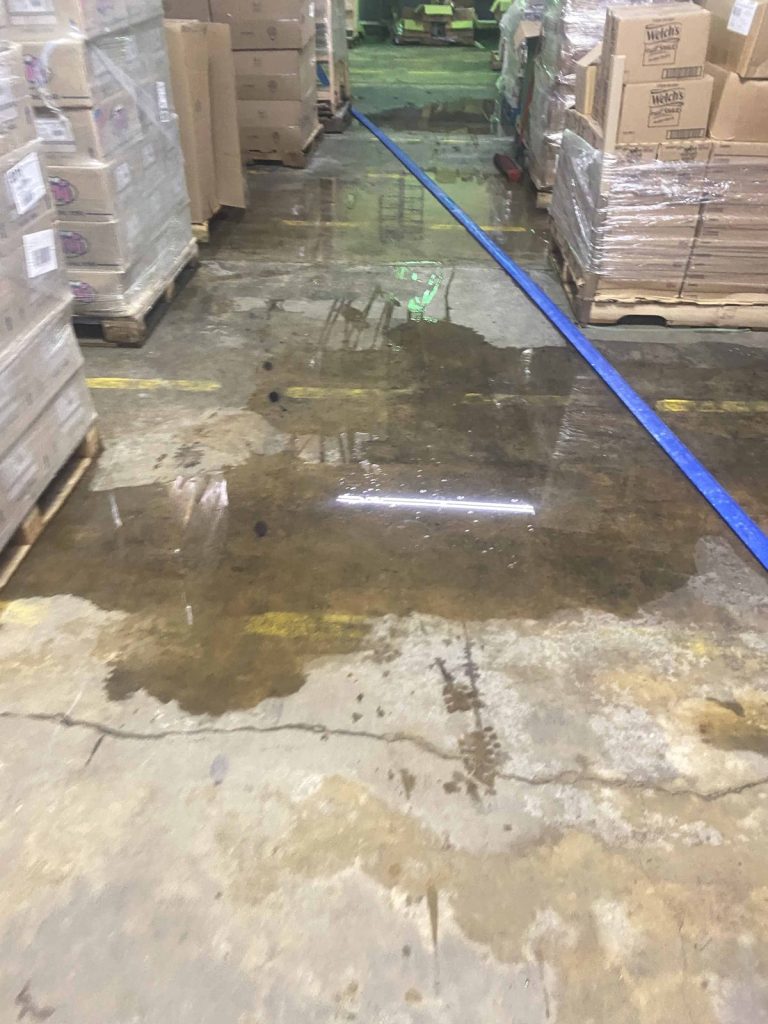
A typical sewage cleanup timeline in a NY home runs about one to two days for extraction, tear-out, cleaning, and disinfection, then roughly three to five days of drying. Rebuild comes after that and can take one to several weeks, depending on how much drywall, flooring, and cabinetry had to be removed.
Written by the Bowerman Cleaning and Restoration Team · August 20, 2026
Key Takeaways
- Day 1: stop the source, extract wastewater, and begin removing soaked porous materials.
- Days 1 to 2: finish tear-out, clean all remaining surfaces, and apply a registered disinfectant.
- Days 2 to 5 or so: run drying equipment and take daily readings until materials are dry.
- Rebuild starts only after clean, dry readings, and its length depends on what was removed.
In This Guide
- How Long Does Each Stage Take?
- What Makes a Sewage Cleanup Take Longer?
- Why Should the Drying Stage Not Be Rushed?
- How Can the Timeline Stay on Track?
- Sewage Cleanup Timeline FAQs
How Long Does Each Stage Take?
Short answer: the emergency work is measured in hours and days, the drying in days, and the rebuild in weeks.
| Stage | Typical time | What happens |
|---|---|---|
| Response and source control | First hours | Area closed off, inflow stopped, photos taken, line cleared by a plumber or municipality |
| Extraction | Hours to 1 day | Standing wastewater and solids removed |
| Tear-out | 1 to 2 days | Soaked carpet, pad, drywall, insulation, and some cabinetry removed and bagged |
| Cleaning and disinfection | Same day as tear-out or the next | Residue scrubbed off; registered disinfectant applied at label dwell time |
| Drying | About 3 to 5 days, sometimes longer | Air movers and dehumidifiers run; daily moisture readings |
| Rebuild | 1 to several weeks | Drywall, flooring, trim, and cabinets replaced; paint and finish |
These ranges are typical, not promises. A small backup in one bathroom may be cleaned and dry within a few days. A finished basement with built-ins can take longer at every stage. The live water damage restoration timeline shows the same stages for clean-water losses, where tear-out is often smaller. A full overview of the work is in what is sewage damage cleanup.
What Makes a Sewage Cleanup Take Longer?
Short answer: larger affected areas, delays before work starts, hidden wet materials, and waiting on the line repair or the insurance adjuster.
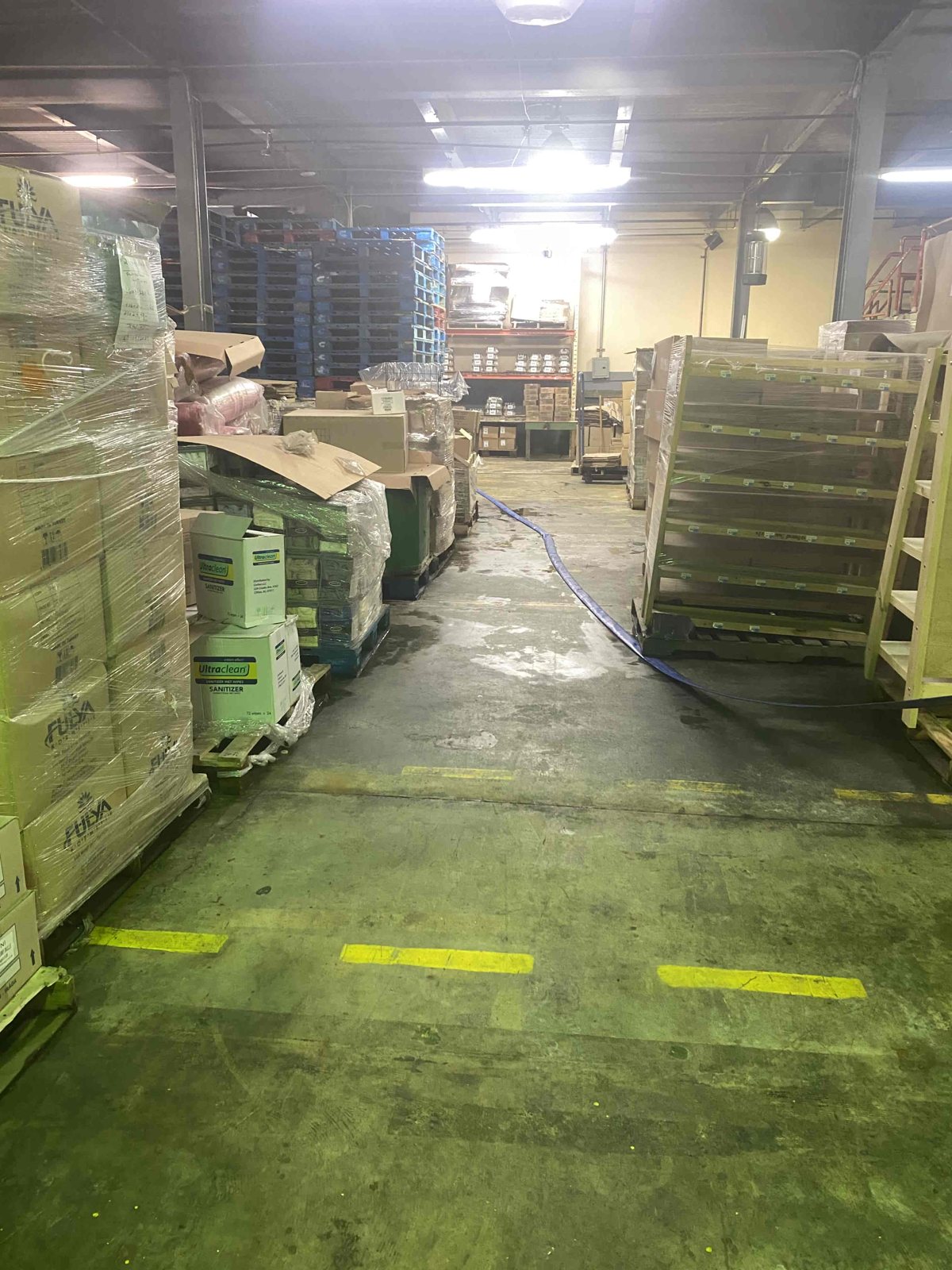
- Time before response: wastewater that sits soaks deeper and widens the removal area.
- Finished basements: built-ins, paneling, and multiple layers of flooring add tear-out time.
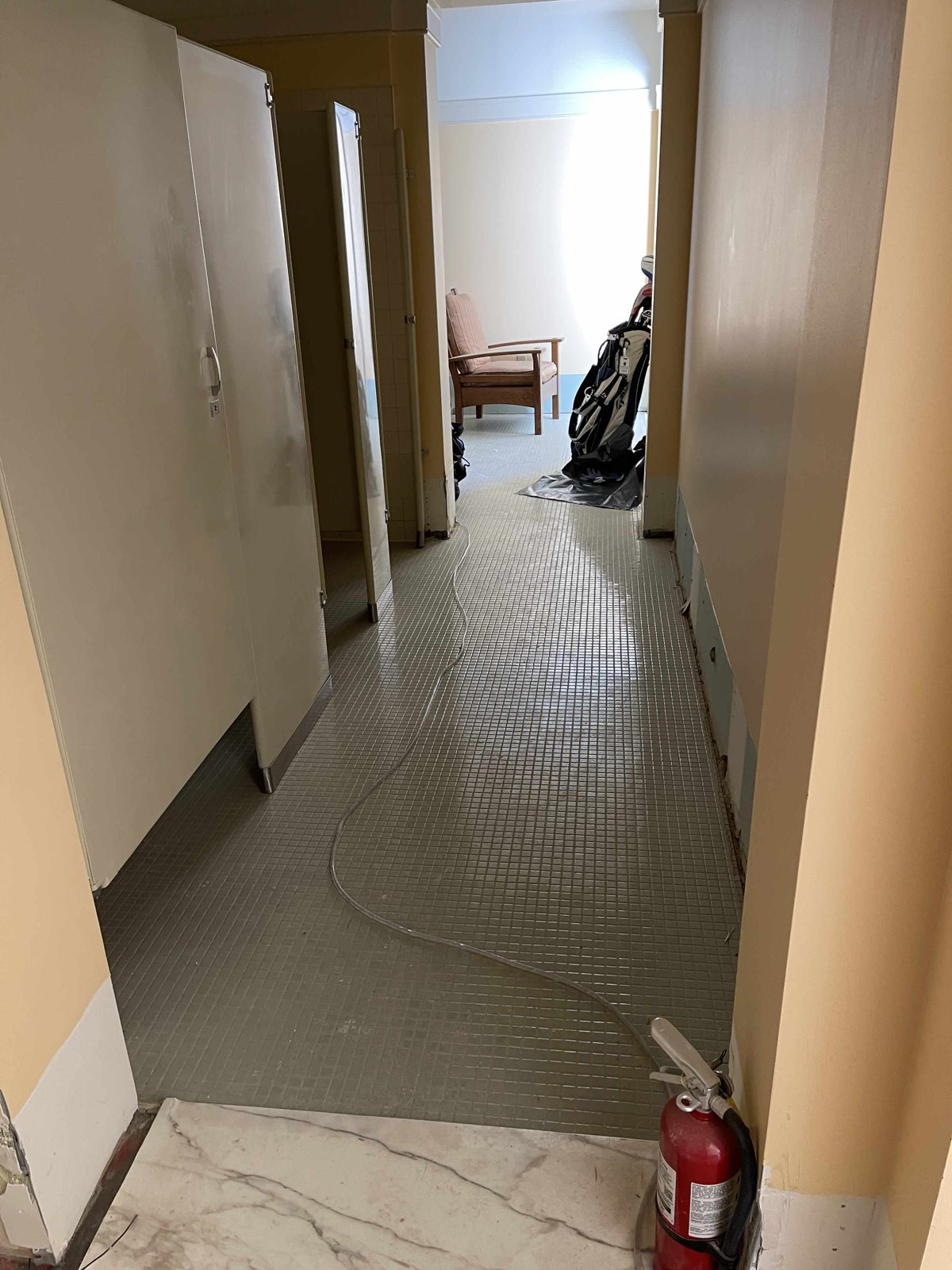
- Hidden moisture: water under cabinets, behind baseboards, or in wall cavities extends drying.
- Ongoing line problems: if the sewer line is not fixed, the backup can repeat.
- Claim review: some adjusters want to see the loss before materials leave the building.
- Material lead times: special-order flooring or cabinets can stretch the rebuild.
Hidden moisture is the most common surprise. The clues in hidden water damage signs apply here too, and the water damage drying process explains why drying is measured rather than guessed.
Sewage backup at a Westchester County, NY property? Bowerman Cleaning and Restoration answers 24/7.
Why Should the Drying Stage Not Be Rushed?
Short answer: because closing up wet framing or subfloor traps moisture and contamination behind new finishes.
It is tempting to hang new drywall as soon as the room looks dry. Framing and subfloor can still hold moisture for days after surfaces feel dry to the touch, and a sealed wall cavity slows drying almost to a stop. That is how odor and microbial growth come back weeks later. Readings should match a dry reference point before rebuild starts.
Disinfection also takes its own time. Each product has a label dwell time, the period the surface must stay wet for the product to work, listed for products on the EPA disinfectant lists. Skipping that wait saves minutes and can cost the result. Mold growth after water damage explains what happens when drying is cut short.
How Can the Timeline Stay on Track?
Short answer: call early, keep clear records, approve removals quickly, and keep the drying equipment running.
- Call the same day. A same-day start limits how far the wastewater spreads into porous materials.
- Notify the insurer early. Early contact lets the adjuster schedule a visit before tear-out or approve photos instead.
- Fix the line. Have the blockage or break repaired so the backup does not repeat mid-job.
- Leave the equipment on. Turning off air movers or dehumidifiers overnight adds days to drying.
- Plan rebuild materials early. Choosing flooring and cabinets during drying shortens the gap before rebuild.
The sewage damage cleanup and restoration page outlines the full scope, and water damage insurance coverage covers the claim steps that most often affect timing. OSHA guidance on flood response explains why crews take safety steps even when the clock is running.
Sewage Cleanup Timeline FAQs
How long does sewage cleanup take in a basement?
Often one to two days for extraction, tear-out, and disinfection, then several days of drying. Finished basements usually take longer than unfinished ones.
Can rebuild start the day after cleanup?
Only if readings confirm the framing and subfloor are dry, which is rare that soon. Most jobs need several days of drying first.
Why do the fans need to run day and night?
Drying depends on continuous airflow and moisture removal. Shutting equipment off lets moisture settle back into materials.
Does a bigger backup always take longer?
Usually, but timing also depends on materials. A large unfinished concrete area can dry faster than a small room with carpet, paneling, and built-ins.
Planning around a sewage cleanup timeline in Westchester NY? Bowerman Restoration LLC d/b/a Bowerman Cleaning & Restoration, 7 Intervale Street, White Plains, NY 10606, answers 24/7 at (844) 269-3762.