
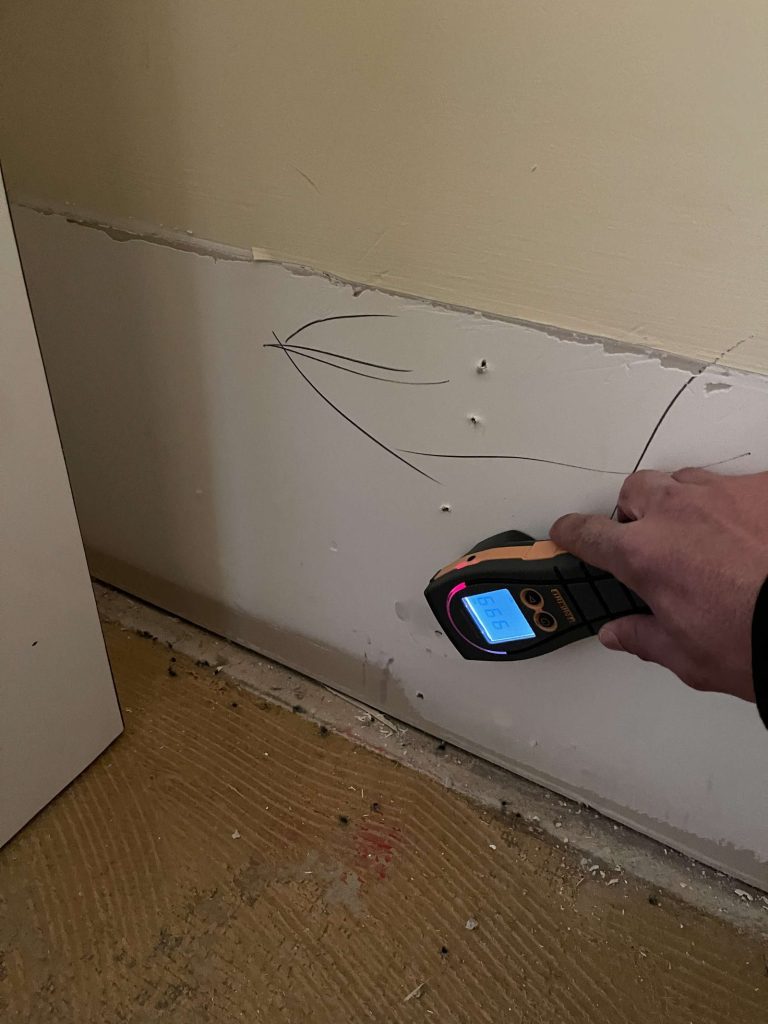
The most common hidden water damage signs are a musty smell, stains or bubbling paint, soft or warped floors, and a water bill that jumps for no reason. These clues mean water may be sitting inside a wall, ceiling or subfloor. In NY homes, a moisture inspection can confirm it before mold or rot sets in.
Written by the Bowerman Cleaning and Restoration Team · April 14, 2026
Key Takeaways
- A musty smell with no visible source is one of the earliest signs.
- Stains, bubbling paint and loose tiles often show up after the water has spread.
- A rising water bill can point to a leak you cannot see.
- Hidden water is confirmed with moisture meters and thermal cameras, without tearing into walls first.
In This Guide
- What Are the Signs of Hidden Water Damage?
- Where Does Hidden Water Damage Usually Start?
- How Is Hidden Water Found?
- Why Should You Act on Hidden Water Damage Quickly?
- Which Homes Are Most at Risk?
- Hidden Water Damage Signs FAQs
What Are the Signs of Hidden Water Damage?
Short answer: smells, stains, texture changes and unexplained water use. Look for these clues around the home:
| Sign | Where to look | What it may mean |
|---|---|---|
| Musty or earthy smell | Closets, basements, under sinks | Damp materials or early mold |
| Yellow or brown stains | Ceilings and upper walls | A leak from a bathroom, roof or pipe above |
| Bubbling or peeling paint | Walls near tubs, windows and exterior walls | Moisture behind the paint layer |
| Soft, warped or cupped floors | Kitchens, bathrooms, laundry rooms | Water under the flooring or subfloor |
| Loose tiles or failing grout | Showers and bathroom floors | Water getting behind the tile |
| Higher water bill | Your monthly statement | A leak in a supply line |
| Condensation or rust on pipes | Basements and utility rooms | Ongoing moisture near plumbing |
One sign alone may be minor. Two or more in the same area usually means it is time for a closer look.
Where Does Hidden Water Damage Usually Start?
Short answer: near plumbing, under appliances and wherever the roof or walls meet water. Water follows gravity and gaps, so it often appears far from the source.
- Behind and under the kitchen sink and dishwasher. Slow drips from supply lines and drain fittings.
- Around tubs, showers and toilets. Failed caulk, grout or wax rings.
- Behind the washing machine. Worn hoses can leak a little at a time.
- Ceilings below bathrooms. Water travels along joists before it shows a stain.
- Exterior walls and windows. Driving rain and ice dams can push water inside.
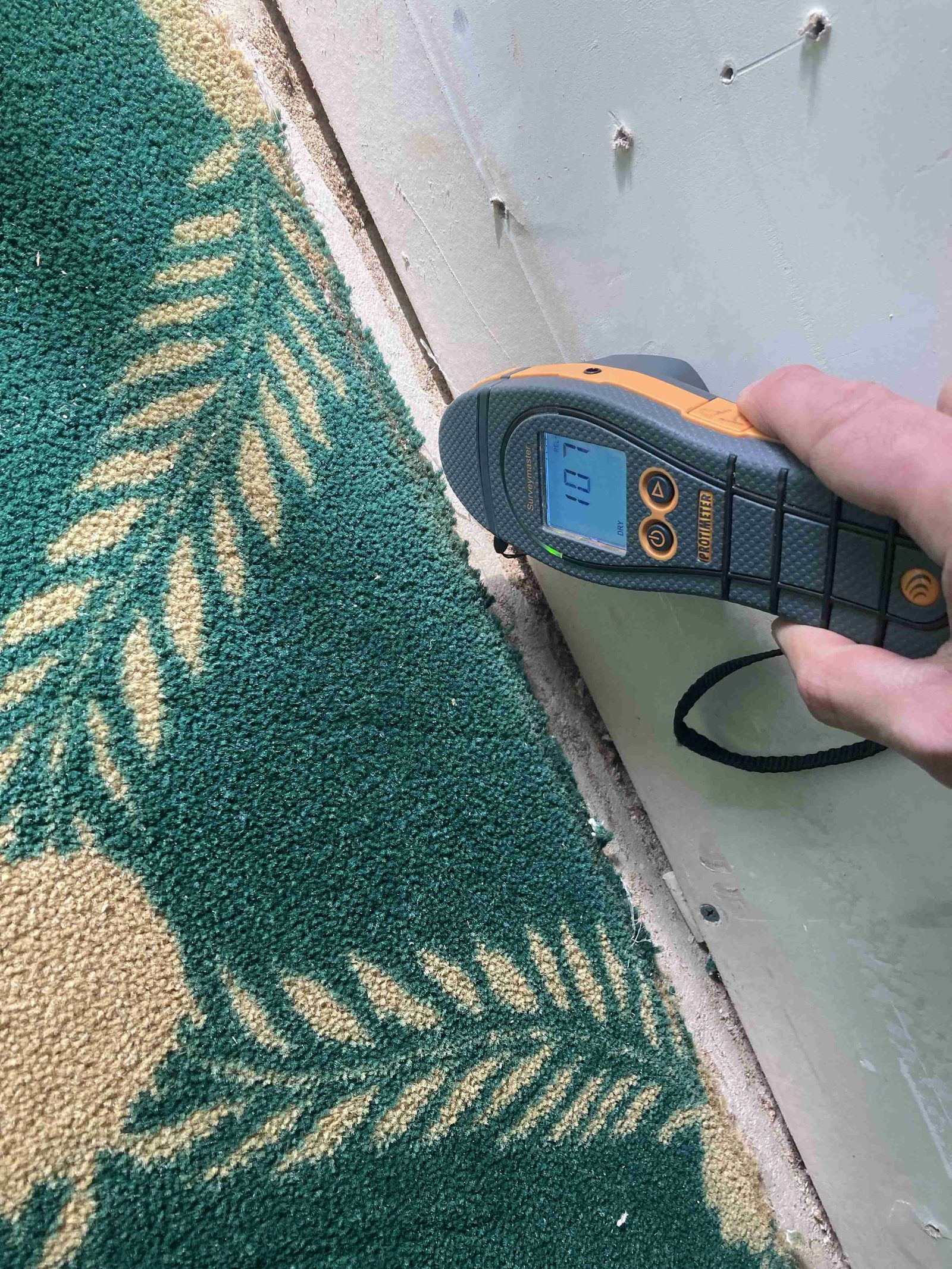
Ice dams are a common winter cause in New York. This article on ice dam water damage explains how roof ice leads to stains inside.
How Is Hidden Water Found?
Short answer: with moisture meters, thermal cameras and a careful inspection. A good inspection starts without demolition.
First, moisture meters are used on walls, floors and trim, and the readings are compared with a dry area of the home. Next, a thermal camera can show cooler zones that may be wet, which narrows the search. Then only what is needed gets opened, such as a baseboard or a small inspection hole.
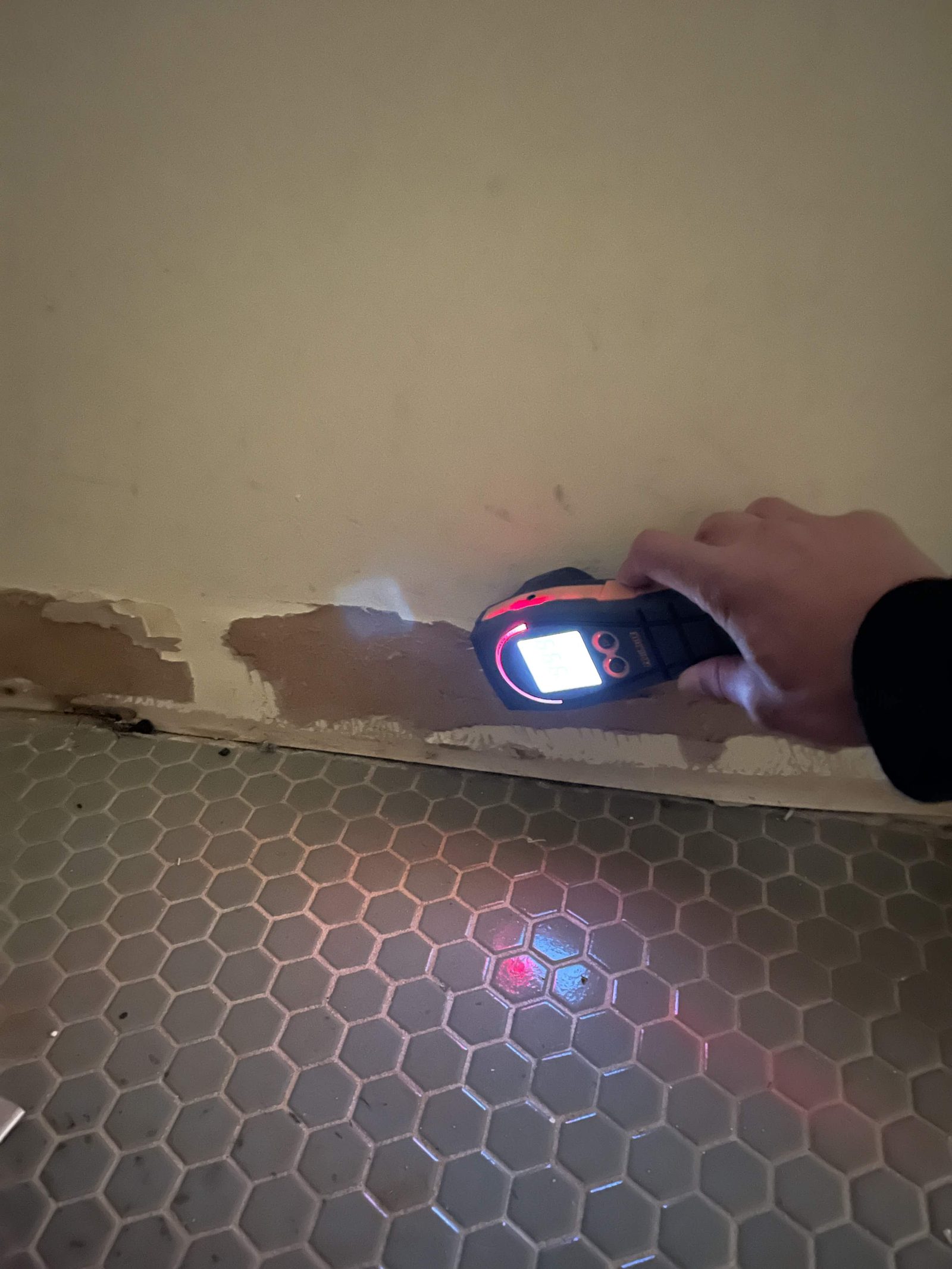
Once the wet area is mapped, drying can start. This overview of what water damage restoration is walks through the next steps.
Smell something musty or see a new stain? Bowerman Cleaning & Restoration can check it with moisture meters across Westchester County.
Why Should You Act on Hidden Water Damage Quickly?
Short answer: hidden water feeds mold and rot, and both get more expensive with time. Water you cannot see keeps working on drywall, wood and insulation.
The EPA’s guide to mold and moisture notes that the key to mold control is moisture control, and that wet materials should be dried within 24 to 48 hours. Slow leaks are also often excluded from insurance as gradual damage, so finding them early matters twice. For the long-term effects, read what happens if you don’t fix water damage. If mold is already present, this page on mold remediation explains what that process involves.
Which Homes Are Most at Risk?
Short answer: older homes, homes with finished basements and multi-unit buildings.
Older homes, common across the New York area, often have aging pipes and plaster that can hide moisture for a long time. Finished basements can hide water under carpet and behind drywall. In apartments and condos, a leak in one unit may first show up as a stain in the unit below.
Hidden Water Damage Signs FAQs
How can I tell if there is water behind a wall?
Look for stains, bubbling paint, soft drywall or a musty smell in one spot. Baseboards that pull away from the wall are another clue. A moisture meter gives a clear answer without opening the wall.
Can a home inspector find hidden water damage?
A home inspector may spot visible signs and suggest a closer look. A contractor who provides professional water damage restoration services can map how far the water spread with moisture meters and thermal cameras, then plan the drying.
Does a musty smell always mean mold?
Not always, but it usually means something is damp. Damp materials can grow mold if they stay wet. Finding and drying the source is the first step either way.
How do I check for a hidden plumbing leak?
Turn off every faucet and appliance, then watch your water meter for a short time. If the meter moves, water is flowing somewhere. A plumber can find the leak, and the wet area can then be dried.
Is hidden water damage covered by insurance?
It depends on the cause and how long it went on. Sudden leaks are often covered, while slow leaks are often excluded as gradual damage. Check your policy and report the problem as soon as you find it.
Can hidden water damage cause health problems?
Hidden moisture can lead to mold, which can trigger allergies and breathing problems in some people. Damp materials can also attract pests. Finding and drying the water early is the surest way to prevent these issues.
Need hidden water damage checked in Westchester County? Bowerman Restoration LLC d/b/a Bowerman Cleaning & Restoration, 7 Intervale Street, White Plains, NY 10606, answers 24/7 at (844) 269-3762.