
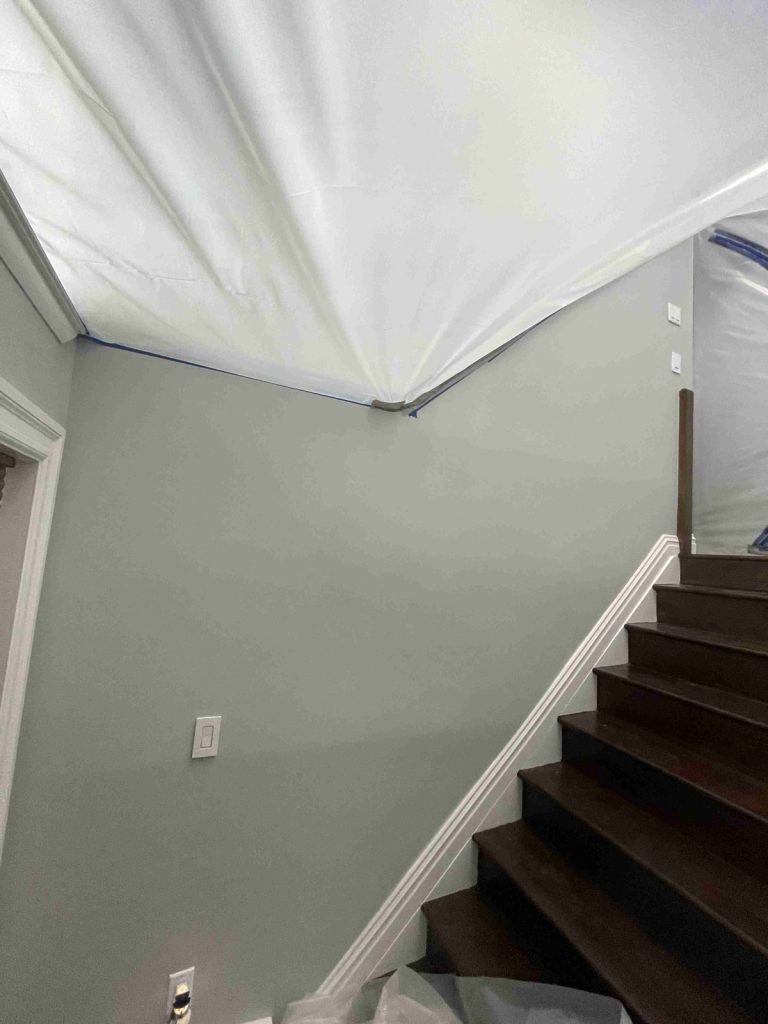
Asbestos abatement mistakes in NY homes usually start with good intentions: a quick scrape to see what is under the tile, a shop vac used to clean the dust, or a contractor who offers to take care of it on the side. Each of those choices can spread fibers into the rest of the house and turn a small, planned job into a much larger cleanup. The mistakes below are the ones that come up most often, along with the steps that prevent them.
Written by the Bowerman Cleaning and Restoration Team · July 31, 2026
Key Takeaways
- Never dry scrape, sand, or vacuum suspect material with household equipment.
- Do not skip the survey or treat a visual guess as a result.
- Confirm the contractor will follow NY asbestos project rules, including notifications and independent air sampling.
- Do not let containment come down without independent clearance, and do not put the waste in ordinary trash.
In This Guide
- What Are the Most Common Asbestos Abatement Mistakes?
- Why Do These Mistakes Matter?
- What If a Mistake Has Already Happened?
- What Should Be Done Instead?
- Asbestos Abatement Mistakes FAQs
What Are the Most Common Asbestos Abatement Mistakes?
Short answer: disturbing material before it is sampled, using the wrong tools, hiring an unqualified crew, and skipping clearance or proper disposal. Most of them are avoidable once the order of work is clear.
- Guessing instead of sampling. Assuming a material is or is not asbestos based on looks. An independent licensed inspector and an accredited lab give the answer.
- Dry scraping or sanding. Dry methods release far more fibers than wet removal inside containment.
- Using a shop vac or household vacuum. Ordinary vacuums are not a substitute for HEPA equipment used in abatement and can blow fibers through the exhaust.
- Leaving HVAC running. Forced air can carry dust from the work area into rooms that were never part of the job.
- Treating abatement as ordinary demolition. Not every renovation or demolition contractor is qualified to perform asbestos work under NY rules.
- Skipping independent air sampling. Containment should not come down without clearance from an independent firm.
- Throwing waste in the trash or a regular dumpster. Asbestos waste must be packaged, labeled, and taken to a permitted landfill.
A related mistake is starting the renovation first and calling for help only after dust is already on the floors. The EPA advice on protecting your family from asbestos is to leave suspect material alone until it is checked. That advice is easier to follow before the first tile is pried up.
Why Do These Mistakes Matter?
Short answer: fibers that escape a small area can settle in carpets, ducts, and furnishings, and the cleanup then grows much larger. Health risk is tied to exposure, so limiting release is the point of the process.
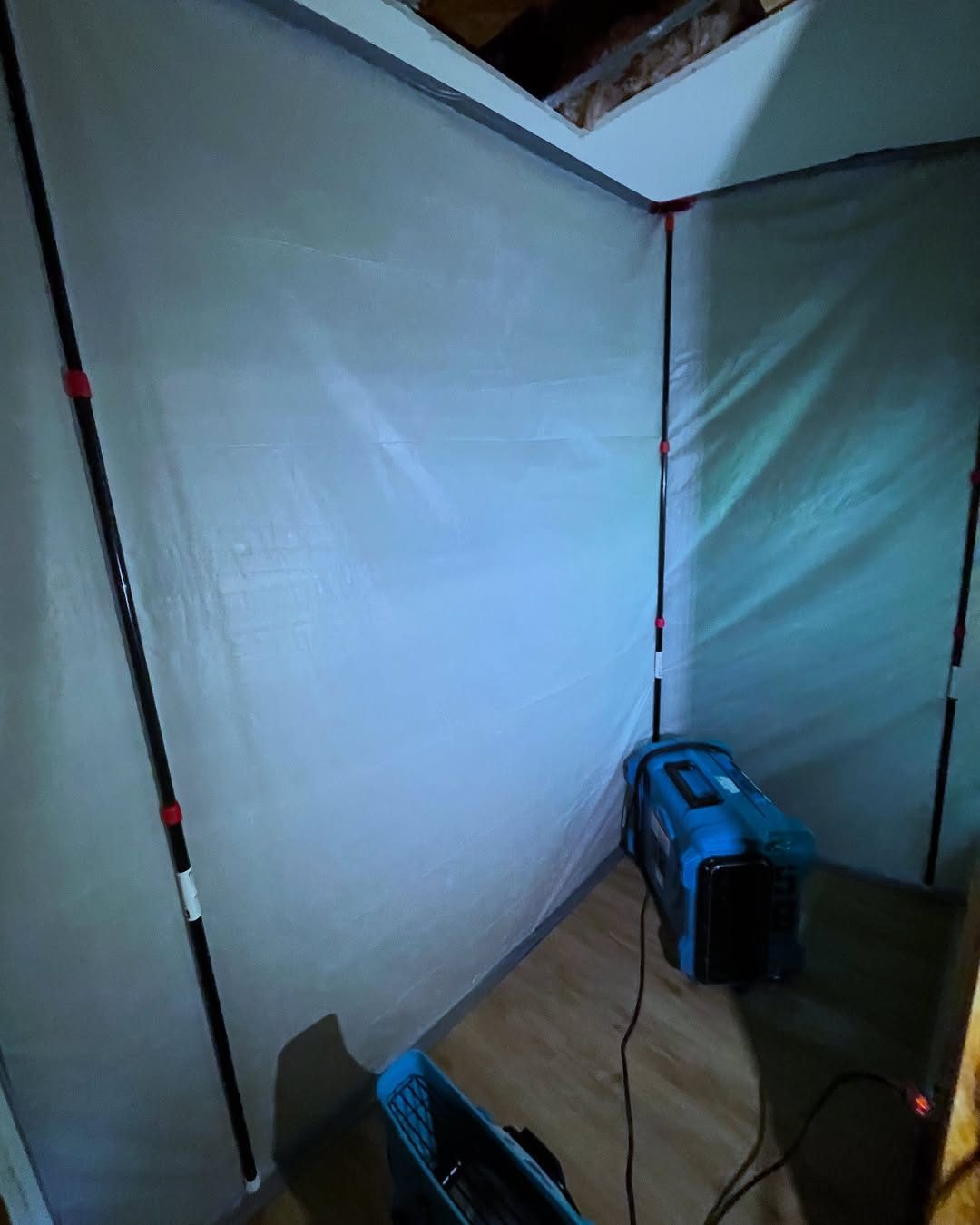
A contained job in one room can become a multi-room problem if dust is tracked down a hall, pulled through a return, or blown by a vacuum. Soft goods and horizontal surfaces collect what the air carries. Why asbestos is dangerous explains the health side, and how safe is asbestos removal describes the controls that keep the work inside the work area.
Mistakes also create paper problems. A sale, a refinancing, an insurance claim, or a building manager in a two-family house may ask what was done and how the waste left the site. A job with no survey, no clearance results, and no waste record is hard to explain later. The NYS Department of Labor asbestos program is the reference for what a NY project is supposed to include.
Planning work around suspect asbestos material in Westchester County, NY? Bowerman Cleaning and Restoration answers 24/7.
What If a Mistake Has Already Happened?
Short answer: stop the work, limit air movement, keep people out of the dusty area, and have the situation assessed. Do not try to “clean it up quickly” with a broom or a household vacuum.
If suspect material has already been scraped, swept, or vacuumed, the immediate steps are the same as any other unplanned disturbance: stop, close off the area, shut down HVAC that serves it, and leave the debris in place until a qualified firm and an independent inspector can look at it. The scope may then include cleaning rooms and contents that were not in the original plan.
Painting over damaged material is not a fix, and wetting a pile of debris is not a complete cleanup. Those actions can make later work harder without solving the spread that already occurred.
What Should Be Done Instead?
Short answer: survey first, use a firm that can perform asbestos abatement under NY rules, keep air sampling independent, and keep the records. A written scope that names each role is the simplest way to stay off this list.
- Have an independent licensed inspector sample before anyone cuts or sands.
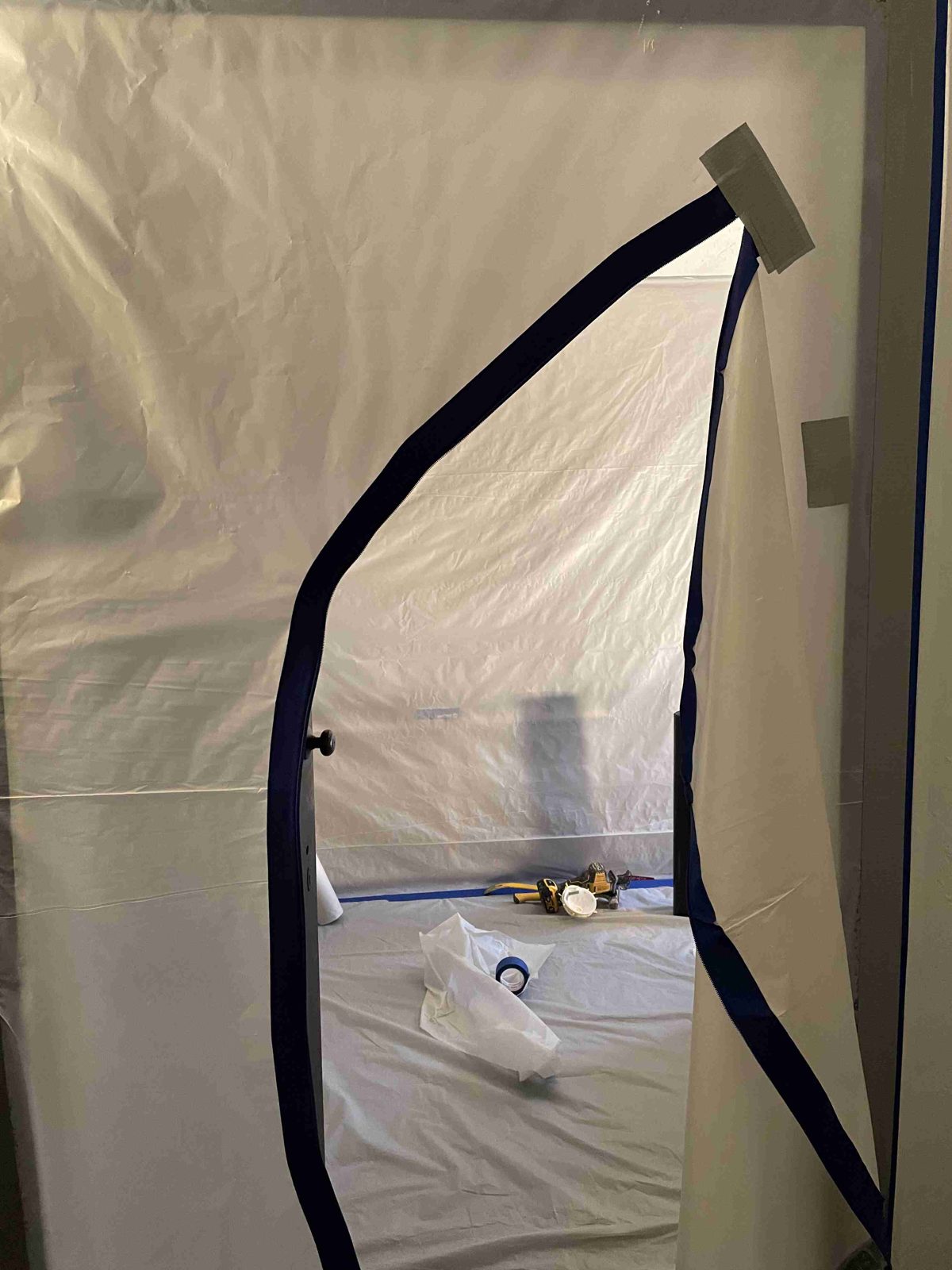
- Ask how containment, negative air, and a decontamination unit will be set up, as described in how asbestos abatement is done.
- Confirm who will perform independent clearance air sampling and when.
- Ask where the waste will go and request a copy of the shipment record.
The pillar what is asbestos abatement covers the full process. For the service, see asbestos removal and abatement.
A written scope also prevents a quieter mistake: starting work with no one named to handle notifications, waste, or clearance. Those items can be assumed by the owner, or assumed by the contractor, and then done by neither. Before the start date, the file should already include the survey, the method for each material, the plan for containment, the name of the independent air sampling firm, and the destination for the waste. If any of those pieces is missing, it is easier to fix on paper than after the first wall is opened.
Asbestos Abatement Mistakes FAQs
Is it a mistake to paint over asbestos?
Ordinary painting is not a planned encapsulation and may not hold on damaged material. Have the material assessed first.
Can a few floor tiles be removed without a contractor?
Disturbing asbestos tile can release fibers, and NY regulates abatement work. The material should be sampled and the project planned before anyone pries tiles up.
What if dust has already spread?
Stop, isolate the area, shut off HVAC serving it, and have a qualified firm and an independent inspector assess what cleanup is needed.
Is wetting the material enough to make a do-it-yourself job safe?
Wetting helps during professional work, but it does not replace containment, negative air, proper protective equipment, cleaning, clearance, or legal disposal.
How can an owner tell the job was done correctly?
Independent clearance air sampling results and a waste shipment record are the key documents, along with a scope that matches what was actually removed or sealed.
Want to avoid asbestos abatement mistakes in a Westchester NY home? Bowerman Restoration LLC d/b/a Bowerman Cleaning & Restoration, 7 Intervale Street, White Plains, NY 10606, answers 24/7 at (844) 269-3762.