
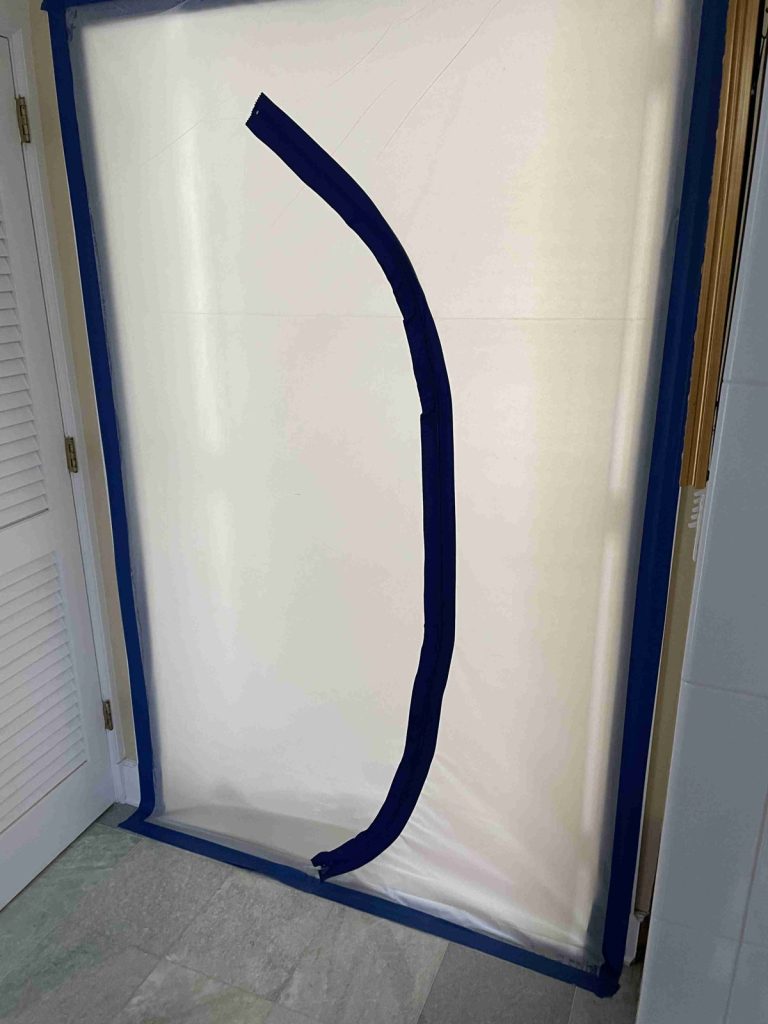
Asbestos abatement vs asbestos disposal comes down to two stages of one job in NY. Abatement is the controlled work of removing, enclosing, or encapsulating asbestos-containing material inside a building. Disposal is what happens after: sealed, labeled waste is transported to a landfill permitted to accept it, with paperwork tracking every bag.
Written by the Bowerman Cleaning and Restoration Team · August 11, 2026
Key Takeaways
- Abatement happens inside the building: containment, wet removal or encapsulation, cleanup, and independent air clearance.
- Disposal starts once waste is sealed: labeling, a waste manifest, transport, and a permitted landfill.
- A job is not finished when the bags are full. It is finished when the disposal paperwork comes back complete.
- Testing and clearance air sampling are handled by an independent inspector or lab, not by the crew doing the removal.
In This Guide
- How Do Abatement and Disposal Differ?
- Where Does Abatement End and Disposal Begin?
- Which Rules Apply to Each Stage?
- Why Does the Difference Matter to a Property Owner?
- Asbestos Abatement vs Asbestos Disposal FAQs
How Do Abatement and Disposal Differ?
Short answer: abatement controls the material where it sits; disposal controls the waste after it leaves the work area.
| Question | Asbestos abatement | Asbestos disposal |
|---|---|---|
| Where it happens | Inside the building, behind containment | From the waste load-out to the landfill |
| Main goal | Remove, enclose, or encapsulate material without releasing fibers | Move sealed waste to a site that is permitted to accept it |
| Typical tasks | Barriers, negative air, wetting, removal, HEPA cleanup | Double bagging, labeling, manifest, transport, landfill receipt |
| Key records | Survey results, project notification, air monitoring results | Waste shipment record and landfill receipt |
| When it is done | Work area passes visual and air clearance | Signed manifest copy comes back from the landfill |
Abatement is the umbrella term. It covers full removal, but it also covers enclosure (building an airtight cover over material that stays in place) and encapsulation (sealing material with a coating so it does not shed). Disposal only applies to material that actually leaves the building. A pipe wrap that is encapsulated in place creates little or no disposal; a floor tile tear-out creates a lot.
For a broader view of the abatement side, what asbestos abatement is explains the whole service, and asbestos removal vs asbestos abatement covers why removal is only one abatement option.
Where Does Abatement End and Disposal Begin?
Short answer: at the waste load-out, when sealed and labeled bags pass out of the work area.
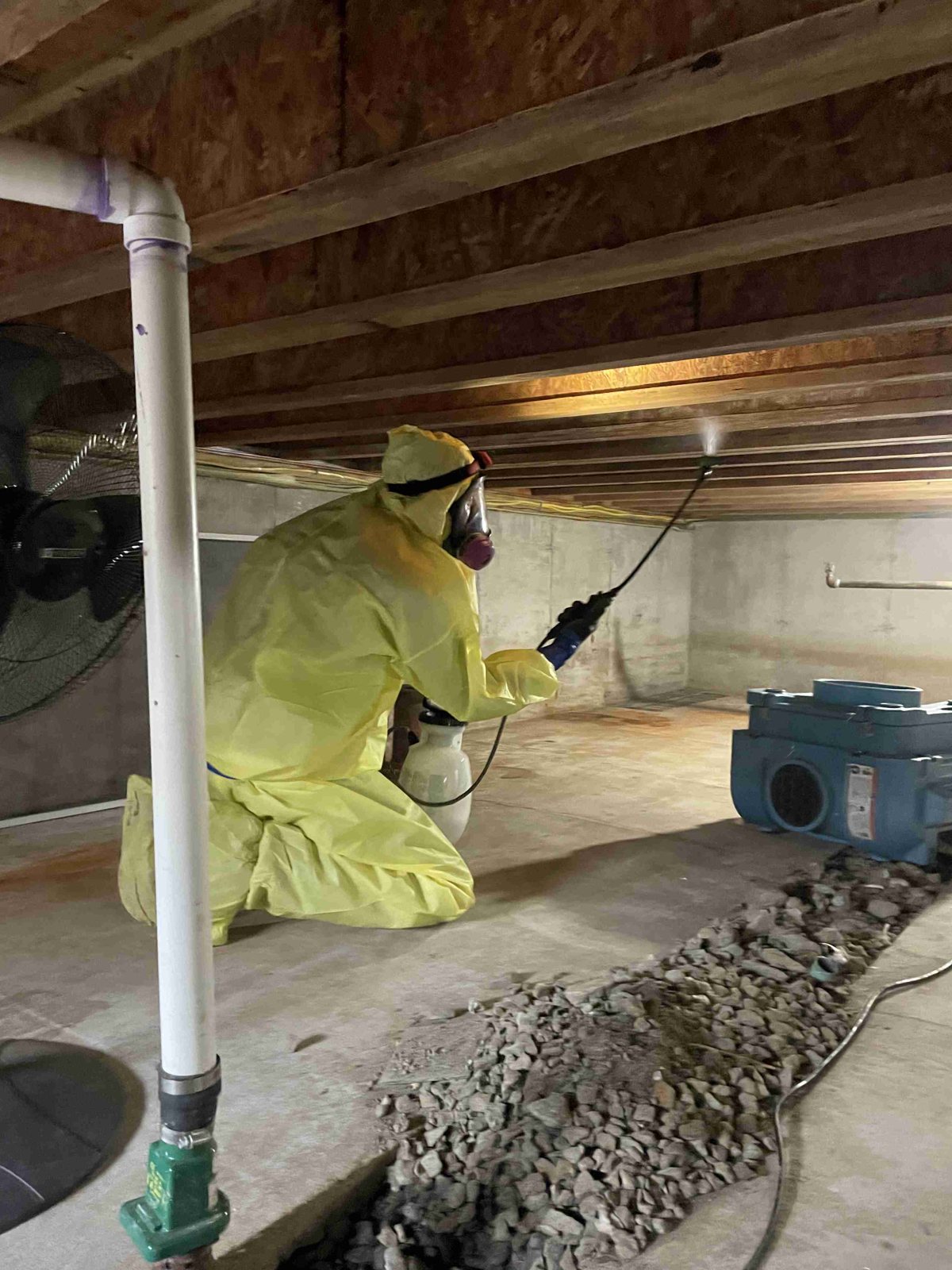
Inside containment, removed material is kept wet and placed in heavy, leak-tight bags. The outside of each bag is cleaned, then the bag goes into a second bag or a sealed container in a decontamination step before it leaves. That handoff is the bridge between the two stages. Everything before it is abatement work. Everything after it is disposal.
- Wet and bag. Material is misted as it is removed so fibers stay bound, then placed directly into rated waste bags.
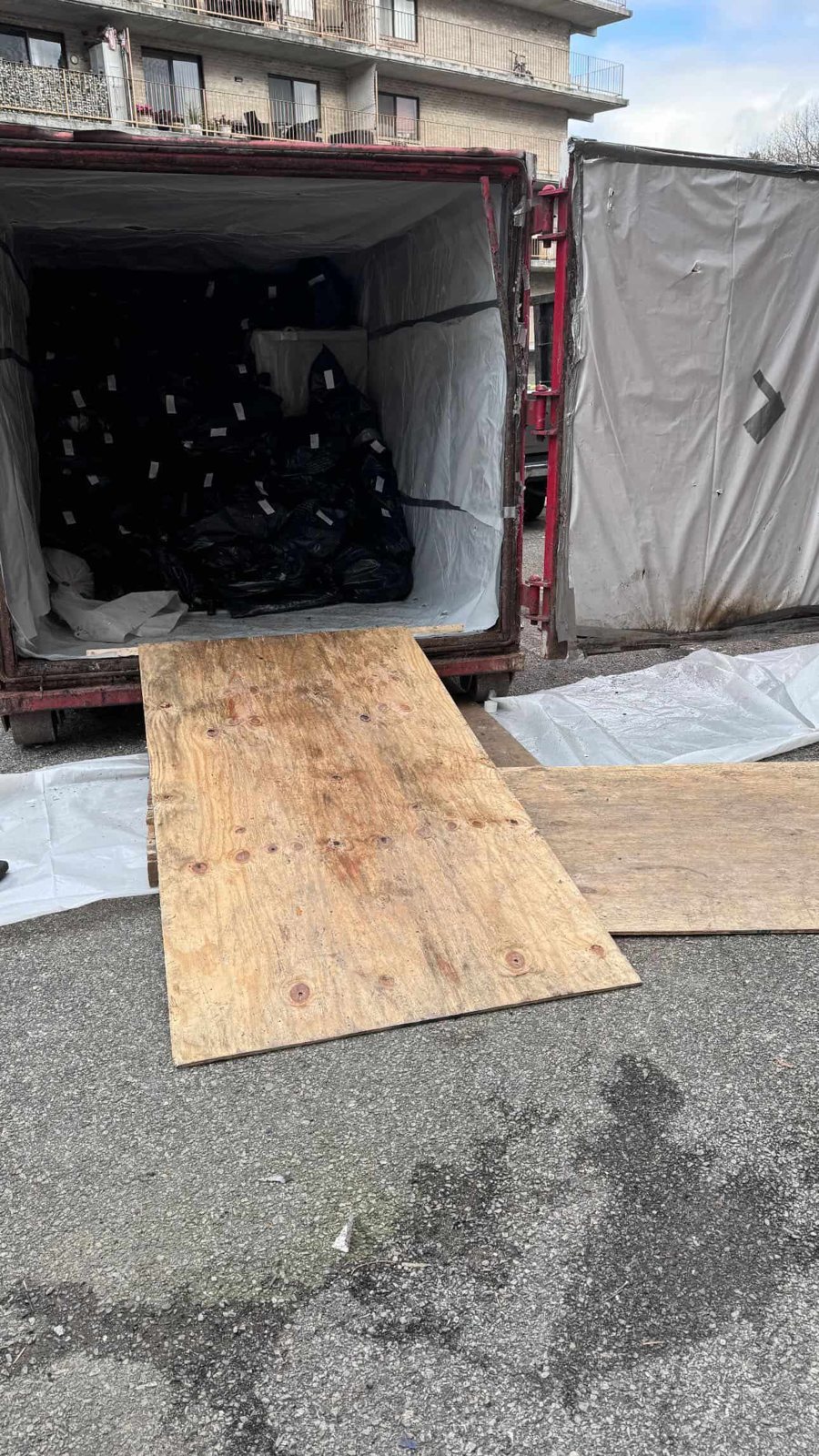
- Seal and label. Bags are goose-necked, taped, and labeled with the required asbestos warning and generator information.
- Clean and double. Each bag is wiped or HEPA-vacuumed and placed in a second bag at the load-out.
- Stage securely. Sealed waste is held in a locked, covered container until pickup, not left in an open dumpster.
- Transport and document. A waste shipment record travels with the load, and the landfill returns a signed copy.
The step by step view of the indoor work is laid out in the step by step asbestos abatement process, and asbestos containment explains the barriers that keep the work area sealed until load-out.
Planning asbestos work in Westchester County, NY? Bowerman Cleaning and Restoration answers 24/7.
Which Rules Apply to Each Stage?
Short answer: New York State rules shape the abatement work, while federal and state waste rules shape how the waste is packaged, shipped, and received.
In New York, the Department of Labor Asbestos Control Bureau oversees asbestos projects under Industrial Code Rule 56. That code covers surveys, project notifications for larger jobs, contractor and worker requirements, and the work methods used inside the building. It is the abatement rulebook.
Disposal leans on waste rules as well. The EPA asbestos NESHAP sets federal requirements for wetting, sealing, labeling, and recordkeeping when regulated asbestos waste is shipped. Landfills that accept asbestos waste have their own acceptance conditions. The asbestos disposal requirements guide goes deeper on the packaging and paperwork side.
Who Tests the Material?
Testing is a separate role. Before work starts, a survey by an independent inspector and a lab identifies which materials contain asbestos. After work ends, clearance air sampling is done by an independent party. The company doing the removal does not test materials or provide clearance sampling, and the abatement crew should not be grading its own work.
Why Does the Difference Matter to a Property Owner?
Short answer: because a job can look clean and still leave the owner exposed if the disposal side is skipped or undocumented.
Owners are often listed as the waste generator. If bags are tossed in a regular dumpster or hauled to the wrong site, the problem can trace back to the property. Ask for the waste shipment record and the landfill receipt as part of the closeout package, alongside the clearance results.
- Ask how waste is staged on site and whether the container locks.
- Ask which landfill will receive the waste.
- Ask for copies of the signed manifest when the job closes.
- Ask whether disposal is included in the estimate or billed separately.
Disposal fees, transport, and container rental are part of total job cost, which is one reason two estimates can look so different. Asbestos removal cost explains the other cost drivers, and asbestos abatement mistakes lists shortcuts to watch for, including loose bags and missing paperwork. The asbestos removal and abatement service page outlines how a full project is scoped.
Asbestos Abatement vs Asbestos Disposal FAQs
Is asbestos disposal part of abatement?
It is the final stage of most abatement projects that remove material. The estimate should say whether transport and landfill fees are included.
Can asbestos waste go in a regular dumpster?
No. Regulated asbestos waste must be sealed, labeled, and sent to a landfill that is permitted to accept it, with a shipment record.
Does encapsulation create disposal waste?
Very little. Encapsulation leaves the material in place under a sealant, so there is usually only a small amount of waste from prep and cleanup.
Who keeps the disposal paperwork?
The contractor and the owner should both keep copies of the waste shipment record and the landfill receipt with the clearance results.
Can a homeowner bag and haul asbestos waste?
Rules vary by situation, and improper handling can spread fibers. Most owners in NY leave both removal and disposal to an asbestos contractor that meets New York requirements.
Sorting out asbestos abatement vs asbestos disposal for a Westchester NY property? Bowerman Restoration LLC d/b/a Bowerman Cleaning & Restoration, 7 Intervale Street, White Plains, NY 10606, answers 24/7 at (844) 269-3762.