
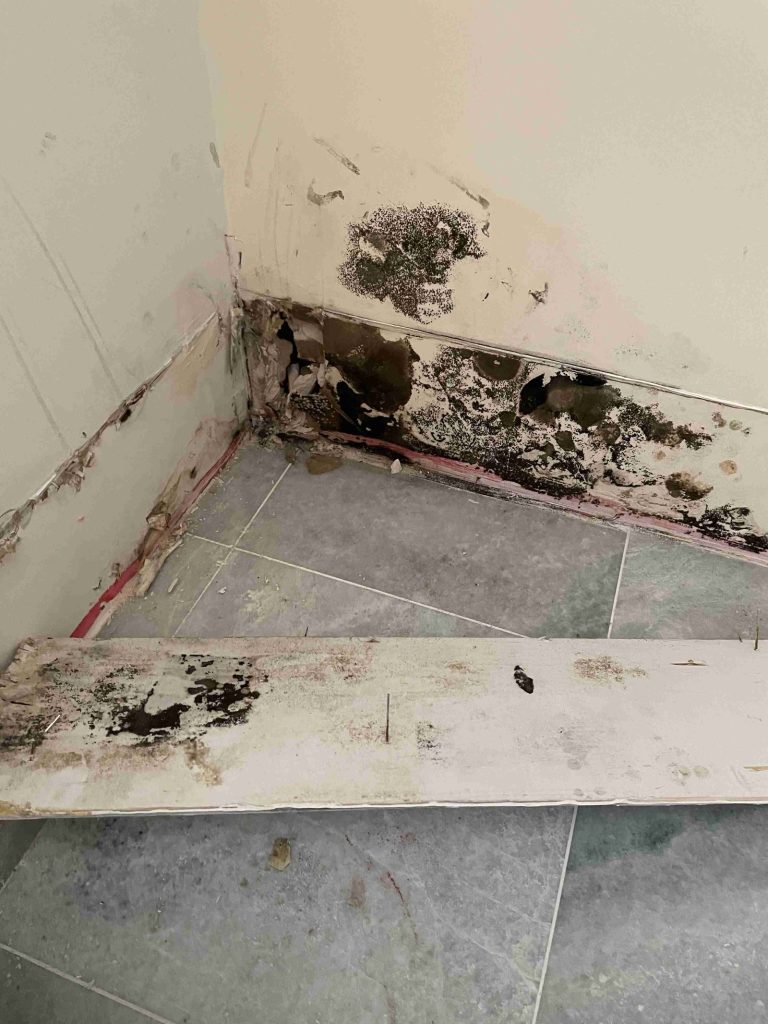
Common places for mold in a NY home are the rooms and cavities that stay damp: bathrooms, basements, crawl spaces, attics, under sinks, and around windows or HVAC closets. A visible bathroom stain is easy to notice. The same conditions can sit behind a finished basement wall or under attic insulation with much less warning.
Written by the Bowerman Cleaning and Restoration Team · May 22, 2026
Key Takeaways
- Mold shows up where moisture lingers: baths, basements, attics, crawl spaces, and hidden cabinets or cavities.
- A finished basement or an attic in a Westchester County, NY house can hide growth behind everyday finishes.
- Finding the room is only half of the job. The moisture source in that room still has to be identified.
- A musty closet or a damp stairwell can be as relevant as the tub surround that everyone checks first.
In This Guide
- Where Does Mold Most Often Appear in a House?
- Why Are Basements and Crawl Spaces Frequent Locations?
- Why Do Attics Show Up on This List?
- What Less Obvious Places Are Worth Checking?
- Common Places for Mold FAQs
Where Does Mold Most Often Appear in a House?
Short answer: in rooms and cavities that stay damp, not only on the one wall everyone can see. Checking only the tub tile can miss a larger problem one floor away.
| Place | Why moisture collects there | What often gets overlooked |
|---|---|---|
| Bathrooms | Leaks, steam, and tight vanities | The wall behind the vanity and the ceiling of the room below |
| Basements | Seepage, humidity, and past floods or backups | The back of finished walls and the bottom of stairs |
| Attics | Roof leaks, ice dams, and warm indoor air leaking up | Insulation and the underside of the roof deck |
| Crawl spaces | Ground moisture and limited air movement | Joists and insulation facing the soil |
| Kitchens and laundry rooms | Sinks, dishwashers, standpipes, and supply lines | Cabinets, kick spaces, and the back of appliances |
| Windows and closets | Condensation and still air | The lower corners of sashes and the back wall of a closet |
The EPA brief guide encourages looking for moisture in exactly these kinds of places. What mold remediation is then depends on how far the growth has gone in that location. Professional mold remediation services are scoped to that location, not as a one-size treatment for the whole house.
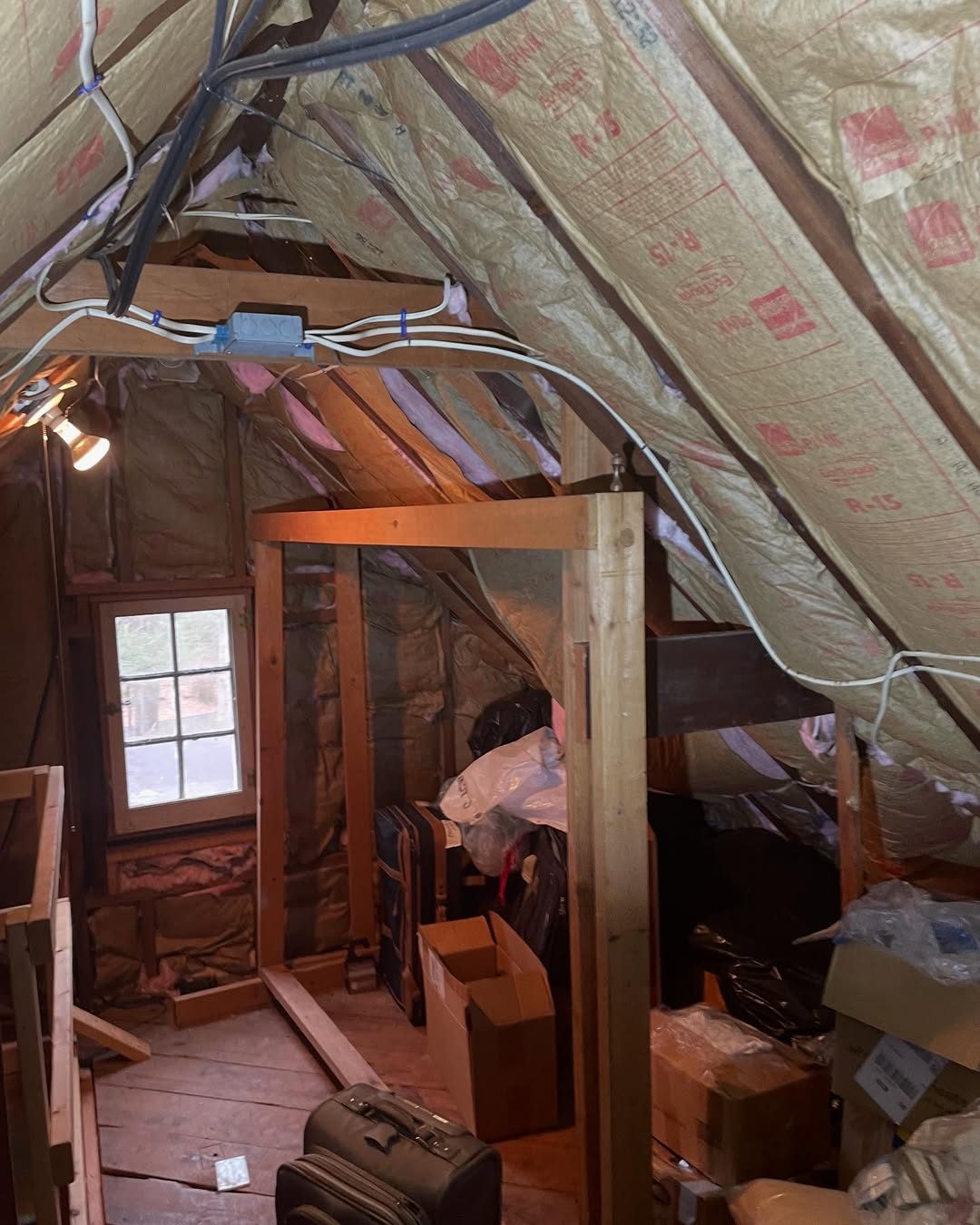
Why Are Basements and Crawl Spaces Frequent Locations?
Short answer: they are cooler, closer to groundwater, and more likely to have been wet in a past storm or backup. Finished basements add another layer, because growth can sit behind the new wall.
A useful companion after a storm is what mold remediation in a finished basement involves. For spaces under the house, see what crawl space mold remediation involves after flooding. In both cases, the visible room or the hatch opening may look better than the framing or insulation beyond it.
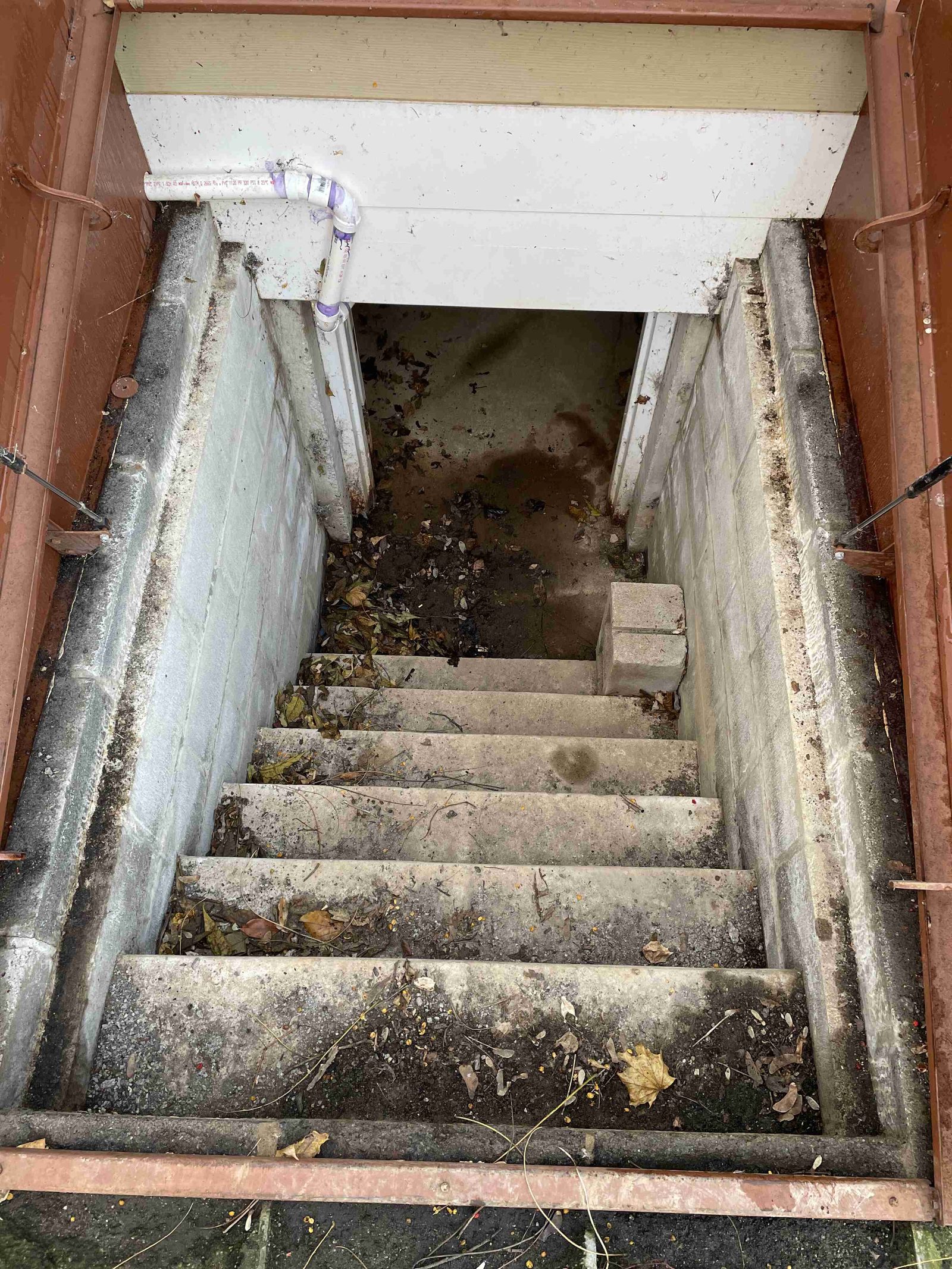
Why Do Attics Show Up on This List?
Short answer: roof leaks, ice dams, and bathroom exhaust can wet insulation and decking that no one sees day to day. A musty hatch or stained attic hatch trim is a reason to look above, not only at the ceiling paint.
Mold-affected insulation removal in Scarsdale, NY describes one common attic outcome: the insulation is taken out because it cannot be cleaned in place. Westchester winters also make ice dams a regular moisture source along the eaves.
Questions about a mold problem in Westchester County, NY? Bowerman Cleaning & Restoration answers 24/7.
What Less Obvious Places Are Worth Checking?
Short answer: HVAC closets, window corners, behind large furniture on an exterior wall, and the ceiling below a bathroom. Still air and a cold surface are often all it takes if humidity is high.
- The closet or chase that holds a mechanical unit, where condensate lines and coils can leak.
- The wall or ceiling under a bathroom, especially under a tub or shower.
- The back side of furniture left tight to a basement or exterior wall.
- Window sills and lower drywall returns that collect condensation in winter.
- Laundry standpipes, washer hoses, and the floor under a front-loading machine.
If several of these spots are damp at once, the house may have a broader humidity or drainage problem, not only a single fixture leak. Walking the house with that in mind (bath, basement, attic hatch, and the room under a bathroom) usually gives a clearer picture than checking only the most obvious stain. In New York, a formal written scope for remediation work should come from an independent mold assessor, not from the company that will do the remediation on that project.
Common Places for Mold FAQs
Is the bathroom always the first place to look?
It is a reasonable first stop, but it is not the only one. Basements, attics, and the room under a bath are frequent second looks, especially if a musty odor is not coming from the tile.
Can mold grow in a closet that never had a leak?
Yes, if the closet stays humid or shares a wall with a damp space. Still air and a cold exterior wall can be enough.
Are crawl spaces only a problem after a flood?
No. Ground moisture and limited ventilation can keep wood and insulation damp without a single dramatic event.
Should every room with a past leak be opened?
Not automatically. Staining, odor, moisture readings, and the history of the leak help decide. In NY, an independent assessor typically defines that scope if remediation will follow.
Does a dehumidifier in the basement mean those other places are fine?
It can help a damp basement room, but it does not dry an attic, a wall cavity, or a crawl space on its own.
Have questions about common places for mold in a Westchester NY home? Bowerman Restoration LLC d/b/a Bowerman Cleaning & Restoration, 7 Intervale Street, White Plains, NY 10606, answers 24/7 at (844) 269-3762.