
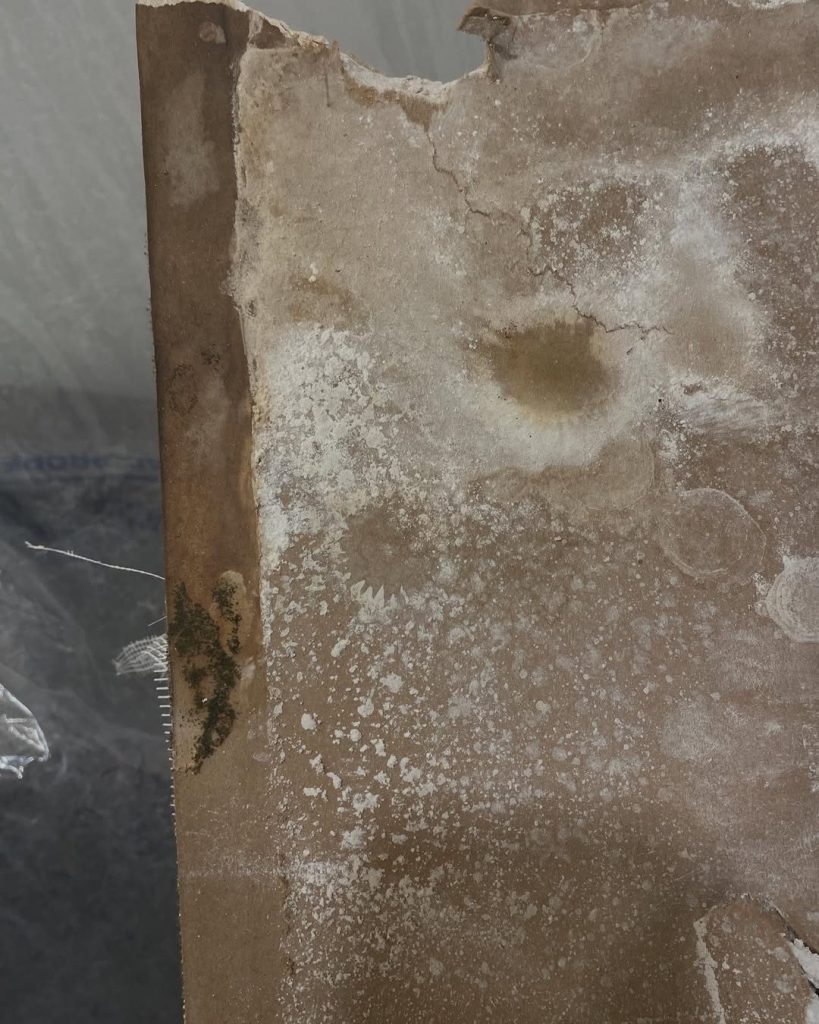
Signs of mold growth are often visible stains, a musty odor, or finishes that stay damp or keep failing in the same spot. In NY homes, those clues can appear in a bathroom, a basement, or an attic long before anyone opens a wall. A symptom such as a cough is not, by itself, a way to diagnose mold.
Written by the Bowerman Cleaning and Restoration Team · May 21, 2026
Key Takeaways
- Look for staining, fuzzy or discolored growth, a musty odor, and finishes that stay damp.
- A smell can appear before a stain is obvious, especially in a closet, a cavity, or a basement corner.
- Peeling paint or a recurring stain in the same place is a moisture clue, not only a decorating issue.
- Health symptoms are not a reliable stand-alone test for mold. A doctor is the right source for those questions.
In This Guide
- What Are the Visible Signs of Mold Growth?
- What Signs Suggest Mold May Be Hidden in a Wall?
- Is a Musty Smell Enough to Say There Is Mold?
- Are Physical Symptoms a Reliable Sign of Mold?
- Signs of Mold Growth FAQs
What Are the Visible Signs of Mold Growth?
Short answer: discolored or fuzzy patches, staining along a damp line, and finishes that keep failing in the same area. Growth can be many colors. Black, green, white, or brown patches are all reasons to look at moisture, not to guess a species.
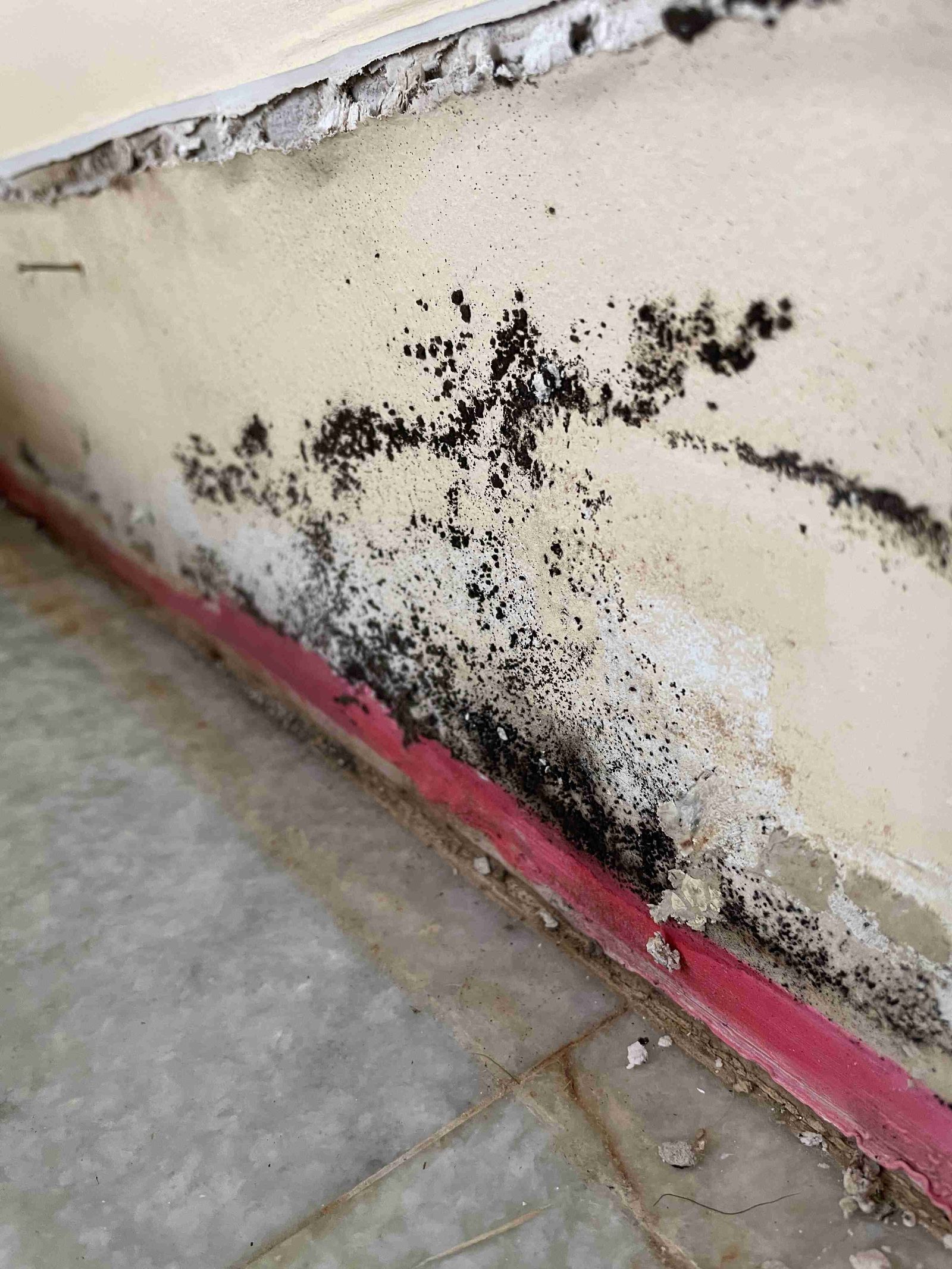
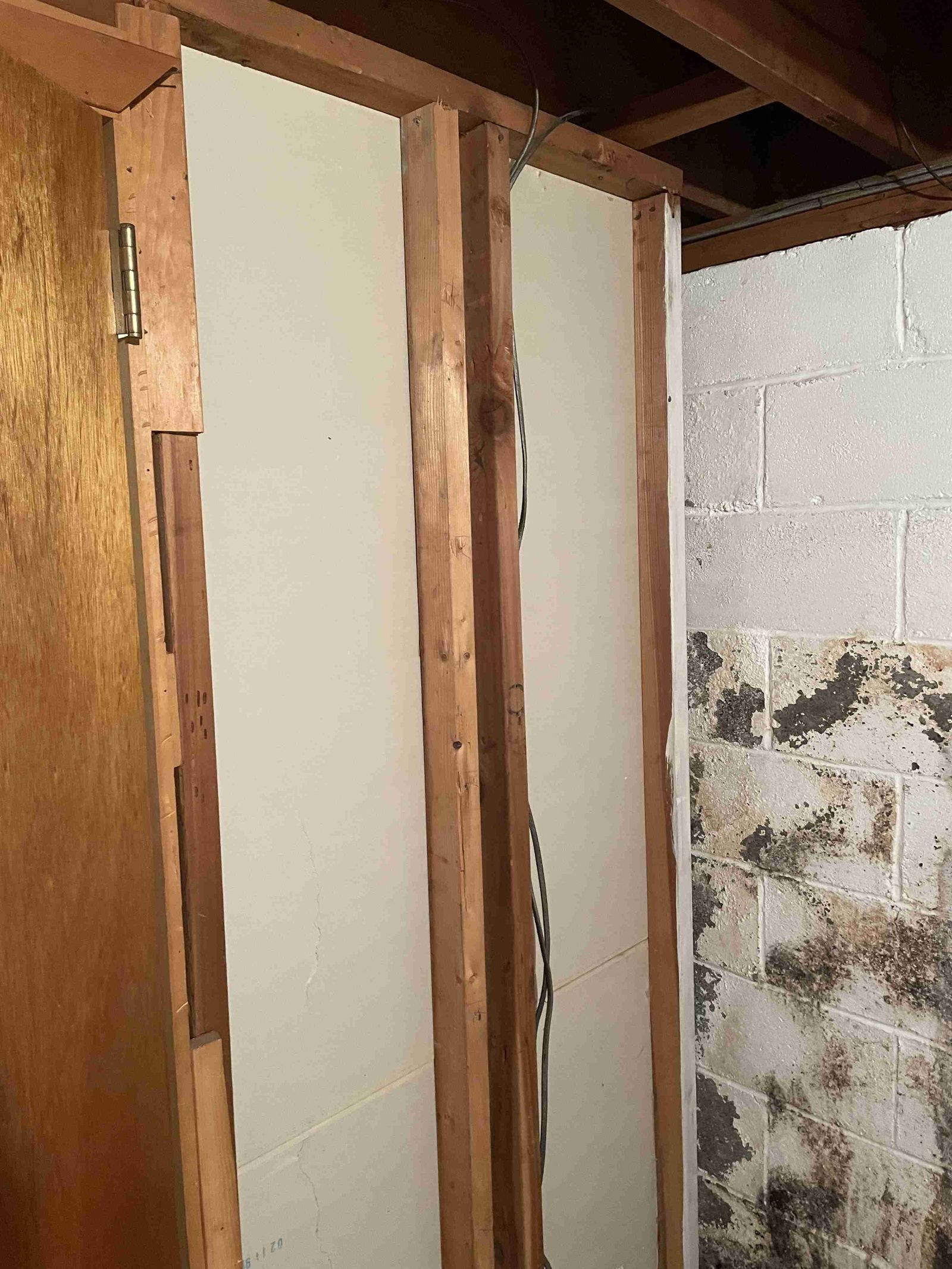
On drywall, growth often shows as spotting or a patchy film on the paper face. On a baseboard or lower wall, it may follow a flood line or a long-standing leak. On masonry, it can look like a blotchy film in a damp corner. None of those appearances is a lab identification.
| Sign | What it may indicate |
|---|---|
| Visible spotting or film on a surface | Growth on that face; still check for moisture behind it |
| Musty odor with little to see | Hidden damp material or a possible cavity problem |
| Peeling paint or a stain that returns | Ongoing moisture, possibly in the wall |
| Soft, warped, or crumbling finishes | Water in the material, which can support growth |
| High moisture readings behind a finish | The assembly is still wet enough to be a concern |
The EPA brief guide treats visible mold and a persistent musty smell as practical signs that moisture is present. What mold remediation is, and whether professional mold remediation services are needed, is the next question once those signs are confirmed and the source is understood.
What Signs Suggest Mold May Be Hidden in a Wall?
Short answer: a musty odor with little to see, a wall that stays cold or damp, or staining that returns after paint. The face of the board can look almost clean while the cavity is not.
- A musty odor in one room, closet, or along one wall that does not clear after ordinary cleaning.
- Paint or caulk that peels or bubbles in the same spot.
- Soft drywall, warped baseboards, or flooring that stays cupped after a leak.
- Moisture readings that stay high behind a finish, even if the paint looks intact.
- A known leak or flood in that area, even if the visible stain is small.
A dedicated guide on how you know if mold is behind drywall goes deeper on that inspection question. Hidden water damage signs are often the same clues, seen from the water side.
Is a Musty Smell Enough to Say There Is Mold?
Short answer: it is a strong reason to investigate moisture, but it is not a complete diagnosis by itself. Other things can smell musty, and some growth has little odor.
A persistent musty odor in a basement, attic, or closed room should be taken seriously. It often means something in the space is damp. Confirming mold, and deciding whether a wall must be opened, still depends on a look at the materials and, when needed, a formal assessment. In New York, that official assessment and any sampling are typically done by an independent mold assessor, not by the company that would perform the remediation.
Questions about a mold problem in Westchester County, NY? Bowerman Cleaning & Restoration answers 24/7.
Are Physical Symptoms a Reliable Sign of Mold?
Short answer: no; they can have many causes, and they should be discussed with a doctor, not used as a home test. This article does not offer medical advice.
The EPA notes that mold can cause allergic reactions in some people. That is not the same as saying a headache, a cough, or a rash proves that a house has a mold problem, or that a particular stain is “toxic.” Color and nicknames are not diagnoses. If someone in the household has a health concern, a physician is the right starting point, separate from the building investigation.
Signs of Mold Growth FAQs
Can mold be present with no visible stain?
Yes. Growth can be in a cavity, under a floor, or on the back of insulation. A musty odor, a past leak, or high moisture readings are reasons to look further.
Does black staining always mean “black mold”?
No. Many types of growth can look dark, and dirt or water staining can look similar. Color is not a species identification. If identification is needed, an independent assessor handles the sampling.
Is peeling paint a sign of mold?
Peeling paint is a sign of moisture or of a failed finish. Mold may or may not be present. The useful next step is to find out why that surface is damp.
Should I paint over a stain to see if it comes back?
That hides the clue and can trap moisture. Photograph the area, look for the source, and avoid closing the surface until it is dry and any needed work is complete.
When is a professional look warranted?
When the area is large, the growth may be inside a wall, the water was dirty, or a prior wipe-down did not last. A written scope in New York should come from an independent assessor if remediation will follow.
Have questions about signs of mold growth in a Westchester NY home? Bowerman Restoration LLC d/b/a Bowerman Cleaning & Restoration, 7 Intervale Street, White Plains, NY 10606, answers 24/7 at (844) 269-3762.