
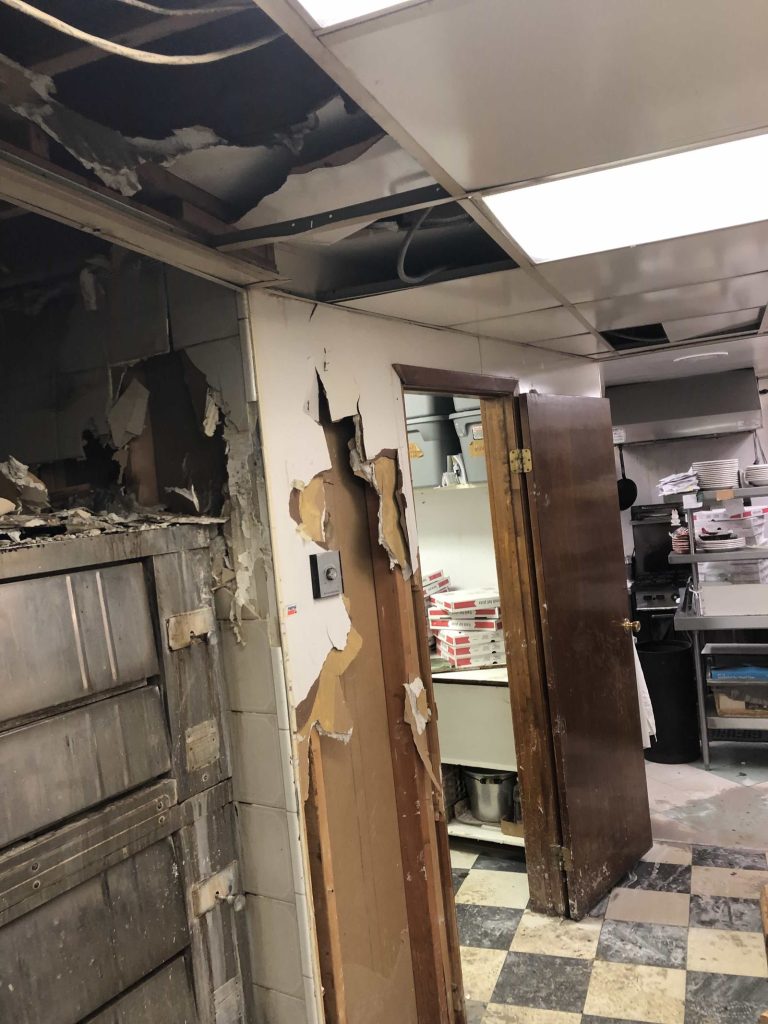
House fire causes in NY homes are usually ordinary: cooking, heating equipment, electrical problems, or smoking materials. The NFPA treats cooking as a leading cause of home fires. After a fire, the source still matters, because it often predicts where the residue traveled and what the cleanup will involve.
Written by the Bowerman Cleaning and Restoration Team · June 25, 2026
Key Takeaways
- Cooking is a leading cause of home fires, and the residue often shows up first in the kitchen and nearby rooms.
- Heating, electrical faults, and smoking materials are other common sources.
- The cause can change the type of residue and which cavities or vents are involved.
- Finding the cause is a fire-investigation question when it is in dispute; this article is general information, not a cause determination.
In This Guide
- What Are the Common House Fire Causes?
- Why Does the Cause Matter After the Fire Is Out?
- Who Determines the Official Cause of a House Fire?
- House Fire Causes FAQs
What Are the Common House Fire Causes?
Short answer: cooking, heating, electrical problems, and smoking materials are among the usual sources in homes. These are general patterns, not a finding about any one fire.
| Common source | Where it often starts | What the aftermath often involves |
|---|---|---|
| Cooking | Kitchen, especially unattended cooking | Greasy or kitchen-type residues on nearby rooms and vents |
| Heating equipment | Around space heaters, furnaces, or chimneys | Localized heat damage plus smoke travel into living space |
| Electrical problems | Outlets, cords, panels, or appliances | Possible soot in cavities and along wiring paths |
| Smoking materials | Living rooms, bedrooms, or furniture | Smoldering fires that can produce a strong, lingering odor |
| Candles or open flame | Any room where they are left unattended | A small start that can still smoke an entire floor |
The NFPA home fire safety pages and Ready.gov’s home fires guidance are official references for prevention. After a fire, what fire damage restoration is depends more on the damage that remains than on a label for the cause.
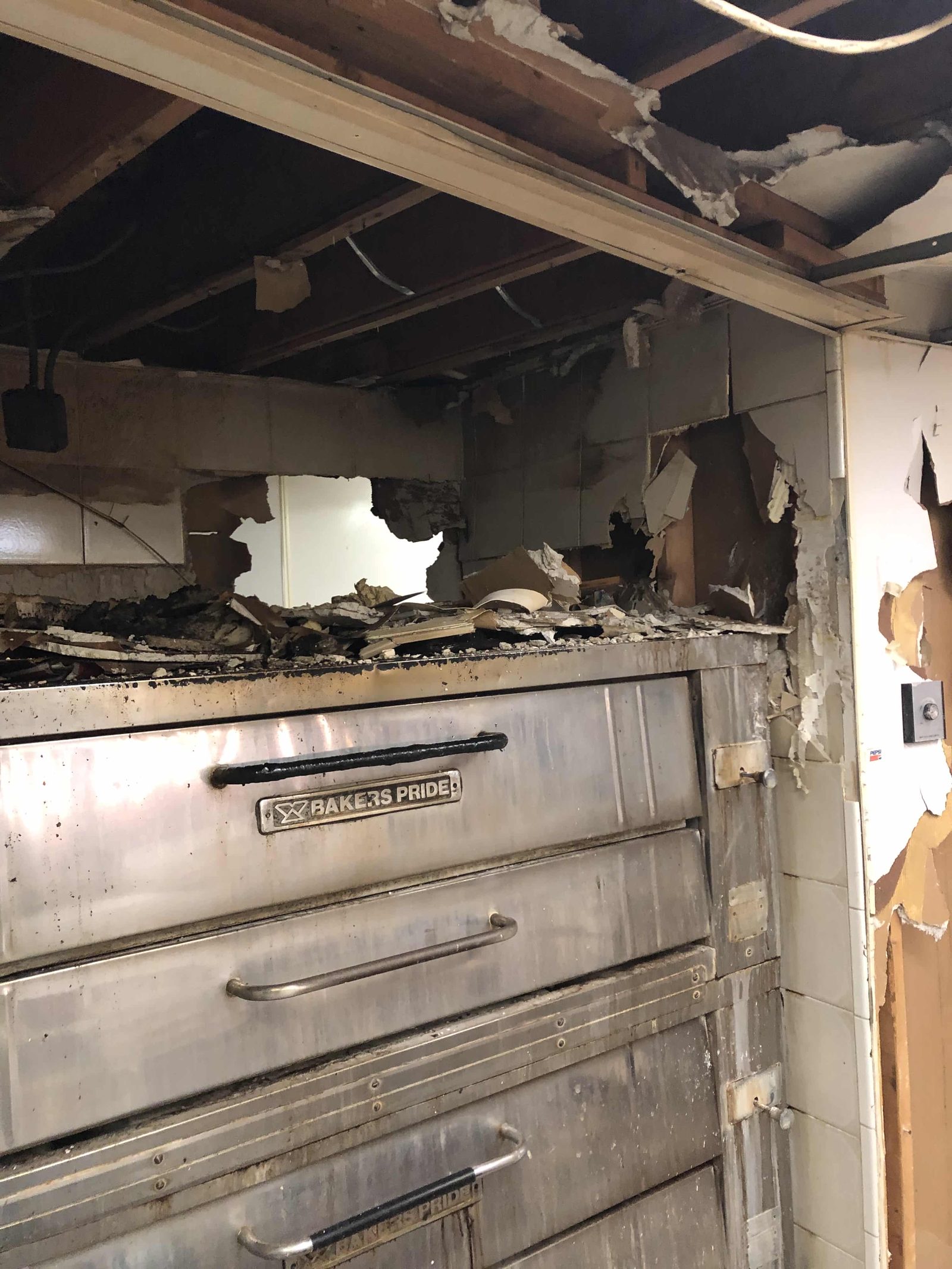
Why Does the Cause Matter After the Fire Is Out?
Short answer: it often points to the rooms, the residue type, and whether wiring or a chimney needs a closer look. It does not replace an inspection of where the smoke actually went.
A cooking fire often lines up with what smoke damage restoration involves after a kitchen fire. An electrical origin may line up with what electrical fire soot and smoke cleanup involve. A chimney-related fire may line up with what chimney fire damage restoration involves. In each case, the cleanup still has to follow the residue, not only the room where the fire started.
Questions about fire or smoke damage in Westchester County, NY? Bowerman Cleaning and Restoration answers 24/7.
Who Determines the Official Cause of a House Fire?
Short answer: the fire department or a fire investigator, not a restoration article and not a cleanup quote. A restoration plan can note what burned; it should not be treated as a formal origin report.
When a cause is in dispute, or when an insurer or an official investigation is involved, that work belongs to the people assigned to it. The fire damage restoration services scope is the cleanup and rebuild, not a legal finding about how the fire started.
A cleanup plan can still note what burned, what was in use, and where the residue traveled. Those observations help the work, and they can be shared with the insurer or an investigator. They should not be written as a formal origin-and-cause report unless that is the assignment.
Prevention is a separate conversation, and official sources are the right place for it. The NFPA home fire safety pages and Ready.gov’s home fires guidance cover cooking, heating, electrical, and smoking risks in ordinary homes. After a fire in a Westchester County, NY house, the immediate need is still a complete map of the damage, whatever the official cause turns out to be.
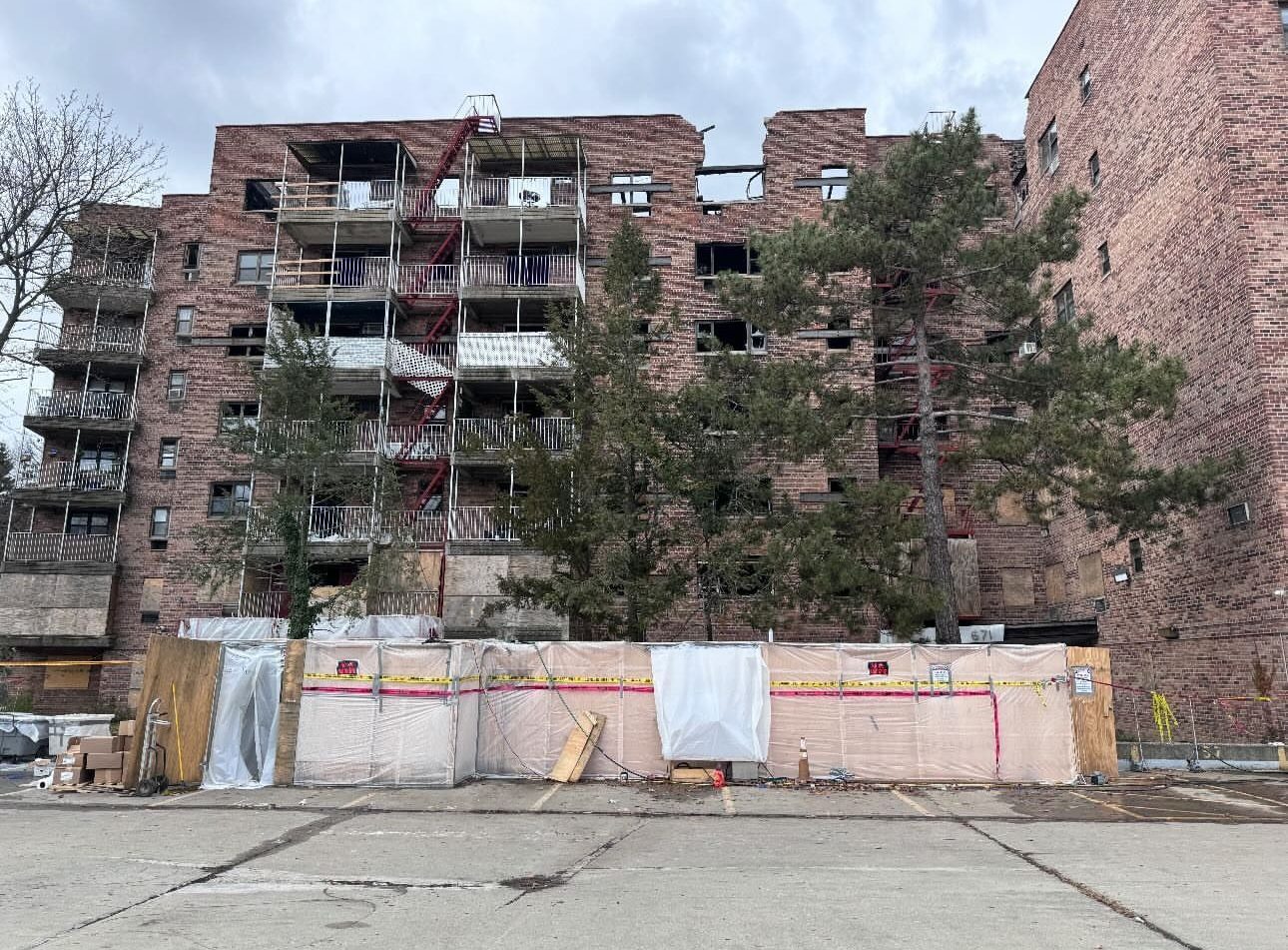
In a multi-unit building, neighbors may have smoke damage even when the cause is confined to one apartment. That fact should appear in the cleanup plan and, if a claim is open, in the documentation. It does not by itself decide who is responsible for the fire.
House Fire Causes FAQs
Is cooking really a common cause of house fires?
Yes. The NFPA identifies cooking as a leading cause of home fires. Unattended cooking is a frequent factor. That general fact is not a finding about any one kitchen fire.
Does the cause change whether restoration is needed?
The damage that remains decides the work, not the label alone. A small electrical fire can still smoke an attic, and a cooking fire can still stain several rooms.
Should a homeowner try to find the cause?
Leave official origin work to the fire department or an investigator when one is assigned. A homeowner can still describe what was on, or what was seen, to the insurer and the contractor.
Are space heaters a common issue in NY winters?
Heating equipment is a recognized source of home fires, especially when it is too close to combustibles. After such a fire, nearby rooms and the heating system itself should be part of the inspection.
Does a multi-unit building change the cause analysis?
The official cause may still be in one unit, while smoke damage appears in others. Both facts can be true, and both belong in the cleanup plan.
Have questions about house fire causes in a Westchester NY home? Bowerman Restoration LLC d/b/a Bowerman Cleaning & Restoration, 7 Intervale Street, White Plains, NY 10606, answers 24/7 at (844) 269-3762.