
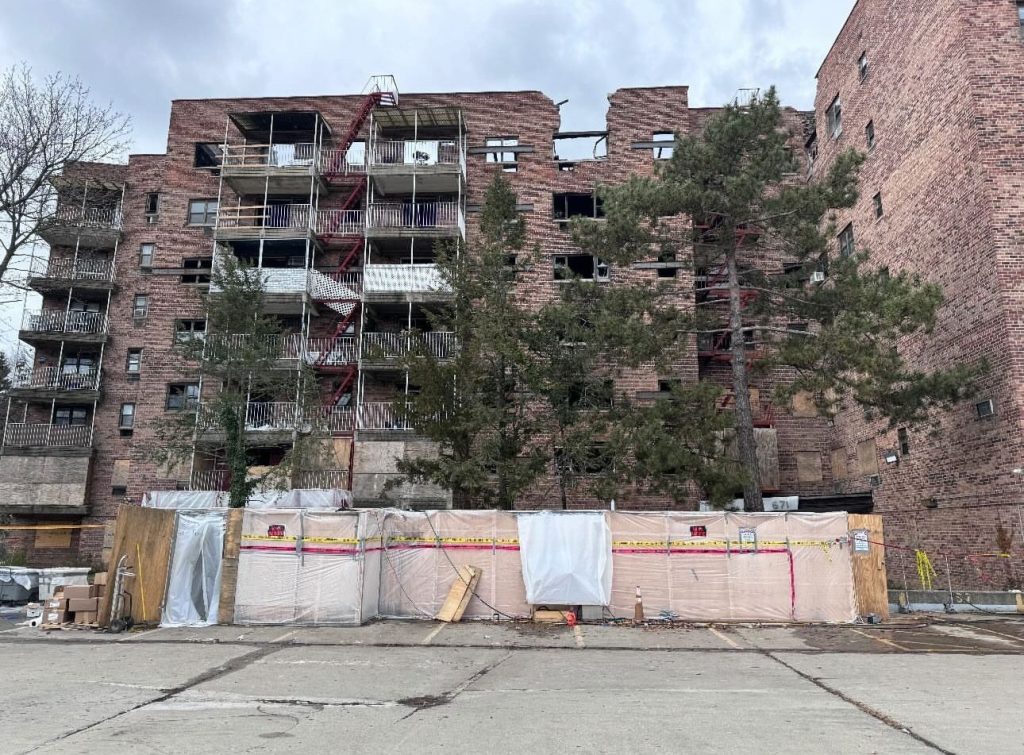
What is fire damage restoration? It is the work of making a fire-damaged building safe, cleaning soot and smoke residue, removing odor from materials that can be saved, drying any water used to put the fire out, and then rebuilding what cannot be restored. In NY homes, that work often reaches rooms the flames never entered.
Written by the Bowerman Cleaning and Restoration Team · June 9, 2026
Key Takeaways
- Restoration covers safety, soot and smoke cleaning, odor control, drying, and then rebuild, not only the burned room.
- Smoke and soot often travel through vents, gaps, and open doorways, so the affected area can be larger than it first appears.
- Water used in firefighting is a regular part of the loss and usually needs extraction and measured drying.
- A surface wipe or a coat of paint is not restoration if residue, odor, or moisture is left in the materials.
In This Guide
- What Does Fire Damage Restoration Include?
- Why Does Restoration Go Beyond the Burned Room?
- How Is Restoration Different From a Simple Cleanup?
- Related Guides
- What Is Fire Damage Restoration FAQs
What Does Fire Damage Restoration Include?
Short answer: it includes making the building safe, cleaning soot and smoke, controlling odor, drying water, and rebuilding what cannot be saved. The burned room is only one part of that scope.
The IICRC S700 standard is the usual industry reference for professional fire and smoke damage restoration. A typical project starts with a safety and board-up step, then a room-by-room look at flame damage, smoke residue, soot, and water. Some materials can be cleaned. Others have to come out before the structure is dried and later rebuilt.
The site’s fire damage restoration services page outlines that scope as a service category. Everyday after-fire notes are also collected on the fire, smoke, and soot tips page.
Why Does Restoration Go Beyond the Burned Room?
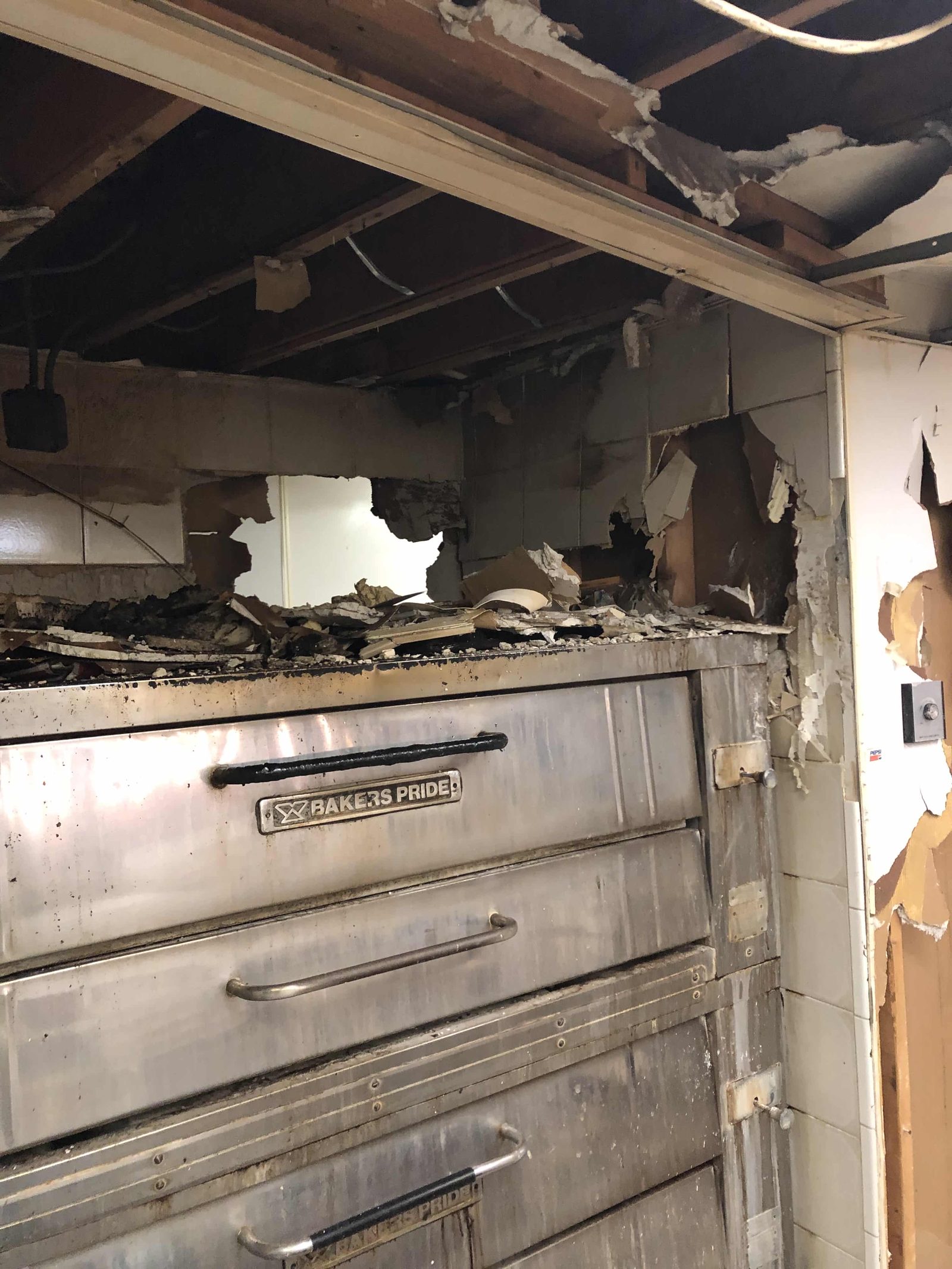
Short answer: smoke, soot, and firefighting water often travel into spaces the flames never reached. A clean-looking hallway can still hold odor or a fine film of residue.
Hot smoke moves through HVAC systems, attic spaces, stairwells, and small gaps around trim. In a Westchester County, NY apartment or a close-set older house, that path can include a neighboring unit. A useful companion on that situation is how smoke damage across multiple apartment units is restored.
Kitchen, chimney, and electrical fires also leave different residues even when the flame area is small. See what smoke damage restoration involves after a kitchen fire and what electrical fire soot and smoke cleanup involve for those narrower cases.
Questions about fire or smoke damage in Westchester County, NY? Bowerman Cleaning and Restoration answers 24/7.
How Is Restoration Different From a Simple Cleanup?
Short answer: cleanup wipes what you can see; restoration also deals with hidden residue, odor, moisture, and the rebuild. The label on an estimate matters less than the steps listed under it.
| Point of comparison | Simple cleanup | Fire damage restoration |
|---|---|---|
| Main focus | Visible soot or a stained surface | The full extent of smoke, soot, water, and structural damage |
| Odor | Often sprayed or masked | Addressed in the materials, not only in the air |
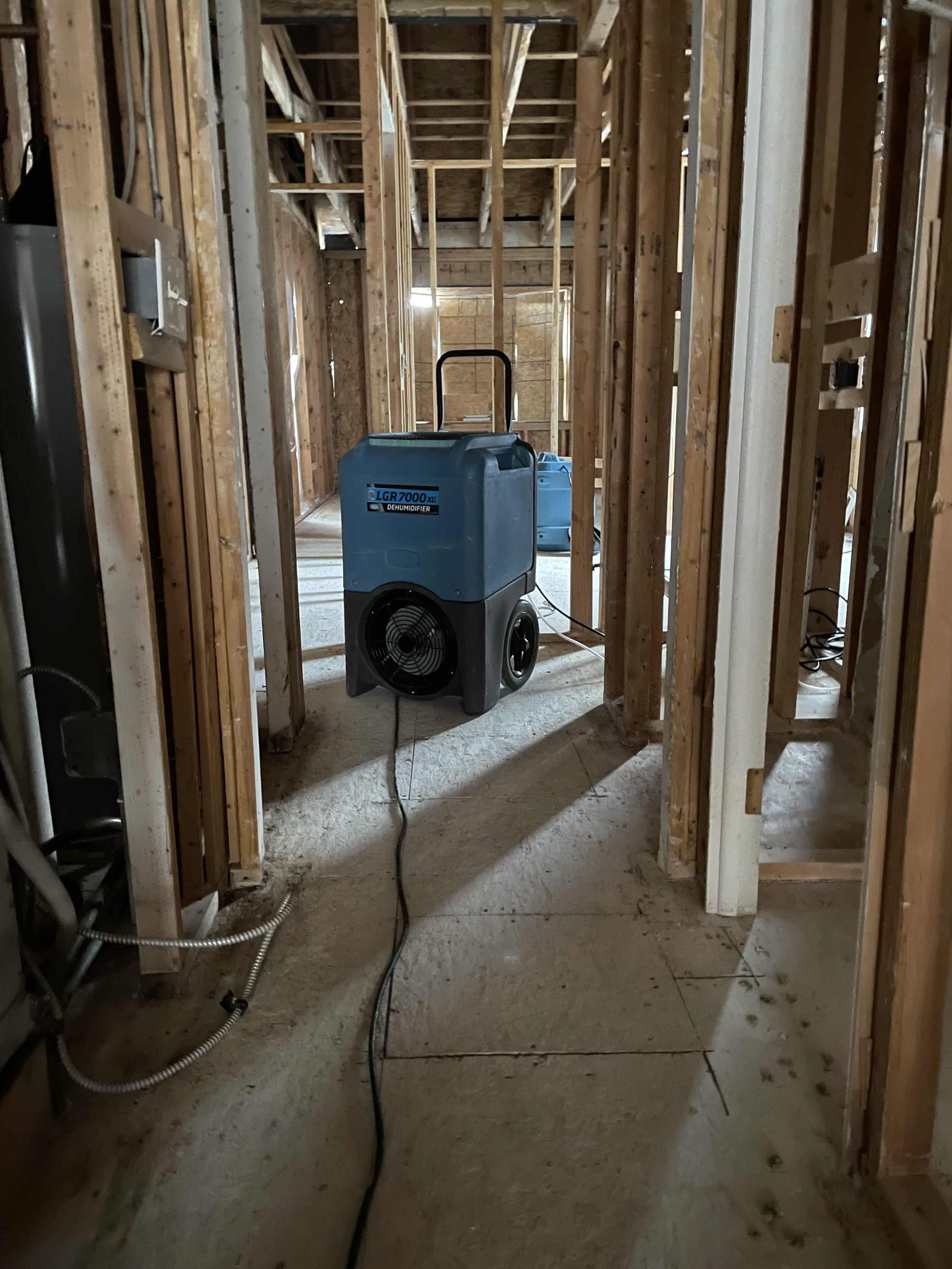
| Water from firefighting | Easy to skip if the floor looks dry | Extracted and dried to a documented target |
| Rebuild | Paint or a quick patch | Starts after cleaning and drying are complete |
| Typical risk if rushed | Residue or odor returns | Moisture or soot can be trapped behind new finishes |
A later comparison in this series looks at restoration versus repair in more detail. The practical point here is the same: paint does not finish a job that still has damp framing or a smoky cavity.
Related Guides
Short answer: these companion articles cover the main fire, smoke, and soot questions that follow this overview. Each one takes a narrower angle than this definition.
The guides below belong to this fire damage series and can be read in any order once the basic terms are clear.
- Step by Step Fire Damage Cleanup Process
- Smoke Damage Cleanup
- Soot Cleanup
- What to Do First After a House Fire?
- Fire Damage Repair Timeline
- Fire Damage Insurance Claims
- Water Damage After a Fire
- Salvaging Belongings After a Fire
- Types of Fire Damage
- House Fire Causes
- Salvageable Items After a Fire
- Fire Damage Cleanup Mistakes
- Fire Damage Company Questions
- Hidden Fire Damage
- Fire Damage Restoration vs Fire Damage Repair
- Smoke Damage vs Soot Damage
- Wet Smoke vs Dry Smoke
- Fire Damage Company vs Contractor
- Smoke Damage Cleanup vs Smoke Odor Removal
What Is Fire Damage Restoration FAQs
Is fire damage restoration the same as rebuilding the house?
No. Rebuild is usually the last phase, after soot and smoke are addressed and the structure is dry. Restoration includes those earlier steps as well as the repairs that follow.
Can smoke damage exist if the flames stayed in one room?
Yes. Smoke and soot often travel through vents, gaps, and hallways. Odor in a closet or a film on surfaces in a far room is a reason to look beyond the burn area.
Does restoration always include drying?
It should whenever firefighting water, a broken pipe, or melted fixtures have wet the building. A dry-looking floor can hide a wet wall cavity.
Is this a substitute for advice from the fire department?
No. No one should enter a fire-damaged building until the fire department says it is safe to do so. This article is general information about the restoration work that follows that clearance.
Who decides what can be cleaned and what must be replaced?
The condition of each material, the type of residue, and any structural damage should drive that decision. A written inventory and photographs help, especially if an insurer is involved.
Have questions about fire damage restoration in a Westchester NY home? Bowerman Restoration LLC d/b/a Bowerman Cleaning & Restoration, 7 Intervale Street, White Plains, NY 10606, answers 24/7 at (844) 269-3762.