
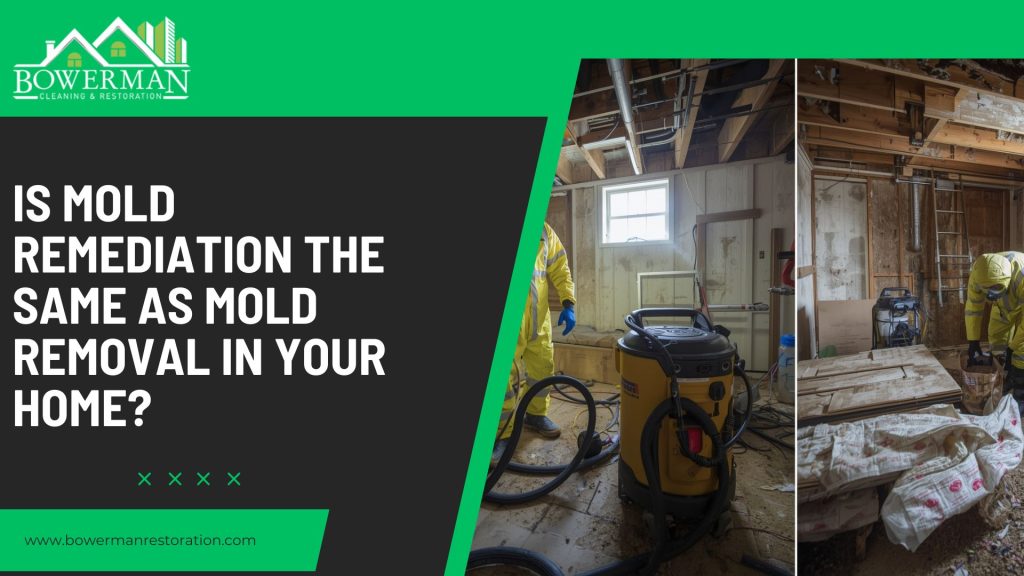

When homeowners discover mold in their property, confusion often arises about the best course of action. Two terms frequently surface in discussions with professionals: mold remediation and mold removal. While these phrases are sometimes used interchangeably, they represent fundamentally different approaches to addressing mold problems in residential settings.
Understanding the distinction between mold remediation and mold removal is crucial for making informed decisions about your home’s health and safety. The choice between these approaches can significantly impact the effectiveness of treatment, long-term prevention, and overall cost of addressing mold issues. Many homeowners assume that completely removing all traces of mold is the ultimate goal, but this perspective may not align with industry best practices or scientific understanding of mold behavior.
Mold is a natural part of our environment, existing virtually everywhere in microscopic spore form. The key to managing mold problems lies not necessarily in achieving complete elimination, but in controlling moisture levels and reducing mold concentrations to safe, manageable levels. This fundamental principle shapes the professional approach to mold treatment and influences whether remediation or removal is the most appropriate solution.
The complexity of mold problems varies significantly depending on factors such as the type of mold present, the extent of contamination, the affected materials, and the underlying moisture source. Some situations may require aggressive removal of contaminated materials, while others can be effectively addressed through remediation techniques that preserve existing structures while eliminating health risks.
Professional mold specialists consider multiple factors when determining the most appropriate treatment approach, including the species of mold identified, the porosity of affected materials, the duration of moisture exposure, and the potential for cross-contamination. These considerations help determine whether the situation calls for comprehensive remediation protocols or targeted removal of specific materials.
Key Takeaways
- Mold remediation focuses on returning mold levels to natural, safe concentrations rather than attempting complete elimination, which is often impossible and unnecessary in residential environments.
- Mold removal involves physically extracting mold-contaminated materials and may include disposal of affected building components, furnishings, and personal belongings that cannot be salvaged.
- Professional remediation follows established industry protocols including containment, air filtration, moisture control, and systematic cleaning procedures designed to prevent cross-contamination.
- Complete mold removal is rarely achievable or necessary since mold spores naturally exist in all indoor and outdoor environments at varying concentrations.
- Remediation addresses root causes by identifying and eliminating moisture sources, while removal may only address visible symptoms without preventing recurrence.
- Cost considerations vary significantly between approaches, with remediation often providing more cost-effective solutions for extensive contamination compared to wholesale material removal.
- Health implications differ depending on the chosen approach, with proper remediation protocols designed to minimize exposure during treatment while achieving long-term safety.
- Insurance coverage may vary based on whether the approach is classified as remediation or removal, affecting out-of-pocket expenses for homeowners.
- Timeline and disruption levels differ substantially, with remediation typically requiring less time and causing fewer disruptions to daily life compared to extensive removal projects.
Understanding Mold Remediation vs. Mold Removal
The fundamental difference between mold remediation and mold removal lies in their respective goals and methodologies. Mold remediation aims to restore indoor mold levels to natural, acceptable concentrations while addressing the underlying conditions that allowed excessive mold growth. This approach recognizes that mold spores are ubiquitous in our environment and focuses on controlling rather than eliminating them entirely.
Mold removal, conversely, involves the physical extraction and disposal of mold-contaminated materials. This approach may include removing drywall, insulation, carpeting, furniture, and other items that have been significantly affected by mold growth. While removal is sometimes necessary, particularly for heavily contaminated porous materials, it represents a more invasive and often more expensive approach to mold problems.
Professional mold remediation follows established industry standards, such as those outlined by the Institute of Inspection, Cleaning and Restoration Certification (IICRC) and the Environmental Protection Agency (EPA). These protocols emphasize containment procedures, proper personal protective equipment, controlled demolition when necessary, thorough cleaning of salvageable materials, and comprehensive moisture control measures.
The remediation process typically begins with a thorough assessment to determine the extent of contamination and identify moisture sources. This evaluation helps professionals develop a targeted treatment plan that may combine various techniques including HEPA filtration, antimicrobial treatments, controlled humidity management, and selective material removal only when absolutely necessary.

The Science Behind Mold Remediation
Mold remediation is grounded in scientific understanding of mold biology, environmental conditions, and human health impacts. Mold spores are naturally present in all environments, typically ranging from 100 to 1,000 spores per cubic meter of air in normal indoor conditions. The goal of remediation is to reduce elevated spore counts to levels consistent with outdoor concentrations in the same geographic area.
Successful remediation requires addressing the moisture conditions that enabled mold growth in the first place. Mold requires moisture, organic material, and appropriate temperatures to proliferate. By controlling moisture through improved ventilation, dehumidification, leak repairs, and proper insulation, remediation creates an environment where mold cannot thrive, even if some spores remain present.
The remediation process employs multiple scientific principles including air pressure differentials to prevent cross-contamination, HEPA filtration to capture airborne particles as small as 0.3 microns, and antimicrobial treatments that target mold at the cellular level. These techniques work synergistically to reduce mold concentrations while preserving structural integrity and minimizing unnecessary material loss.
Advanced remediation may incorporate technologies such as hydroxyl generators, ozone treatment (when properly applied), and specialized cleaning agents designed to penetrate porous materials. These methods can effectively treat mold contamination in materials that would otherwise require removal, such as wooden structural elements, concrete surfaces, and certain types of insulation.
Post-remediation verification involves air quality testing, surface sampling, and moisture monitoring to ensure treatment effectiveness. This scientific approach provides objective evidence that mold levels have been successfully reduced to acceptable standards, offering homeowners confidence in the remediation results.

When Mold Removal Becomes Necessary
Despite the advantages of remediation, certain situations require physical removal of mold-contaminated materials. Heavily saturated porous materials such as drywall, insulation, carpeting, and ceiling tiles often cannot be effectively cleaned and may need complete removal and replacement. The decision to remove materials depends on factors including the degree of contamination, the duration of moisture exposure, and the material’s ability to be thoroughly cleaned and dried.
Structural materials that have experienced prolonged moisture exposure may develop deep mold penetration that cannot be addressed through surface cleaning alone. In these cases, removal becomes necessary to eliminate hidden mold growth and prevent future problems. Wood framing, subflooring, and wall cavities may require partial or complete removal depending on the extent of contamination.
Health considerations also influence removal decisions, particularly when dealing with toxic mold species such as Stachybotrys chartarum (black mold) or when occupants have severe mold sensitivities or compromised immune systems. In these situations, the more aggressive approach of material removal may be warranted to ensure complete elimination of potential health hazards.
The removal process requires careful planning to prevent cross-contamination during demolition activities. Proper containment, worker protection, and disposal procedures are essential to prevent spreading mold spores to uncontaminated areas of the home. Professional removal teams use specialized equipment and follow strict protocols to minimize risks during the extraction process.
Cost-benefit analysis plays a role in removal decisions, as some materials may be more economically replaced than remediated. However, removal should not be automatically chosen simply because it seems more thorough, as unnecessary removal can significantly increase project costs and timeline while potentially causing more disruption than required.
Professional Assessment and Treatment Planning
The decision between remediation and removal should always begin with a comprehensive professional assessment conducted by qualified mold specialists. This evaluation involves visual inspection, moisture mapping, air quality testing, and often surface sampling to identify mold species and concentration levels. The assessment provides the foundation for developing an appropriate treatment strategy tailored to the specific situation.
Professional assessors use specialized equipment including thermal imaging cameras to detect hidden moisture, moisture meters to measure material saturation levels, and air sampling devices to quantify airborne spore concentrations. This data helps determine the extent of contamination and guides decisions about which materials can be salvaged through remediation versus those requiring removal.
Treatment planning considers multiple factors including the size and location of affected areas, the types of materials involved, the suspected duration of moisture exposure, and the presence of vulnerable occupants such as children, elderly individuals, or those with respiratory conditions. These factors influence both the scope of work and the specific techniques employed during treatment.
Qualified professionals hold certifications from recognized organizations such as the IICRC, the National Association of Mold Professionals (NAMP), or similar credentialing bodies. These certifications ensure that practitioners understand current industry standards, safety protocols, and best practices for both remediation and removal procedures.
The treatment plan should include clear objectives, specific methodologies, timeline estimates, and success criteria for post-treatment verification. This comprehensive approach ensures that homeowners understand what to expect and provides accountability for achieving desired outcomes regardless of whether the approach emphasizes remediation or removal.
Cost Considerations and Long-term Value
The financial implications of choosing between mold remediation and removal can vary significantly depending on the scope of contamination and the specific circumstances of each case. Remediation typically offers cost advantages when dealing with large areas of contamination or expensive materials that can be successfully treated without replacement. However, removal may be more cost-effective for heavily damaged materials that would require extensive remediation efforts.
Initial cost comparisons should consider not only the immediate treatment expenses but also long-term implications such as the likelihood of recurrence, warranty coverage, and potential impact on property values. Proper remediation that addresses root causes often provides better long-term value than removal that fails to eliminate underlying moisture problems.
Insurance coverage varies significantly between remediation and removal approaches, with many policies covering sudden water damage and resulting mold problems but excluding long-term maintenance issues or gradual moisture intrusion. Understanding insurance implications before beginning treatment can help homeowners make informed decisions about their approach and budget accordingly for out-of-pocket expenses.
The disruption costs associated with each approach also merit consideration, as extensive removal projects may require temporary relocation, storage of belongings, and extended timelines that impact daily life and potentially result in additional expenses. Remediation projects often allow continued occupancy with appropriate containment measures, reducing indirect costs associated with treatment.
Companies like Bowerman specialize in helping homeowners navigate these decisions by providing comprehensive assessments and transparent cost estimates for both remediation and removal options. This allows property owners to make informed decisions based on their specific circumstances, budget constraints, and long-term objectives for their property.
Frequently Asked Questions
Is mold remediation the same as mold removal in terms of effectiveness?
Mold remediation and removal differ in their approach to effectiveness. Remediation focuses on reducing mold to safe, natural levels while addressing root causes, often providing longer-lasting results. Removal may seem more thorough but doesn’t guarantee prevention of future problems if moisture issues remain unaddressed.
How do I know if my home needs remediation or removal?
The decision depends on factors such as the extent of contamination, types of materials affected, duration of moisture exposure, and mold species present. A professional assessment is essential to determine the most appropriate approach for your specific situation.
Can I perform mold remediation or removal myself?
Small areas (less than 10 square feet) may be suitable for DIY remediation, but extensive contamination requires professional intervention. Removal of contaminated materials always requires proper safety equipment and disposal procedures that are best handled by trained professionals.
How long does each process typically take?
Remediation projects typically take 3-7 days depending on the scope, while removal projects can extend to several weeks for extensive contamination. Timeline varies based on the size of affected areas, drying requirements, and complexity of reconstruction needs.
Will my insurance cover remediation versus removal differently?
Insurance coverage varies by policy and circumstances. Some insurers may prefer remediation as a cost-effective approach, while others may require removal for certain types of contamination. Review your policy and consult with your insurance provider before beginning treatment.
What are the health implications of each approach?
Both approaches can be safe when properly executed with appropriate containment and protection measures. Remediation may involve less disruption and exposure risk, while removal may be necessary for severe contamination or when occupants have serious health sensitivities.
How can I prevent future mold problems regardless of the treatment approach?
Prevention focuses on moisture control through proper ventilation, humidity management, prompt leak repairs, and regular maintenance. Both remediation and removal should include addressing underlying moisture sources to prevent recurrence.
What credentials should I look for in a mold professional?
Look for certifications from organizations like IICRC, NAMP, or similar credentialing bodies. Professionals should be licensed, insured, and experienced in both assessment and treatment of mold problems in residential settings.
Conclusion
Understanding the distinction between mold remediation and mold removal empowers homeowners to make informed decisions about addressing mold problems in their properties. While these approaches serve different purposes and situations, both can be effective when properly applied by qualified professionals who understand the specific circumstances of each case.
The choice between remediation and removal should be based on scientific assessment rather than assumptions about which approach is more thorough or effective. Remediation often provides the optimal balance of effectiveness, cost-efficiency, and minimal disruption, while removal becomes necessary in cases of severe contamination or when materials cannot be adequately treated through cleaning and restoration methods.
Regardless of the chosen approach, success depends on addressing underlying moisture problems that enabled mold growth initially. Without proper moisture control, even the most aggressive removal efforts may fail to prevent future mold problems, making comprehensive treatment planning essential for long-term success.
Working with experienced professionals who understand both remediation and removal techniques ensures that homeowners receive appropriate treatment recommendations based on their specific situations rather than one-size-fits-all solutions. This professional guidance helps optimize outcomes while managing costs and minimizing disruption to daily life during the treatment process.