
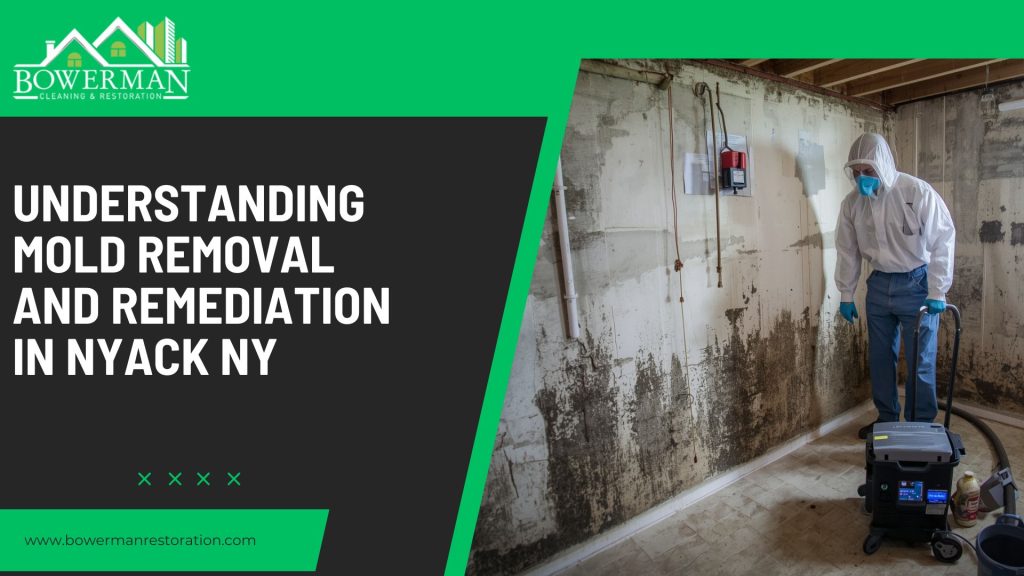

When homeowners in Nyack, NY discover mold in their properties, they often encounter two distinct terms that seem interchangeable but carry important differences: mold removal and mold remediation. Understanding what separates these approaches can significantly impact the effectiveness of addressing mold issues in your home and the long-term protection of your family’s health.
The distinction between mold removal and mold remediation goes beyond simple terminology. While both processes aim to address mold problems, they represent fundamentally different philosophies and methodologies for handling contamination. Mold removal suggests the complete elimination of all mold from a structure, while mold remediation focuses on returning mold levels to natural, acceptable concentrations that exist in typical outdoor environments.
In Nyack’s humid climate, where seasonal moisture fluctuations and proximity to the Hudson River create ideal conditions for mold growth, understanding these differences becomes crucial for property owners. The local environment, with its mix of historic homes and modern construction, presents unique challenges that require specific approaches to mold management.
Professional mold specialists recognize that complete mold removal is virtually impossible in real-world conditions. Mold spores exist naturally in both indoor and outdoor environments, and attempting to eliminate every single spore would be impractical and unnecessary. Instead, effective mold management focuses on controlling growth, eliminating problematic colonies, and preventing future outbreaks through comprehensive remediation strategies.
The choice between pursuing mold removal versus mold remediation affects everything from project duration and cost to the long-term success of the intervention. Homeowners who understand these distinctions can make informed decisions about their mold problems and work more effectively with professional contractors to achieve lasting results.
Key Takeaways
For additional context, see this comprehensive guide.
- Mold removal refers to the physical elimination of visible mold colonies and contaminated materials, while mold remediation encompasses a comprehensive approach that includes removal, prevention, and restoration to safe mold levels
- Complete mold elimination is scientifically impossible since mold spores naturally exist in all environments; remediation aims to restore normal, safe mold concentrations rather than achieving zero mold presence
- Professional remediation includes containment, air filtration, source moisture control, and preventive measures that simple removal processes typically omit
- Nyack’s climate conditions require specialized approaches due to high humidity, seasonal moisture variations, and the prevalence of older homes with unique construction challenges
- Cost differences between removal and remediation reflect the scope of work, with remediation providing more comprehensive long-term value through prevention and moisture control
- Health protection is better served by remediation protocols that address airborne spores and cross-contamination risks throughout the property
- Insurance coverage often favors comprehensive remediation approaches that demonstrate professional standards and thorough documentation
- Timeline expectations vary significantly between basic removal (1-3 days) and full remediation (3-7 days or more), depending on contamination extent and property characteristics
Overview of Mold Issues in Nyack NY
For additional context, see detailed information on this topic.
Nyack’s location along the Hudson River creates a unique microclimate that influences mold growth patterns throughout the community. The village’s proximity to water, combined with New York’s seasonal humidity fluctuations, establishes conditions where mold can thrive in both residential and commercial properties. Understanding these local environmental factors helps property owners recognize why professional intervention often becomes necessary.
The housing stock in Nyack presents additional considerations for mold management. Many homes date back several decades or even centuries, featuring construction methods and materials that handle moisture differently than modern buildings. Older homes may lack vapor barriers, have settling foundations that create entry points for moisture, or use building materials that are more susceptible to mold growth when exposed to humidity.
Local weather patterns contribute significantly to mold problems in the area. Spring flooding, summer humidity, and winter condensation issues create year-round challenges for moisture control. Basement flooding from heavy rains, ice dam formation in winter, and poor ventilation in humid summer months all contribute to conditions where mold can establish and spread rapidly throughout structures.
Professional mold services in Nyack must account for these regional characteristics when developing treatment strategies. The approach that works effectively in arid climates may prove inadequate for the moisture-rich environment that characterizes much of the Hudson Valley region. This environmental reality underscores why comprehensive remediation often proves more effective than simple removal techniques.

Understanding Mold Removal Processes
For additional context, see our in-depth resource.
Mold removal focuses primarily on the physical elimination of visible mold colonies and contaminated materials from affected areas. This approach typically involves scraping, scrubbing, or cutting away moldy surfaces, disposing of contaminated materials, and cleaning visible growth using various chemical or mechanical methods. The process emphasizes immediate, observable results by eliminating what property owners can see and smell.
The removal process usually begins with identifying areas of visible contamination and determining which materials can be cleaned versus those requiring disposal. Porous materials like drywall, insulation, and carpeting often need complete removal when heavily contaminated, while non-porous surfaces may respond to thorough cleaning with appropriate antimicrobial solutions.
Professional removal services employ specialized equipment including HEPA vacuums, wire brushes, and chemical treatments designed to break down mold colonies and remove them from surfaces. The work typically involves physical labor to strip away contaminated materials, followed by cleaning and disinfection of remaining surfaces to eliminate residual growth.
However, removal alone addresses only the symptoms of mold problems rather than underlying causes. Without addressing moisture sources, improving ventilation, or implementing preventive measures, removed mold often returns within weeks or months. This limitation explains why many property owners find themselves dealing with recurring mold issues despite investing in removal services.
The removal approach may seem cost-effective initially, but its limitations become apparent when mold returns to the same locations. Property owners who choose removal without addressing root causes often face repeated expenses and ongoing health concerns as contamination reestablishes itself in favorable conditions.
For those seeking more comprehensive information about what to expect during professional mold services, understanding the limitations of removal-only approaches helps explain why remediation protocols have become the industry standard for lasting results.

Comprehensive Mold Remediation Explained
Mold remediation represents a holistic approach that addresses not only existing contamination but also the conditions that allowed mold to develop initially. This comprehensive methodology recognizes that successful mold management requires controlling moisture sources, improving environmental conditions, and implementing preventive measures alongside the physical removal of contaminated materials.
The remediation process begins with thorough assessment and testing to determine the extent of contamination, identify mold species present, and locate moisture sources feeding the growth. This diagnostic phase provides the foundation for developing a comprehensive treatment plan that addresses both immediate contamination and long-term prevention strategies.
Containment protocols form a critical component of professional remediation that distinguishes it from simple removal. Technicians establish negative pressure environments using specialized equipment to prevent mold spores from spreading to uncontaminated areas during the work process. This protection extends throughout the property, safeguarding areas that might otherwise become cross-contaminated during removal activities.
Air filtration systems operate continuously during remediation to capture airborne spores and maintain indoor air quality. HEPA filtration units remove microscopic particles that become airborne during disturbance of mold colonies, protecting both workers and occupants from exposure to elevated spore concentrations.
Moisture control measures address the root causes that enabled mold growth initially. This might involve repairing plumbing leaks, improving ventilation systems, installing dehumidification equipment, or modifying drainage patterns around the property. Without these fundamental improvements, even the most thorough removal efforts will likely fail as mold reestablishes itself in favorable conditions.
The restoration phase of remediation involves rebuilding affected areas using mold-resistant materials and improved construction techniques. This might include installing vapor barriers, using mold-resistant drywall, improving insulation methods, or upgrading ventilation systems to prevent future moisture accumulation.
Professional remediation services also include post-treatment testing to verify that mold levels have returned to acceptable concentrations. This verification process provides documentation that the work has achieved its intended goals and helps property owners understand the current condition of their indoor environment.
Health and Safety Considerations
The health implications of mold exposure make the choice between removal and remediation particularly significant for families in Nyack. Mold can trigger respiratory problems, allergic reactions, and other health issues, especially in sensitive individuals such as children, elderly family members, or those with compromised immune systems. The approach taken to address mold contamination directly impacts the level of protection provided to occupants.
Removal processes that lack proper containment can actually increase health risks by dispersing mold spores throughout previously uncontaminated areas. When mold colonies are disturbed without appropriate protective measures, spore concentrations in the air can spike dramatically, potentially exposing occupants to much higher levels than they experienced before intervention began.
Professional remediation protocols prioritize occupant safety through comprehensive protective measures. These include establishing containment barriers, maintaining negative pressure to control airflow, and using personal protective equipment to prevent worker exposure. The systematic approach minimizes the risk of cross-contamination and reduces overall exposure levels throughout the property.
Air quality monitoring during remediation provides real-time feedback about spore concentrations and helps ensure that protective measures are functioning effectively. This monitoring capability allows technicians to adjust their approach if unexpected contamination spread occurs and provides documentation of air quality improvements throughout the process.
The long-term health benefits of comprehensive remediation extend beyond immediate contamination removal. By addressing moisture sources and implementing preventive measures, remediation reduces the likelihood of future mold growth and the associated health risks. This proactive approach provides ongoing protection for families rather than temporary relief that removal alone might offer.
For property owners concerned about project duration and family displacement, understanding that comprehensive remediation often prevents recurring problems helps justify the initial investment in thorough treatment.
Cost Analysis and Long-term Value
The financial considerations surrounding mold removal versus remediation extend far beyond initial service costs. While removal might appear less expensive upfront, the total cost of ownership often favors comprehensive remediation when recurring problems, health impacts, and property value considerations are factored into the analysis.
Basic mold removal services typically cost less initially because they involve fewer processes, shorter timeframes, and less specialized equipment. However, this apparent savings often proves illusory when mold returns to the same locations within months, requiring repeated interventions and ongoing expenses that can quickly exceed the cost of comprehensive remediation.
Remediation projects require larger upfront investments due to their comprehensive scope, specialized equipment requirements, and longer project timelines. However, this investment typically provides lasting results that eliminate the need for repeated treatments and reduce long-term maintenance costs associated with moisture damage and recurring contamination.
Insurance coverage considerations often favor comprehensive remediation approaches that meet industry standards and provide thorough documentation. Many insurance policies require professional-grade work that addresses underlying causes rather than just symptoms, making remediation more likely to receive coverage than basic removal services.
Property value impacts represent another significant financial consideration. Homes with documented mold problems often face challenges in resale markets, while properties with professional remediation documentation demonstrate that issues have been properly addressed. This documentation can actually enhance buyer confidence and support property values.
The cost of health impacts from inadequate mold treatment can far exceed the price difference between removal and remediation. Medical expenses, lost productivity, and reduced quality of life associated with ongoing mold exposure often justify the additional investment in comprehensive treatment approaches.
Energy efficiency improvements often accompany remediation projects as moisture control measures, improved insulation, and enhanced ventilation systems reduce heating and cooling costs. These ongoing savings help offset the initial investment while providing additional comfort and environmental benefits.
Choosing the Right Approach for Your Property
Selecting between mold removal and remediation requires careful evaluation of multiple factors specific to your property, situation, and long-term goals. The decision impacts not only immediate costs and timelines but also the likelihood of achieving lasting results and protecting your family’s health and your property’s value.
The extent of contamination plays a crucial role in determining the most appropriate approach. Small, isolated areas of surface mold might respond adequately to removal techniques, while extensive contamination or growth in multiple locations typically requires comprehensive remediation to achieve effective results.
Moisture source identification and control capabilities significantly influence the success potential of different approaches. Properties with ongoing moisture problems, chronic humidity issues, or structural vulnerabilities benefit from remediation’s comprehensive moisture management, while buildings with resolved moisture issues might succeed with removal alone.
Occupant health considerations should heavily influence the decision-making process. Families with members who have respiratory conditions, allergies, or immune system vulnerabilities typically benefit from remediation’s enhanced protective measures and thorough contamination control protocols.
Property characteristics such as age, construction type, and previous moisture history affect the likelihood of recurring problems. Older homes with limited moisture barriers, poor ventilation, or previous water damage often require remediation’s preventive measures to achieve lasting success.
Timeline flexibility impacts the feasibility of different approaches. Removal projects typically complete faster but may require repeated interventions, while remediation takes longer initially but often provides permanent solutions. Families who can accommodate longer initial timelines often benefit from remediation’s comprehensive approach.
Professional evaluation provides the most reliable guidance for making this decision. Qualified mold specialists can assess your specific situation, identify underlying factors, and recommend the approach most likely to achieve your goals within your budget and timeline constraints.
For homeowners seeking detailed information about professional remediation processes, understanding how comprehensive approaches address both immediate and long-term concerns helps clarify the value proposition of different service levels.
Working with Bowerman for Professional Mold Services
Bowerman brings extensive experience in both mold removal and comprehensive remediation services to property owners throughout Nyack and the surrounding Hudson Valley region. Our team understands the unique challenges presented by local climate conditions, housing characteristics, and environmental factors that influence mold growth patterns in this area.
Our approach begins with thorough property assessment to determine the most appropriate treatment strategy for your specific situation. We evaluate contamination extent, identify moisture sources, assess structural factors, and consider occupant health needs to develop customized treatment plans that address both immediate concerns and long-term protection goals.
The Bowerman team utilizes state-of-the-art equipment and proven protocols whether your situation calls for targeted removal or comprehensive remediation. Our investment in professional-grade containment systems, air filtration equipment, moisture detection tools, and specialized cleaning agents ensures that we can deliver effective results regardless of project scope or complexity.
We prioritize clear communication throughout the service process, helping property owners understand what to expect, why specific procedures are necessary, and how different approaches will impact their timeline, budget, and results. This educational approach helps families make informed decisions about their mold treatment options.
Our commitment to quality extends beyond immediate contamination removal to include preventive recommendations and follow-up support. We help property owners understand how to maintain the improvements we’ve achieved and recognize early warning signs that might indicate emerging moisture or mold issues.
Documentation and verification form important components of our service delivery. We provide detailed reports of our findings, treatment procedures, and post-treatment conditions that support insurance claims, satisfy real estate requirements, and provide peace of mind about the thoroughness of our work.
For property owners throughout Fairfield County and the broader region, our local expertise and comprehensive service capabilities provide reliable solutions for both emergency situations and planned remediation projects.
Frequently Asked Questions
What is the main difference between mold removal and mold remediation?
Mold removal focuses on physically eliminating visible mold colonies and contaminated materials, while mold remediation takes a comprehensive approach that includes removal, moisture control, prevention measures, and restoration to safe mold levels. Remediation addresses root causes rather than just symptoms.
Is complete mold removal possible in homes?
Complete mold elimination is scientifically impossible since mold spores exist naturally in all environments. Professional remediation aims to restore normal, safe mold concentrations that match typical outdoor levels rather than achieving zero mold presence.
How long does each approach typically take?
Basic mold removal usually takes 1-3 days depending on the affected area size, while comprehensive remediation typically requires 3-7 days or more. The timeline depends on contamination extent, moisture source complexity, and property characteristics. For detailed timeline information, our comprehensive guide provides specific expectations.
Which approach provides better long-term value?
Remediation typically provides better long-term value by addressing underlying moisture issues and implementing preventive measures that reduce the likelihood of recurring problems. While removal costs less initially, repeated treatments often make remediation more cost-effective over time.
Do insurance companies prefer one approach over the other?
Most insurance companies favor comprehensive remediation that meets industry standards and provides thorough documentation. Professional remediation protocols are more likely to receive coverage because they address root causes and follow established best practices.
When might removal alone be sufficient?
Removal alone might suffice for small, isolated areas of surface mold where moisture sources have been definitively resolved and no underlying structural issues exist. However, most situations benefit from remediation’s comprehensive approach to prevent recurrence.
How do I know which approach my property needs?
Professional assessment provides the most reliable guidance. Qualified specialists evaluate contamination extent, moisture sources, property characteristics, and occupant health needs to recommend the most appropriate treatment strategy for your specific situation.
What happens if I choose removal and mold returns?
If mold returns after removal, it typically indicates that underlying moisture issues weren’t addressed. At this point, comprehensive remediation becomes necessary to identify and control moisture sources while treating the recurring contamination more thoroughly.
Conclusion
Understanding the difference between mold removal and mold remediation empowers Nyack property owners to make informed decisions about addressing contamination in their homes. While removal focuses on eliminating visible mold colonies, remediation provides comprehensive solutions that address root causes, implement preventive measures, and deliver lasting protection for families and properties.
The choice between these approaches impacts everything from immediate costs and project timelines to long-term success and family health protection. Property owners who understand these distinctions can work more effectively with professional contractors to achieve their goals and protect their investments.
Nyack’s unique environmental conditions, with high humidity and diverse housing stock, often favor comprehensive remediation approaches that address moisture control and prevention alongside contamination removal. The local climate makes recurring mold problems more likely when underlying causes aren’t properly addressed.
Professional evaluation remains the most reliable way to determine the most appropriate approach for your specific situation. Qualified specialists can assess your property’s unique characteristics, contamination extent, and risk factors to recommend treatment strategies that provide effective, lasting results within your budget and timeline requirements.
For homeowners seeking additional information about when professional remediation becomes necessary, understanding the comprehensive nature of these services helps clarify their value in protecting both property and health investments over the long term.