
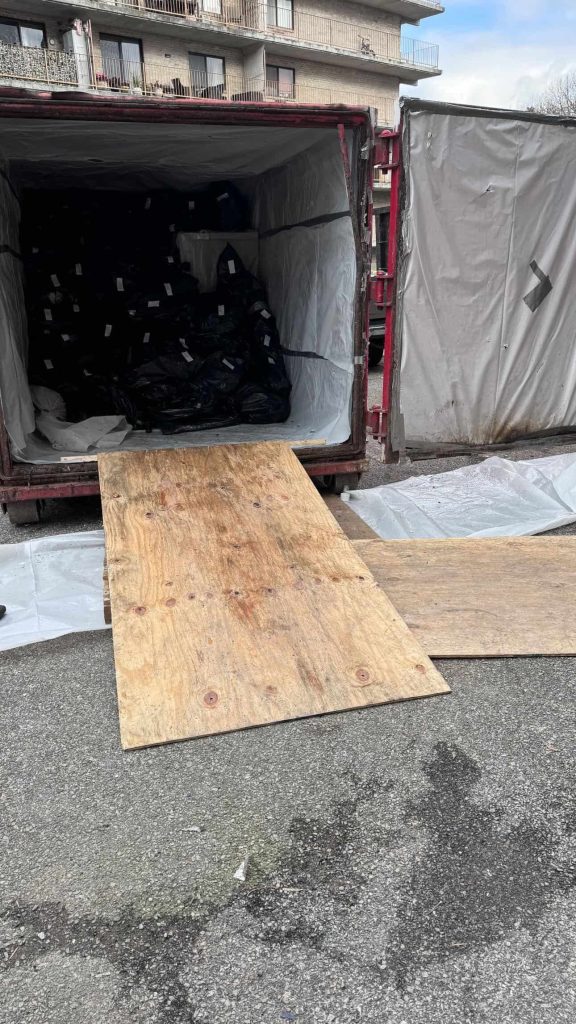
Salvaging belongings after a fire is a process of sorting, packing, cleaning, and documenting, not a single trip to the curb. In NY homes, many items can be saved if they are handled before soot is smeared into them. Others cannot be cleaned and should still be inventoried before they are discarded, especially when an insurer is involved.
Written by the Bowerman Cleaning and Restoration Team · June 23, 2026
Key Takeaways
- Photograph and list items before they are thrown away.
- Pack-out moves salvageable belongings out of the work area so they can be cleaned without being re-contaminated.
- The decision to clean or discard depends on the material, the residue, and the item’s condition, not only on how it looks at first glance.
- Important papers, medicines, and valuables should be set aside early if they can be reached safely.
In This Guide
- How Does Salvaging Belongings After a Fire Usually Work?
- What Typically Gets Packed Out Versus Left in Place?
- How Does This Process Help an Insurance Claim?
- Salvaging Belongings After a Fire FAQs
How Does Salvaging Belongings After a Fire Usually Work?
Short answer: document first, then sort, pack out what can be saved, clean those items away from the work area, and keep a list of what cannot be saved. The building cleanup and the contents work should be planned together.
- Document in place. Photograph rooms and items as they were found, if the building is safe to enter. This record matters for a claim and for later decisions.
- Set aside urgent items. Medicines, glasses, phones, IDs, and important papers should be retrieved if they can be reached safely and then cleaned or stored as appropriate.
- Sort and pack out. Salvageable goods are packed, often to a cleaning location, so demolition does not destroy them and so soot is not spread.
- Clean or recommend replacement. Hard, non-porous items are more often cleaned. Porous, heavily stained, or fire-damaged items are more often replaced.
- Inventory discards. Items that cannot be saved should still be listed before they leave the site, especially when an insurer is involved.
What fire damage restoration is includes this contents work as part of the larger job. The fire damage restoration services page outlines that scope. Practical first steps, including waiting to discard items, are also in what to do first after a house fire.
What Typically Gets Packed Out Versus Left in Place?
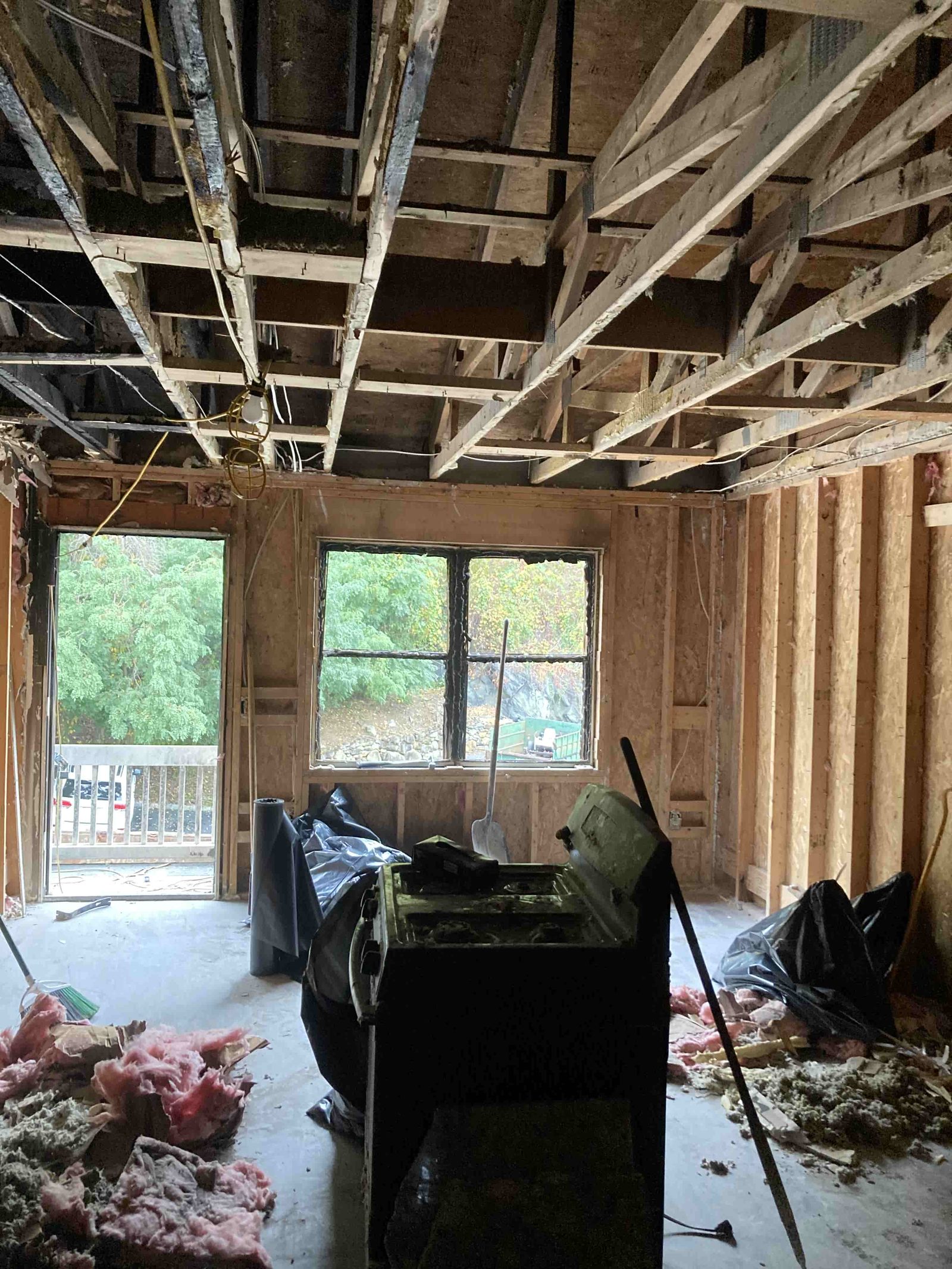
Short answer: items that can be cleaned, and items that would be damaged by the work, are packed out; fixtures and debris stay on a different path. A small job may only need protection in place. A larger fire usually needs a pack-out.
| Usually packed out when salvageable | Often left for building work or disposal |
|---|---|
| Clothing, linens, and drapes that can be cleaned | Charred furniture that has lost its structure |
| Hard furniture, dishes, and many hard goods | Built-in cabinets that will be part of the rebuild scope |
| Documents, photos, and small valuables | Wet, collapsed drywall and insulation debris |
| Electronics that may still be serviceable, after inspection | Opened food and items that cannot be made sanitary |
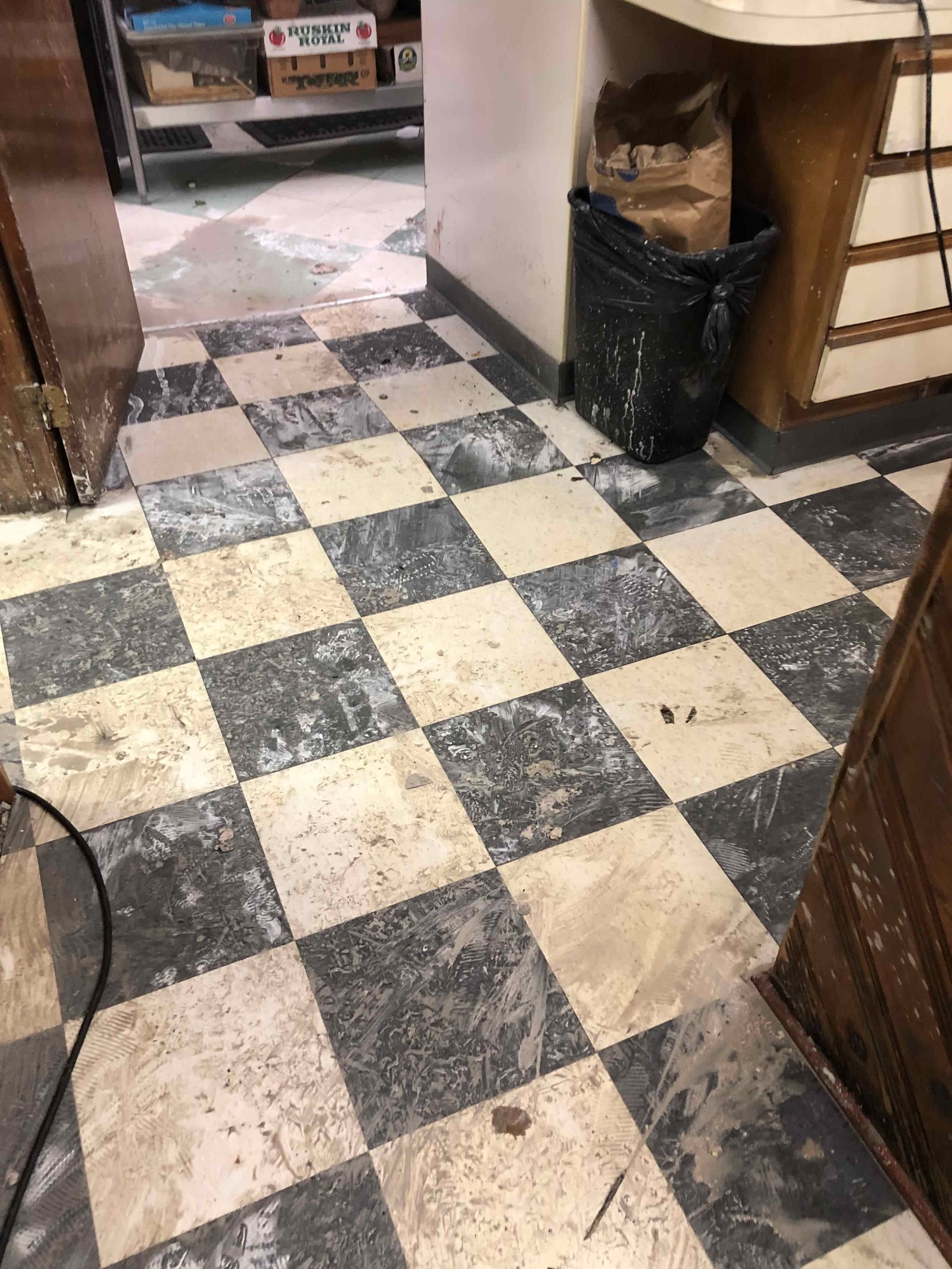
Questions about fire or smoke damage in Westchester County, NY? Bowerman Cleaning and Restoration answers 24/7.
How Does This Process Help an Insurance Claim?
Short answer: a written inventory and photos give the insurer a way to review contents, which a pile at the curb does not. None of this guarantees payment. It only makes the review possible.
The filing a claim page describes general documentation. Ask the insurer how it wants discarded items handled before a large throw-out begins.
A companion guide, salvageable items after a fire, looks at which categories of belongings are often kept and which are not. This article is about the pack-out process itself: inventory, photos, and a clean chain from the house to a cleaning or storage area.
A simple habit helps later. Label boxes by room, keep a copy of the list off site or in email, and note items that were discarded after they were photographed. Those notes will not decide a claim on their own, but they give the insurer and the homeowner a shared record of what left the house and why.
Salvaging Belongings After a Fire FAQs
Should I throw away everything that smells like smoke?
Not automatically. Many textiles and hard goods can be cleaned. Photograph and list items first, then decide with a written plan, especially if a claim is open.
Can I pack things myself?
If the building is safe and the items are not heavily sooted, a careful pack of urgent personal items can be reasonable. A large pack-out of sooty contents is easy to do in a way that spreads residue.
What about important papers and photographs?
They should be retrieved if it is safe, kept dry, and handled as little as possible until someone experienced with document recovery can advise. Do not peel wet pages apart in a hurry.
Who decides what is worth cleaning?
The condition of the item, the type of residue, and the cost of cleaning versus replacement all matter. A contents inventory makes those choices clearer.
Is pack-out part of fire restoration?
Often yes, when belongings would otherwise be damaged by the building work or would get in the way of a thorough cleanup.
Have questions about salvaging belongings after a fire in a Westchester NY home? Bowerman Restoration LLC d/b/a Bowerman Cleaning & Restoration, 7 Intervale Street, White Plains, NY 10606, answers 24/7 at (844) 269-3762.