
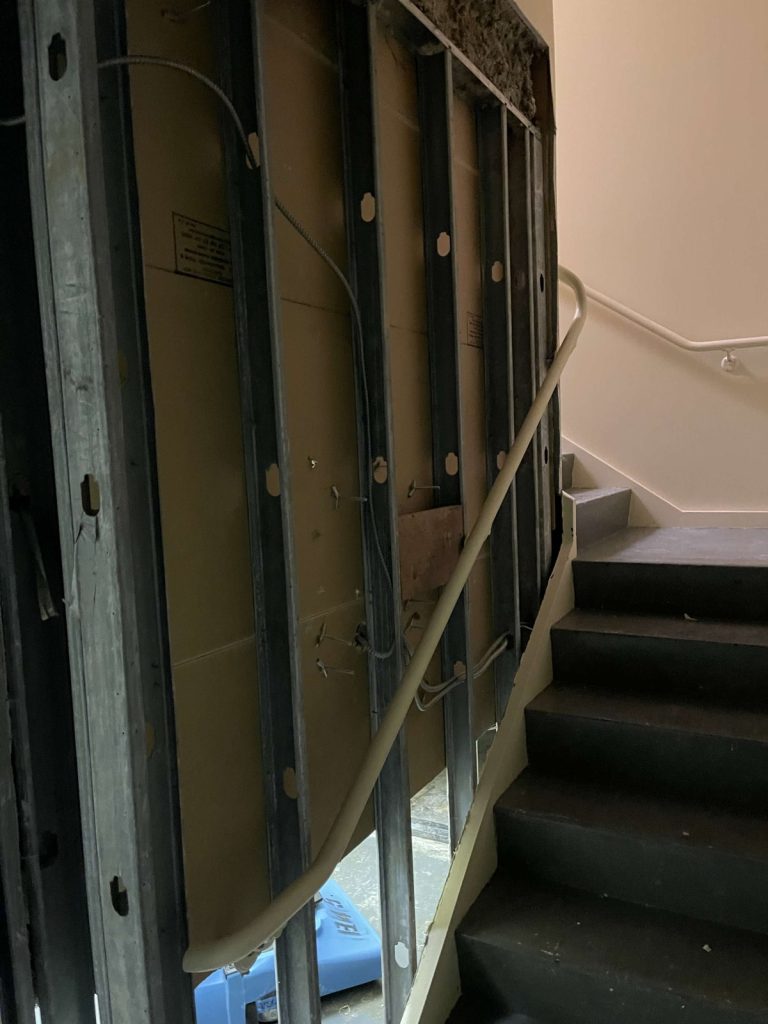
Sewage cleanup company vs plumber is a split between the pipe and the building. A plumber clears the blockage, inspects the line, and repairs or replaces pipe. A sewage cleanup company removes the wastewater, tears out soaked materials, cleans, disinfects, and dries the space. After a backup in NY, most jobs need both, usually at the same time.
Written by the Bowerman Cleaning and Restoration Team · September 15, 2026
Key Takeaways
- The plumber handles the pipe: clearing, camera inspection, and repair.
- The cleanup company handles the building: extraction, removal, cleaning, disinfection, and drying.
- Both are usually called at once so the source stops and the cleanup starts quickly.
- The roles rarely overlap, so neither one replaces the other.
In This Guide
- What Does Each One Do?
- Who Should Be Called First?
- Where Do the Roles Overlap?
- How Do They Work Together on One Job?
- Sewage Cleanup Company vs Plumber FAQs
What Does Each One Do?
Short answer: the plumber fixes the cause, and the cleanup company deals with the damage the water left behind.
| Task | Plumber | Sewage cleanup company |
|---|---|---|
| Clear the blockage | Yes | No |
| Camera inspection of the line | Yes | No |
| Repair or replace pipe | Yes | No |
| Install a backwater valve | Yes | No |
| Extract standing wastewater | Sometimes, limited | Yes |
| Remove soaked carpet, pad, and drywall | No | Yes |
| Clean and disinfect surfaces | No | Yes |
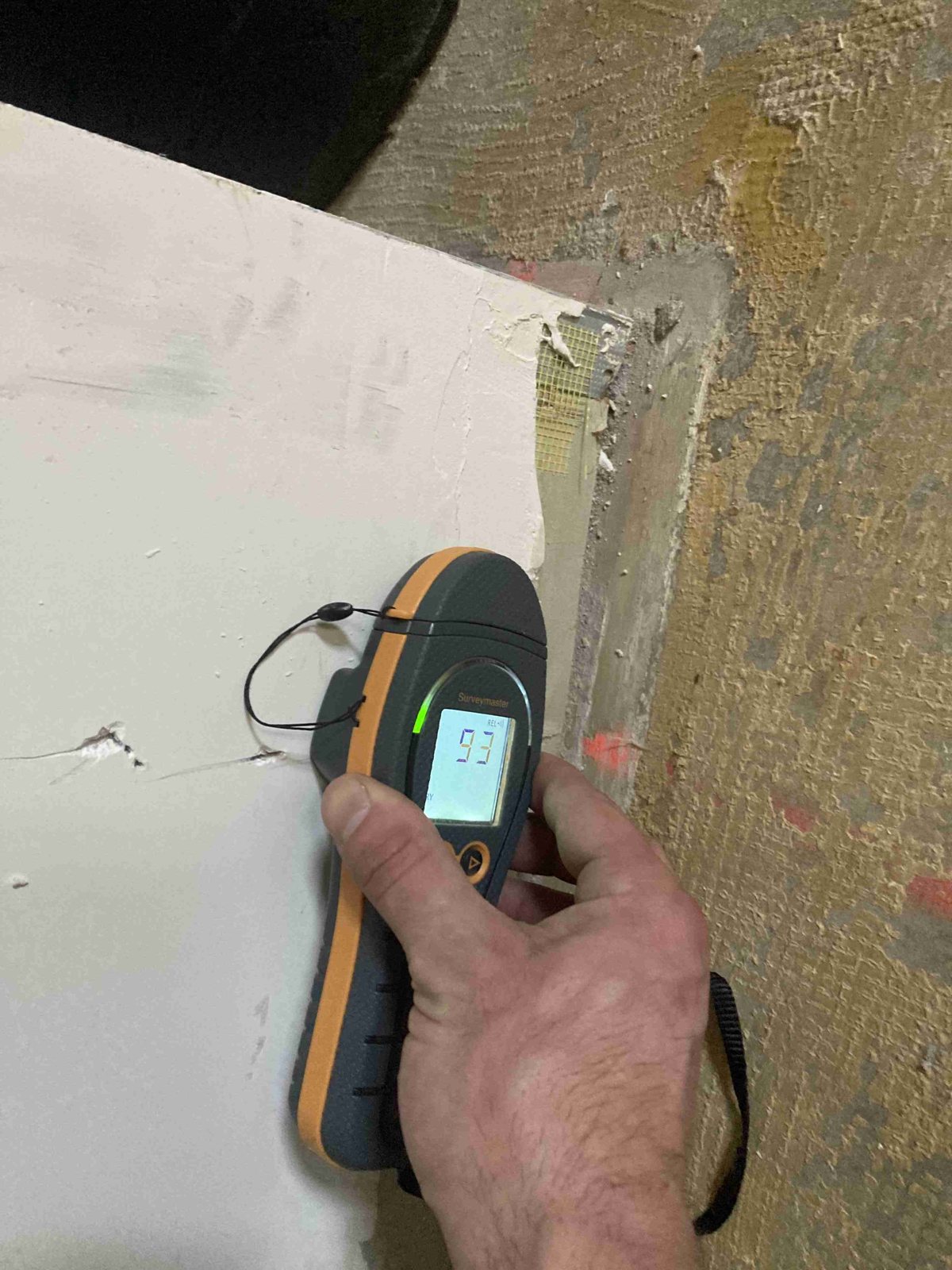
| Dry and document with readings | No | Yes |
| Rebuild finishes | No | Sometimes, or a contractor |
The split is similar to the one between restoration companies and builders described in water damage company vs contractor. A full overview of the work is in what is sewage damage cleanup.
Who Should Be Called First?
Short answer: both, at nearly the same time; the plumber stops the source while the cleanup crew protects the building.
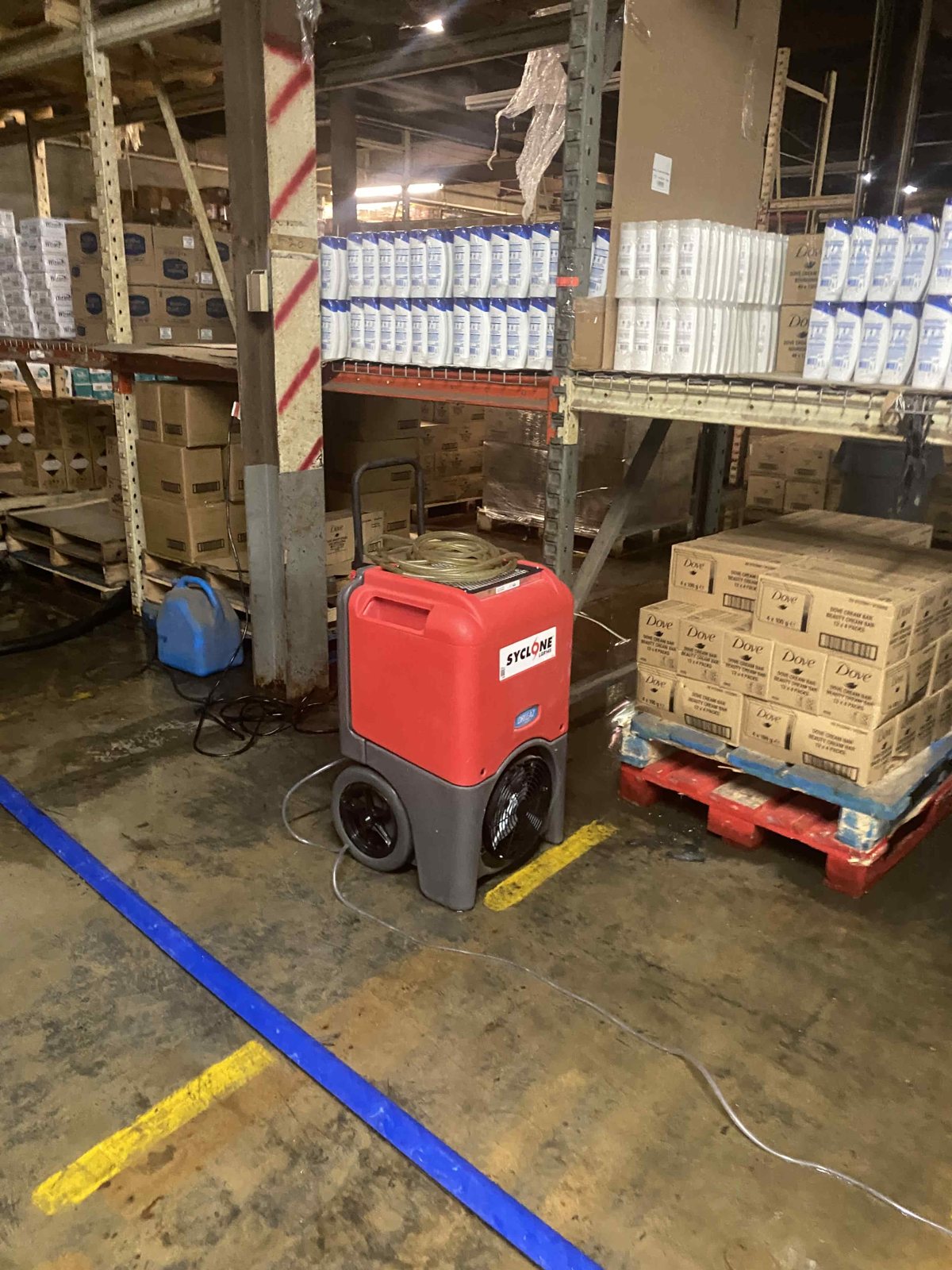
If wastewater is still coming up, the plumber needs to clear the line before the cleanup can finish. That does not mean the cleanup has to wait. A crew can close off the area, extract standing water, and start removing soaked materials while the plumber works, which limits how far contamination spreads.
When calling, it helps to tell each one what the other is doing. The plumber should know that a cleanup crew is on the way so the cleanout and the affected drain stay accessible. The cleanup crew should know whether the line is cleared yet, because that decides whether water in the building can be used again and when drying can start.
If neighbors are having the same problem during heavy rain, the cause may be in the public main. In that case the municipality, not a private plumber, handles the sewer, as the EPA explains in its overview of sanitary sewer overflows. The building still needs cleanup either way.
Sewage backup at a Westchester County, NY property? Bowerman Cleaning and Restoration answers 24/7.
Where Do the Roles Overlap?
Short answer: rarely; a plumber may remove some water, but tear-out, disinfection, and drying are cleanup work.
Some plumbers will vacuum up water around a floor drain after clearing it. That removes the puddle but not the contamination in carpet pad, drywall, and framing. Cleanup crews, for their part, do not repair or replace sewer pipe. The disinfecting step uses products from the EPA list of registered disinfectants, applied after cleaning and left for the label contact time.
When comparing cleanup crews, the live checklist of water damage company questions is a useful starting point, and the case study on burst pipe flood restoration shows how plumbing repair and restoration fit on a clean-water job. The sewage cleanup company questions guide covers this in more detail.
How Do They Work Together on One Job?
Short answer: in sequence: stop, clear, contain, remove, clean, dry, repair, rebuild.
- Stop the inflow. Stop using water in the building so the backup does not grow.
- Plumber clears the line. The plumber clears the blockage, runs a camera if needed, and names the cause.
- Cleanup crew contains and extracts. The crew sets up containment and removes standing wastewater.
- Porous materials come out. Soaked carpet, pad, drywall, and insulation are removed and bagged.
- Clean, disinfect, and dry. Surfaces that stay are cleaned, disinfected, and dried to a measured target.
- Plumber makes permanent repairs. Pipe repairs, lining, or a backwater valve are completed, often while walls are open.
- Rebuild. Drywall, flooring, and trim go back once everything is dry and repaired.
Keep the plumber invoice that names the cause. It helps the insurer decide which coverage applies, as explained in water damage insurance coverage. The sewage damage cleanup and restoration page outlines the cleanup side of the job.
Sewage Cleanup Company vs Plumber FAQs
Can a plumber clean up sewage?
A plumber may remove some standing water, but removing soaked materials, disinfecting, and drying are cleanup work.
Does a sewage cleanup company fix pipes?
Usually not. Pipe clearing and repair are plumbing work.
Should the plumber come before the cleanup crew?
Ideally both are called at once. The crew can start containment and extraction while the plumber clears the line.
Who documents the damage for insurance?
The cleanup crew documents the building damage, and the plumber invoice documents the cause.
What if the problem is in the public sewer?
The municipality handles the public main. The building still needs cleanup, and the owner should report the problem to the local sewer department. The sewage backup vs sewer line break guide covers this in more detail.
Sorting out sewage cleanup company vs plumber roles at a Westchester NY property? Bowerman Restoration LLC d/b/a Bowerman Cleaning & Restoration, 7 Intervale Street, White Plains, NY 10606, answers 24/7 at (844) 269-3762.