
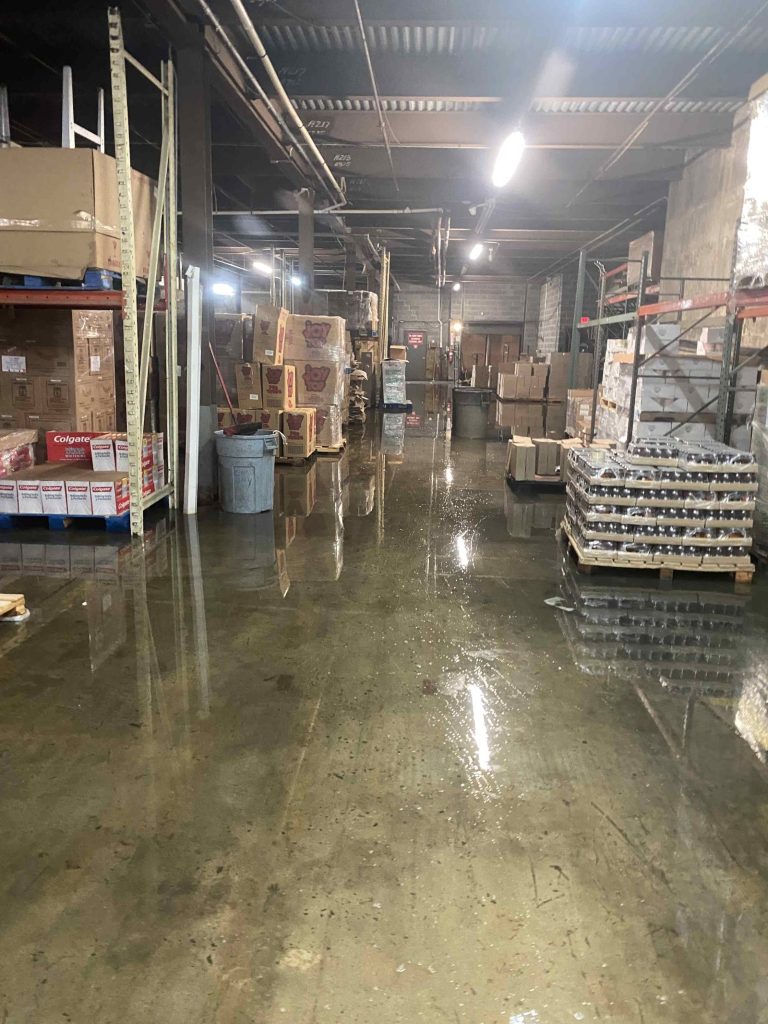
The main types of water damage are sorted three ways: by where the water came from, by how contaminated it is (clean, gray or black), and by how much got wet (the class of loss). Knowing the type tells you what is safe and what can be saved. For NY homeowners, it also hints at how insurance will treat the loss.
Written by the Bowerman Cleaning and Restoration Team · April 17, 2026
Key Takeaways
- Source describes where the water came from, such as a pipe, appliance, roof or flood.
- Category describes contamination: clean, gray or black water.
- Class describes how much water there is and how hard drying will be.
- Together, they decide the cleanup plan, the equipment and the timeline.
In This Guide
- What Types of Water Damage Are There by Source?
- What Types of Water Damage Are There by Contamination?
- What Types of Water Damage Are There by Amount?
- Why Does the Type of Water Damage Matter?
- What Types of Water Damage Are Common in NY Homes?
- Types of Water Damage FAQs
What Types of Water Damage Are There by Source?
Short answer: plumbing, appliances, roof, groundwater, sewage and flooding. The source is usually the first question, because it hints at the other two.
| Source type | Examples | Typical concern |
|---|---|---|
| Plumbing | Burst pipe, leaking supply line, failed fitting | Water spreads into walls and floors fast |
| Appliance | Washing machine, dishwasher, water heater, ice maker | Leaks under floors and cabinets |
| Roof and exterior | Missing shingles, ice dams, window leaks | Ceiling and wall damage, often hidden |
| Groundwater and sump | Failed sump pump, seepage through foundation | Finished basements and stored items |
| Sewage | Main line backup, toilet overflow | Contamination and health risk |
| Flood | Storm surge, river or surface flooding | Contamination and large areas |
This overview of what water damage restoration is explains what happens after the source is identified. Professional water damage restoration services use the type of loss to set drying, removal and safety decisions.
What Types of Water Damage Are There by Contamination?
Short answer: clean water, gray water and black water. The IICRC S500 Standard calls these Categories 1, 2 and 3. This guide to water damage categories explains that split in more detail.
- Clean water (Category 1): from a supply line or rain through a window. Lowest risk.
- Gray water (Category 2): from a washing machine, dishwasher or toilet overflow without feces. Some contamination.
- Black water (Category 3): from sewage or outside floodwater. High risk, with more removal and sanitizing.
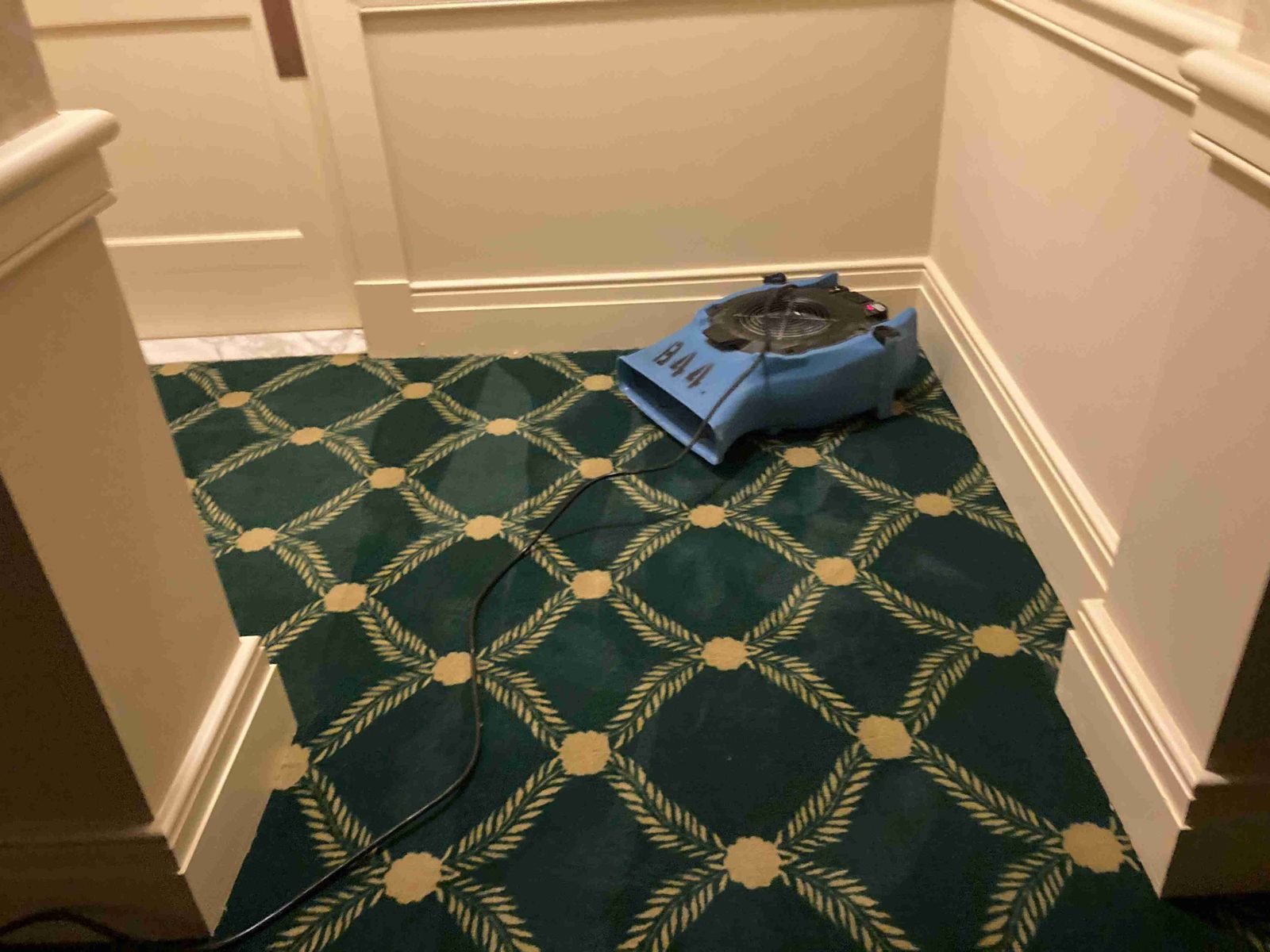
Clean water can become gray or black if it sits or travels through dirty areas. For sewage specifically, see this overview of sewage damage cleanup.
What Types of Water Damage Are There by Amount?
Short answer: four classes, from a small wet area to deep saturation of dense materials. Class indicates how much drying equipment is needed and how long it may run.
| Class | What it looks like | Drying effort |
|---|---|---|
| Class 1 | Part of a room, little water absorbed | Least equipment and time |
| Class 2 | Whole room, carpet and lower walls wet | More air movers and dehumidifiers |
| Class 3 | Water from above, ceilings and walls soaked | Most evaporation needed |
| Class 4 | Dense materials such as hardwood, plaster or concrete | Specialty drying and longer time |
Not sure what type of water damage you have? Bowerman Cleaning & Restoration can inspect it, 24/7 across Westchester County.
Why Does the Type of Water Damage Matter?
Short answer: it changes safety, cost, insurance and what can be saved. Two leaks of the same size can lead to very different jobs.
- Safety: black water needs protective gear and keeping people away.
- What stays: clean water caught early often lets carpet and drywall stay.
- Drying time: dense materials and Class 4 losses take longer.
- Insurance: a burst pipe, a flood and a sewer backup are treated differently by most NY policies.
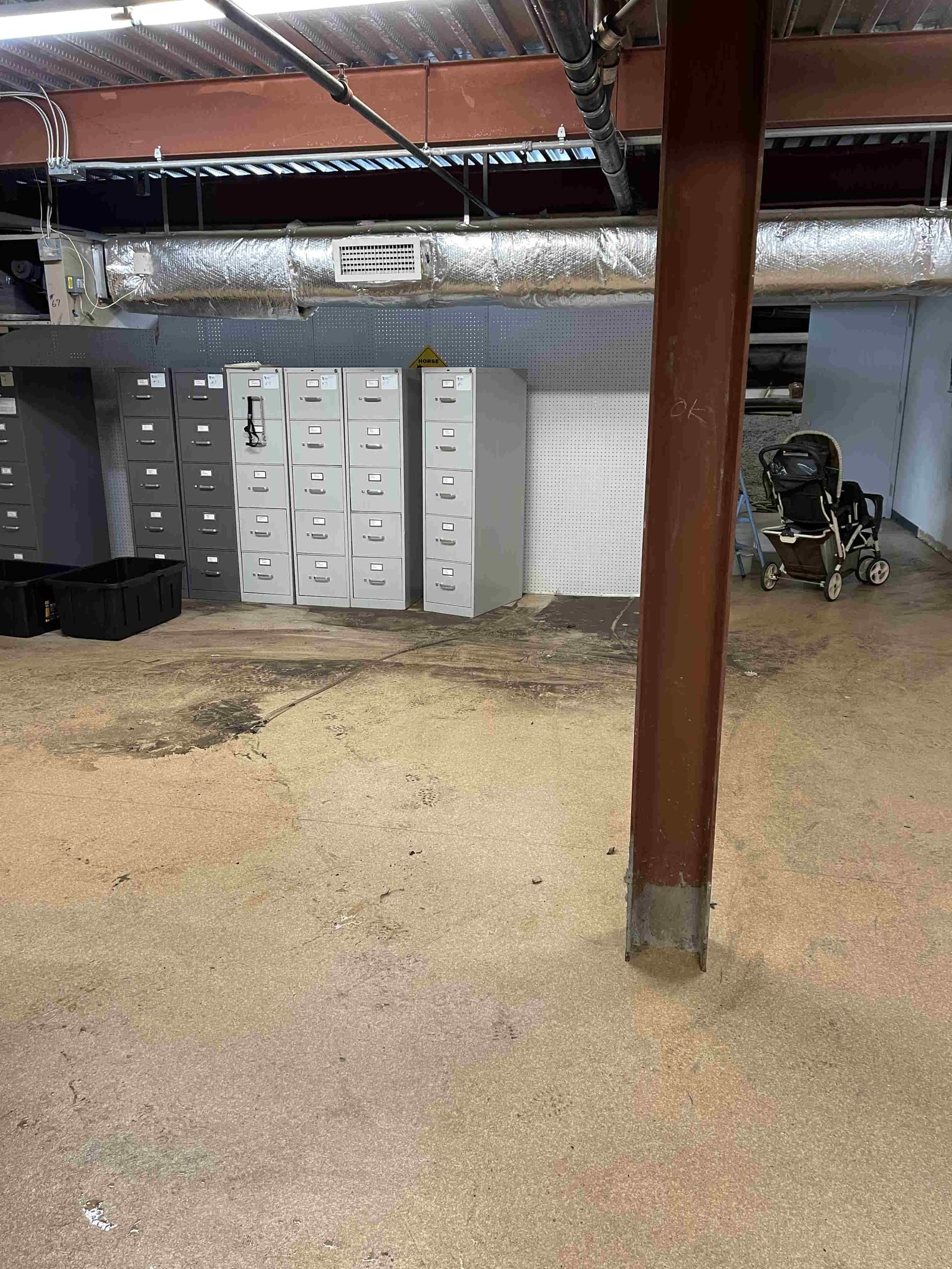
Insurance is often the biggest surprise. The New York State Department of Financial Services explains that standard homeowners policies do not cover flood. This guide on whether homeowners insurance covers water restoration has more detail.
What Types of Water Damage Are Common in NY Homes?
Short answer: frozen pipes, basement floods and coastal flooding.
Cold winters bring frozen pipes and ice dams, which are usually clean water at first. Heavy spring and summer rain can overwhelm sump pumps and flood finished basements. Coastal and river areas face storm surge, which is always Category 3. In apartment buildings, water from one unit often reaches another, which can turn a Class 1 leak into a multi-unit loss.
Types of Water Damage FAQs
What is the most serious type of water damage?
Black water (Category 3), such as sewage or floodwater, is the most serious because it can carry bacteria and chemicals. It usually requires removing porous materials, protective gear and thorough sanitizing.
What is the difference between water damage category and class?
Category describes how contaminated the water is. Class describes how much water there is and how hard it will be to dry. A small sewage leak can be Category 3 but Class 1.
Is flood damage a type of water damage?
Yes. Flooding from outside is a type of water damage, and it is treated as black water. It is also handled differently by insurance, since standard homeowners policies in NY do not cover flood.
Can the type of water damage change during cleanup?
Yes. Clean water can become contaminated if it sits or spreads through dirty areas. More water than expected may also turn up once walls are opened or flooring is lifted, which can change the class.
Do all types of water damage need professional help?
A small clean-water spill on a hard floor usually does not. Water that soaked into carpet, walls or ceilings, or any dirty water, should be handled by someone with moisture meters and drying equipment.
Which type of water damage is hardest to dry?
Class 4 losses, where water soaked into dense materials such as hardwood, plaster or concrete. These hold water deep inside and often need specialty equipment and more time to reach a dry target.
Need water damage assessed in Westchester County? Bowerman Restoration LLC d/b/a Bowerman Cleaning & Restoration, 7 Intervale Street, White Plains, NY 10606, answers 24/7 at (844) 269-3762.