
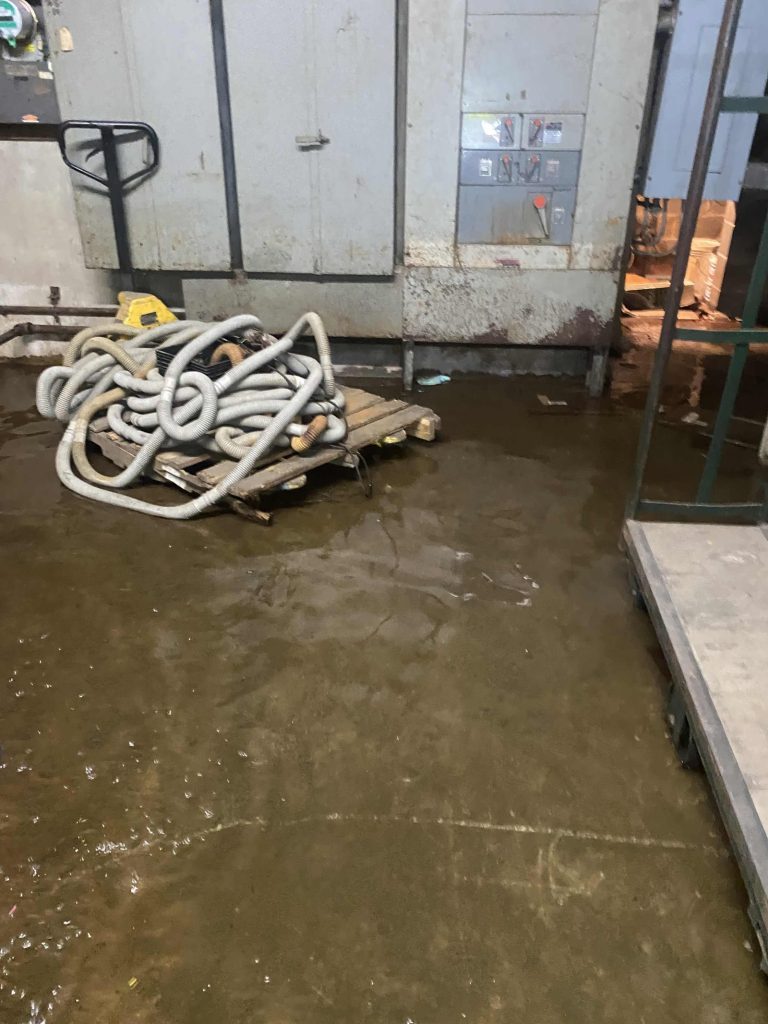
There are three water damage categories. Category 1 is clean water, such as a burst supply line. Category 2 is gray water, such as a washing machine overflow. Category 3 is black water, such as sewage or floodwater. In NY homes, the category decides how people are protected, what gets removed and what can be saved.
Written by the Bowerman Cleaning and Restoration Team · April 15, 2026
Key Takeaways
- Categories describe how contaminated the water is, not how much water there is.
- Clean water can turn gray or black if it sits or touches dirty materials.
- Category 3 water means more tear-out, protective gear and sanitizing.
- The category affects what can be saved, especially carpet, pad and drywall.
In This Guide
- What Are the Three Water Damage Categories?
- Can Water Change Categories Over Time?
- Why Does the Category Matter?
- Is Floodwater Always Category 3?
- Which Categories Are Most Common in NY Homes?
- Water Damage Categories FAQs
What Are the Three Water Damage Categories?
Short answer: clean water, gray water and black water. The IICRC S500 Standard uses these three categories to guide how each loss is handled.
| Category | Common sources | What it means for cleanup |
|---|---|---|
| Category 1: clean water | Burst supply line, overflowing sink, rain through a window | Lowest risk. Many materials can be dried in place if caught early. |
| Category 2: gray water | Washing machine or dishwasher overflow, toilet overflow with urine only | Some contamination. Carpet pad usually goes, and surfaces are sanitized. |
| Category 3: black water | Sewage backup, toilet overflow with feces, river or storm flooding | High risk. Porous materials usually go, and workers wear protective gear. |
This overview of what water damage restoration is explains the full process that follows once the category is known. Professional water damage restoration services use that category to set safety and removal decisions. Category is only one of two ratings on a job; this guide to water damage category and class explains how the amount of water is rated separately.
Can Water Change Categories Over Time?
Short answer: yes, clean water can become gray or black. Water picks up contamination as it sits and spreads.
- Time: clean water left for a day or two in a warm home can start to grow bacteria.
- Contact: water that runs through a dirty crawl space or across soil becomes contaminated.
- Mixing: a clean-water leak that reaches a sewer line or floor drain backup can turn black.
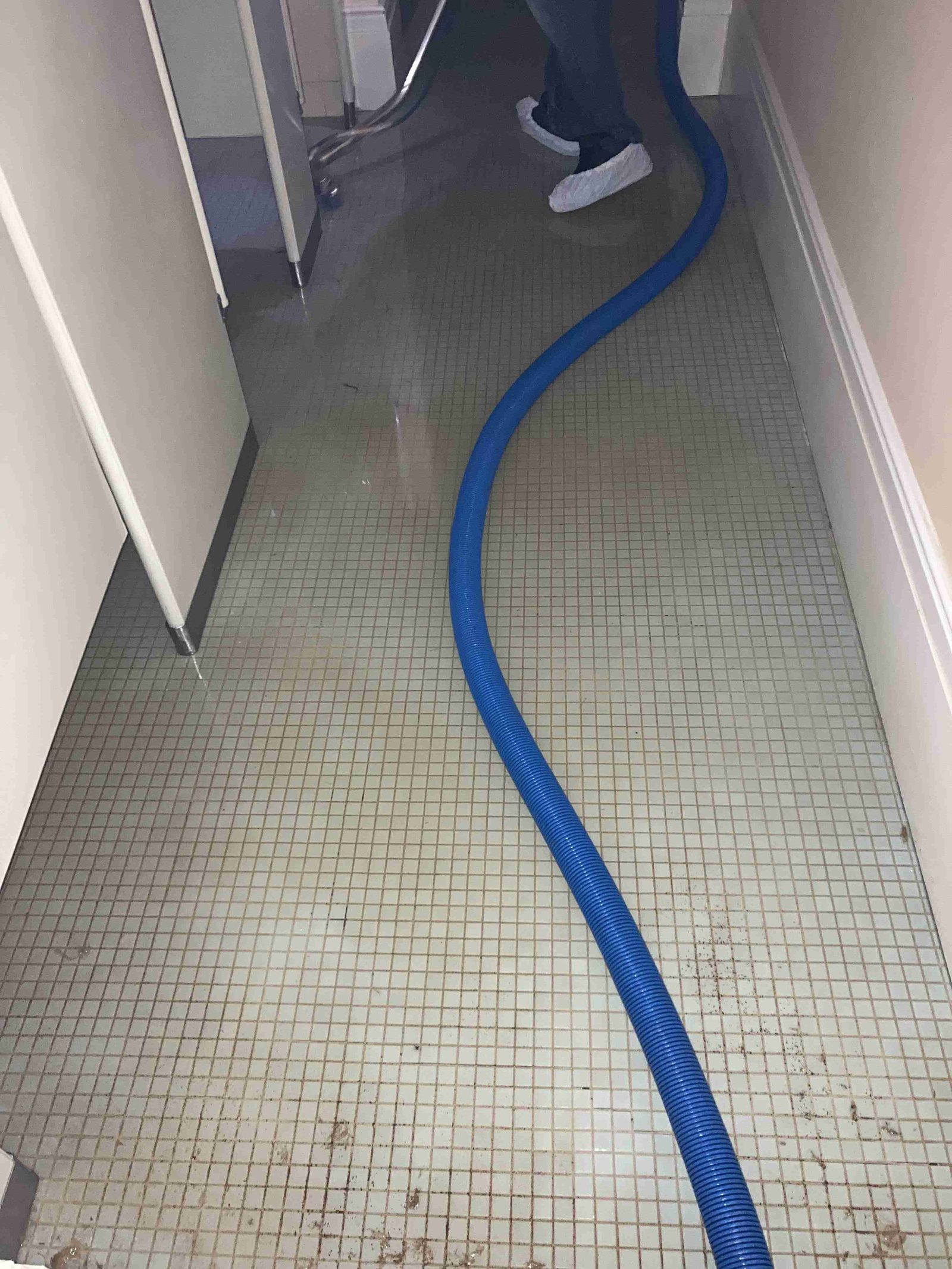
That is why speed matters. The EPA’s guide to mold and moisture advises drying wet materials within 24 to 48 hours to help prevent mold growth.
Why Does the Category Matter?
Short answer: it decides what stays, what goes and how people are protected. Here is how the category changes the job:
Category 1
Most materials can often be dried in place. Carpet and pad may be saved if extraction starts quickly. Drywall that is not swollen may only need venting.
Category 2
Carpet pad is usually removed, and the carpet may be cleaned or replaced. Surfaces are cleaned and sanitized. More caution is needed with children, older adults and anyone with health issues.
Category 3
Porous materials that touched the water, such as carpet, pad, drywall and insulation, usually come out. Workers wear protective gear, and the area may be contained. This overview of sewage damage cleanup covers this kind of loss in detail.
Not sure if the water is clean or contaminated? Keep people and pets out, and call Bowerman Cleaning & Restoration, available 24/7 across Westchester County.
Is Floodwater Always Category 3?
Short answer: yes, floodwater from outside is treated as black water. The EPA’s flood cleanup guidance notes that flood water may contain bacteria or chemicals that can affect your health.
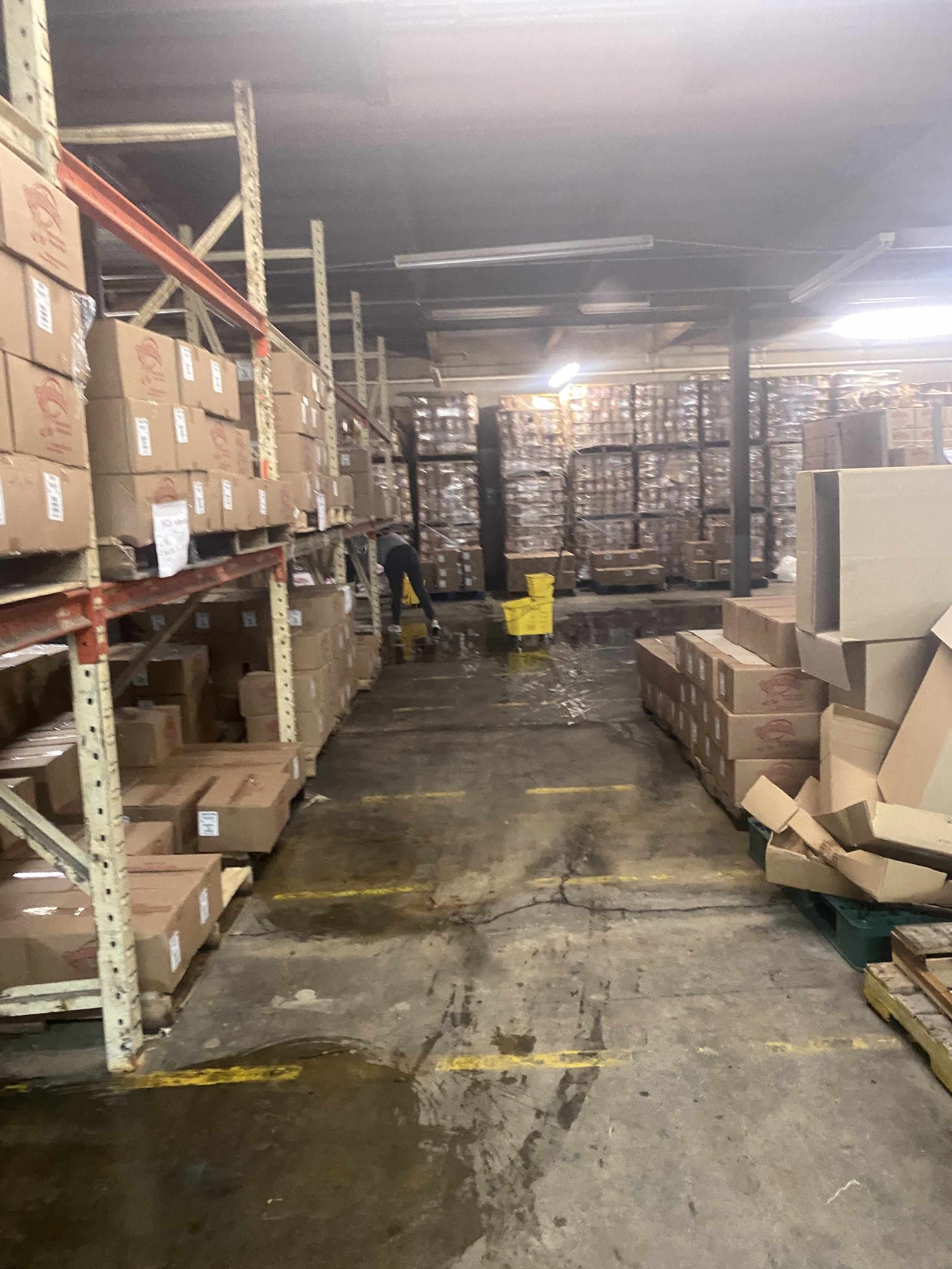
So avoid contact with floodwater, and do not try to save soaked porous items on your own. This article on basement flood restoration after heavy rain covers what that cleanup involves.
Which Categories Are Most Common in NY Homes?
Short answer: all three, depending on the season and the source.
Burst pipes during cold snaps are usually Category 1 if caught quickly. Washing machine and dishwasher leaks in apartments are often Category 2. Storm flooding in coastal and river areas, and sewer backups in older neighborhoods with aging lines, are Category 3.
Water Damage Categories FAQs
Who decides the water damage category?
A trained technician decides on site, based on the source, how long the water sat and what it touched. The category can be upgraded if signs of contamination turn up during the job.
Is a toilet overflow Category 2 or Category 3?
It depends on what was in the bowl. Water from a toilet with only urine is usually Category 2. If feces were present, or the overflow came from a sewer backup, it is treated as Category 3.
Can I clean up Category 3 water myself?
It is not recommended. Black water can carry bacteria and chemicals, and porous items it touched usually need to be removed. Professionals use protective gear and sanitize the area properly.
Can carpet be saved after Category 2 water?
Sometimes the carpet can be cleaned and saved, but the pad underneath is usually replaced. After Category 3 water, both carpet and pad are normally removed. Area rugs may be cleaned by a specialist.
Is water damage category the same as water damage class?
No. Category describes how contaminated the water is. Class describes how much water there is and how hard the area will be to dry. Both are used to plan the job.
Does the category change how long restoration takes?
Often, yes. Category 2 and 3 losses need more removal, cleaning and sanitizing, which adds time. The drying itself depends more on the class, meaning how much water there is and what materials got wet.
Dealing with contaminated water in Westchester County? Bowerman Restoration LLC d/b/a Bowerman Cleaning & Restoration, 7 Intervale Street, White Plains, NY 10606, answers 24/7 at (844) 269-3762.