
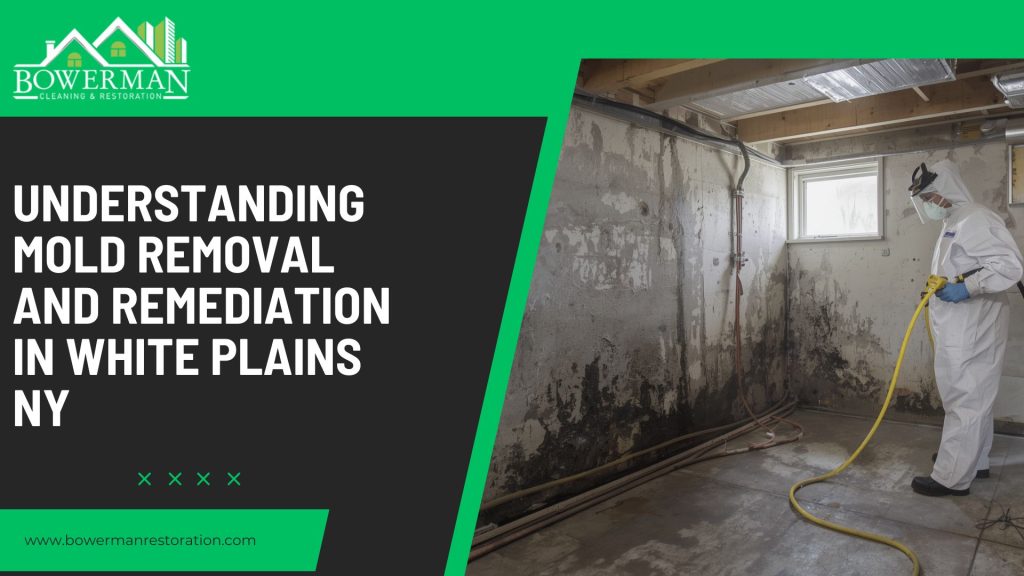

When homeowners in White Plains, NY discover mold in their properties, they’re often confused about the terminology surrounding mold treatment. The phrases “mold removal” and “mold remediation” are frequently used interchangeably, but they represent fundamentally different approaches to addressing mold problems. Understanding what is the difference between mold removal and mold remediation in White Plains NY is crucial for making informed decisions about protecting your home and family’s health.
Mold growth in Westchester County homes is more common than many residents realize, particularly given the region’s humid climate and older housing stock. The distinction between removal and remediation isn’t just semantic—it reflects two entirely different philosophies about how to handle mold contamination effectively. While mold removal suggests the complete elimination of all mold from a property, mold remediation takes a more realistic and scientifically-based approach to managing mold levels.
The confusion between these terms often leads homeowners to have unrealistic expectations about what’s possible when dealing with mold issues. Some contractors may promise complete mold removal, which sounds appealing but is actually impossible to achieve in real-world conditions. Mold spores exist naturally in both indoor and outdoor environments, and the goal should be to restore mold levels to normal, acceptable ranges rather than attempting total elimination.
In White Plains specifically, the local climate conditions, building materials commonly used in construction, and the age of many homes create unique challenges for mold management. Homes built in different eras may have varying susceptibilities to mold growth, and understanding the proper approach to treatment can save homeowners thousands of dollars while ensuring their families’ safety. The choice between companies that promise removal versus those that practice proper remediation can mean the difference between a temporary fix and a long-term solution.
Key Takeaways
- Mold removal is technically impossible: Complete elimination of all mold spores from any environment is not achievable, as mold spores naturally exist everywhere in our environment, both indoors and outdoors.
- Mold remediation is the proper approach: Professional remediation focuses on returning mold levels to normal, naturally occurring ranges that don’t pose health risks to occupants.
- White Plains climate factors: The humid subtropical climate of Westchester County creates conditions that favor mold growth, making proper remediation techniques essential for long-term success.
- Containment is crucial: Proper remediation involves containing affected areas to prevent cross-contamination during the cleanup process, while removal approaches often neglect this critical step.
- Source elimination matters: Effective remediation addresses underlying moisture sources that enabled mold growth, whereas simple removal often ignores these root causes.
- Health considerations vary: Different mold species common in White Plains homes pose varying health risks, requiring targeted approaches rather than one-size-fits-all removal methods.
- Cost implications differ significantly: While removal may seem less expensive initially, proper remediation often proves more cost-effective long-term by preventing recurring problems.
- Regulatory compliance: New York State guidelines favor remediation approaches that follow established protocols rather than unregulated removal practices.
Understanding Mold Basics in White Plains
Mold is a natural part of our environment, and understanding this fundamental fact is essential for White Plains homeowners dealing with mold issues. Mold spores are microscopic organisms that float through the air both indoors and outdoors, and they’re present in virtually every environment on Earth. These spores are looking for suitable conditions to grow and reproduce, which include moisture, organic material to feed on, and appropriate temperatures.
In White Plains, the combination of the region’s climate and housing characteristics creates numerous opportunities for mold growth. The area experiences high humidity levels during summer months, and many homes feature basements, crawl spaces, and older building materials that can retain moisture. Additionally, the freeze-thaw cycles common in the Northeast can create building envelope issues that allow moisture intrusion.
The most common types of mold found in White Plains homes include Aspergillus, Penicillium, Cladosporium, and occasionally Stachybotrys (black mold). Each of these species has different growth requirements and potential health implications. Some molds are relatively benign, while others can produce mycotoxins that pose serious health risks, particularly for individuals with compromised immune systems, allergies, or respiratory conditions.
When mold growth occurs indoors, it typically indicates an underlying moisture problem that needs to be addressed. Common sources include plumbing leaks, roof leaks, poor ventilation, flooding, or high humidity levels. Simply removing visible mold without addressing these underlying moisture sources virtually guarantees that the problem will return, often worse than before.

What Mold Removal Actually Means
The term “mold removal” suggests that all mold can be completely eliminated from a property, but this is a fundamental misunderstanding of how mold works. Companies that advertise mold removal services are either misinformed about the nature of mold or are using misleading marketing tactics to attract customers. The reality is that mold spores are everywhere, and attempting to remove every single spore from an indoor environment is both impossible and unnecessary.
Mold removal approaches typically focus on cleaning visible mold growth using various methods such as scrubbing with bleach solutions, sanding contaminated surfaces, or simply painting over affected areas. While these methods may make the mold disappear temporarily, they often fail to address the underlying moisture conditions that allowed the mold to grow in the first place. This means the mold is likely to return, sometimes within weeks or months of the “removal” work.
Another significant problem with mold removal approaches is that they often lack proper containment procedures. When contractors disturb mold colonies without proper containment, they can actually spread spores throughout the property, contaminating areas that were previously unaffected. This cross-contamination can turn a localized mold problem into a whole-house issue, dramatically increasing the scope and cost of necessary cleanup work.
In White Plains, some contractors may offer quick and inexpensive mold removal services that seem attractive to homeowners dealing with budget constraints. However, these services often provide only temporary cosmetic improvements while failing to solve the underlying problem. Homeowners who choose removal over proper remediation frequently find themselves dealing with recurring mold issues that become progressively more expensive to address.
The lack of industry standards for mold removal also means that homeowners have little recourse if the work proves ineffective. Unlike mold remediation, which follows established protocols and guidelines, removal work is often performed without proper testing, documentation, or quality assurance measures. This leaves homeowners vulnerable to poor workmanship and incomplete solutions.

Professional Mold Remediation Explained
Mold remediation represents the scientifically sound approach to managing mold problems in White Plains homes. Rather than promising impossible complete removal, remediation focuses on returning mold levels to normal ranges that naturally occur in healthy indoor environments. This approach recognizes that some level of mold spores will always be present and aims to control growth and prevent health risks.
The remediation process begins with a thorough assessment to identify the extent of mold contamination and the underlying moisture sources that enabled growth. Professional remediation companies use moisture meters, thermal imaging cameras, and air sampling equipment to develop a comprehensive understanding of the problem. This assessment phase is crucial because it determines the appropriate scope of work and helps prevent future recurrence.
Proper containment is a hallmark of professional remediation work. Before any disturbance of mold colonies begins, technicians establish containment barriers using plastic sheeting and negative air pressure systems. This prevents spores from spreading to uncontaminated areas during the cleanup process. The containment area is treated as a controlled environment where workers wear appropriate personal protective equipment and follow strict protocols.
The actual cleanup process involves carefully removing contaminated materials that cannot be effectively cleaned, such as porous items like drywall, insulation, and carpeting. Non-porous surfaces are cleaned using HEPA vacuums and antimicrobial solutions. Throughout this process, air filtration equipment continuously removes airborne spores from the work area. After physical cleaning is complete, the area undergoes thorough drying and may receive antimicrobial treatments to prevent regrowth.
Quality assurance is an essential component of professional remediation. Post-remediation verification testing confirms that mold levels have been successfully reduced to acceptable ranges. This testing provides objective evidence that the work was effective and gives homeowners confidence that their indoor air quality has been restored. Companies like Bowerman understand that proper documentation and testing are essential for ensuring customer satisfaction and long-term success.
The Science Behind Effective Mold Management
Understanding the scientific principles behind mold growth and control is essential for appreciating why remediation is superior to simple removal. Mold requires specific conditions to thrive: moisture content above 60% relative humidity, organic food sources, appropriate temperatures (typically between 40-100°F), and adequate time for colony establishment. By controlling these factors, particularly moisture, it’s possible to prevent mold growth even in the presence of spores.
The concept of “acceptable mold levels” is based on extensive research comparing indoor and outdoor mold concentrations. In healthy environments, indoor mold levels should be similar to or lower than outdoor levels, with no unusual concentrations of potentially harmful species. This scientific approach recognizes that mold is part of the natural environment while establishing clear benchmarks for when intervention is necessary.
Modern remediation techniques are based on guidelines developed by organizations such as the Institute of Inspection, Cleaning and Restoration Certification (IICRC) and the American Conference of Governmental Industrial Hygienists (ACGIH). These guidelines provide standardized protocols for assessment, containment, removal, and verification that ensure consistent, effective results. Following these protocols helps ensure that remediation work meets professional standards and provides lasting solutions.
In White Plains, the local climate patterns create specific challenges that require scientific understanding to address effectively. The region’s humidity fluctuations, seasonal temperature changes, and precipitation patterns all influence mold growth potential. Professional remediation companies use this knowledge to recommend appropriate moisture control strategies, ventilation improvements, and preventive measures tailored to local conditions.
Research has also shown that improper mold disturbance can actually increase health risks by releasing large quantities of spores and mycotoxins into the air. This is why professional remediation emphasizes containment and controlled removal techniques. The goal is to minimize exposure during cleanup while achieving long-term mold control through moisture management and environmental modifications.
Cost Considerations and Long-term Value
The financial implications of choosing between mold removal and mold remediation extend far beyond the initial service cost. While mold removal services may appear less expensive upfront, they often result in recurring problems that require repeated treatments, making them more costly over time. Professional remediation, though requiring a larger initial investment, typically provides lasting solutions that prove more economical in the long run.
In White Plains, the cost of mold remediation varies depending on the extent of contamination, the affected materials, and the complexity of moisture source repairs. Small-scale remediation projects might range from $1,500 to $3,000, while extensive contamination requiring structural repairs can cost $10,000 or more. However, these costs should be weighed against the potential expenses of recurring problems, property damage, and health issues associated with inadequate treatment.
Insurance coverage for mold issues varies significantly depending on the cause of the problem and the specific policy terms. Many insurance companies are more likely to cover remediation work performed by certified professionals following industry standards than they are to cover removal work that lacks proper documentation and protocols. Working with reputable companies like Bowerman can help ensure that insurance claims are properly supported with appropriate documentation.
The impact on property values is another important financial consideration. Homes with documented mold problems that were properly remediated typically maintain their market value better than properties with histories of recurring mold issues. Professional remediation provides the documentation and warranties that real estate transactions often require, while removal work may leave questions about the adequacy of treatment.
Hidden costs associated with inadequate mold treatment can include damage to HVAC systems, structural components, and personal belongings. When mold problems are not properly contained and addressed, contamination can spread throughout the property, dramatically increasing the scope of necessary repairs. Professional remediation helps prevent these secondary damages through proper containment and thorough treatment protocols.
Frequently Asked Questions
Q: How long does professional mold remediation take in White Plains homes?
A: The duration depends on the extent of contamination, but most residential remediation projects take 3-7 days. This includes assessment, containment setup, removal of contaminated materials, cleaning, drying, and post-remediation verification testing.
Q: Can I stay in my home during mold remediation work?
A: This depends on the location and extent of the work. Small, contained projects may allow continued occupancy, while extensive remediation often requires temporary relocation to ensure family safety and allow proper containment.
Q: What’s the difference in health risks between removal and remediation approaches?
A: Proper remediation minimizes health risks through containment and controlled removal techniques. Improper removal can actually increase exposure by disturbing mold colonies without adequate protection measures.
Q: How can I verify that remediation work was effective?
A: Professional remediation includes post-remediation verification testing that measures airborne mold levels and confirms that contamination has been reduced to acceptable ranges. This testing provides objective evidence of successful treatment.
Q: Are there specific regulations for mold work in New York State?
A: New York has specific licensing requirements for mold assessment and remediation work. Contractors must be licensed and follow established protocols, which favor remediation approaches over simple removal methods.
Q: What should I look for when choosing a mold professional in White Plains?
A: Look for proper licensing, insurance, certification from organizations like IICRC, references from local customers, and companies that emphasize remediation rather than removal. Companies like Bowerman demonstrate these professional qualifications.
Q: How do I prevent mold problems from recurring after treatment?
A: Successful prevention requires controlling moisture sources through proper ventilation, prompt repair of leaks, humidity control, and regular maintenance. Professional remediation includes recommendations for these preventive measures.
Q: What happens if mold returns after professional remediation?
A: Reputable remediation companies typically provide warranties on their work. If mold returns due to the same moisture source, the warranty should cover additional treatment. However, new moisture sources may require separate attention.
Conclusion
Understanding what is the difference between mold removal and mold remediation in White Plains NY is essential for homeowners facing mold issues. The distinction goes far beyond simple terminology—it represents fundamentally different approaches to a complex environmental problem. While mold removal promises impossible complete elimination and often provides only temporary cosmetic improvements, professional mold remediation offers scientifically-based solutions that address root causes and provide lasting results.
The choice between these approaches has significant implications for your family’s health, your property’s value, and your long-term costs. Professional remediation, though requiring a larger initial investment, typically proves more economical over time by preventing recurring problems and providing proper documentation for insurance and real estate purposes. The containment procedures, moisture source elimination, and verification testing that characterize proper remediation work ensure that mold levels are restored to safe, acceptable ranges.
For White Plains homeowners, working with qualified professionals who understand local climate conditions and building characteristics is crucial for achieving successful outcomes. Companies like Bowerman bring the expertise, equipment, and protocols necessary to address mold problems effectively while protecting your family’s health and your property’s value. By choosing remediation over removal, you’re investing in a solution that addresses the problem comprehensively rather than simply masking symptoms.
The science is clear: mold remediation represents the professional standard for managing indoor mold problems. As you evaluate your options for addressing mold issues in your White Plains home, remember that the goal should be creating a healthy indoor environment through proper moisture control and professional treatment protocols, not pursuing the impossible dream of complete mold elimination.